The Wat Tyler Rebellion of 1381 in England, Its Causes and Consequences
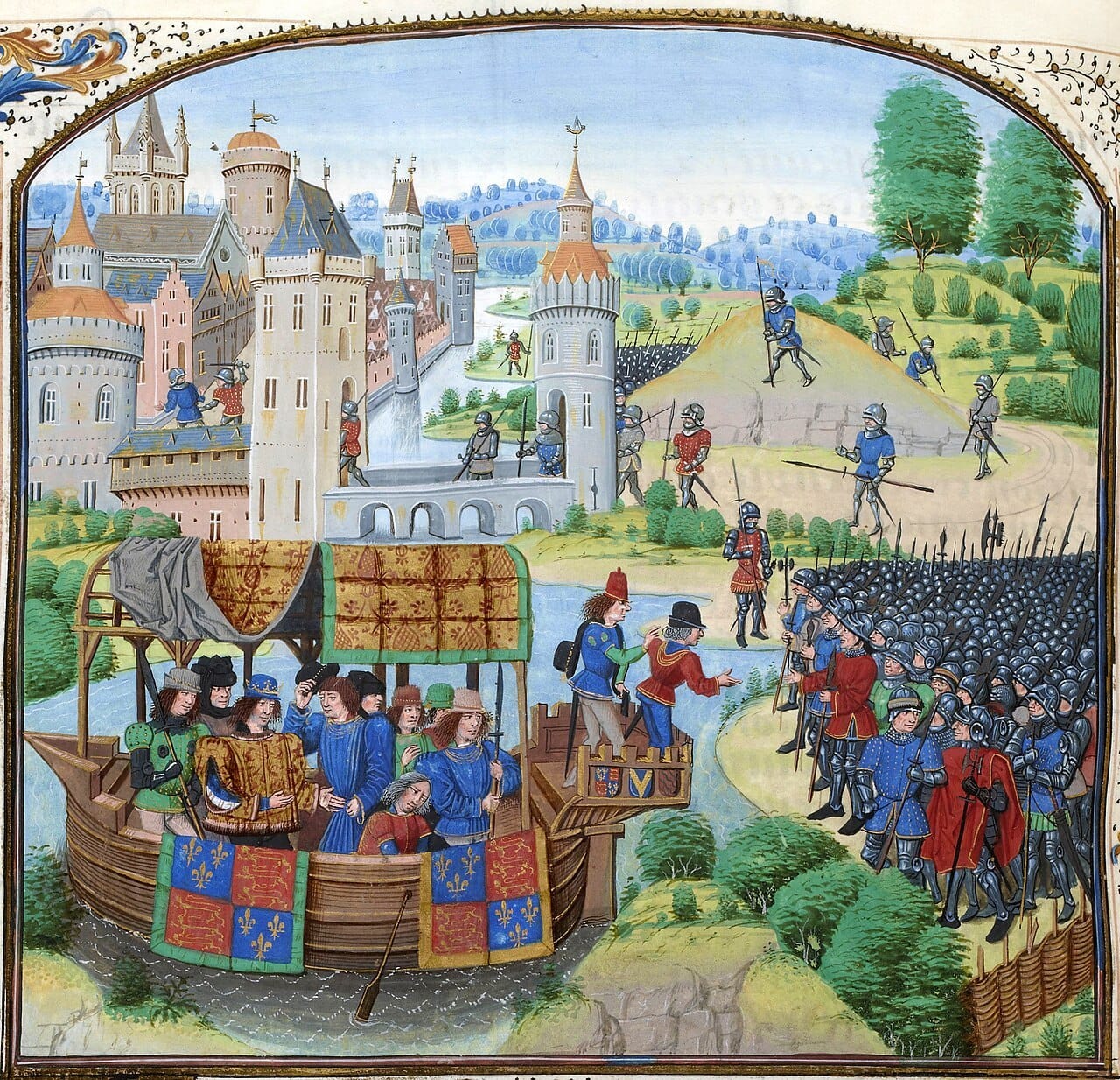
In June 1381 a rebellion broke out in England which the Russian tradition calls the revolt of Wat Tyler. Its participants demanded the abolition of the poll tax, the lifting of restrictions on wages, the redistribution of the Church's wealth and the abolition of serfdom.
In 1348 the Black Death, a pandemic of plague, reached England and in the stricken regions carried off between 30 and 50% of the population. Labourers became scarce, and the peasants began to demand high pay for their work. The Crown answered with laws that capped a labourer's earnings. Landowners tried to return free workers to the status of villeins, that is, peasants personally bound to their lords.
The pretext was the poll tax, that is, a levy collected from every person regardless of means. Between 1377 and 1381 the Crown imposed such a tax three times in order to pay for the war with France. The third tax amounted to roughly two days' wages, applied to everyone over the age of 15 except beggars, and was three times heavier than its predecessors.
In the spring of 1381 the royal collectors met with open resistance in the south-east of the country. The rebels killed officials, burned manor houses and destroyed the records of peasant obligations. The rising was led by Wat Tyler and by the priest John Ball, who preached the equality of men. On 13 June the rebels entered London and executed the Chancellor, Archbishop Simon Sudbury. On 15 June, at a meeting with the fourteen-year-old Richard II, the Mayor of London killed Tyler. The King promised a pardon to all, and the rebels dispersed, but he then hanged some 150 men. The poll tax was not levied again after that, while the peasants continued to buy themselves out of bondage.
The demands of 1381 touched on the very questions that are discussed today in connection with inequality. The poll tax was the same sum for a farmhand and for a landowner, so the poor man handed over to the treasury a far greater share of his income. The wage laws kept pay for labour low in the interests of the owners of land. Today the argument is about why income from labour is taxed more heavily than income from capital, and why big business influences legislation more strongly than hired workers do.