The exhibition “Square and Space” opens at GES-2, with works from Malevich to the Kabakovs
The "Square and Space" exhibition, curated by Zelfira Tregulova and Francesco Bonami, has opened at GES-2. Judging by the sheer number of first-rank names gathered for it, this is an event of international standing.
According to the curators' conception, in the first quarter of the twenty-first century we suddenly realise that the Black Square contains an enormous quantity of information. A parallel is drawn here with the black squares of a QR code, though one might go further and see the square in the pixels of which any digital image is made. And it is in this Malevichian "infinity and eternity" that the visitor is invited to consider how everything in art has changed since the appearance of the Black Square, from the experience of contemplating it and its fullness of meaning to its means of expression, colour and forms, and of course how much it is still to change.
Everyone will agree, of course, that the Black Square is more than just a painting. But perhaps an account of the metamorphoses of art over the past hundred-odd years could have done without such abstract generalisations as those in the curatorial preamble. Still, one has only to step into the exhibition halls for the answers to the traditional questions of art history to present themselves.
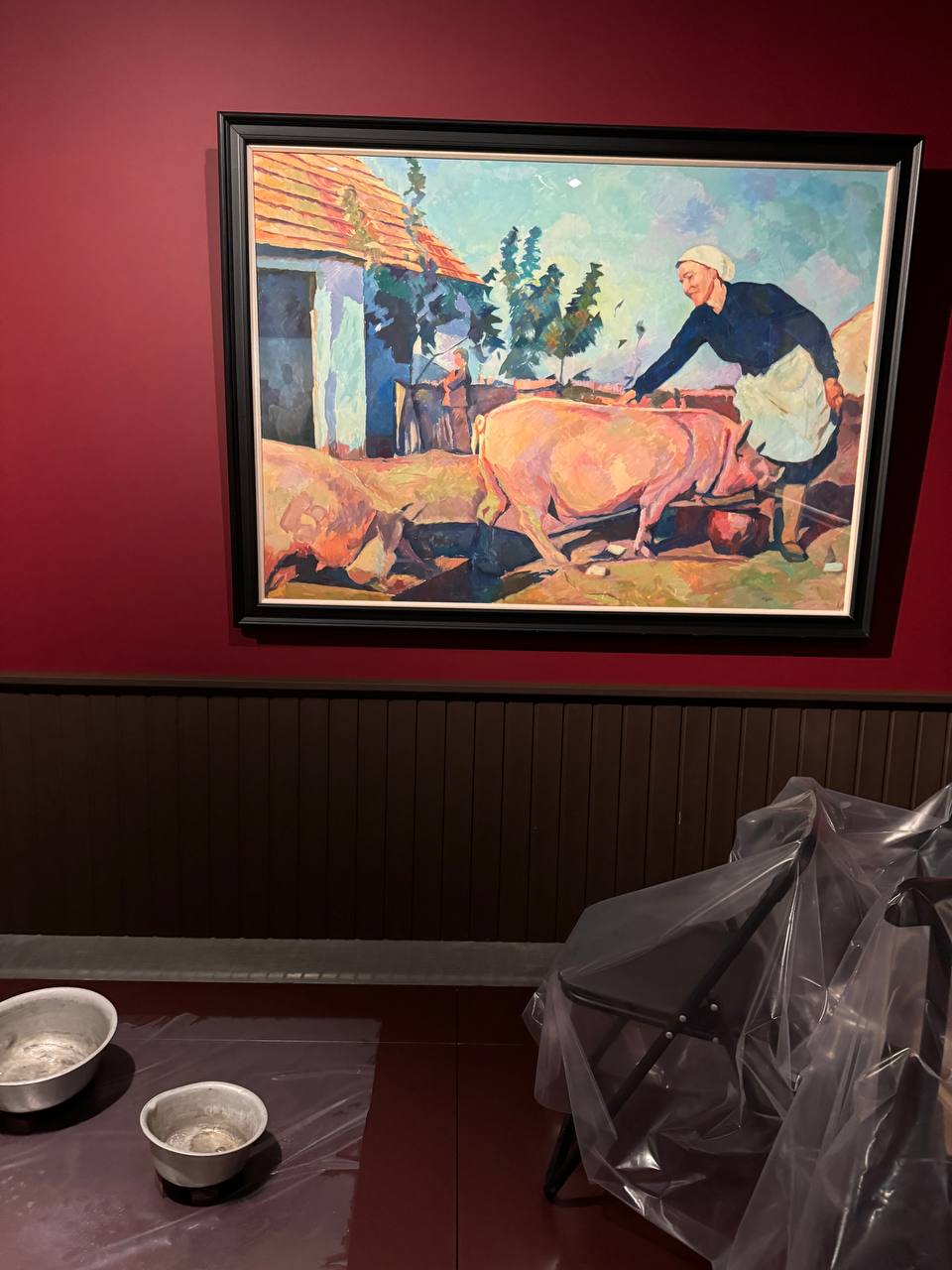
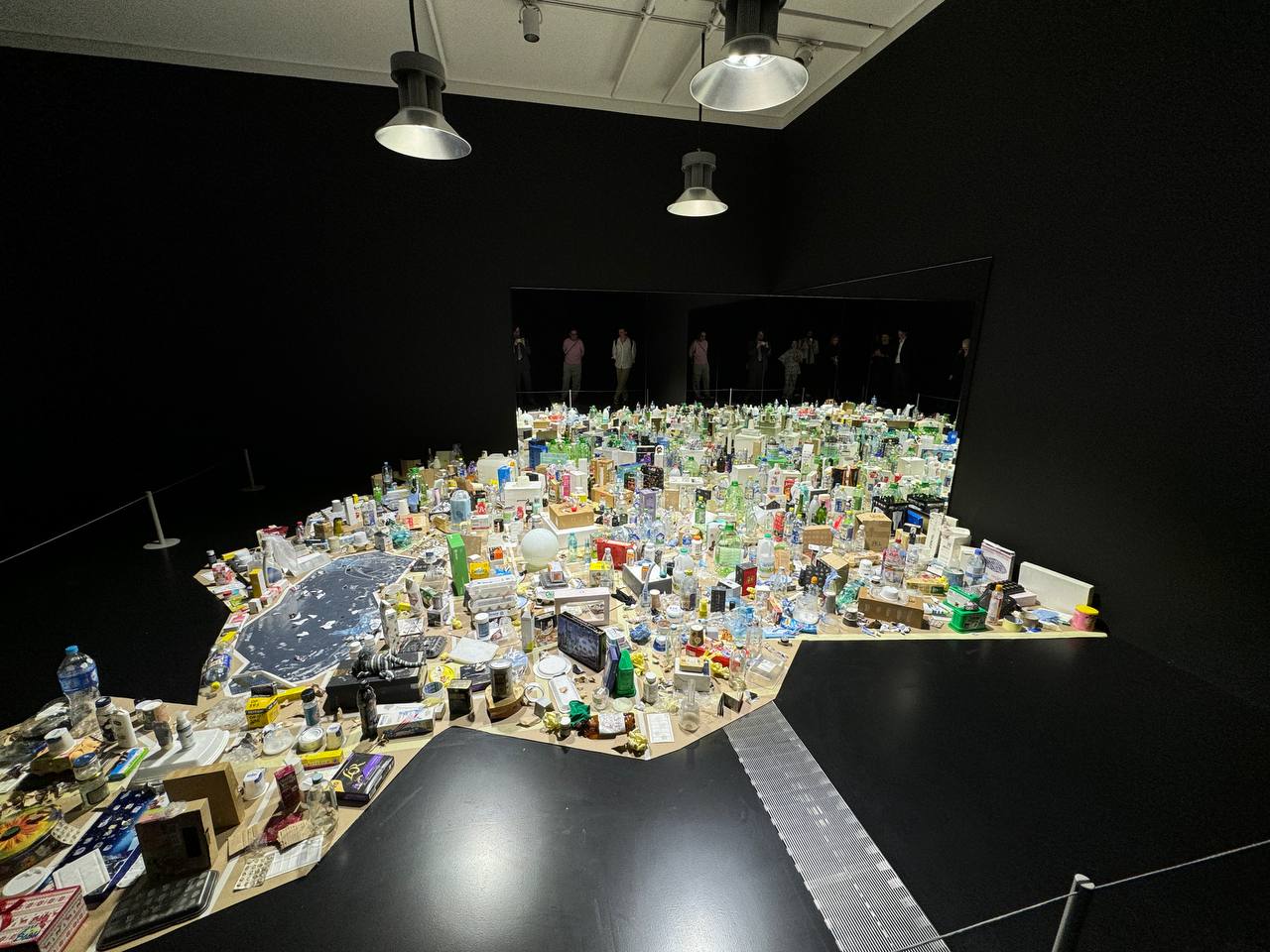
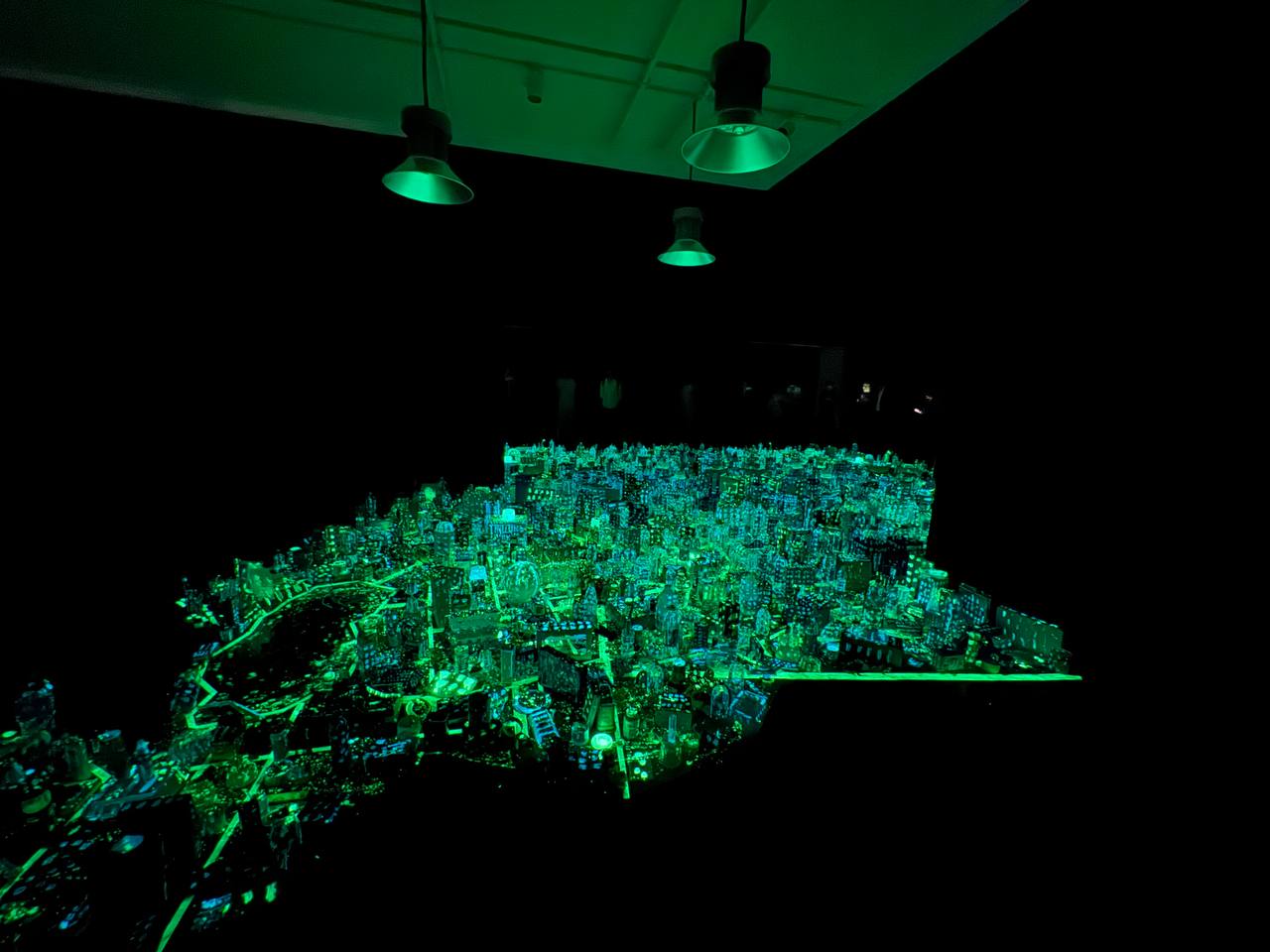
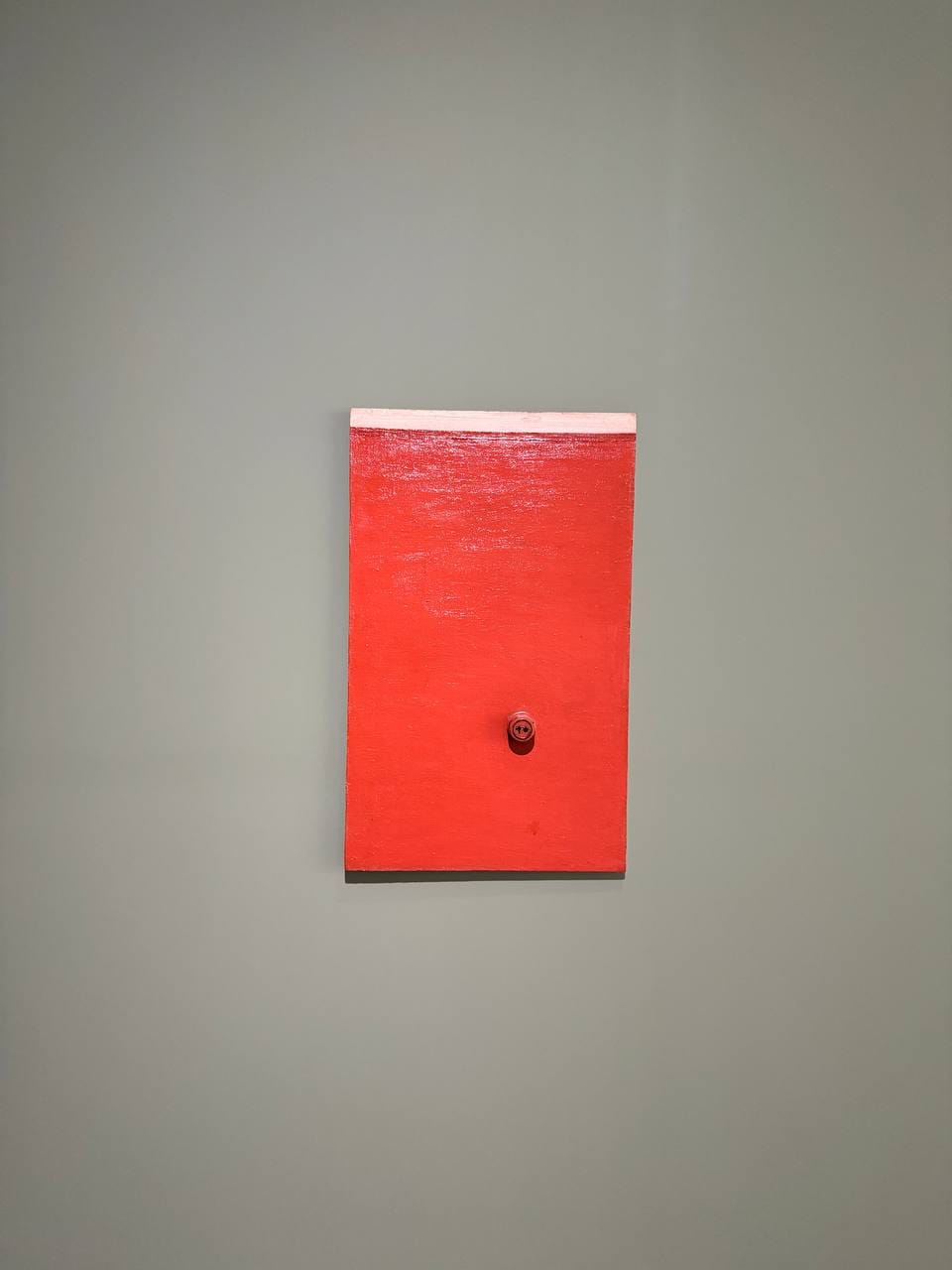
As for the exhibition itself, taken literally rather than as a heap of meanings, it shows how art metamorphosed in the twentieth century and how contemporary art became what we know today. It does so through authentic masterpieces by Malevich and Kuindzhi at the very start, all the way to the total installation by Ilya and Emilia Kabakov, shown in Russia for the first time, at the close of the visit.
All the works on show are either acknowledged masterpieces or very famous and emblematic pieces of their period, readily recognisable and widely known. It is a kind of concentrate of the most representative survey of contemporary art. Here are Francis Bacon's "Study for a Portrait" and Illarion Pryanishnikov's "Patronal Feast", Gerhard Richter's "Candle", Pablo Picasso's portrait of Ambroise Vollard, Thierry de Cordier's "North Sea" alongside Aivazovsky's "Black Sea", Jean-Michel Basquiat and Alexander Rodchenko, Erik Bulatov, Ivan Klyun, Oleg Prokofiev, Oleg Vasiliev, Olga Rozanova and Lyubov Popova, Francisco Infante, Alexandra Exter, Ivan Chuikov, El Lissitzky, Vyacheslav Koleichuk, Cy Twombly and Anselm Kiefer: in all, dozens upon dozens of landmark names, canvases, sculptures, objects and installations.
There is much to look at and much to ponder. So far, the best exhibition I have seen within the walls of GES-2.