In these days many pieces have appeared investigating how exactly the conclave went
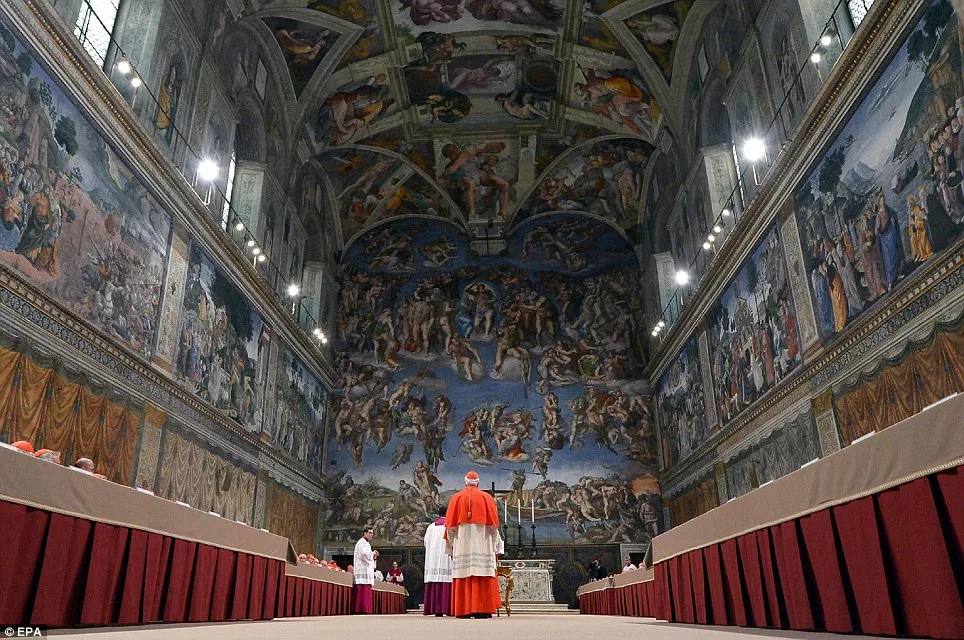
In these days many pieces have appeared investigating how exactly the conclave went. Original hypotheses are advanced as to how, in what conjunction of circumstances and under which stars Pope Leo XIV came to be elected. For the most part it resembles the intriguing plot of a popular film. Let me, too, offer my modest opinion on the subject of witnesses to what happens "under lock and key"
With absolutely all the articles on how the conclave really went, on the parties into which the cardinals split and on what led to the election of Prevost, there is one serious problem.
Attention. Everyone present in the Sistine Chapel, everyone who took a direct part in the conclave, swore to keep what happened secret. What sort of man, having given an oath, rushes at once to break it and to do precisely what he solemnly swore not to do?
Base gossips, vile slanderers, manipulators of public opinion, who seek by their unlawful revelations to influence church policy, to advance themselves, to help the career of their interlocutor or to assert themselves.
One wishes to picture the cardinal who seeks advantage in projecting his own vision of what happened onto the screens of an audience that was never meant to be an insider one. Who are these people in crimson cassocks who have so generously furnished journalists with secret information at the first request? Cynics, pasquinaders, but by no means men of the cloth.
Are you really prepared to entrust people of this kind with the formation of your picture of the world?
For this reason all post-conclave accounts should be received not merely with scepticism but with distaste, and leafed through fastidiously. In the end, journalists who build elaborate theories on sources that are never named are little better than the common liars of the yellow press