The Lake School of poets, its name and Wordsworth, Coleridge and Southey
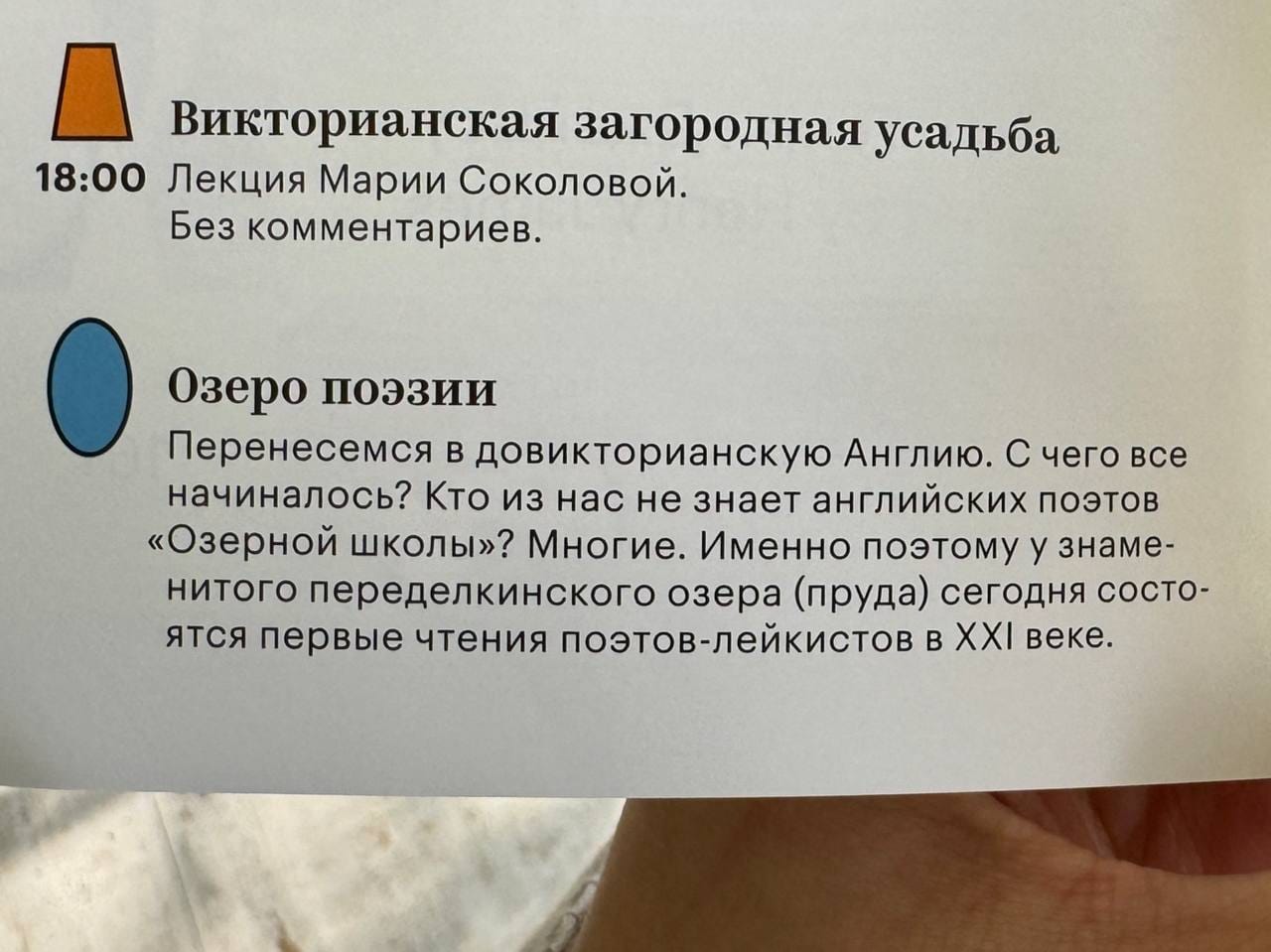
A Peredelkino leaflet asks: who among us does not know the Lake Poets?
Still, in case there are doubters, the poetic fellowship that emerged at the turn of the 18th and 19th centuries was called the Lake School after the Lake District in the north-west of England, where the founder of the school, William Wordsworth, made his home. For all his productivity and weight, Wordsworth is little known in Russia and has not been translated very actively, yet in English literature he is one of the key poets and, of course, the author of the programmatic verses of English Romanticism. To put it in perspective: what we call the age of Byron, they call the age of Wordsworth.
The second leading Lake Poet, Coleridge, left far fewer poems and is known chiefly for the long poems that laid the foundation of English Romanticism: “The Rime of the Ancient Mariner” and the unfinished “Christabel”. Having left the poetic field, Coleridge became a weighty critic.
Another notable Lake Poet is Southey, who was translated into Russian more often, found favour with Zhukovsky, and many of whose translations became anthology pieces.
The name “Lake Poets” is given not only to the three just listed: it is a whole galaxy of contemporaries and younger authors who wrote at the same time and stood under the influence of the poetics of Wordsworth, Coleridge and Southey. Keats and Shelley, for example, are counted among them too.
Curiously, Byron is sometimes assigned to the Lake School as well, which I find strange: he repeatedly and very sternly berated its founders and was certainly no follower of any of them. Then again, I may be mistaken, and you are welcome to call me a biased Byronist.