In 1911, Leonardo da Vinci's "Mona Lisa" Was Stolen from the Louvre
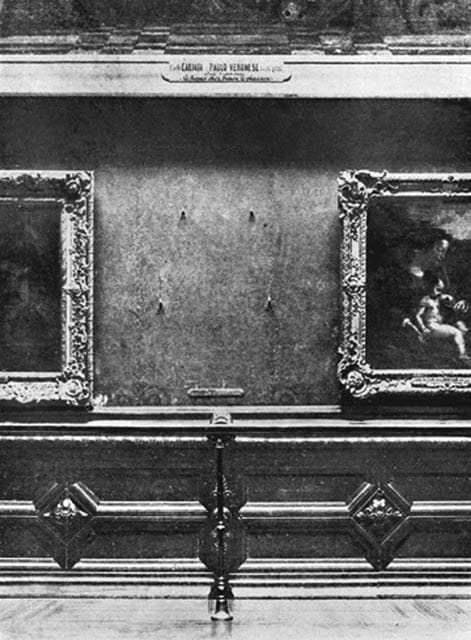
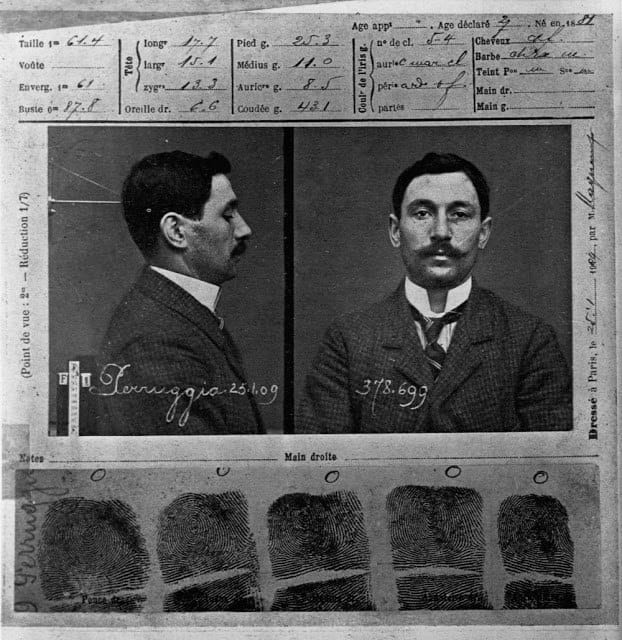
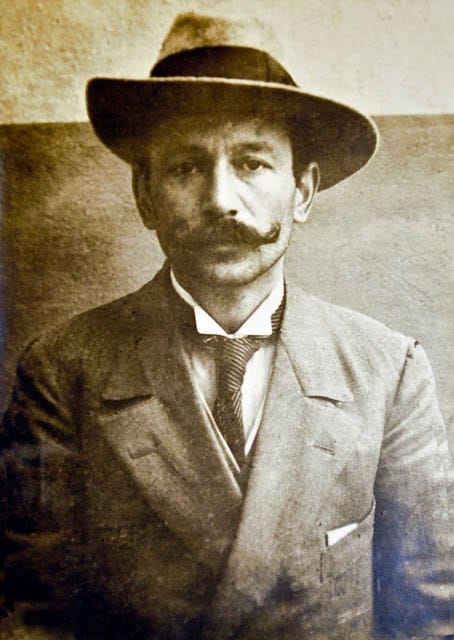
In 1911, Leonardo da Vinci's "Mona Lisa" was stolen from the Louvre. The robbery was executed with an almost caricatured simplicity. A museum employee, Vincenzo Peruggia, hid in a storeroom until closing time. With the help of two accomplices, he removed the glass case from the painting, a procedure that was not difficult, given that he himself had once installed it. Having concealed the picture under a blanket, the trio left the Louvre in the early morning, made for the nearest Métro station and boarded the first train out of Paris.
A full 28 hours passed after the theft before anyone noticed that the portrait was missing. At the time of the theft, the "Mona Lisa" was scarcely regarded as Leonardo's finest work, let alone as one of the greatest masterpieces of all time. Had it not been for Peruggia, the "Mona Lisa" would probably never have acquired the fame it enjoys today.
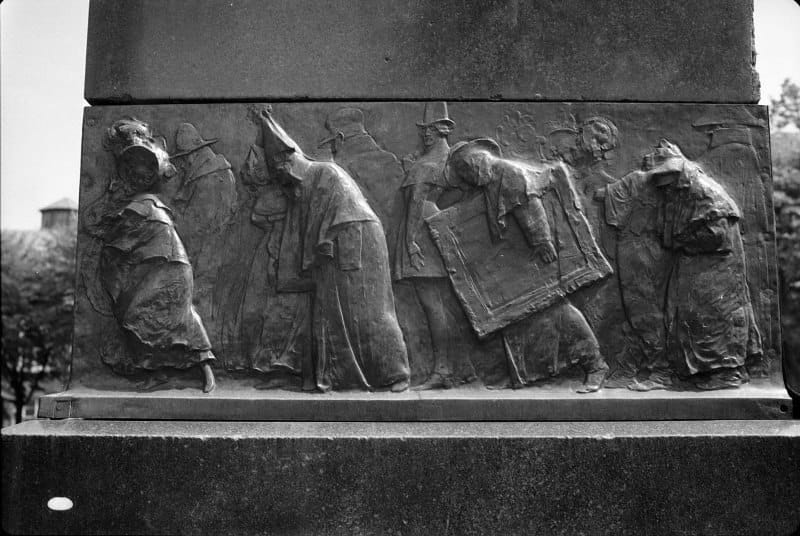
The French press zealously stoked public interest. According to one version, the American banker and collector J. P. Morgan was behind the theft; according to another, Kaiser Wilhelm II. Among the suspects was Pablo Picasso. Although the artist had nothing to do with the theft of the "Mona Lisa", he had earlier bought artefacts stolen from the Louvre from a petty adventurer, Joseph Pieret. Once the investigation began, Picasso, fearing deportation, seriously considered getting rid of two Iberian statues from the museum's collection, even to the point of throwing them into the Seine, but never brought himself to do it. In the end the statues were returned to the museum, and the artist escaped charges.
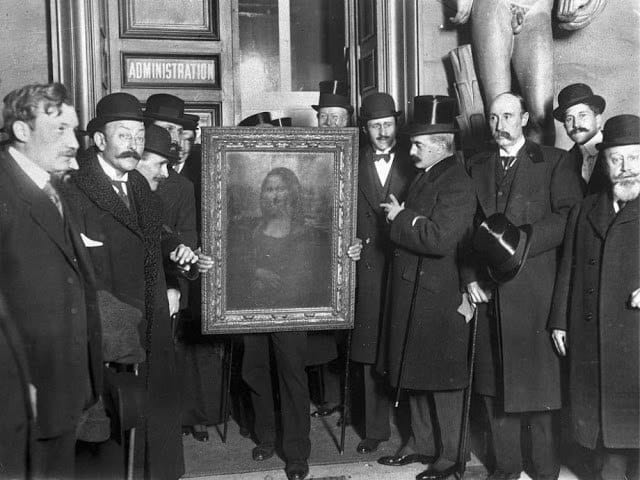
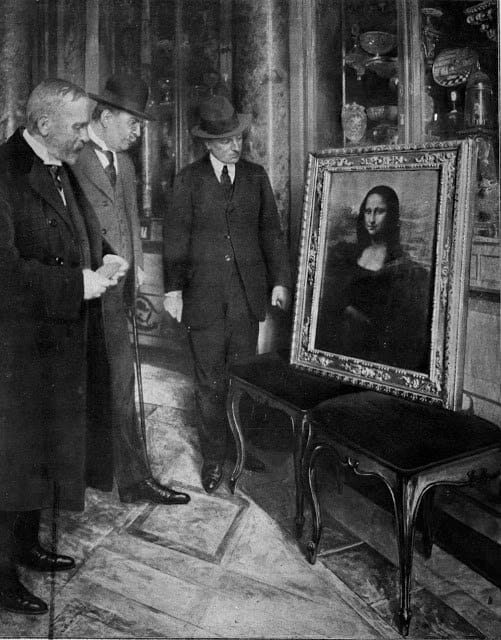
The irony was that it was precisely the painting's sudden notoriety that ultimately led to its return. Peruggia bided his time for more than two years before deciding to offer the canvas to an art dealer in Florence. The attempted sale, however, brought the authorities down on him at once. The thief was sentenced to eight months in prison, and the "Mona Lisa" returned to Paris, where world fame was already waiting for it.