To See an El Greco in the Flesh Is a Great Stroke of Luck
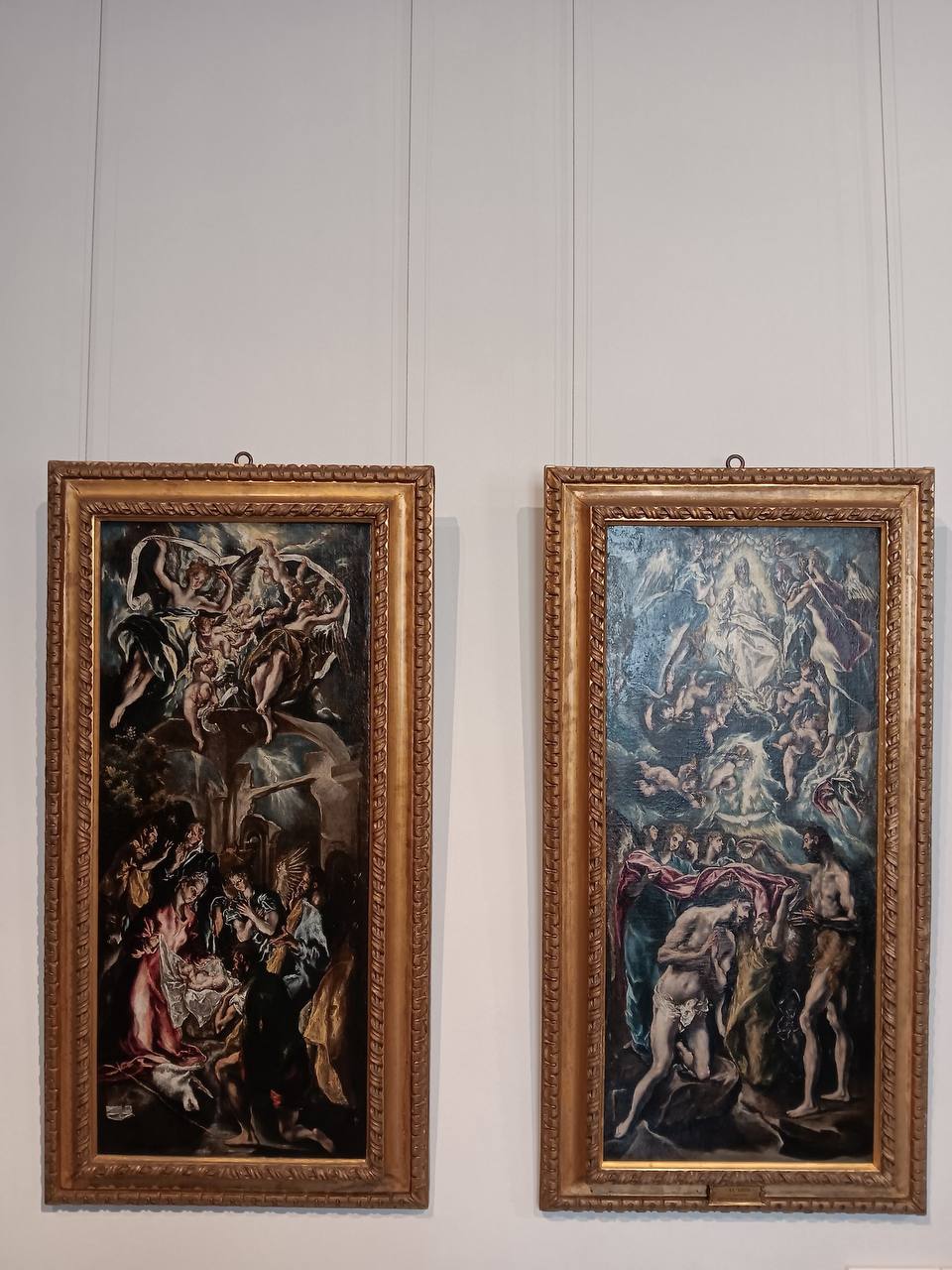
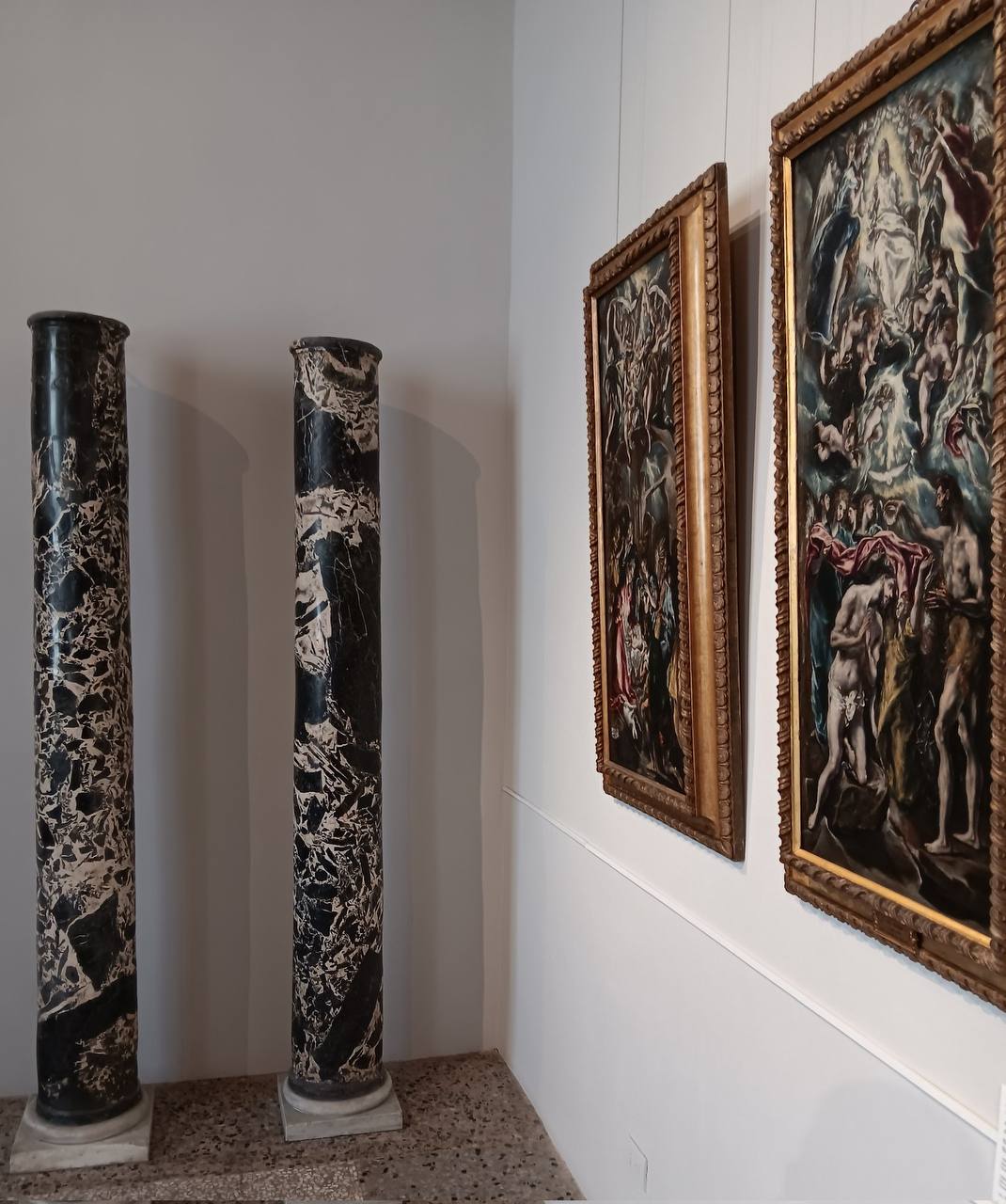
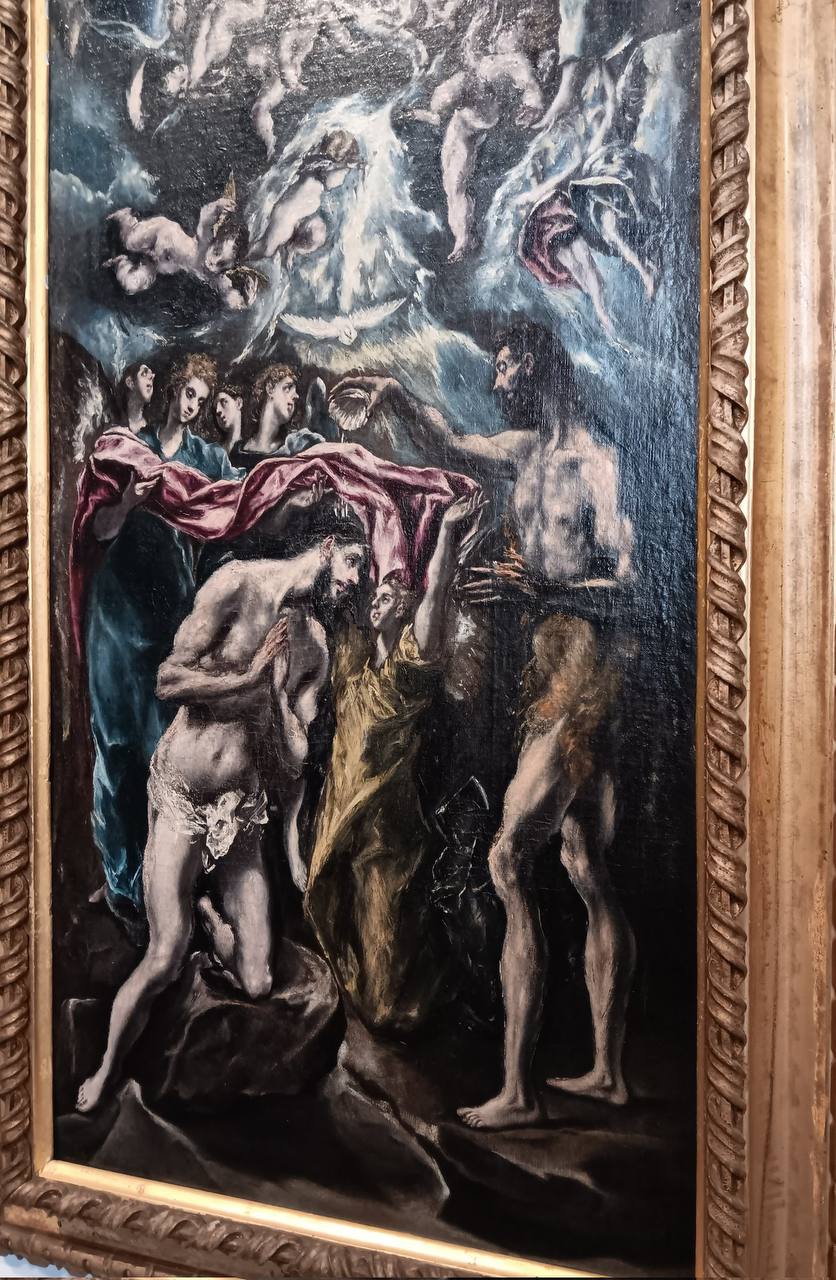
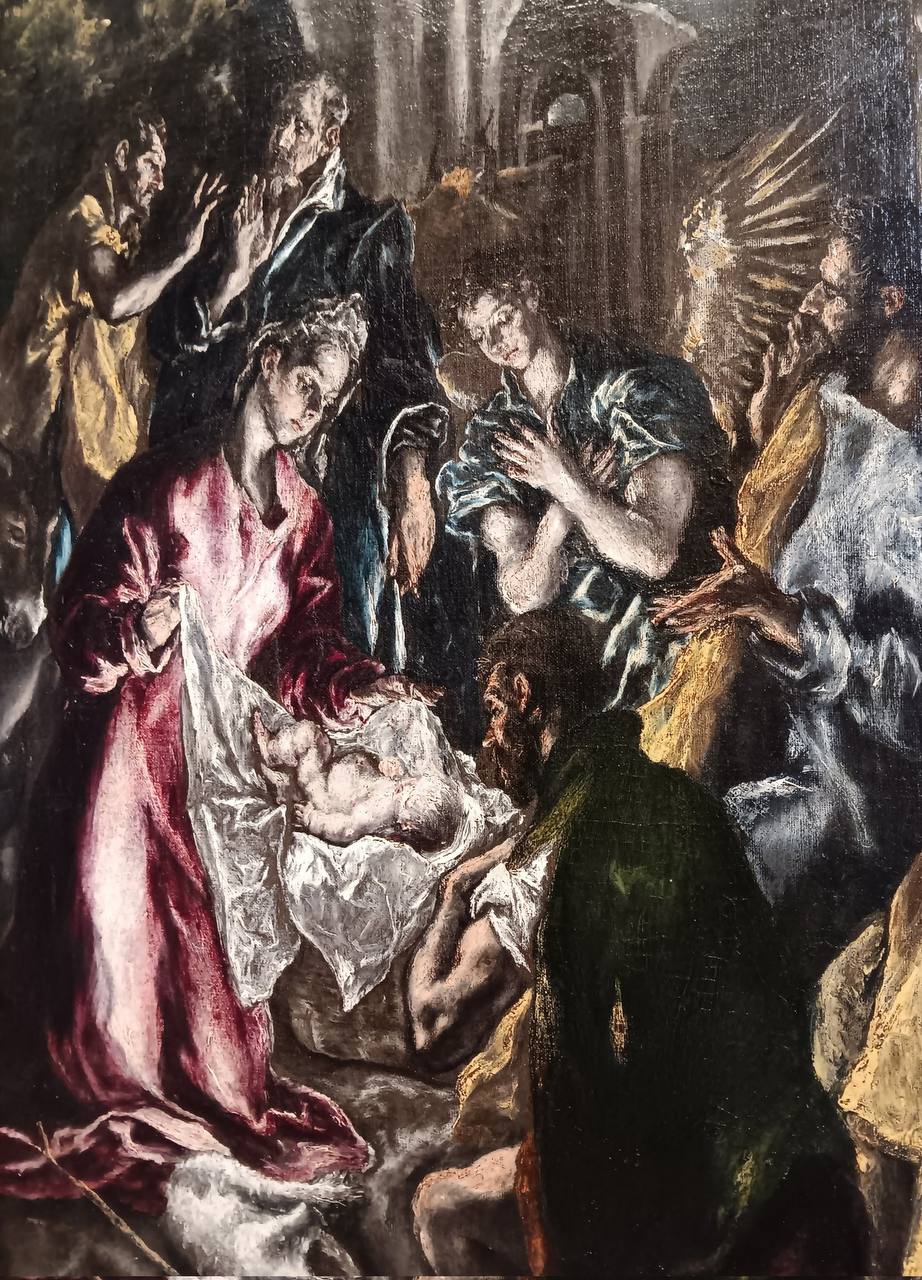
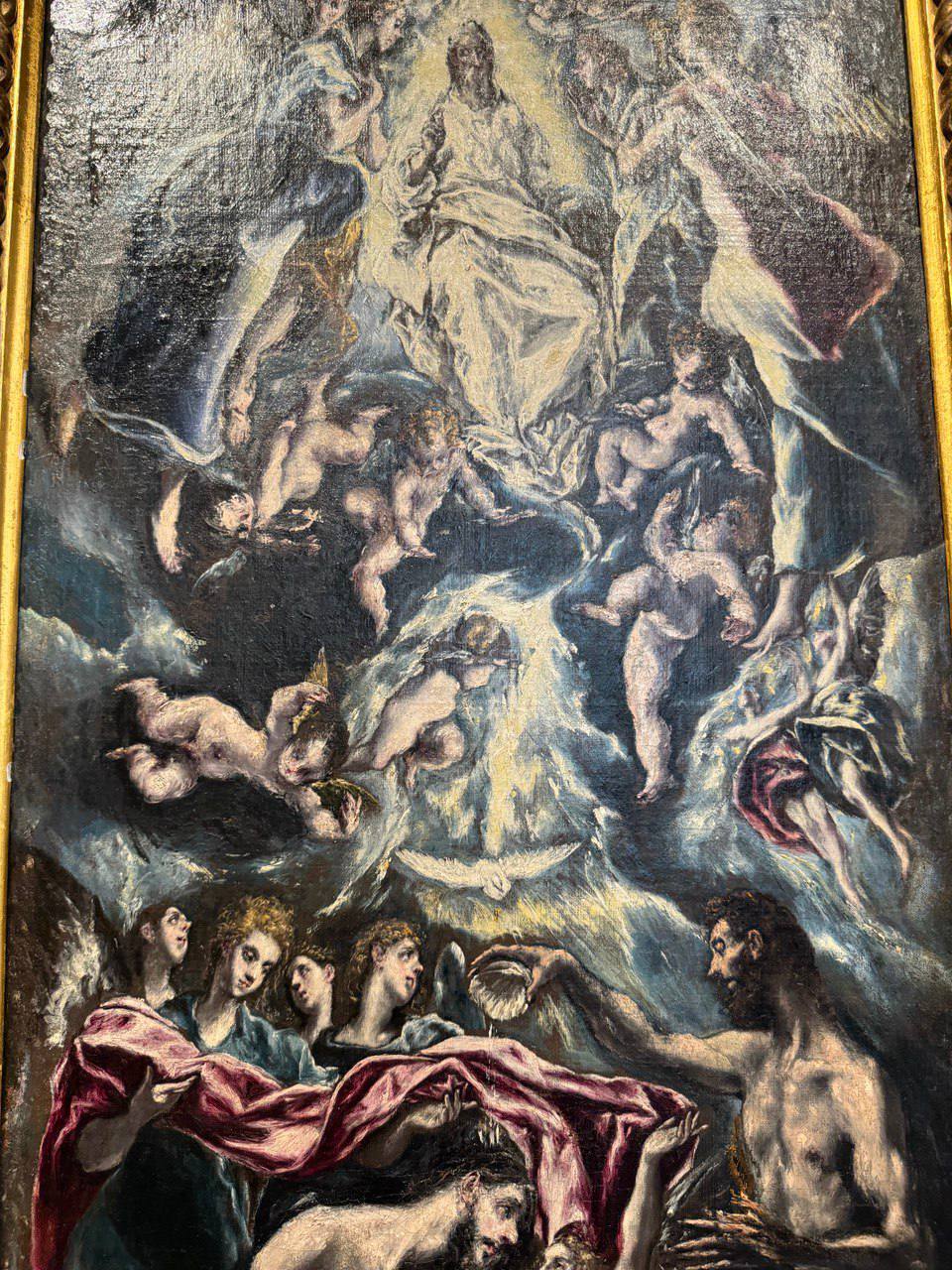
To see an El Greco in the flesh is a great stroke of luck. Of the slightly more than a hundred surviving works by El Greco in the world, Russia holds, for example, just five, and Italy eleven, of which Rome has only two, both in the Palazzo Barberini. These are the "Adoration of the Shepherds" and the "Baptism of Christ", sketches for a polyptych of six or seven paintings commissioned in 1596 to adorn the chapel of the wealthy Colegio de la Encarnación in Madrid.
Like the "Russian" paintings by El Greco, these sketches are highly distinctive. Largely thanks to their scale, El Greco's shimmering mature style makes a particular impression in them. How remarkable is the characteristic elongation of the figures, especially in combination with the oblong vertical format of the canvases. The eye is drawn to the most intricate aspect of his art, the handling of light and colour, which harks back to Titian and Tintoretto.
For the entire work on the retablo El Greco was paid an enormous sum of 63,000 reales. But, regrettably, during the Napoleonic Wars the polyptych was broken up, and it has never since been seen in its original complement.
It is believed that the paintings based on the sketches displayed in the Palazzo Barberini occupied the lower tier of the retablo together with the Annunciation, while the Resurrection, the Crucifixion and Pentecost occupied the upper register. El Greco laboured over the polyptych for more than 4 years. As usual, focused on the life of Christ, he composed the iconographic programme himself.
The two canvases in the Barberini collection were acquired on the Sicilian antiques market in 1908. The paintings executed from these sketches are in other European museums: the Adoration in the National Museum of Art of Romania, the Baptism in the Prado in Madrid.