Friday, 9 October 2026
Section · 1875 stories

Society

Books · London · Mores · Society

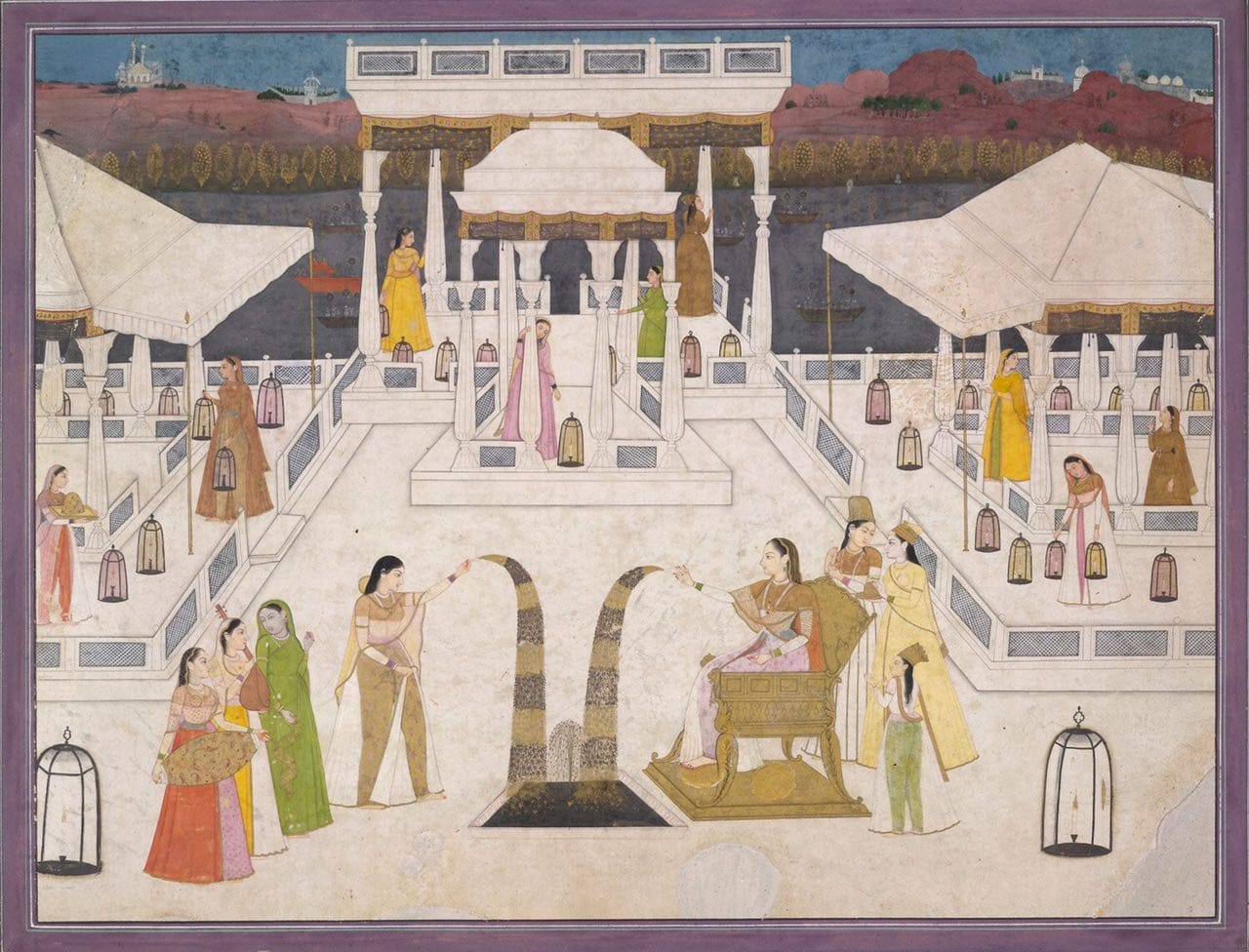
"The Pleasures of Coition" are notable also because their publisher was convicted in England on a charge of filthy libel, and his case laid the foundation of the English law on obscene publications

"The Pleasures of Coition" are notable also because their publisher was convicted in England on a charge of filthy libel, and his case laid the foundation of the English law on obscene publications. And only in 1967 did this offence cease to be regarded as a serious crime
By Alexandr Radayev
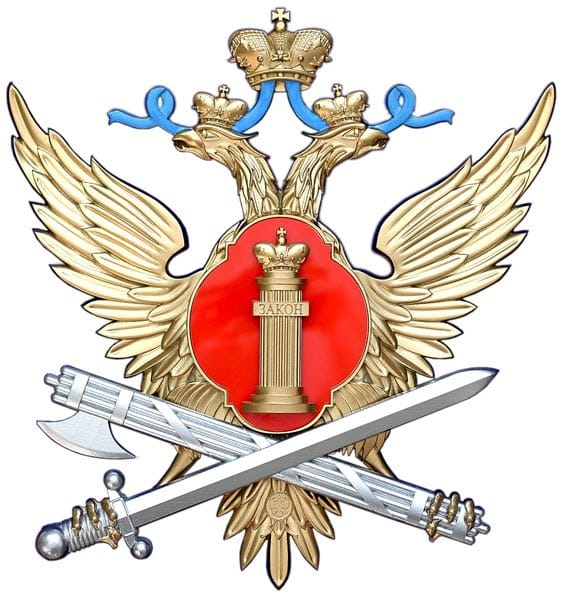
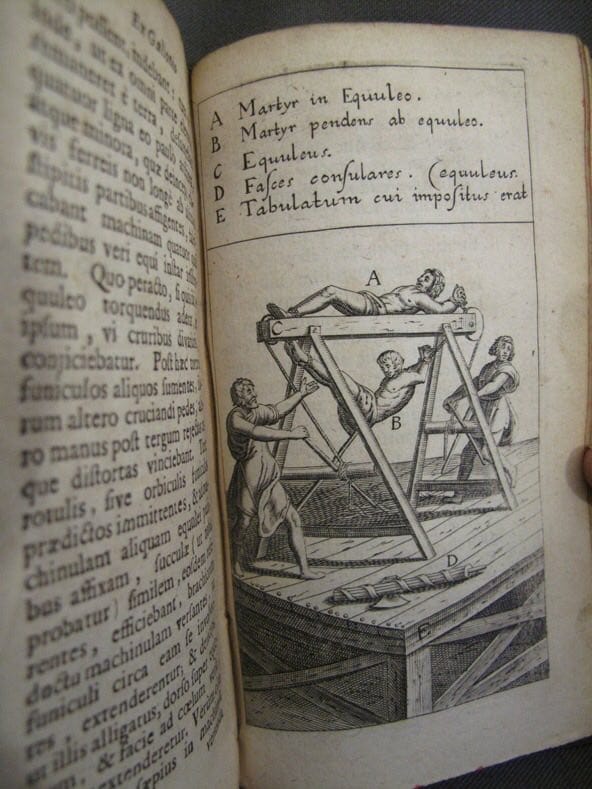
What do a seventeenth-century illustration from a book on executions and the emblem of Russia's Federal Penitentiary Service have in common?

NB! · Books · Observations · Society

What do a seventeenth-century illustration from a book on executions and the emblem of Russia's Federal Penitentiary Service have in common?

What do a seventeenth-century illustration from a book on executions and the emblem of Russia's Federal Penitentiary Service have in common? The depiction of fasces: since antiquity, bundles of rods with an axe or hatchet have been a symbol of authority, including the power to execute and

By Alexandr Radayev
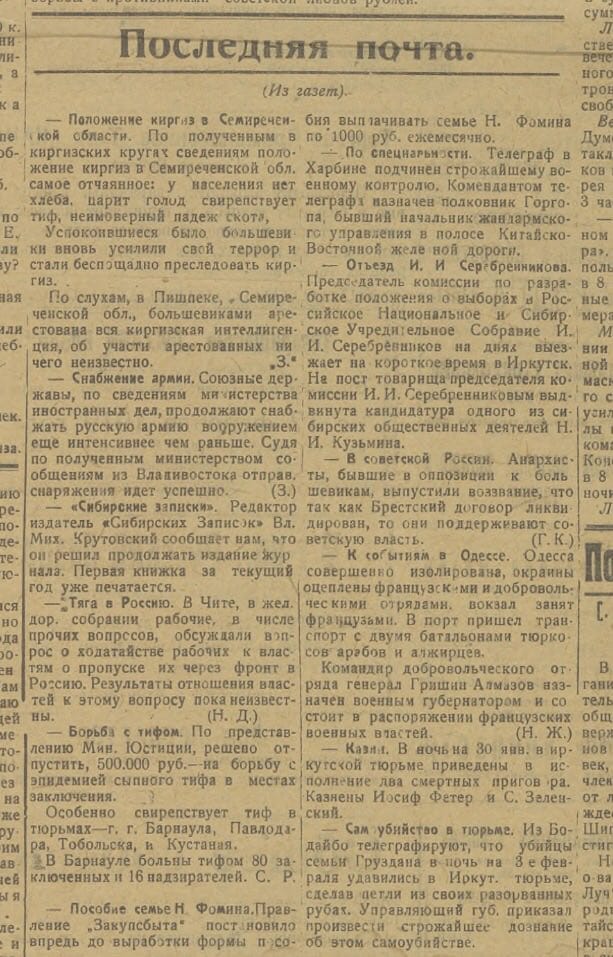
The Novy Altaysky Luch of 15 Feb 1919 carries on a single page both the flooding of the Seine and the affairs of Semirechye: famine, cattle plague, arrests of the steppe intelligentsia

NB! · Archive · In the Press · Geography · Society · Paris

The Novy Altaysky Luch of 15 Feb 1919 carries on a single page both the flooding of the Seine and the affairs of Semirechye: famine, cattle plague, arrests of the steppe intelligentsia

The Novy Altaysky Luch of 15 Feb 1919 carries on a single page both the flooding of the Seine and the affairs of Semirechye: famine, cattle plague, arrests of the steppe intelligentsia. The Bolsheviks, who had seemed to be calming down, have once more stepped up their terror

By Alexandr Radayev

Faith · Society · People

Fyodor Kuritsyn subsequently espoused literally the opposite views, working actively to justify grand-ducal absolutism and giving life to many of its foundational documents

Curiously, Kuritsyn was not the only active churchman who, when necessary, went over to the opposing camp. Archbishop Gennady, for instance, at the behest of Ivan III, zealously dealt with the unruly Novgorod clergy, until matters came to the secularisation so important to the Kremlin. It was then that Gennady

By Alexandr Radayev