
NB! · Science · Paris · People

NB! · Science · Paris · People
NB! · Coming Up · Archaeology · Science · Education
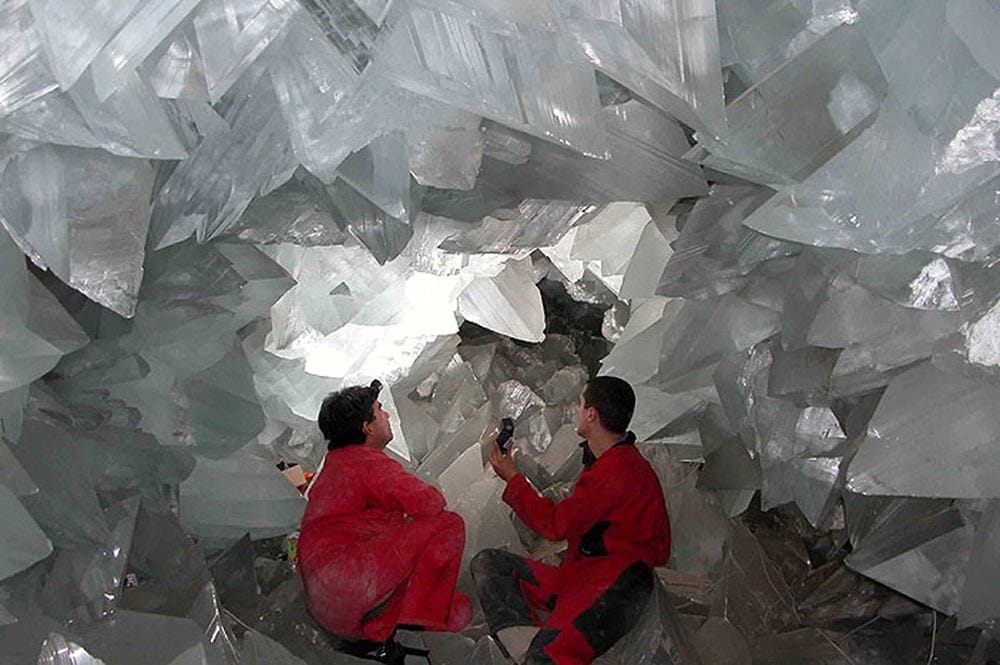
Applications and abstracts for the 4th Youth School of Geoarchaeology, organised by the Institute of Mineralogy of the Ural Branch of the Russian Academy of Sciences, are accepted until 20 February. The website, however, seems to have trouble with its encoding: https://clck.ru/AT6Mx
NB! · Museums · Science
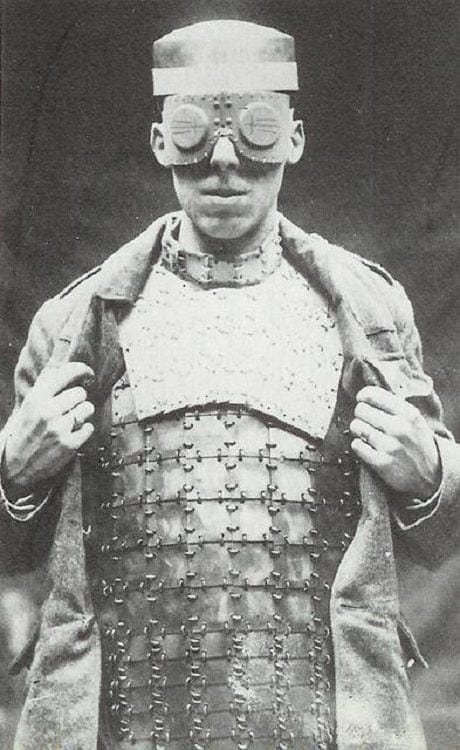
Chain mail of the twentieth century. There were attempts to dress soldiers in something like a cuirass, but without success. When a bullet struck, the cuirass drove into the body and only aggravated the wound, whereas plate armour came off easily
Museums · Science · Humour
This piece of armour, which looks like the kit of a Chatlanian, was worn during the First World War. And it is only part of a tank crewman's full equipment, which also included a proper chain-mail coat. Why tank crews in particular? Without such armour, under machine-
Archaeology · Geography · Science
Dorset borders another "geological" county of England: Devon, which gave its name to the fourth geological period of the Palaeozoic (419-358 million years ago). Rocks of the eponymous period are extremely widespread on Devonian soil. The county itself took its name from an ancient realm that occupied
NB! · Moscow · Science · Society
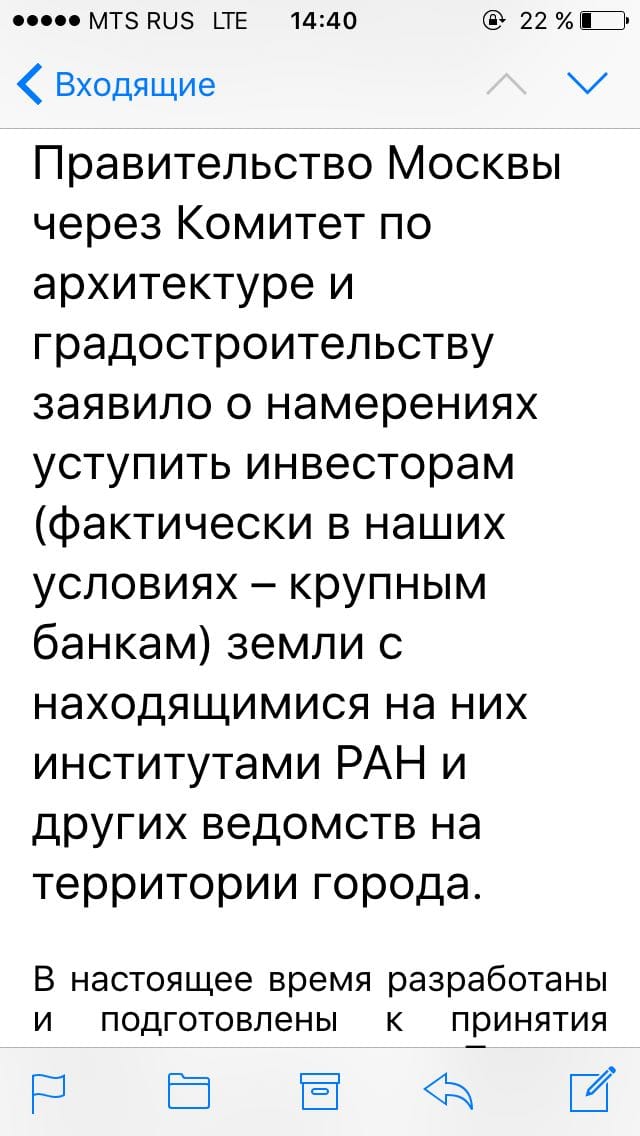
Dear colleagues, this announcement concerns all of us and the staff of our friendly institutes, especially those located on Vavilov, Lyapunov and Fotiyeva Streets and on Leninsky Prospekt
NB! · Archaeology · Science · Ethnography
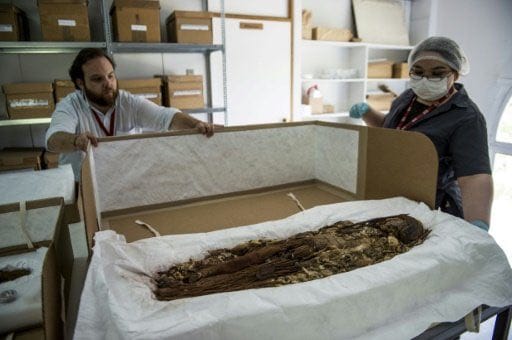
Chilean scientists have examined 15 mummies of the Chinchorro people, who lived on the Pacific coast of South America from the 10th to the 3rd millennium BC. These mummies are the oldest on earth, and several thousand years older than the Egyptian ones.
Archaeology · Faith · Science · Ethnography
By the time the Maya met the Europeans, the religions of Mesoamerica had been developing for three thousand years and were moving towards the idea of monotheism. The trouble is that the Spaniards came upon these religions at one particular stage, and it is that stage which they recorded in
Archive · Science · Education · People · Humour
The greatest German historian Leopold von Ranke, who lived to be over ninety, was the author of a great many works: on the history of the papacy, the Reformation, modern history, the sovereigns of southern Europe, and so on. His approach was distinguished by the fact that Ranke did not
NB! · Science · Palaeontology · Nature
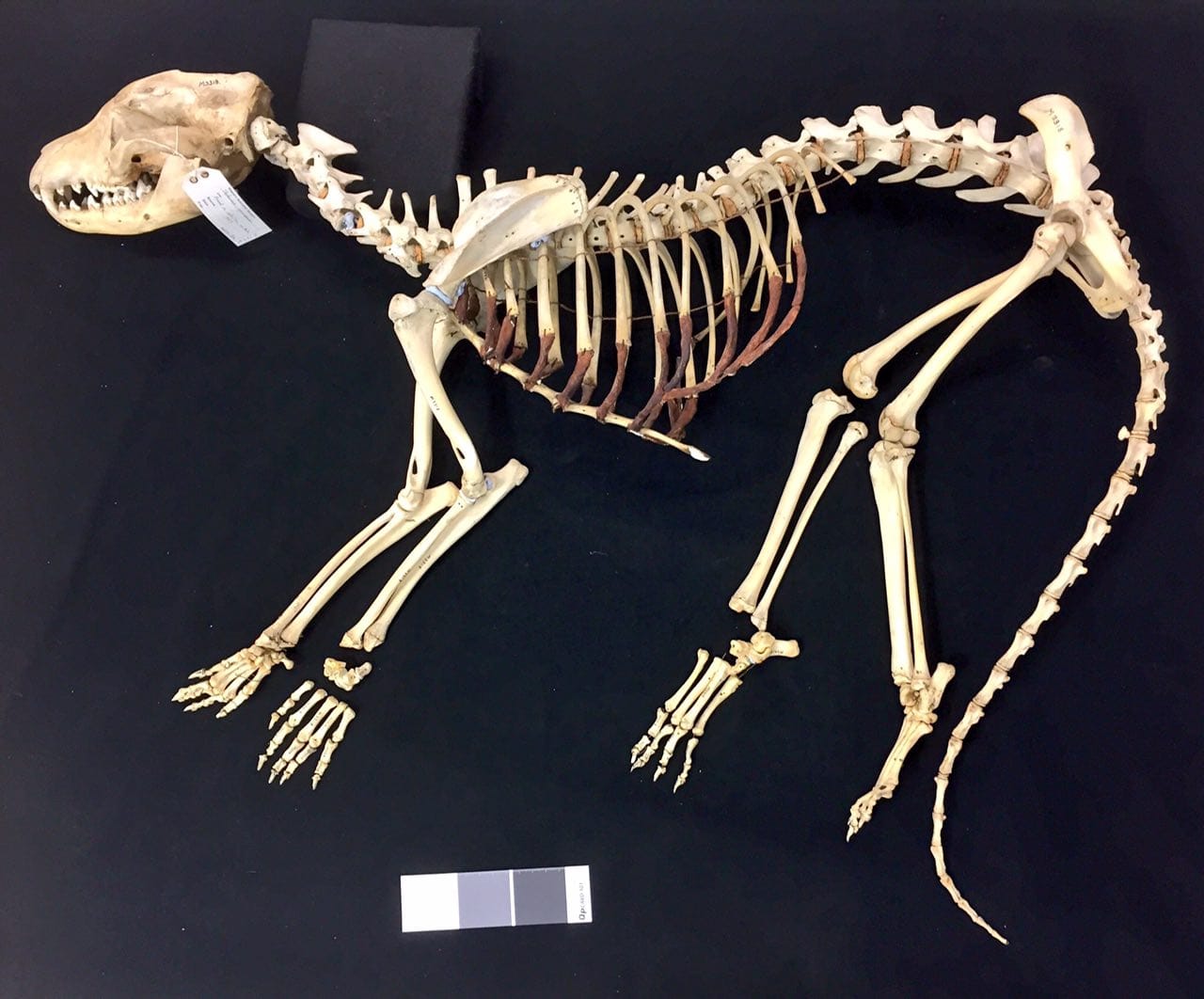
The skeleton of a thylacine, or Tasmanian wolf, extinct since the early twentieth century. There is a view that somewhere in the remote forests of Tasmania it may still be living to this day, and whoever catches a live thylacine is promised more than a million dollars
NB! · Art · Museums · Science · People
NB! · Geography · Maps · Books · Science