NB! · Society · Nature · Humour

NB! · Society · Nature · Humour
NB! · Observations · Nature
Geography · Science · Nature
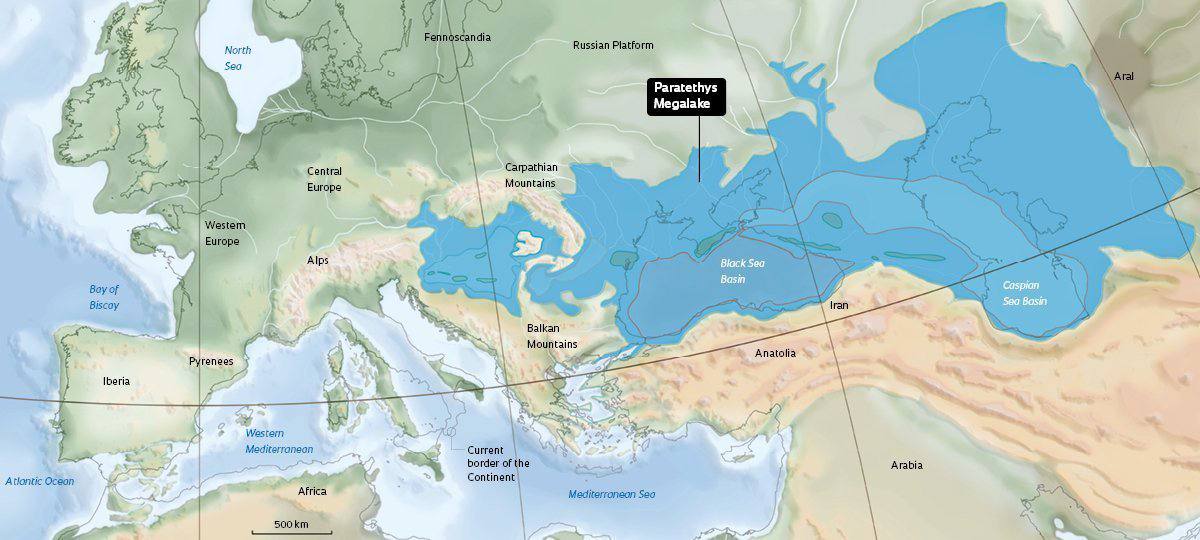
Millions of years ago, Paratethys was the largest lake on Earth, covering 2.8 million square kilometres and stretching from present-day France to the Altai. The water level in the lake stood 80 metres above that of today's World Ocean. Paratethys, often called an ocean, existed some
Archive · Cinema · Observations · Nature
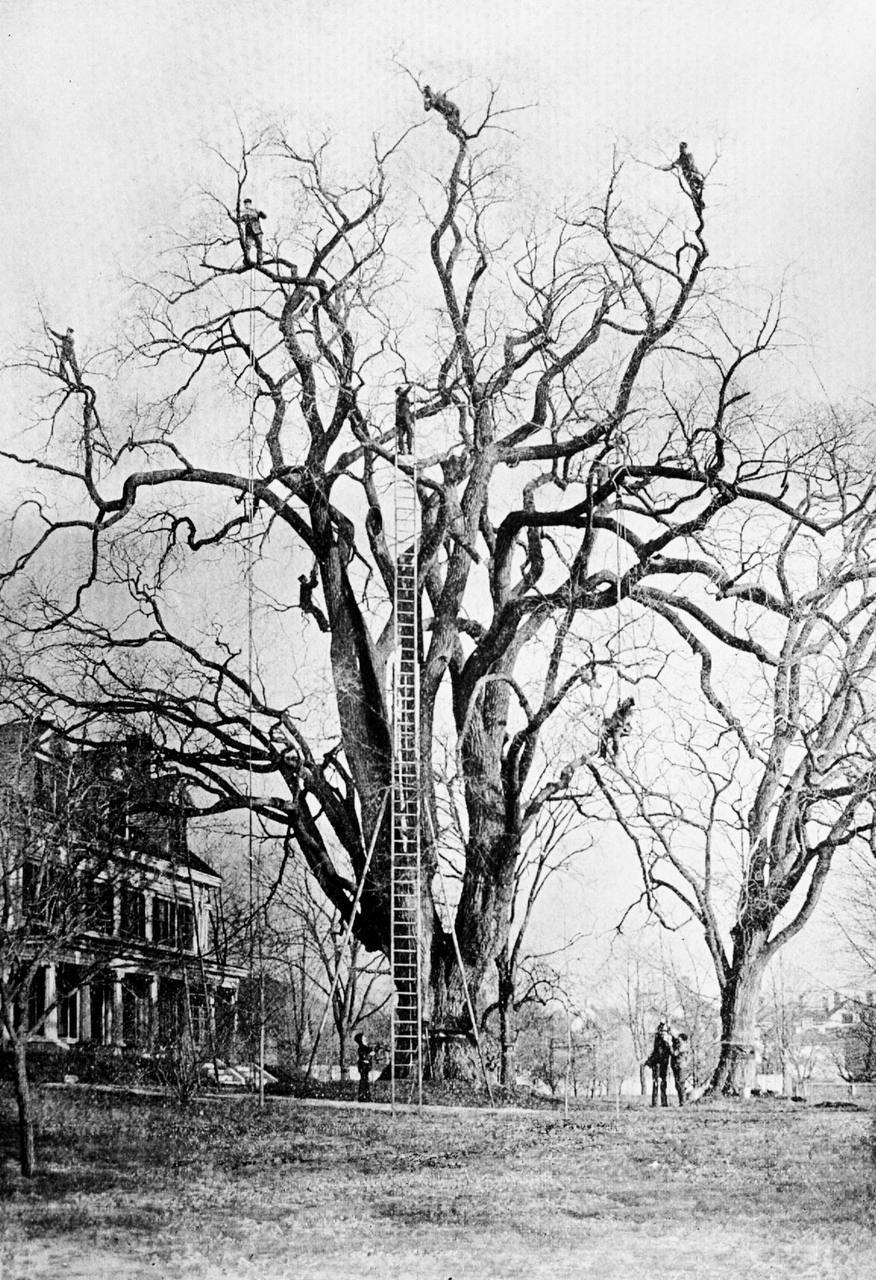
Saw this tree and remembered Sofia Coppola's 1999 film "The Virgin Suicides", which we had on cassette, and which, frankly, never gathered dust. One of those films that leaves an impression for life. If you have not seen it, consider this a recommendation from the fireproof

Science · Nature
Scientists have discovered a companion to Betelgeuse, one of the brightest red supergiants in the constellation of Orion. For stars of this kind, having a companion at all is a great rarity. The companion is a bluish-white star, roughly 1.5 times more massive than the Sun. It orbits
NB! · Science · Society · Nature
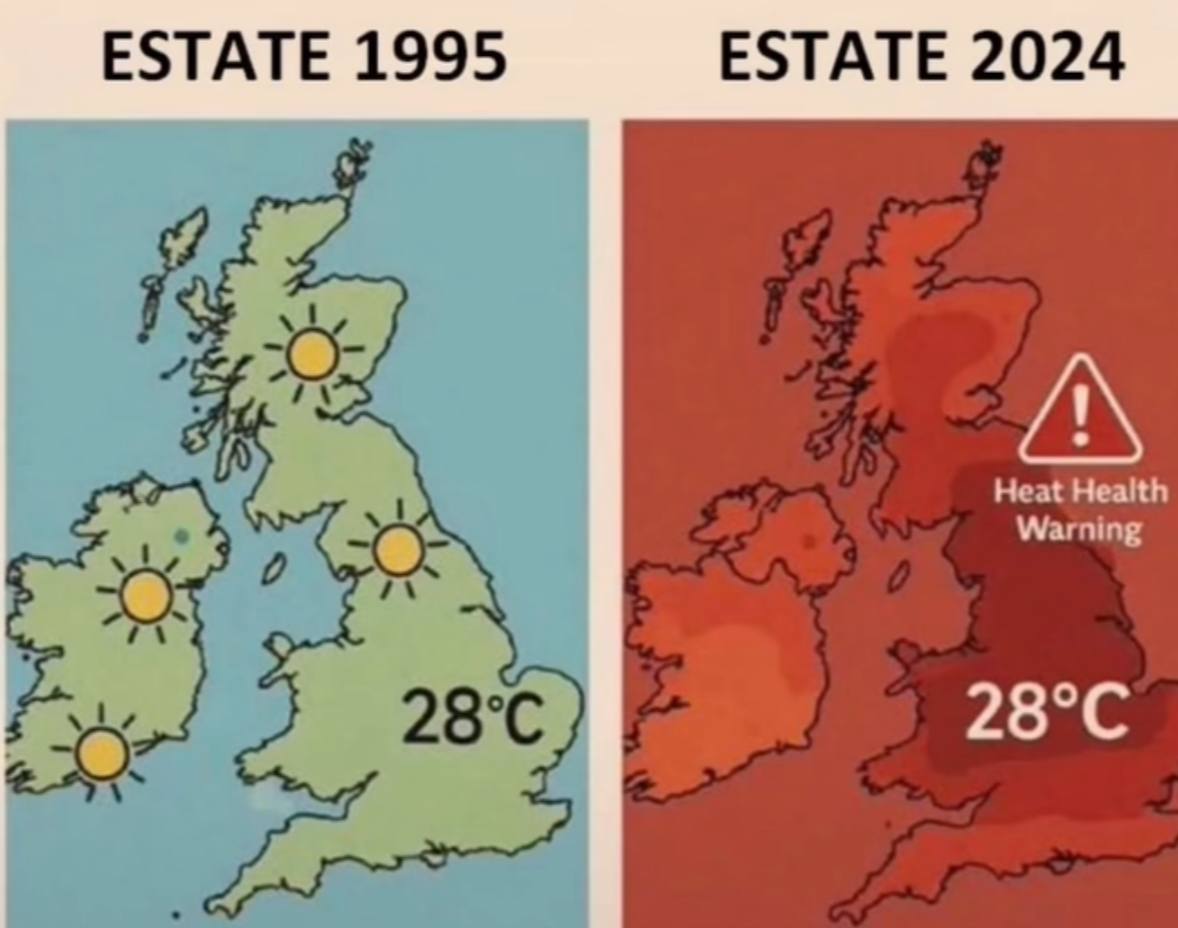
The same climatic picture viewed across a gap of 30 years. What was accepted as the norm in 1995 was deemed, in 2024, a heat dangerous to health.
Moscow · Observations · Society · Paris · Nature · Humour
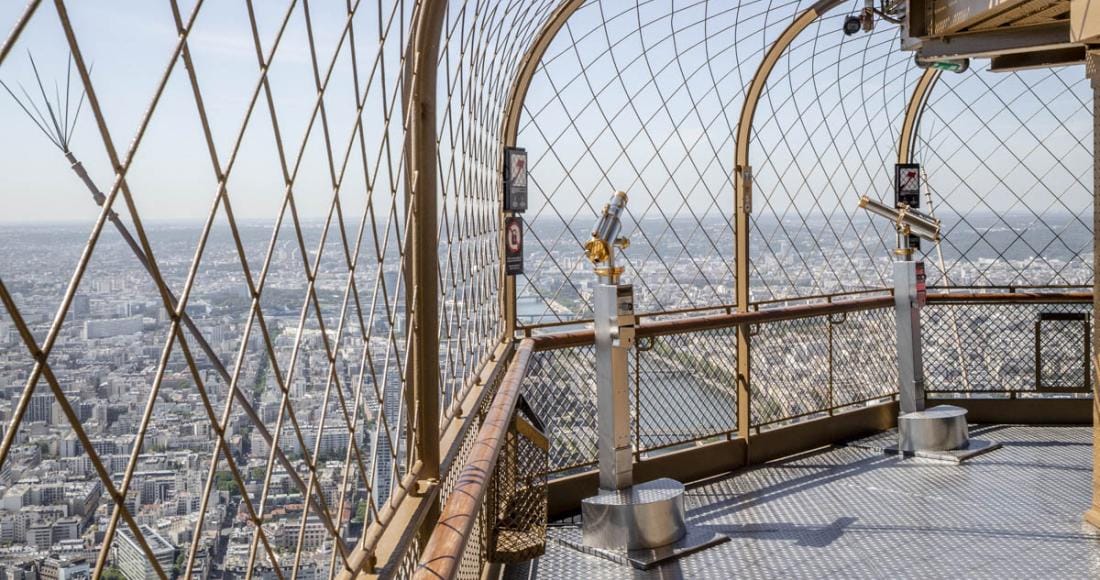
Extreme heat continues in France. The red alert level has been declared in 16 departments of the country. Since yesterday the top floor of the Eiffel Tower has been closed to visitors because of the high temperature. Abnormal heat is also being recorded in Spain, Portugal, Belgium and the Netherlands.
NB! · Art · Nature
Museums · Heritage · Science · Nature
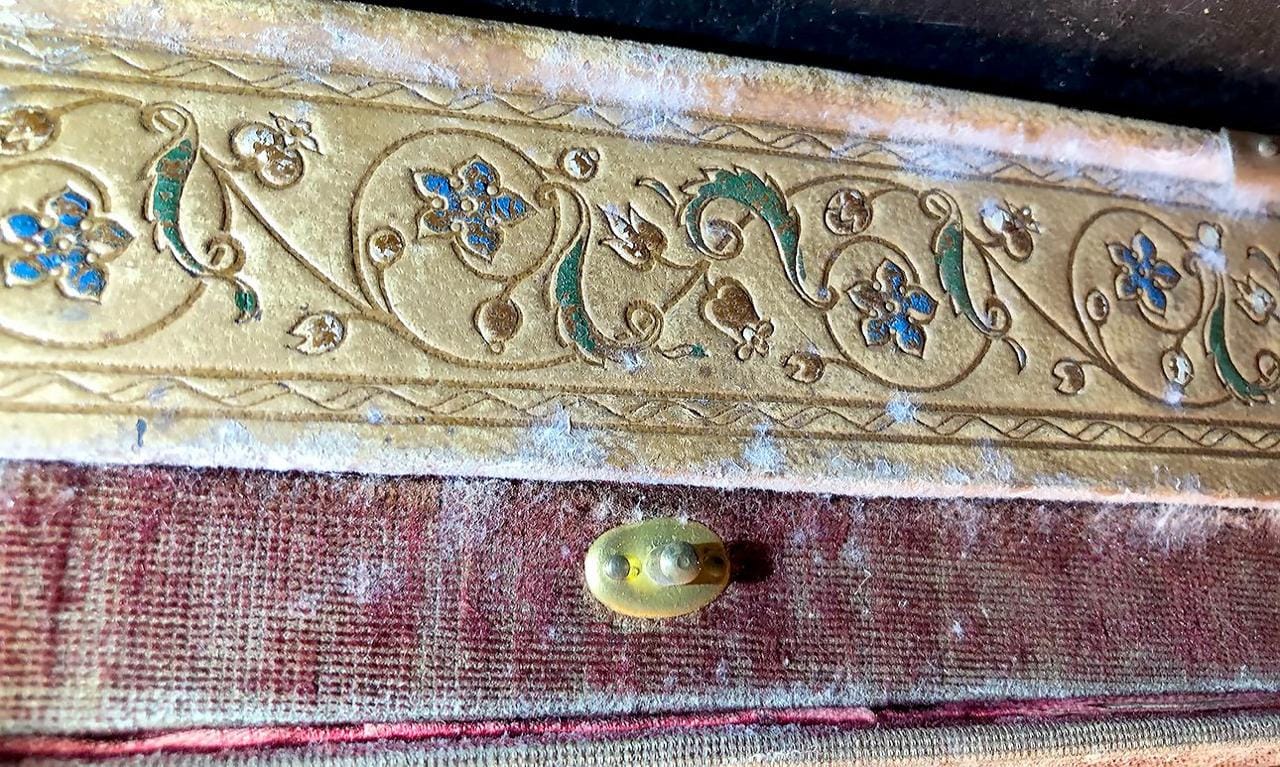
The problem was discovered by a group of researchers led by Camilla Jul Basthholm, head of the conservation and storage department at the National Museum of Denmark, who described the situation as “a kind of coronavirus epidemic for Golden Age painting”. The fungus attacks paintings, textiles and furniture. “Museum” mould
Books · Monarchies · Observations · Paris · Nature
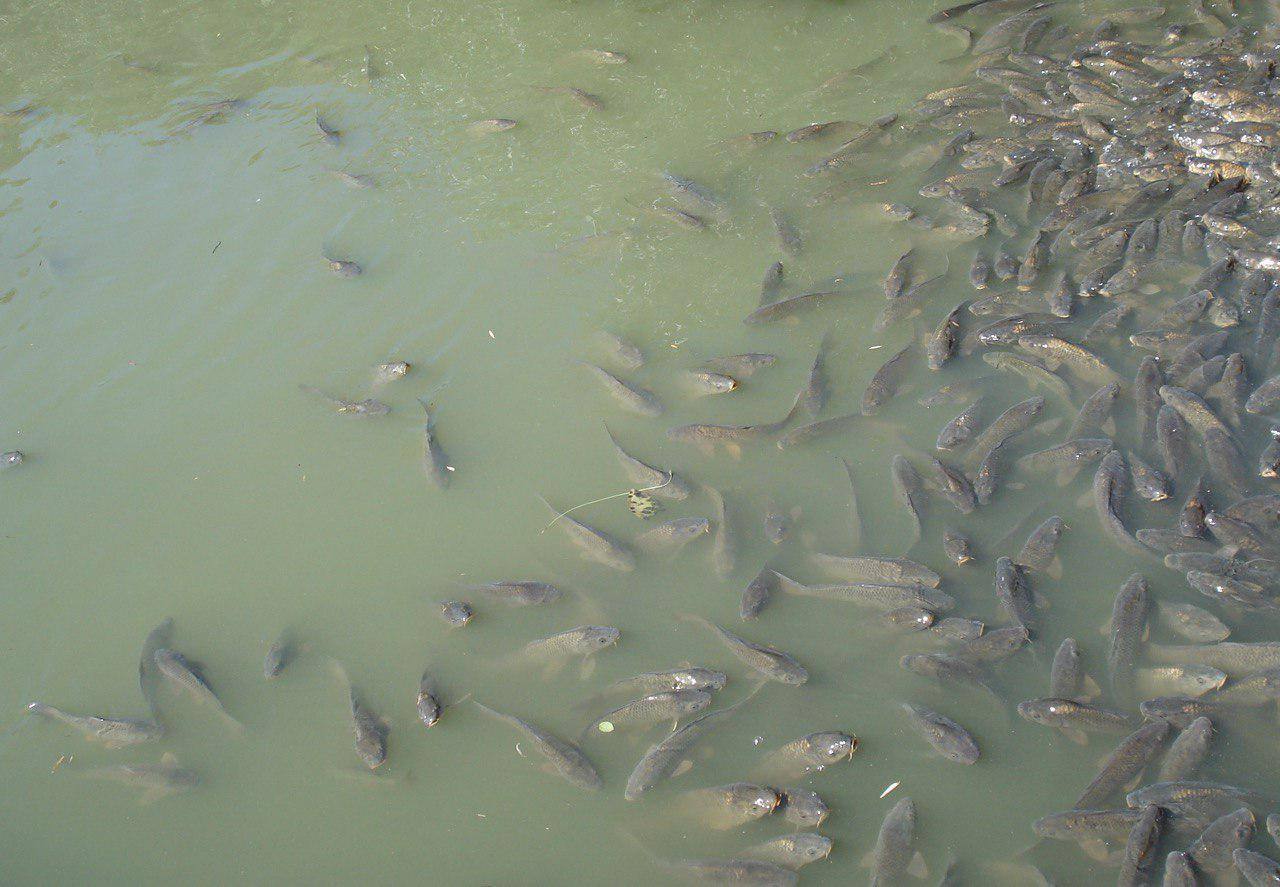
The British novelist Barbara Pym, in her ironic novel Crampton Hodnet, written in the 1930s and 1940s, remarks that the fish in the ponds of the Petit Trianon are so old that they must surely have seen Marie Antoinette. In principle, some freshwater fish really do live for more than
Archive · Mores · Nature
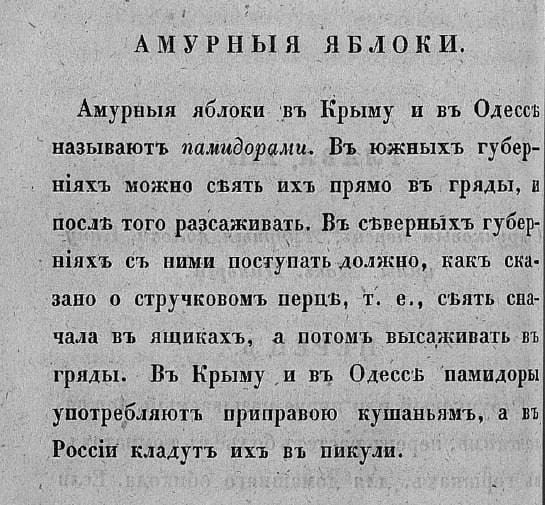
As you can see, in the first half of the nineteenth century tomatoes were still a curiosity in Russia, and it had to be explained not only how they were cultivated, but how they were to be eaten. At that time tomatoes were called amorous or love apples, after the
Art · Society · Nature
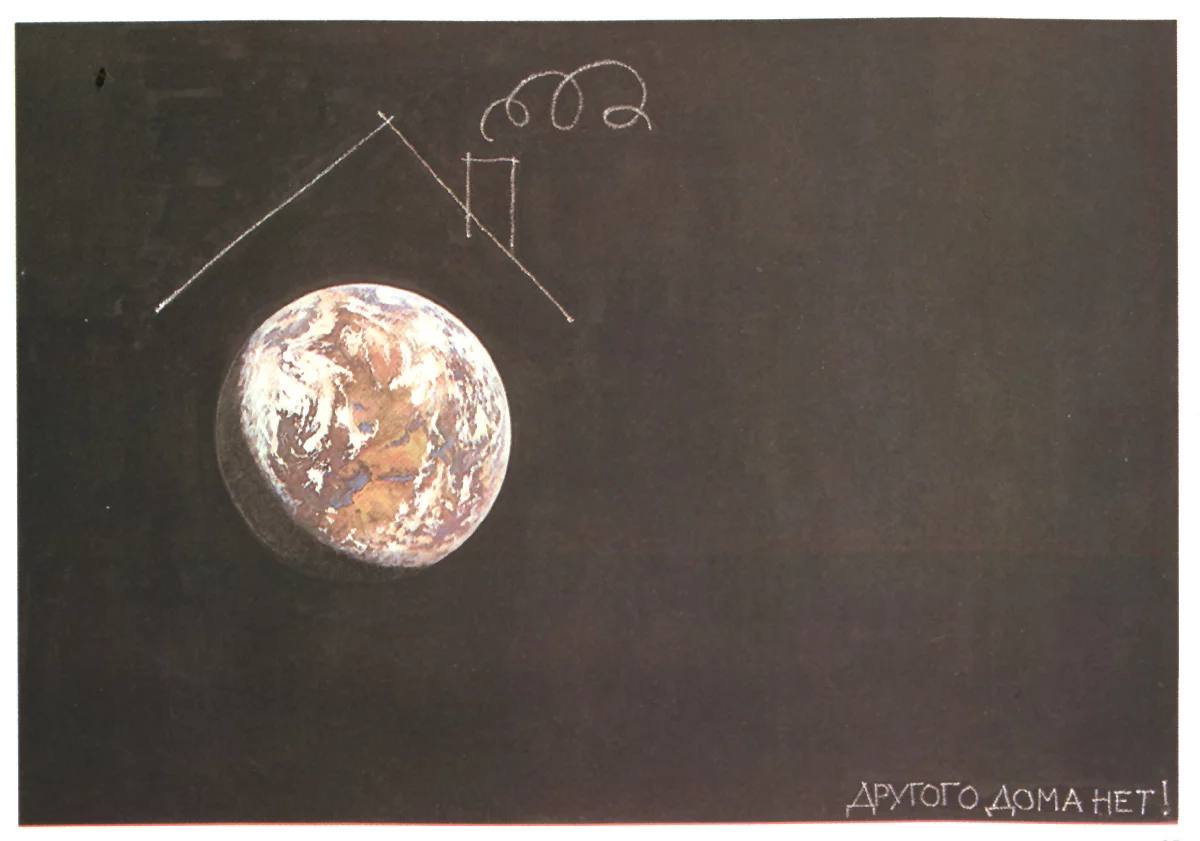
There Is No Other Home! Poster by Boris Rogachevsky, 1986