Friday, 2 October 2026
Section · 1121 stories

Moscow

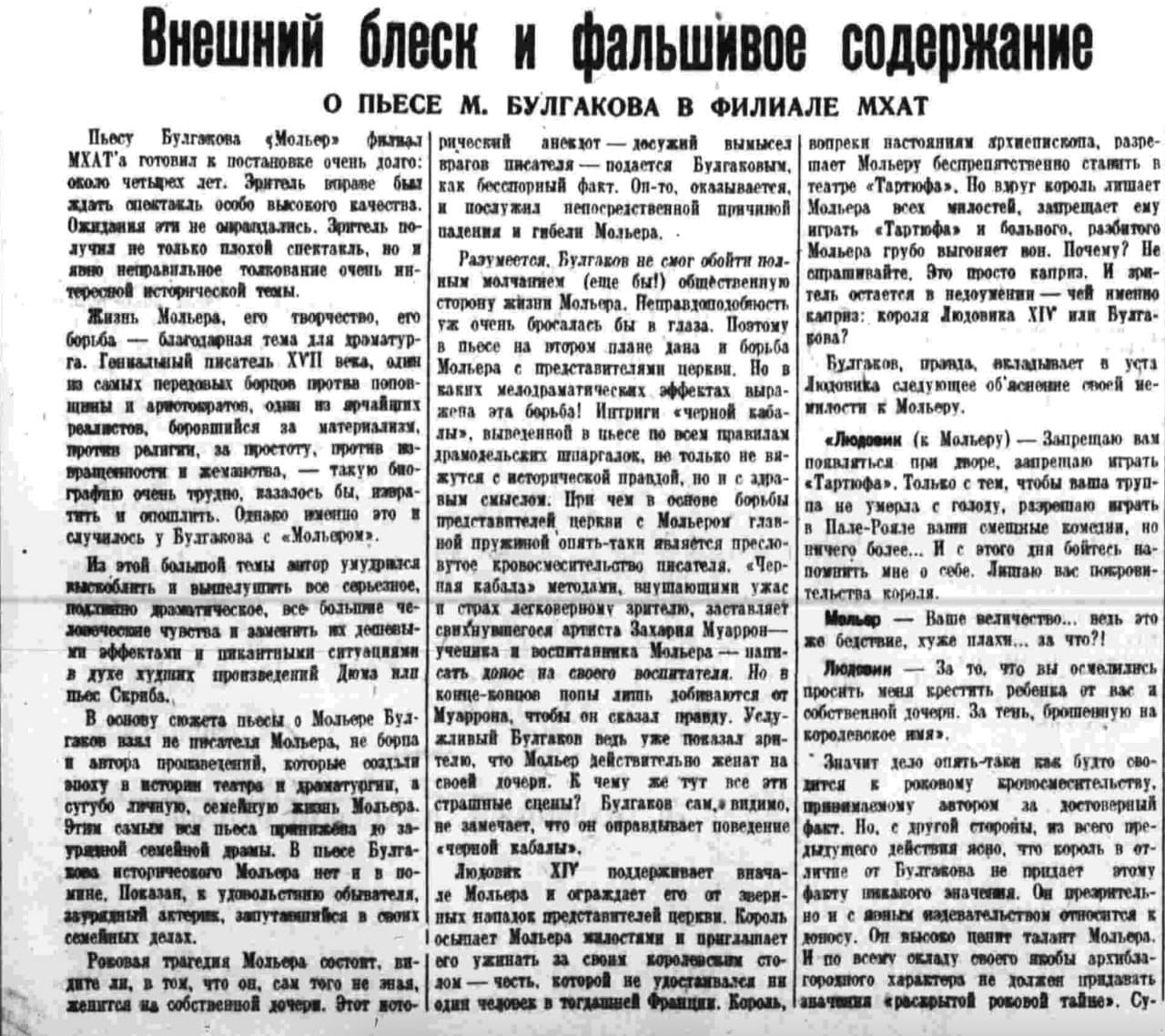
Bulgakov's play "The Cabal of Hypocrites", written in 1929 and devoted to the hardships of Molière's life under the yoke of Louis XIV, was permitted to be staged only after the vigorous intervention of Gorky, after a conversation between the author and St

Archive · In the Press · Books · Monarchies · Moscow · Society

Bulgakov's play "The Cabal of Hypocrites", written in 1929 and devoted to the hardships of Molière's life under the yoke of Louis XIV, was permitted to be staged only after the vigorous intervention of Gorky, after a conversation between the author and St

Rehearsals at the Moscow Art Theatre dragged on, however, and the play reached the stage only in February 1936, to colossal success! But first in "Sovetskoye iskusstvo" and then, barely a week later, in "Pravda", there appeared devastating reviews. I give the text of the "
By Alexandr Radayev

Aristocracy · Interviews · Art · Moscow · Observations · Mores · Society

Digest of posts on history, art and current topics, with a new podcast episode

Since action is sure and inaction false, pray accept the monthly digest of the main pieces published on the channel. 📌 Historical notes 📌 The sword for the harlots: how Joan of Arc restored order in a military camp. 📌 On the finer points of diplomatic etiquette under Ivan the Terrible. 📌 "Sunday:

By Alexandr Radayev
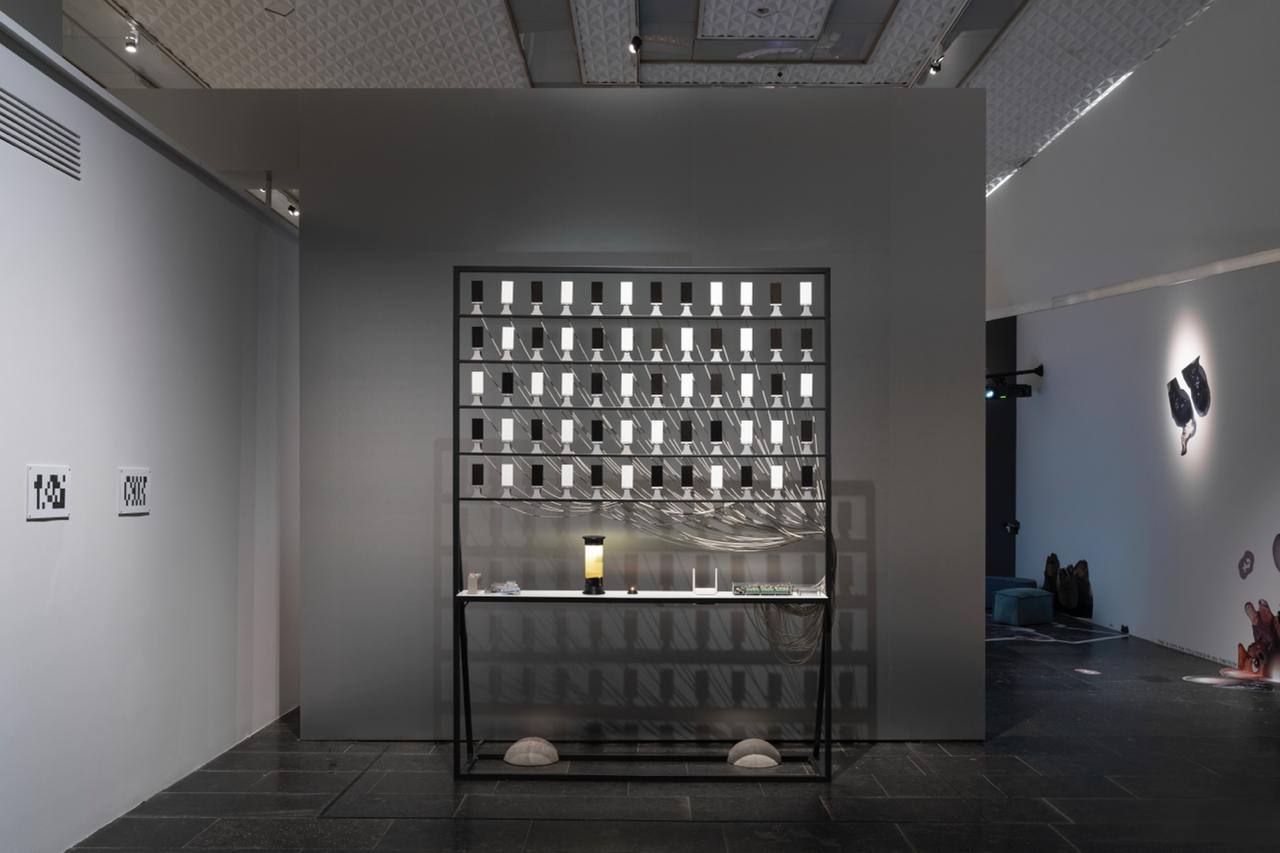
Contemporary philosophers and art theorists are actively discussing the creative output of neural networks and artificial intelligence, from rethinking authorship and the creative process, calling AI a co-author, to debates about the authentic…

Coming Up · Art · Moscow · Museums · Science

Contemporary philosophers and art theorists are actively discussing the creative output of neural networks and artificial intelligence, from rethinking authorship and the creative process, calling AI a co-author, to debates about the authentic…

Most philosophers agree that AI is merely a tool and one of the extensions of the human mind, and art historians, curators and artists are not standing aside from these reflections either. One answer is the exhibition "Humans and Neural Networks: Who Creates Whom?", which opened this week

By Alexandr Radayev