NB! · Aristocracy · Monarchies · Science · Nature

NB! · Aristocracy · Monarchies · Science · Nature
Aristocracy · Monarchies · Observations · People
In royal history I like the heroes of the supporting roles. Gaston d'Orléans (1608-1660), for example, who was called the only brother of the king, Louis XIII. In fact Marie de' Medici had another son, Nicolas, or the prince without a name, who lived for four
NB! · Archive · Monarchies · Observations · People
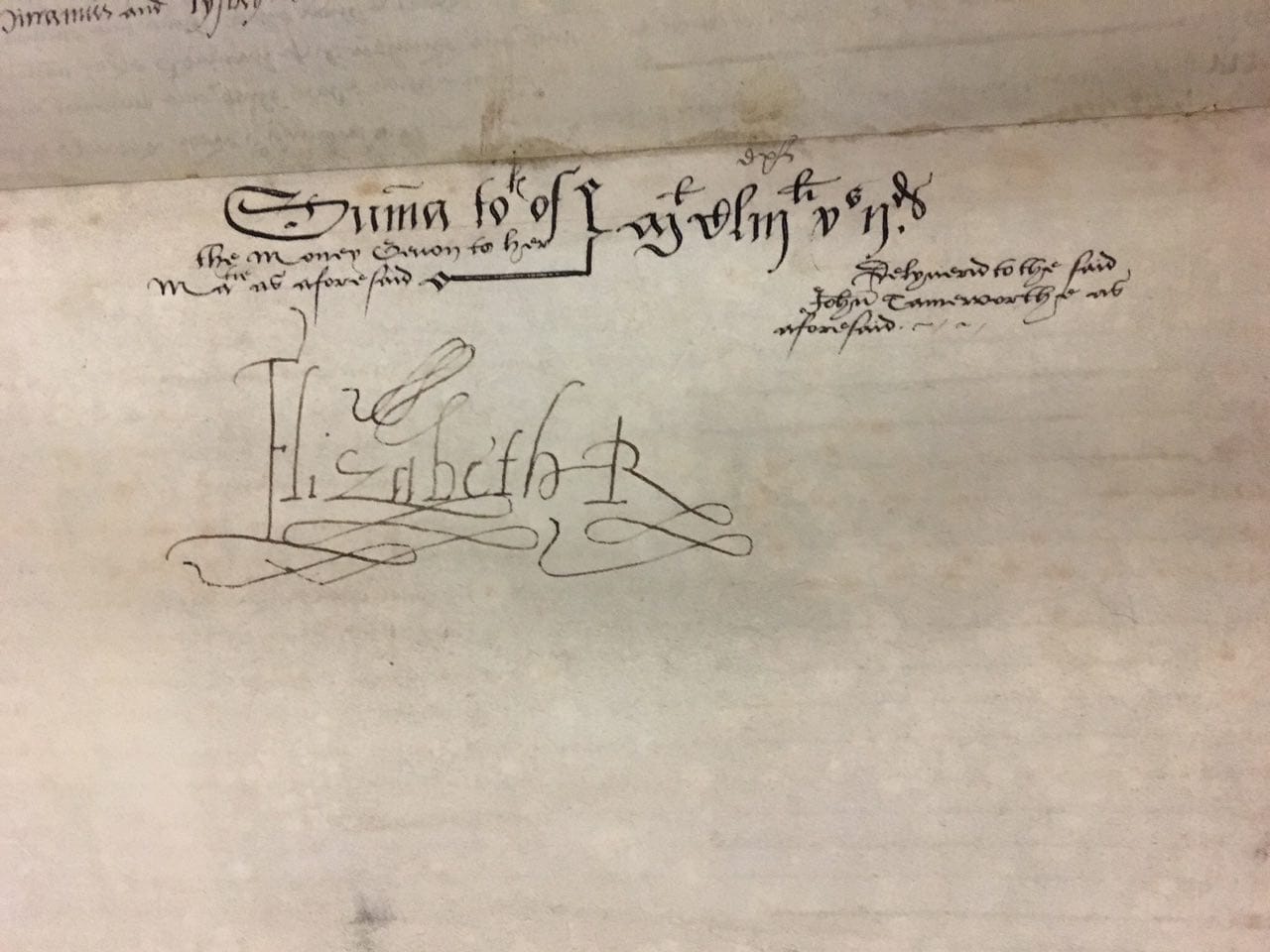
At Woodstock, Elizabeth scratched with a diamond on a window pane: "much suspected by me, nothing proved can be, quoth Elizabeth the prisoner". I have not seen it myself, but this is what the autograph of Elizabeth I looks like
London · Monarchies · People
In 1554 Mary the Bloody sent the twenty-year-old Princess Elizabeth to the Tower on a charge of crimes against the queen. The prisoner's fate was long in the balance, and the partisans of Charles V insisted on an execution. Fortunately, Mary decided otherwise. Two months later
Monarchies · Mores · People
It has been calculated that over his whole life Napoleon was served by some six thousand horses, including those harnessed to the carriages that accompanied him and those ridden by his retinue. Every day he had at his disposal more than a hundred horses, divided into ten brigades, and on
NB! · Monarchies · Museums · People · Nature
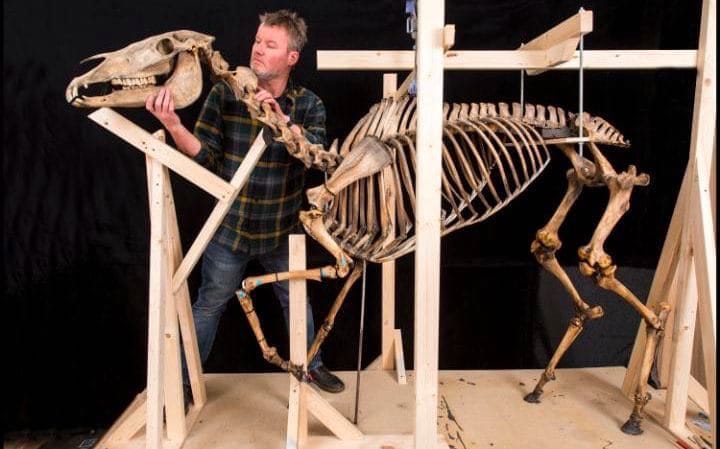
The horse Marengo, on which Napoleon fought at Austerlitz, Jena and Wagram. Napoleon fled Waterloo, leaving behind Marengo, wounded in the leg; the horse was seized and carried off to England as a trophy
NB! · Archive · Architecture · Monarchies · Paris
NB! · Faith · Art · Books · Monarchies · Mores
NB! · Art · Monarchies · Museums · Observations
NB! · Archive · Monarchies · Rome
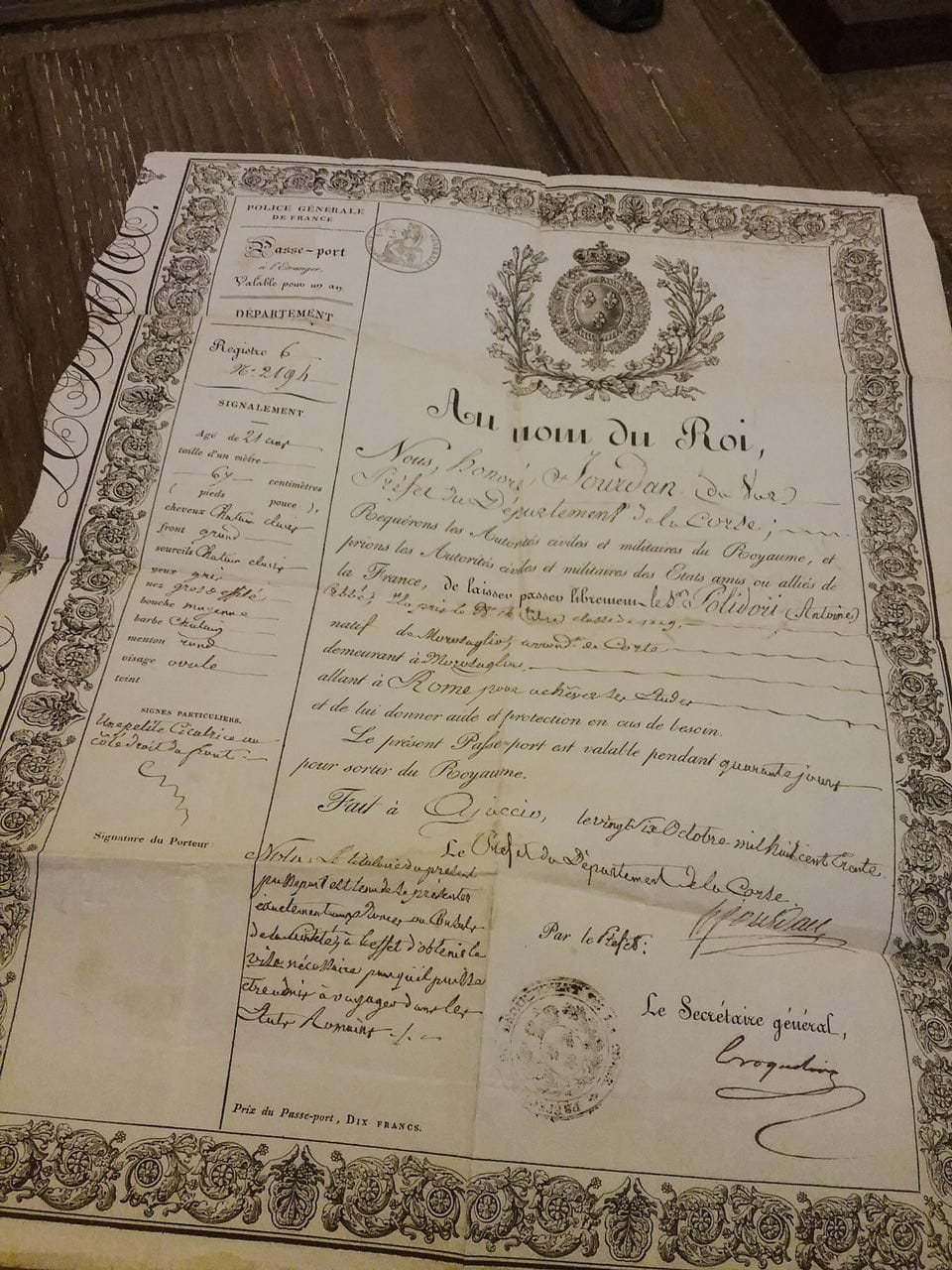
Authentic passport of a Corsican student in Rome, 1830. As is only proper, the king is mentioned in every document
NB! · Monarchies · Observations · Mores · Paris
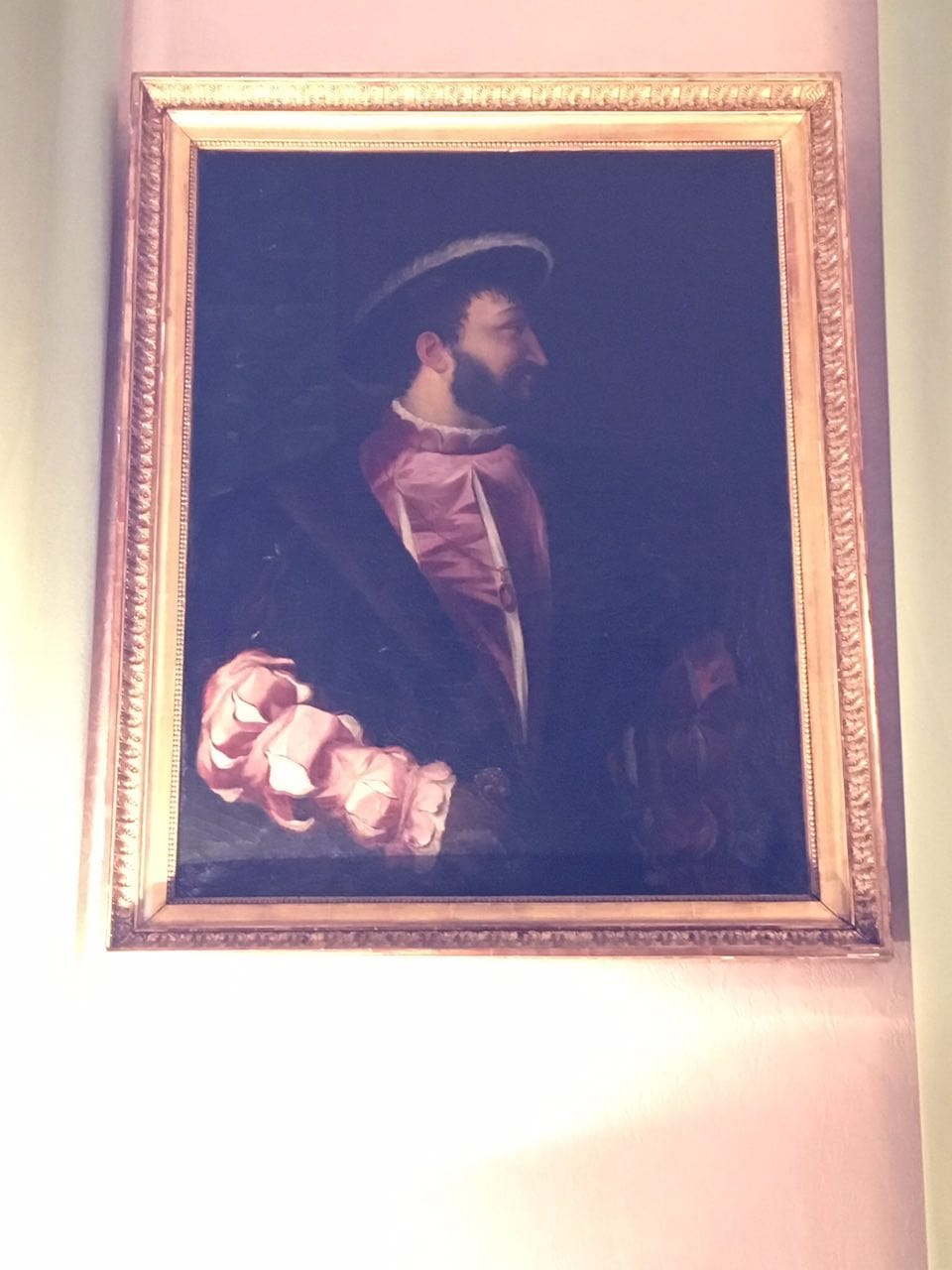
I remember how, at the house of Georges Clemenceau, a lady could not make out who it was with the salamanders. Whereupon I, in short trousers, explained that the salamander is the emblem of Francis I, and that it often lurks in his portraits
Aristocracy · Archive · Monarchies · People
Saxo Grammaticus reports that after Harold's death at the Battle of Hastings, Gytha of Wessex fled to Flanders, then to her uncle, King Sweyn of Denmark, and a few years later married Vladimir Monomakh, Prince of Smolensk. Gytha bore six sons: Mstislav the Great (Prince of Kyiv), Izyaslav