
NB! · Monarchies · Mores · Paris

NB! · Monarchies · Mores · Paris
NB! · Faith · Art · Monarchies · Museums
NB! · Monarchies · Observations · Humour
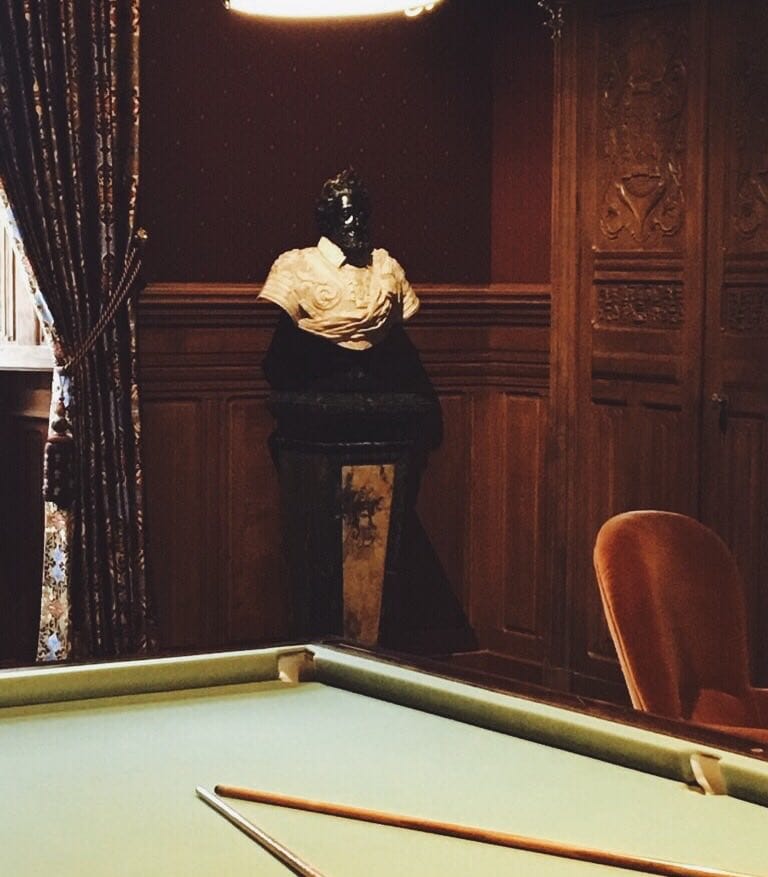
There is a rule: if you cannot play billiards, you must at least be able to hold up your end of a conversation about Henri IV, whose bust stands in the billiard room. The Bourbon, naturally
NB! · Archive · Faith · Books · Monarchies · Humour
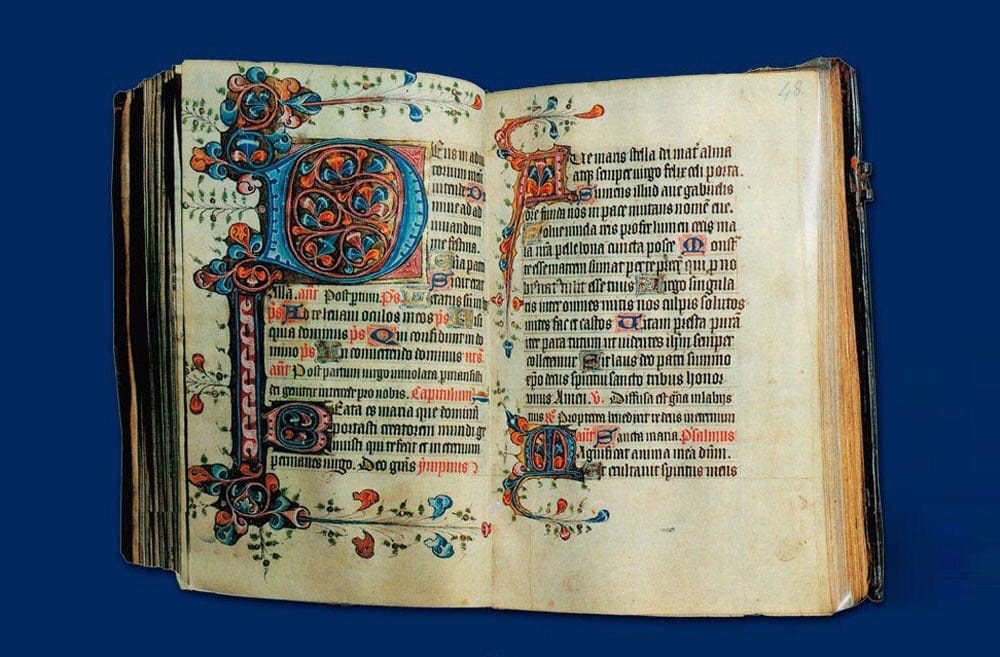
The personal Book of Hours of Richard III, with annotations and entries made in his own hand. Fifteenth century: no gentleman of breeding can imagine himself without a book, even if it be a devotional one. Well, this attachment is no worse than an iPhone
NB! · Monarchies · Observations
NB! · Archive · Monarchies · Mores · People
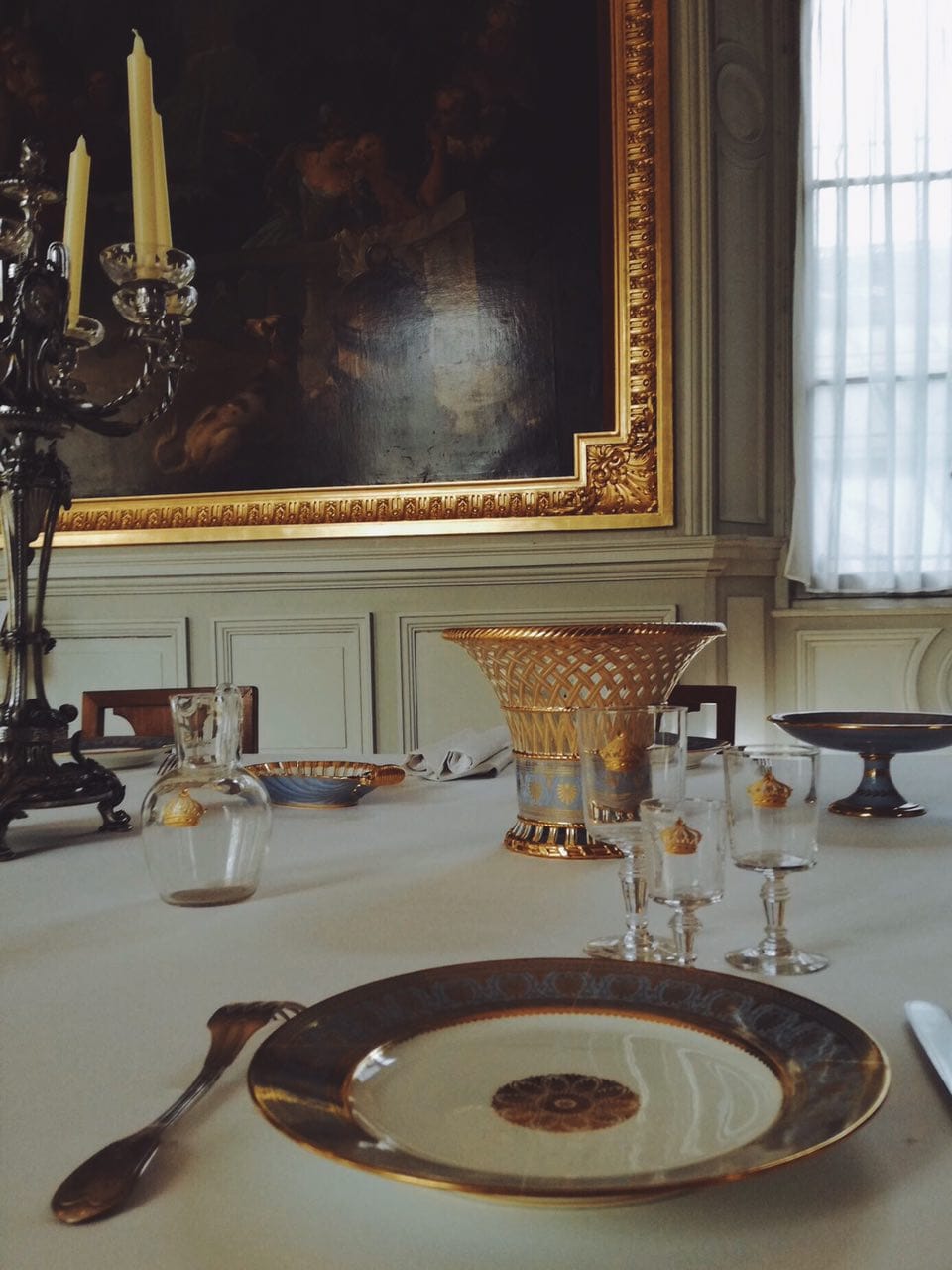
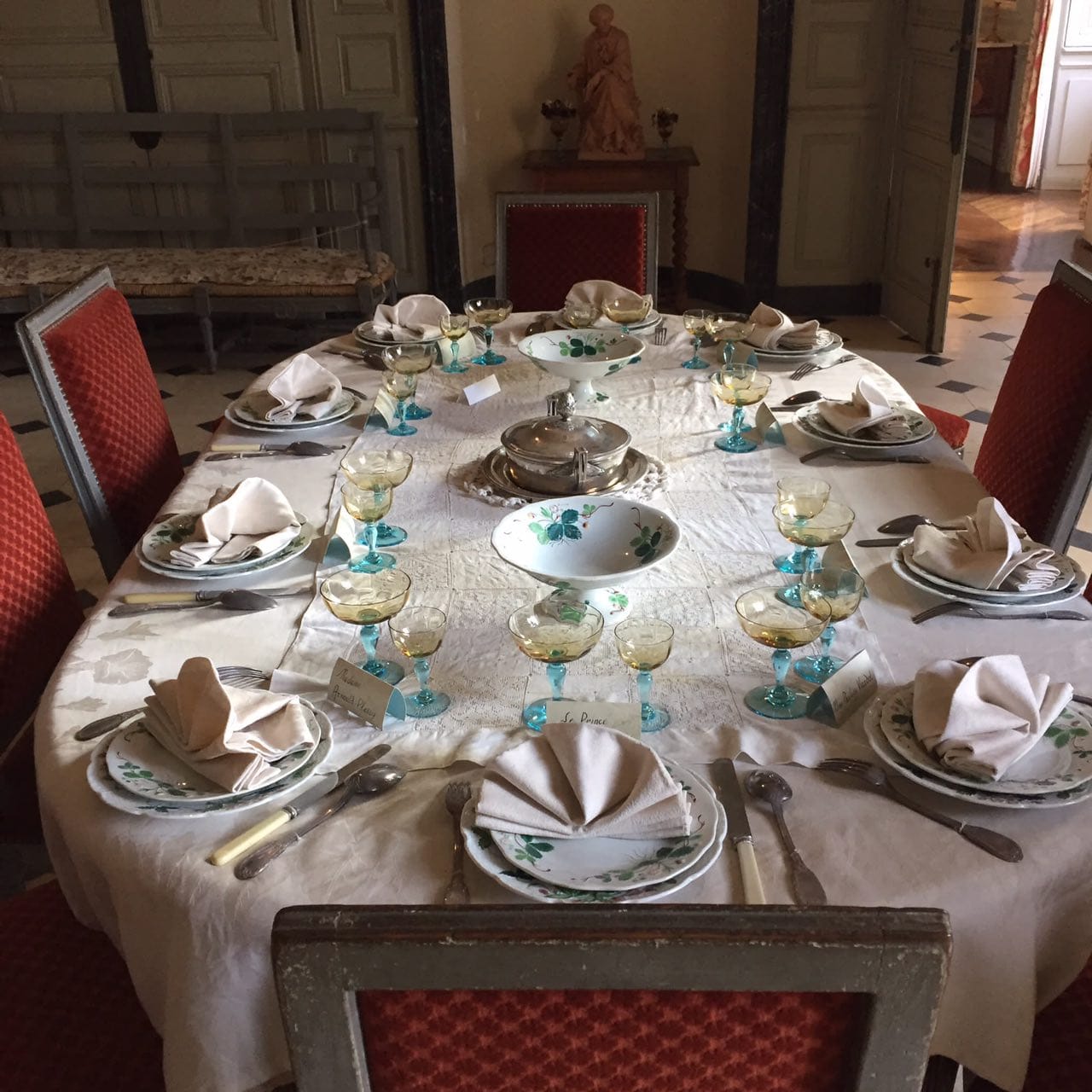
The table is laid for ten: George Sand receives her guests. In this photograph you can make out that the head of the table is reserved for a certain Prince. Know, then, that the place card reads 'Le Prince Jérôme Napoléon'
NB! · Monarchies · Observations · Humour
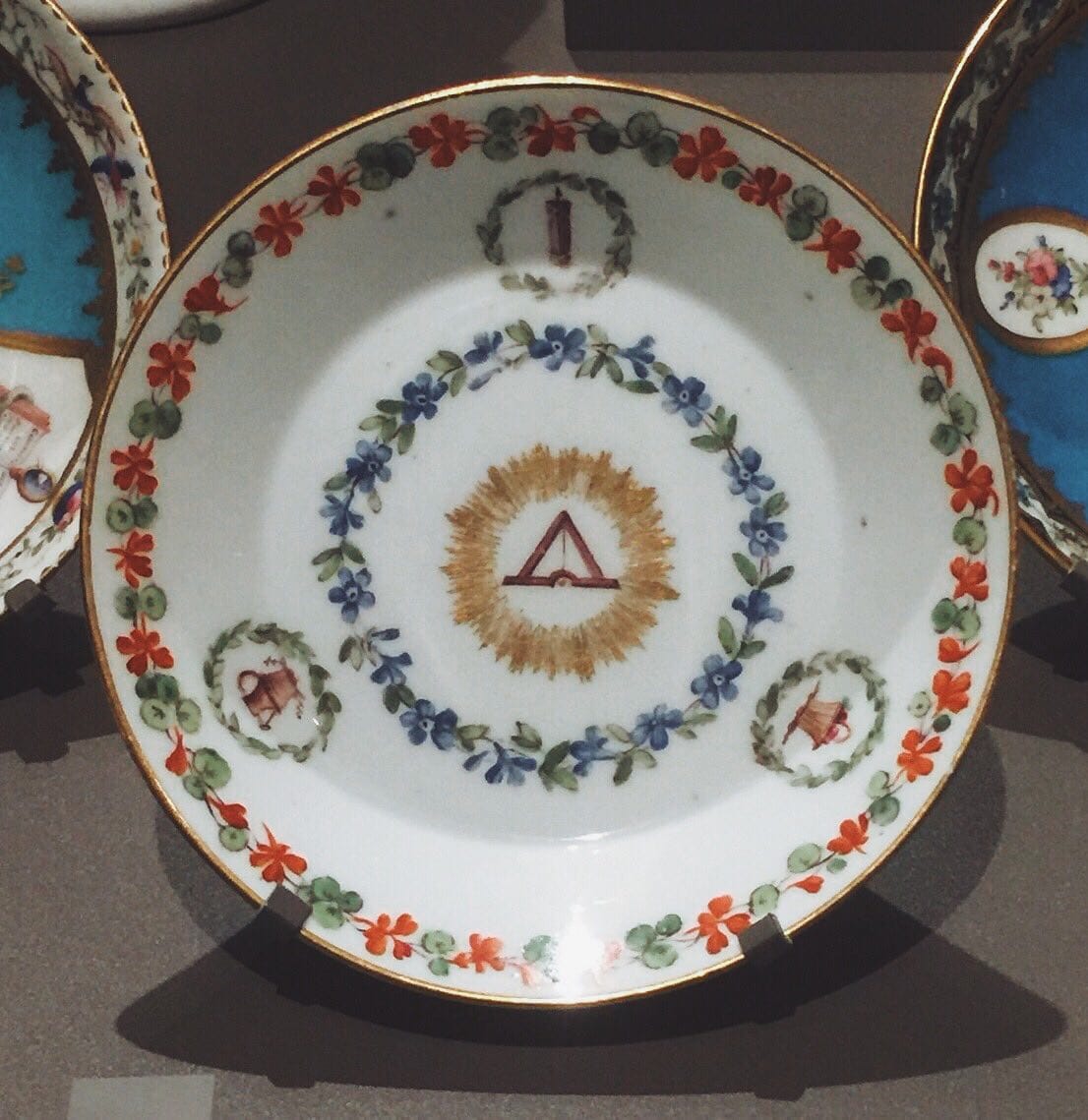
No sooner had I got rid of my collection of porcelain with monarchical symbols than I began eyeing plates with Masonic ones. Somebody hold me back
Monarchies · Observations · Heritage · Mores · Humour
Speaking of parks, when I think of Louis XV, what comes to my mind is his boarding house of harlots, which was called the Parc-aux-Cerfs (the Deer Park), after its location, not far from Versailles. Louis was altogether a dreadful whoremonger and was constantly unfaithful to his wife,
NB! · Archive · Monarchies · Heritage
Aristocracy · Faith · Geography · Monarchies
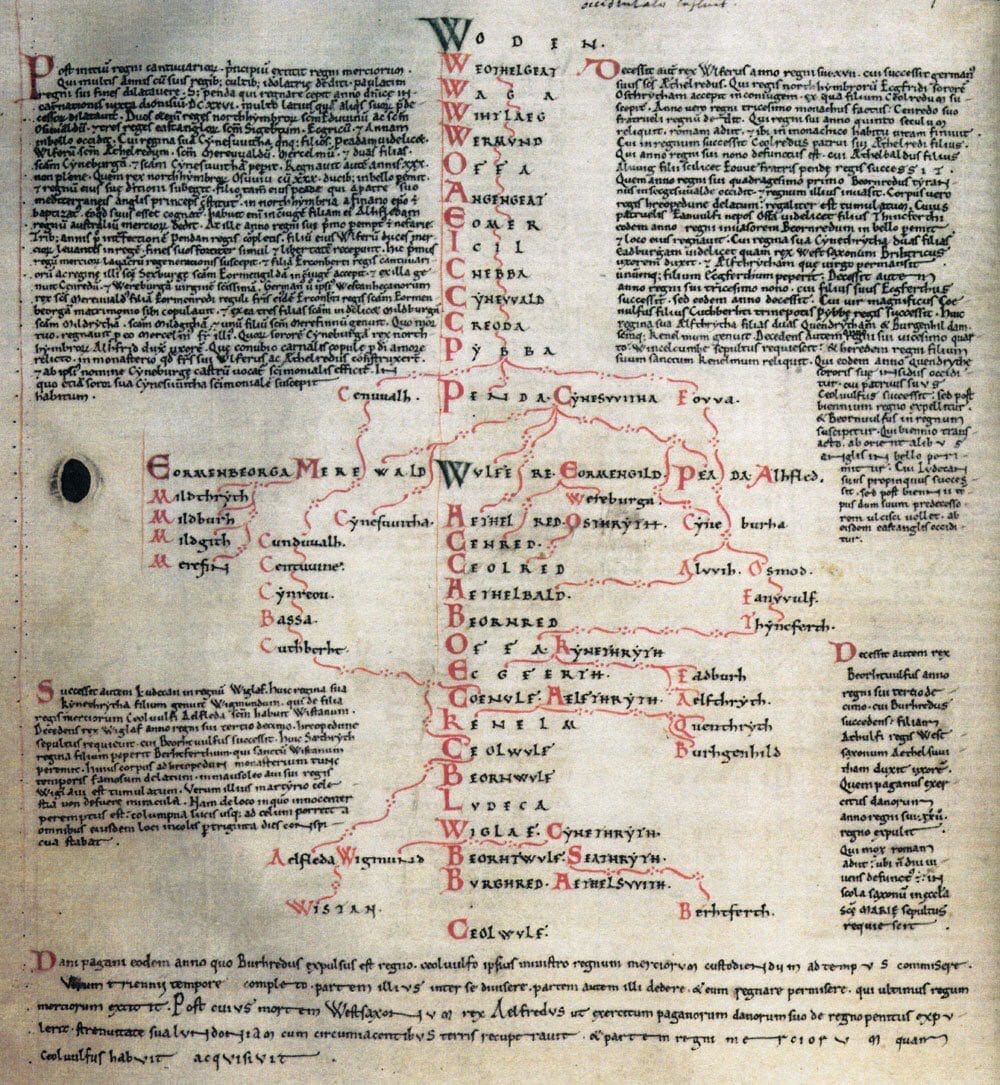
In the late tenth century England found itself in a very precarious position, aggravated by the unceasing raids of the Vikings. By 1016, fifty years before the Norman Conquest, it had been wholly conquered by the Vikings. After the Danish conquest, Cnut of the House of Knýtlinga, son of the
Monarchies · Mores · People
On 9 February 1450 Agnès Sorel died of puerperal infection. But a rumour was put about at once that she had been poisoned, and the poisoner was named as Jacques Cœur. Which is odd, since Agnès was the patroness of the royal financier: she secured him good commissions and shielded
NB! · Monarchies · Mores · People
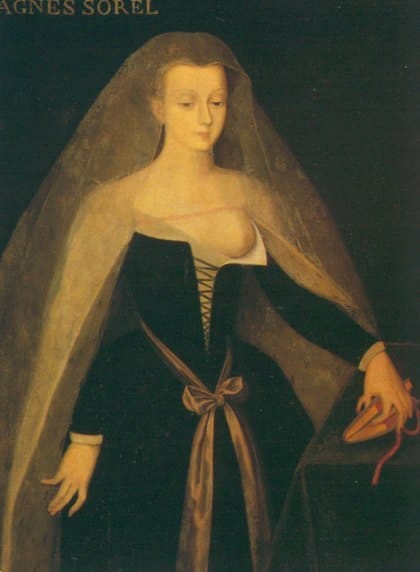
The low-born courtesan Agnès Sorel was called a common whore, yet even Pope Callixtus III remarked on her extraordinary beauty. She went about in frank attire, bared one breast and twisted Charles VII round her little finger