NB! · Archive · Geography · Books · Nature

NB! · Archive · Geography · Books · Nature
NB! · Geography · Rome
Geography · Maps · Science
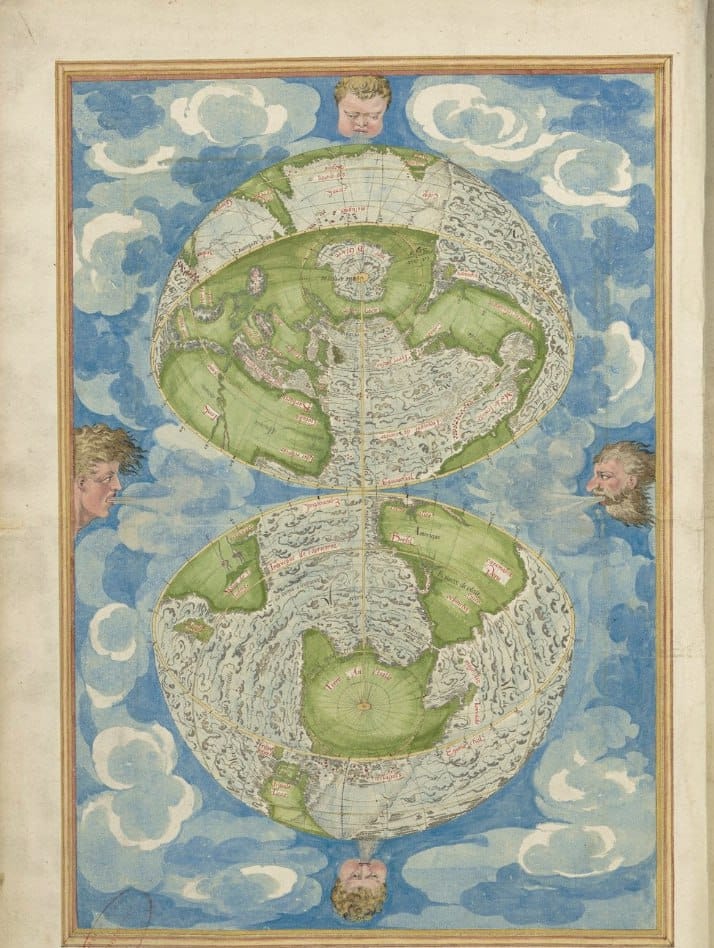
Antarctica has appeared on maps of the world since the time of Ptolemy, mostly labelled Terra Australis Incognita. It is there, too, on this world map by Guillaume Le Testu of 1555, drawn in different projections, which records the Strait of Magellan, by then surely well known. From the seventeenth
NB! · Geography · Nature
NB! · Geography · Observations · Science · Humour
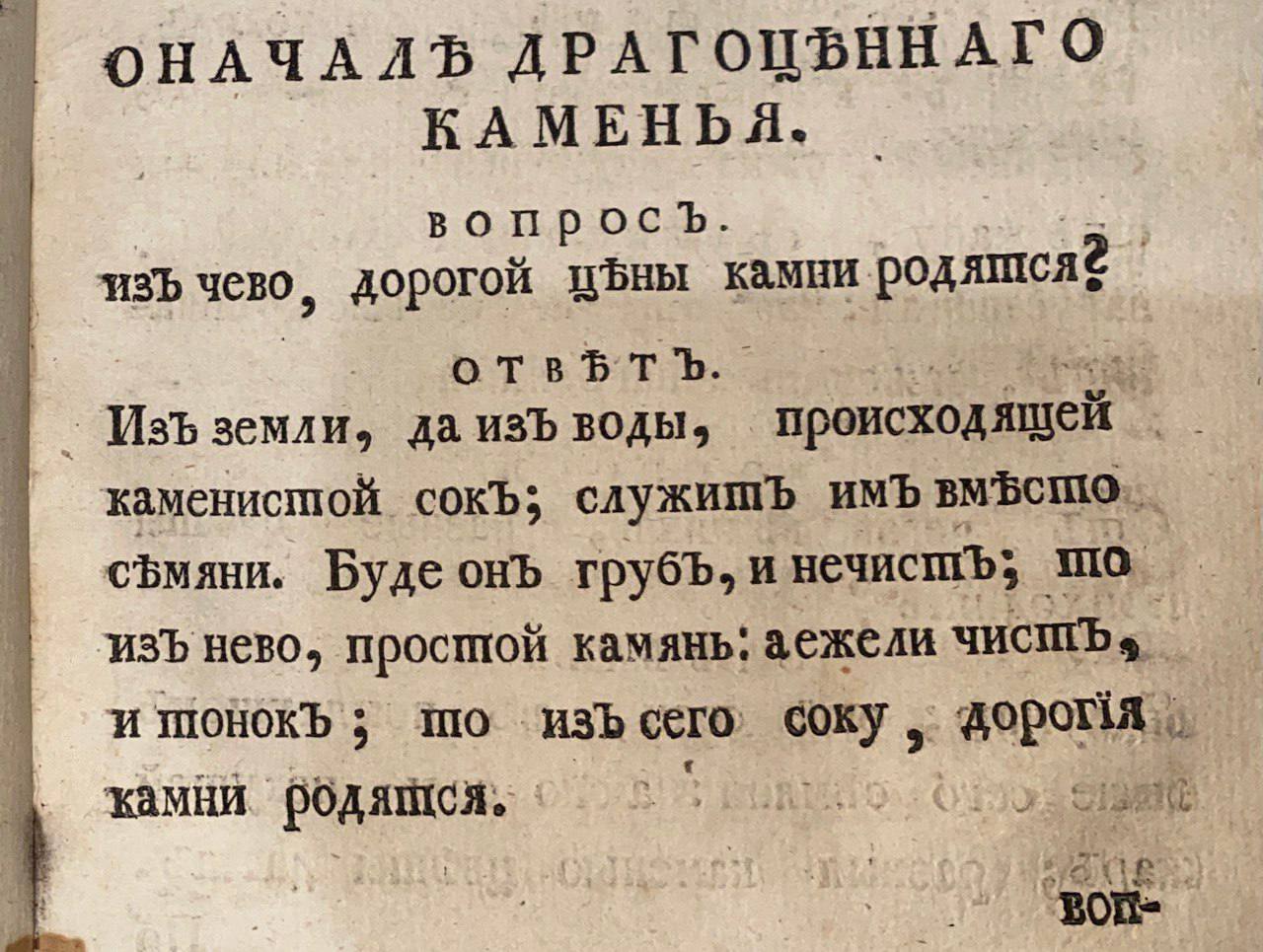
Geological ideas of the sixteenth century: pure and subtle stony juice from earth and water engenders stones of great price, while coarse and impure juice yields plain stones. It turns out that with stones it is almost as it is with people.
Geography · Art
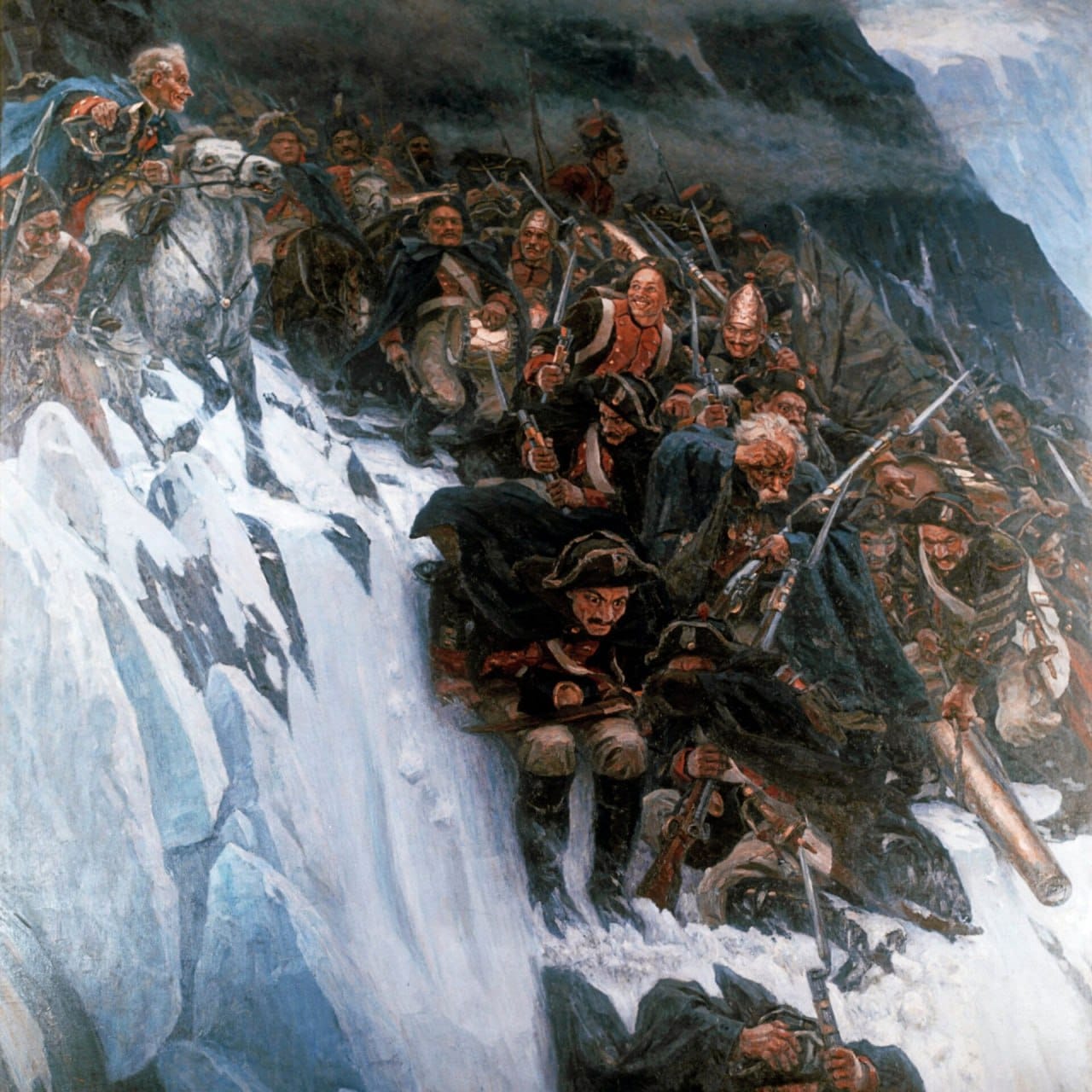
Napoleon Crossing the Great St Bernard Pass, Edmond Marie Félix de Boisléconte, 1908. Three commanders are known to have crossed the Alps: Hannibal, Napoleon and Suvorov. Napoleon made the crossing twice: in 1796 and in 1800. Suvorov did so in 1799.
Geography · London · Moscow · Society
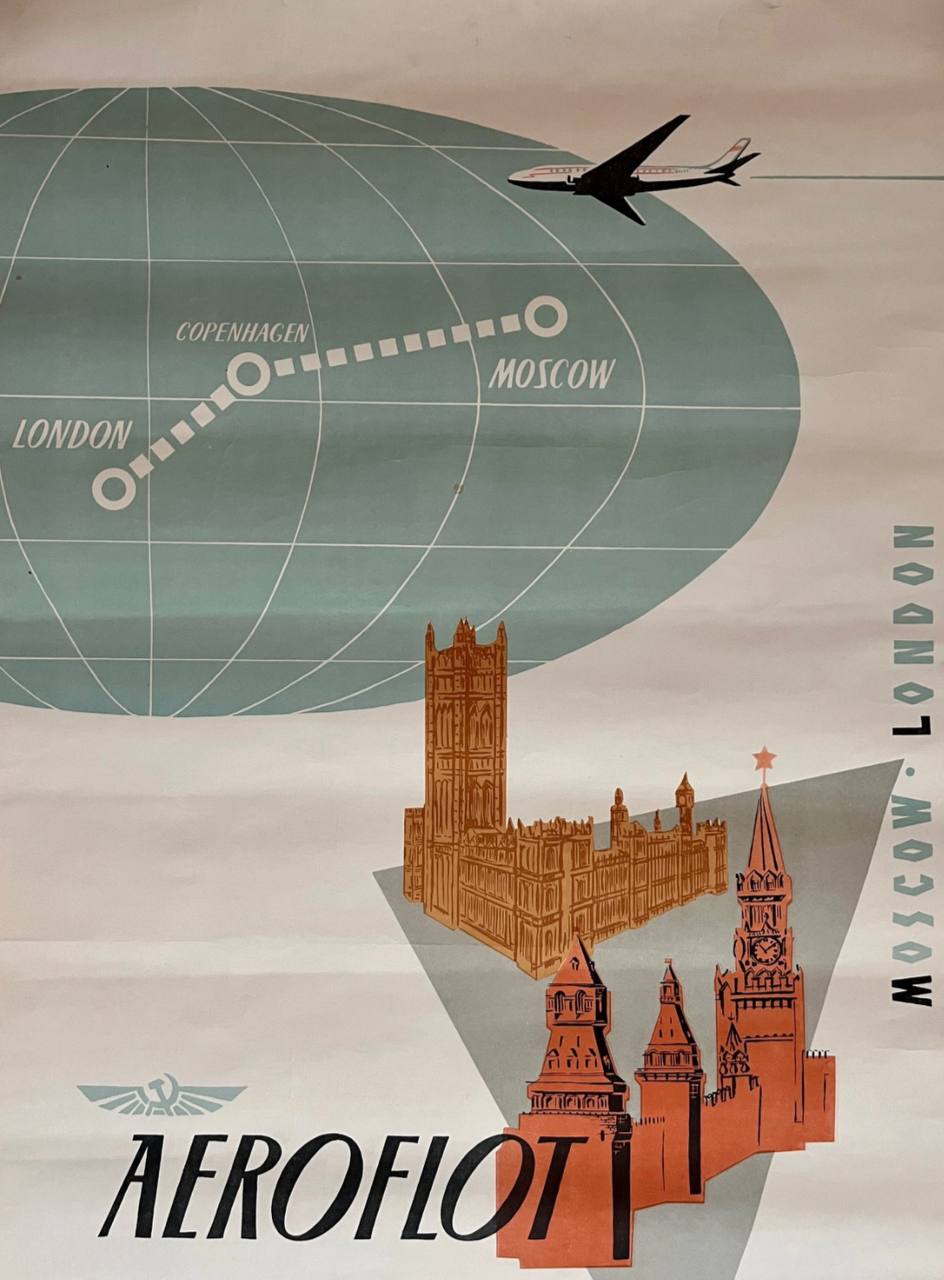
The first flight from London to Moscow and from Moscow to London took place in May 1959. The British side assigned a Vickers 806 Viscount, G-AOYS, to the service, the Soviet side a Tu-104A of Aeroflot. The route included a stopover in Copenhagen, and the journey time with
Architecture · Geography · Heritage
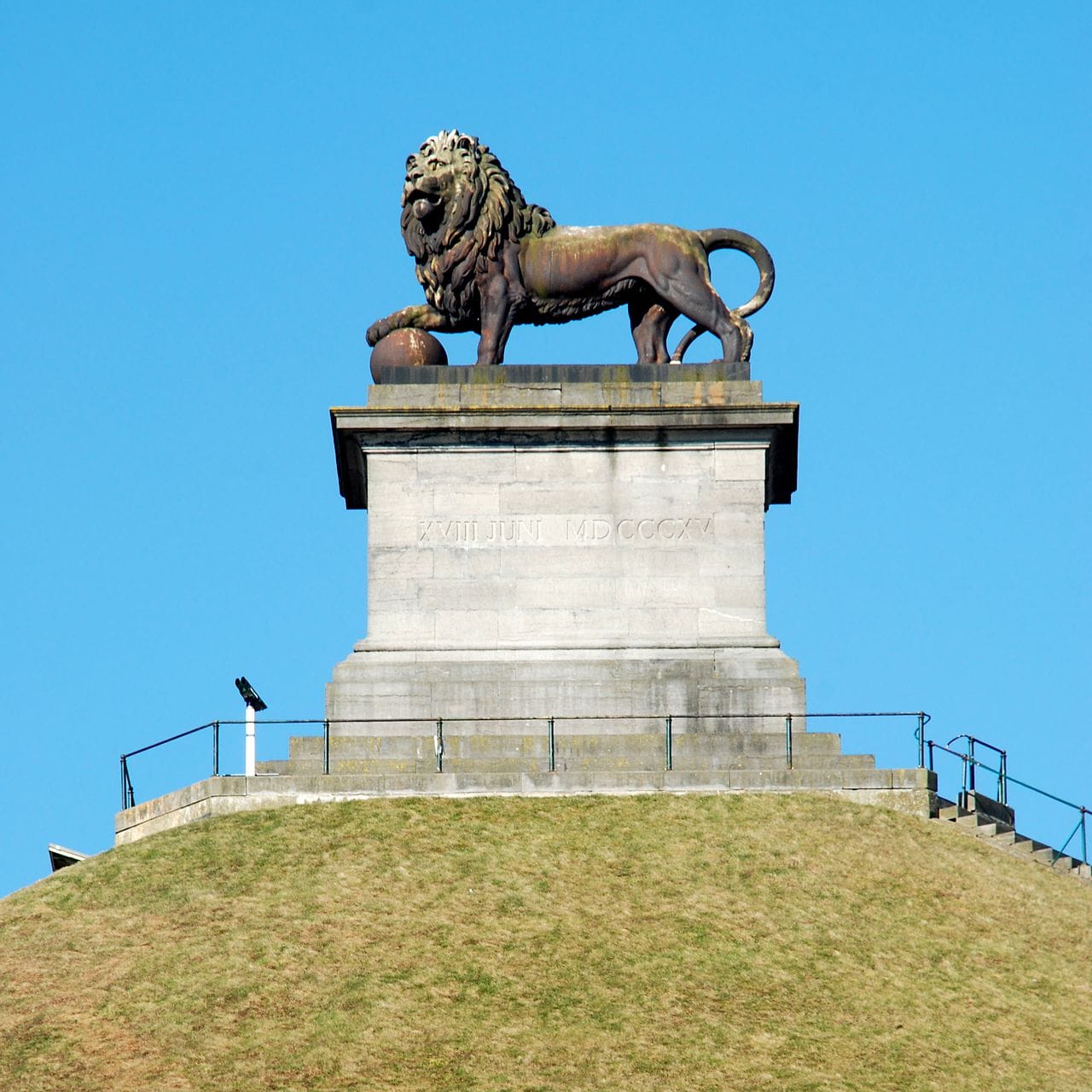
The Lion's Mound, or Butte du Lion, is a 52-metre monument to the Battle of Waterloo, begun in 1820 and completed in 1826. To build the 40-metre mound, earth was brought in from various parts of the battlefield, and on its summit a 4-metre lion
Geography · Maps · Science · Society
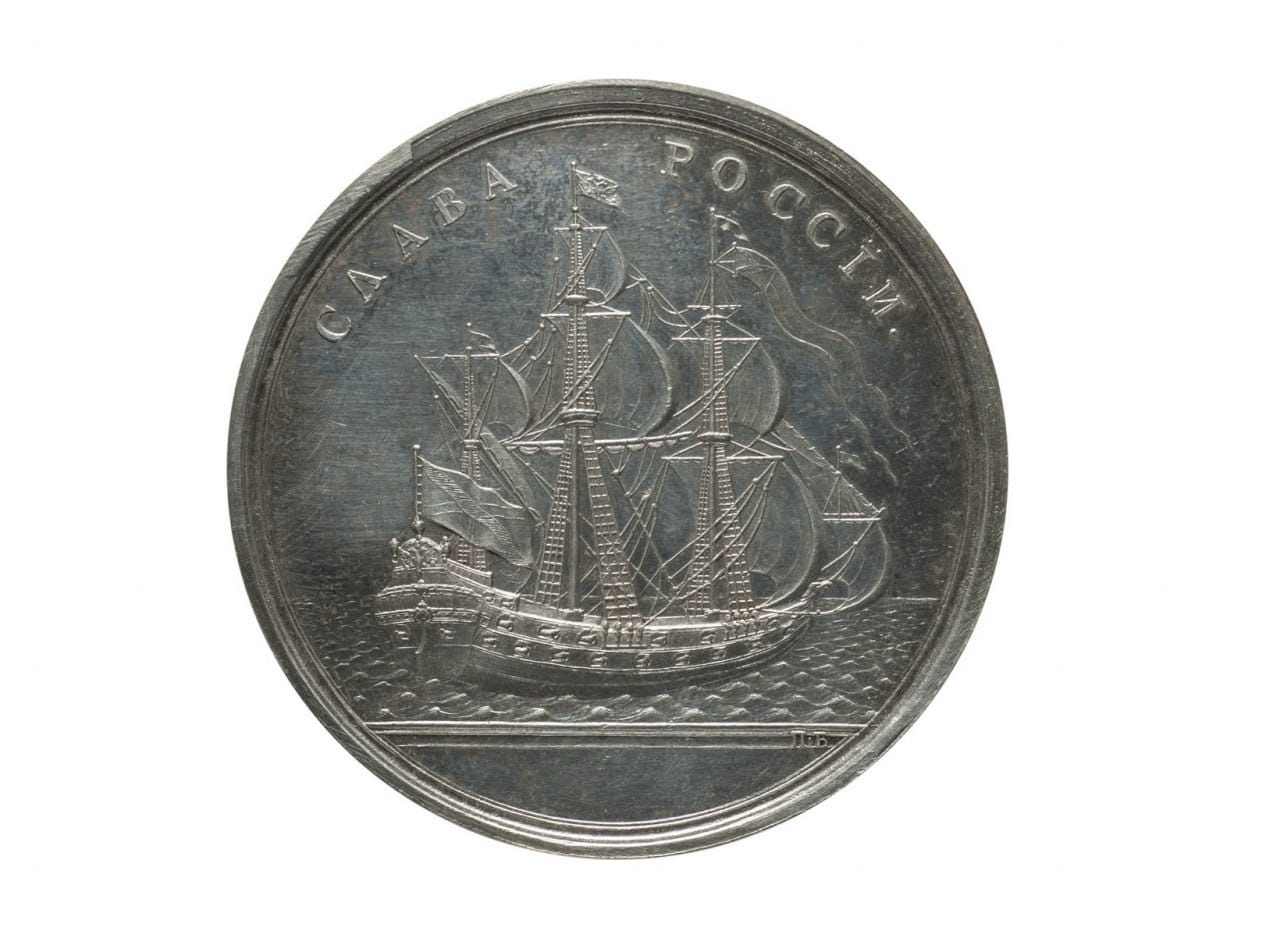
The "Glory of Russia" Medal Instituted by Catherine the Great Is Linked to the First Russian Circumnavigation. The expedition was conceived "on the occasion of the attempt by English trading entrepreneurs upon the conduct of trade and the hunting of beasts in the Eastern Sea" and
NB! · Archive · Geography
Architecture · Geography · Observations
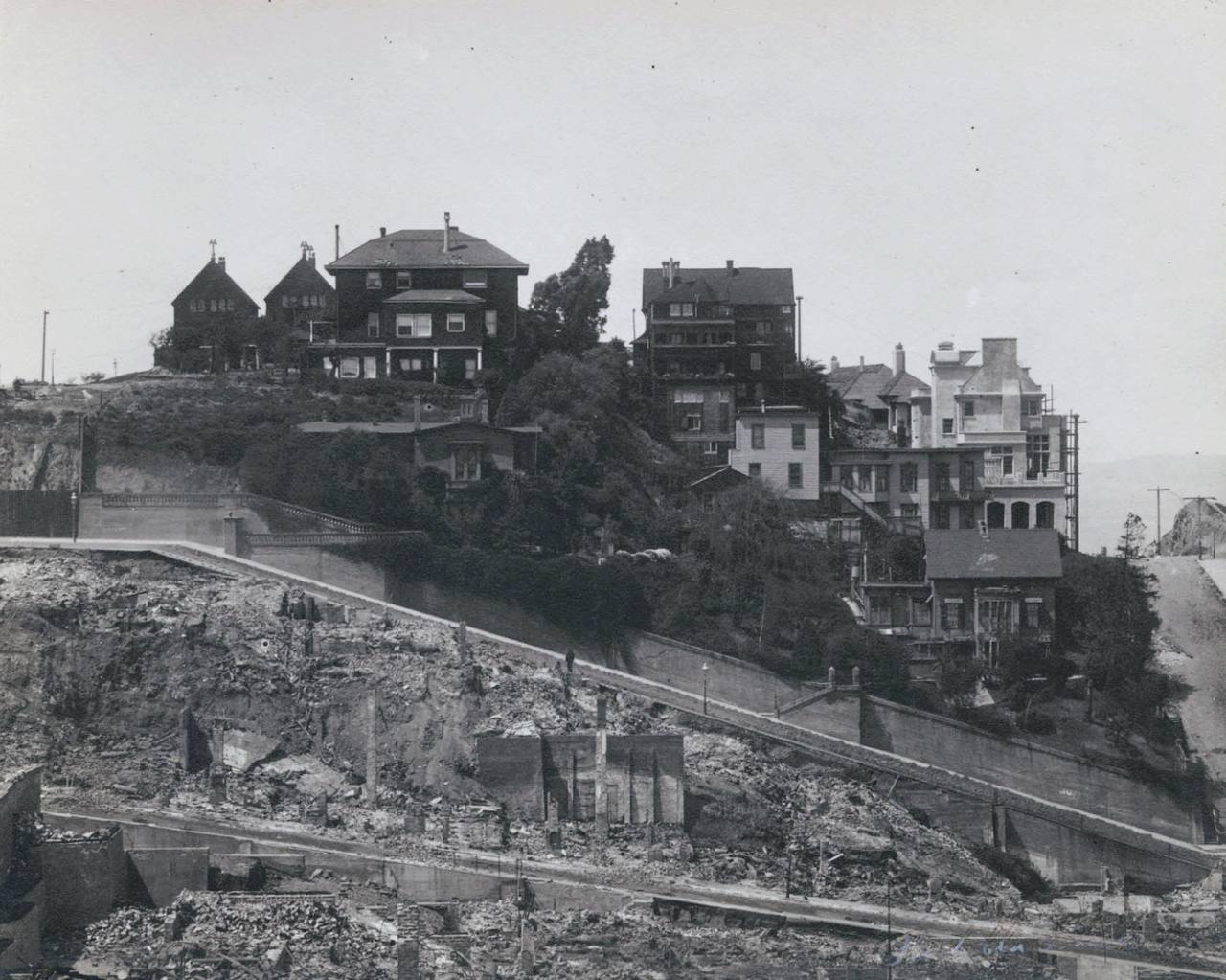
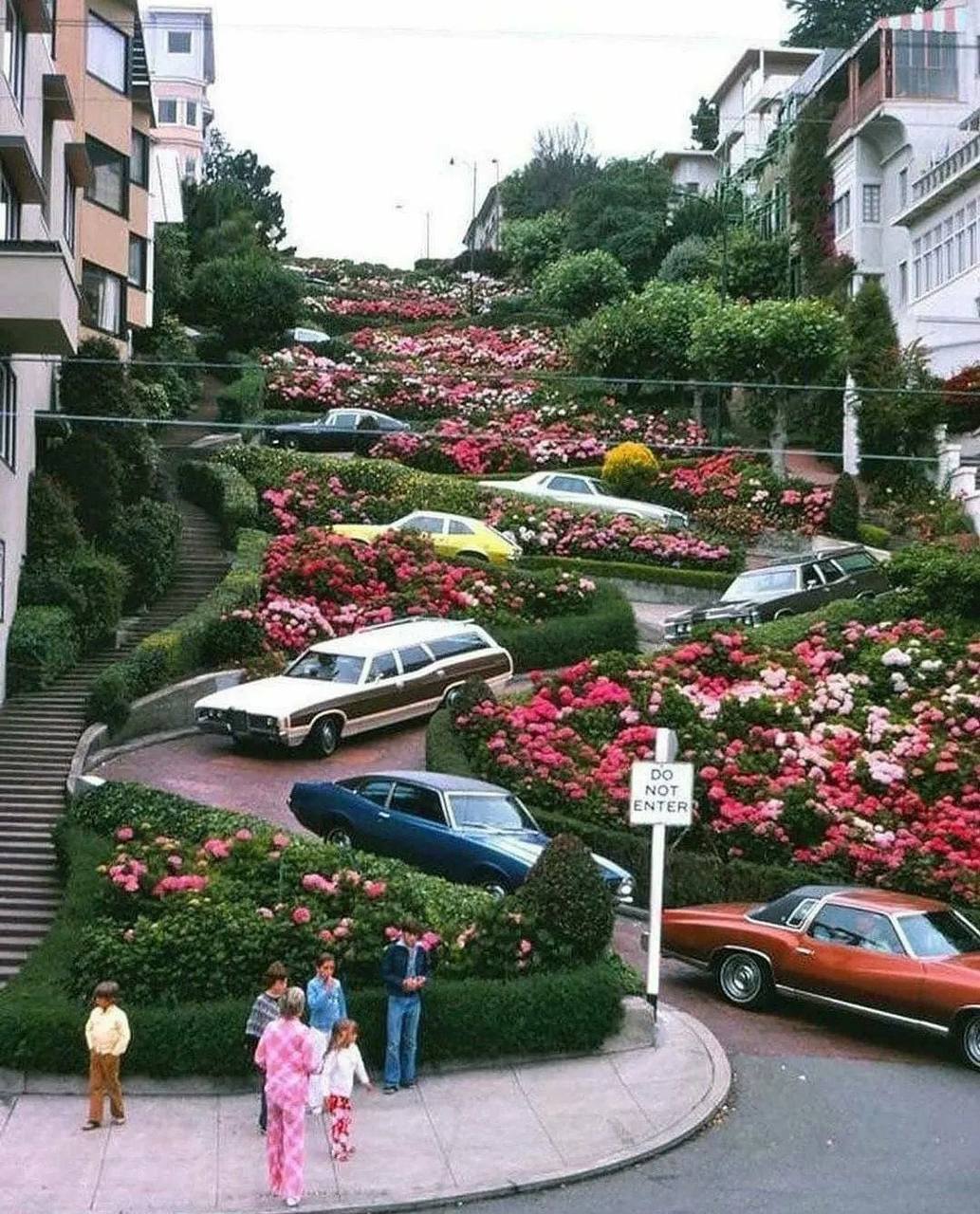
The street descends from Russian Hill, a city hill named Russian Hill because of an old Russian cemetery on its summit. The cemetery dated from the time of Russian colonisation of America; buried here were Russian merchants, sailors and soldiers from Fort Ross (known to the Americans as Fort Ross)
Geography · Art · Science · Humour
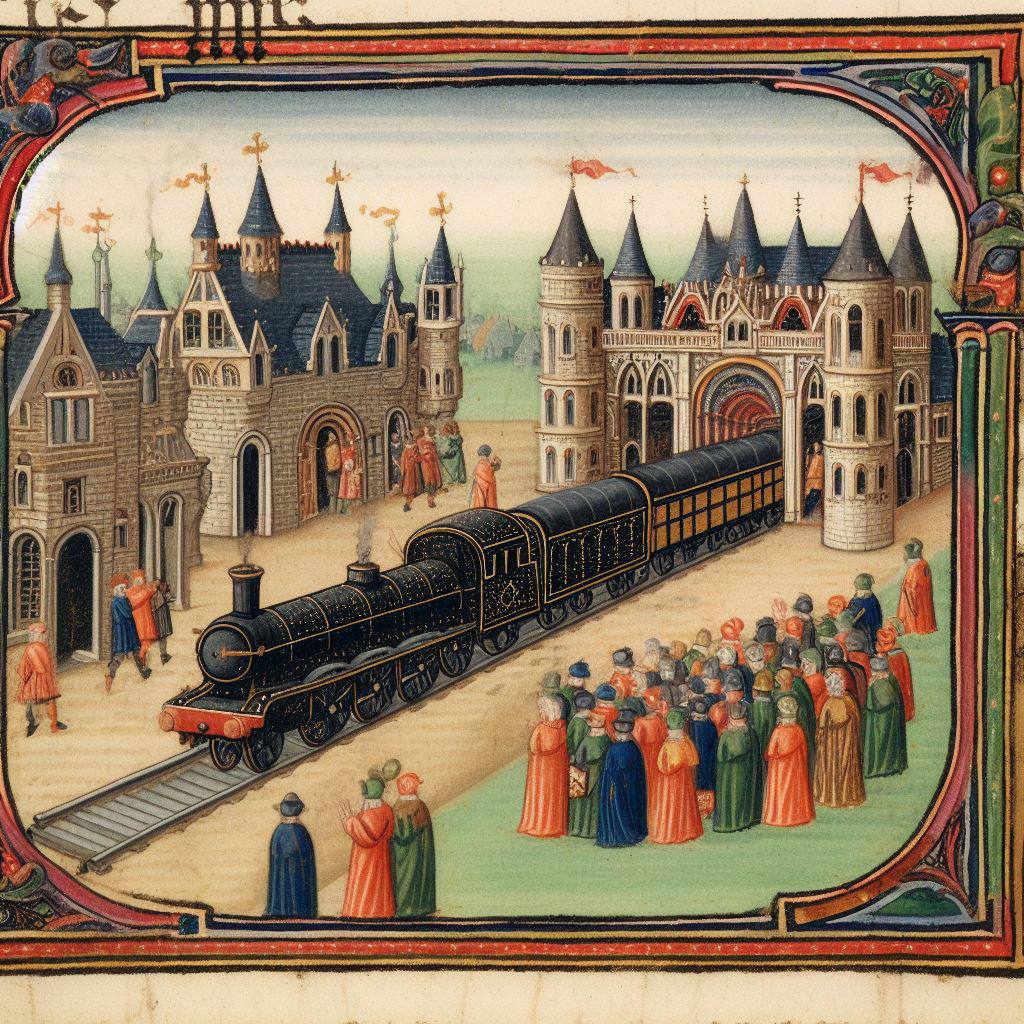
Artificial Intelligence Imagines How Medieval Miniatures Would Look Had They Depicted Trains. A reminder that the first steam locomotive was built in 1803