NB! · Art · Observations · Mores · Ethnography

NB! · Art · Observations · Mores · Ethnography
Art · People · Ethnography
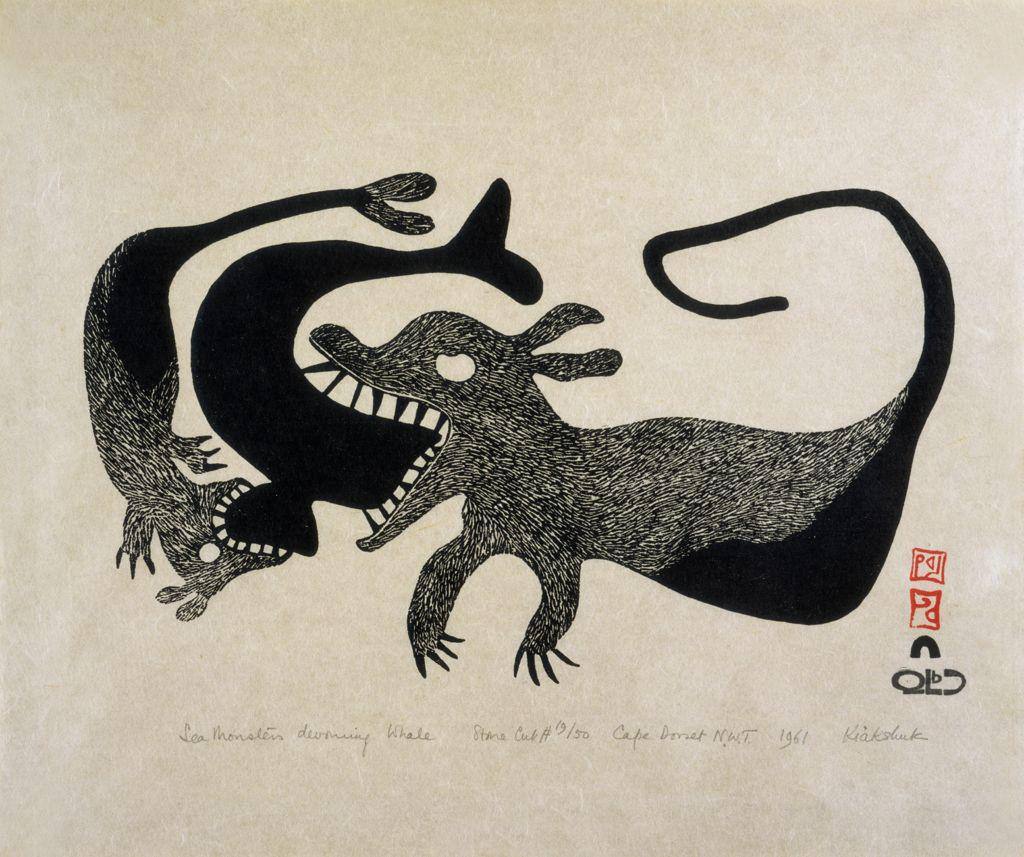
Sea Monsters Devouring a Whale, 1961. A print after a drawing by Kiakshuk, an Inuit artist who was 75 at the time, had first turned to art at the age of 60, and had lived by hunting alone until then. The stone-cut print was made by his son Lukta
Archive · Ethnography
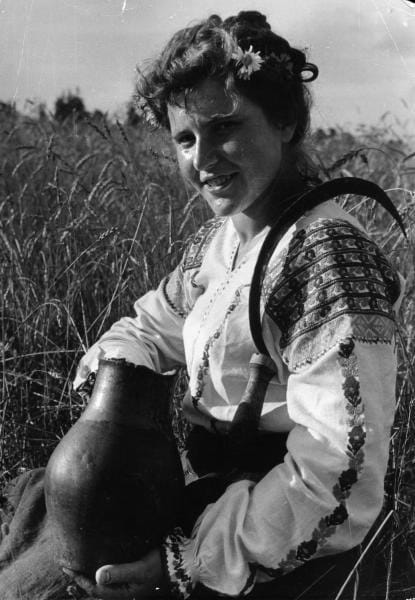
A Belarusian Beauty in the Field. Komintern Collective Farm, Mogilev Region, 1950s
London · Monarchies · Society · Ethnography
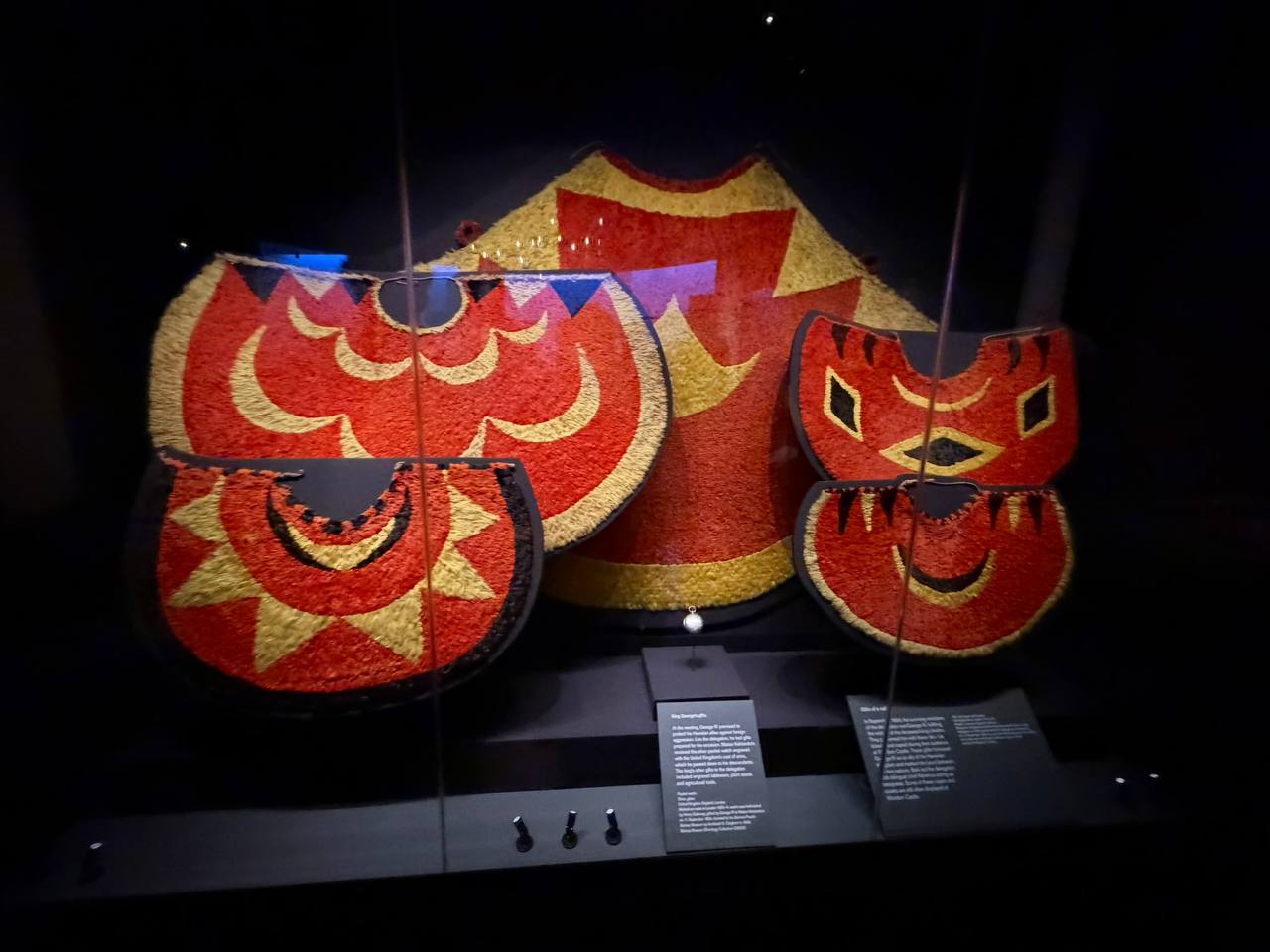
In 1824 the King and Queen of Hawaii, Kamehameha II and Kamamalu, visited Britain. The second ruler of the islands, Kamehameha, like his father, the founder of the kingdom, relied on the might of British and American arms, particularly in view of the revolts that kept flaring up against him.
Archive · Observations · Mores · Ethnography
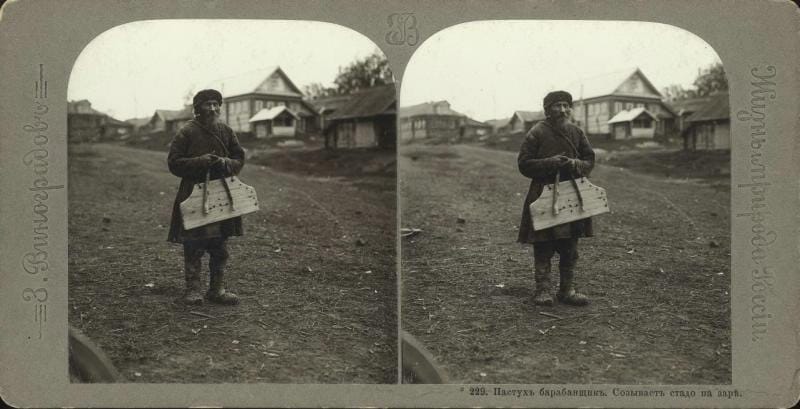
A drummer-shepherd calls the herd at dawn in a photograph of 1910-11 by Zakhar Vinogradov, from the series “In the Lands Beyond the Volga and Along the Vetluga”. The historic photograph captures a shepherd summoning the herd at dawn with the help of traditional Russian wooden instruments, the
Faith · Madrid · Society · Nature · Ethnography
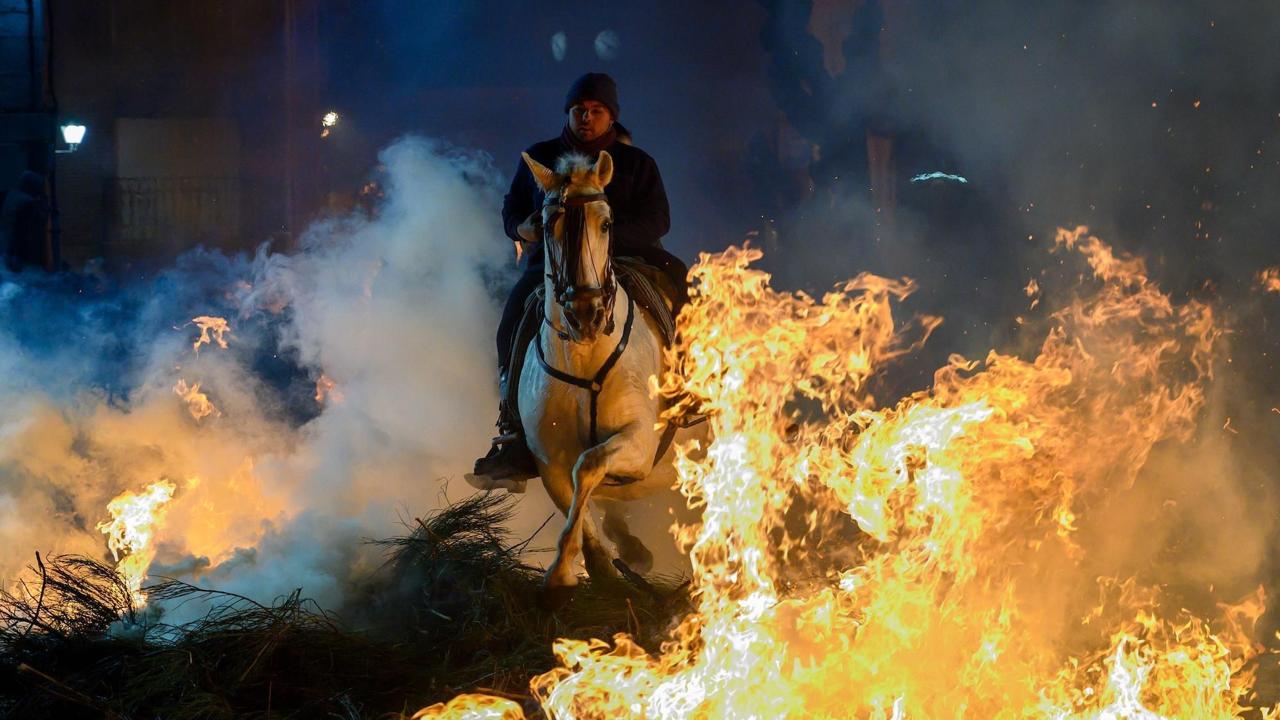
Last Saturday Spain held festivities marking the feast of Saint Anthony the Great, patron saint of domestic animals. Near Madrid, in the village of San Bartolomé de Pinares, which has a population of about 500, the rite of Las Luminarias has been held every year for centuries. Riders lead their
Faith · Ethnography
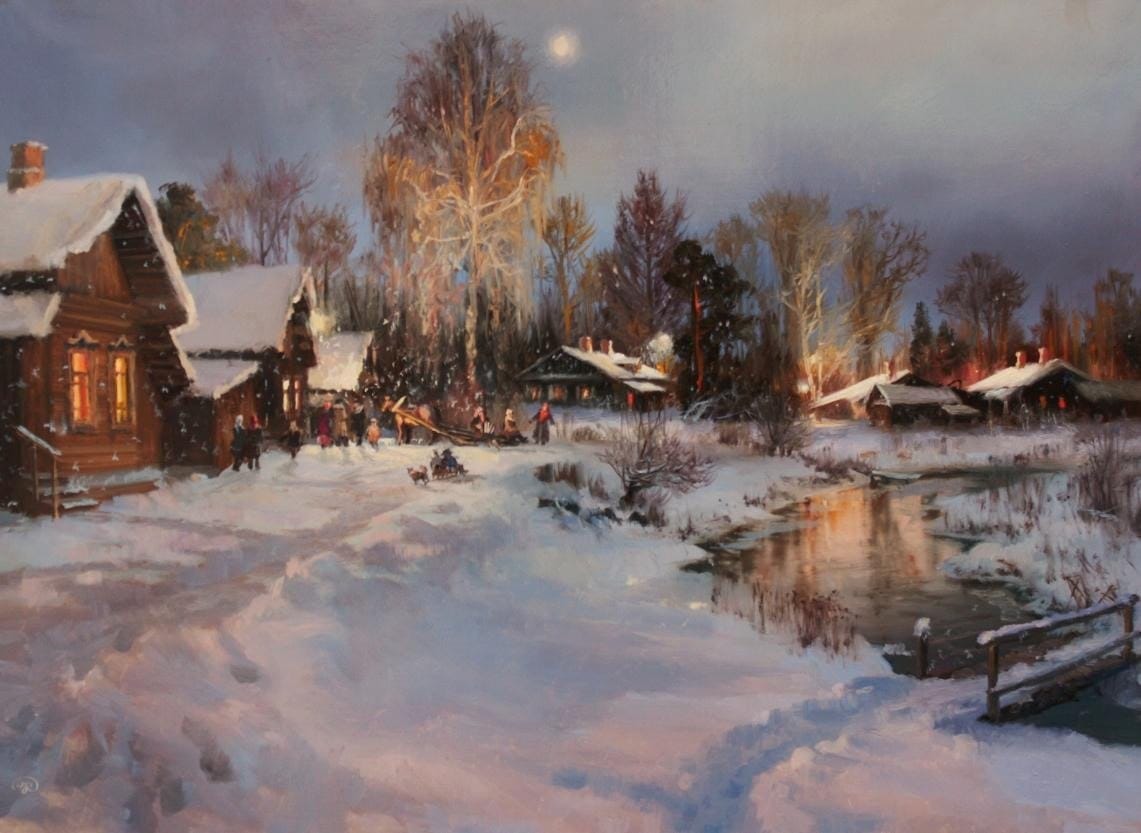
Vladimir Zhdanov
NB! · Archive · Geography · Books · Society · Saint Petersburg · Ethnography
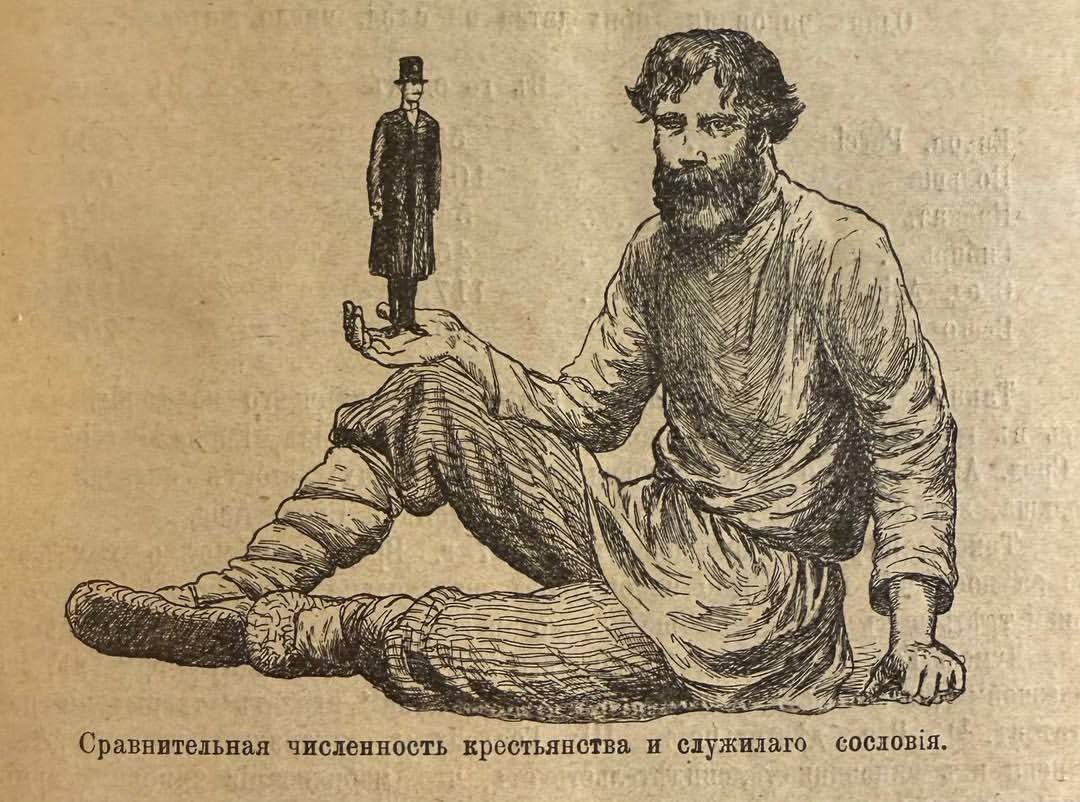
A statistical survey of the composition of the population of the Russian Empire on the basis of the 1897 census, with a hand-drawn diagram of national composition from the book "Russia in Figures. The Country. The People. The Estates. The Classes" by Nikolai Alexandrovich Rubakin, published in
NB! · Art · Ethnography
NB! · Art · Museums · Ethnography
Heritage · Society · Rome · Ethnography
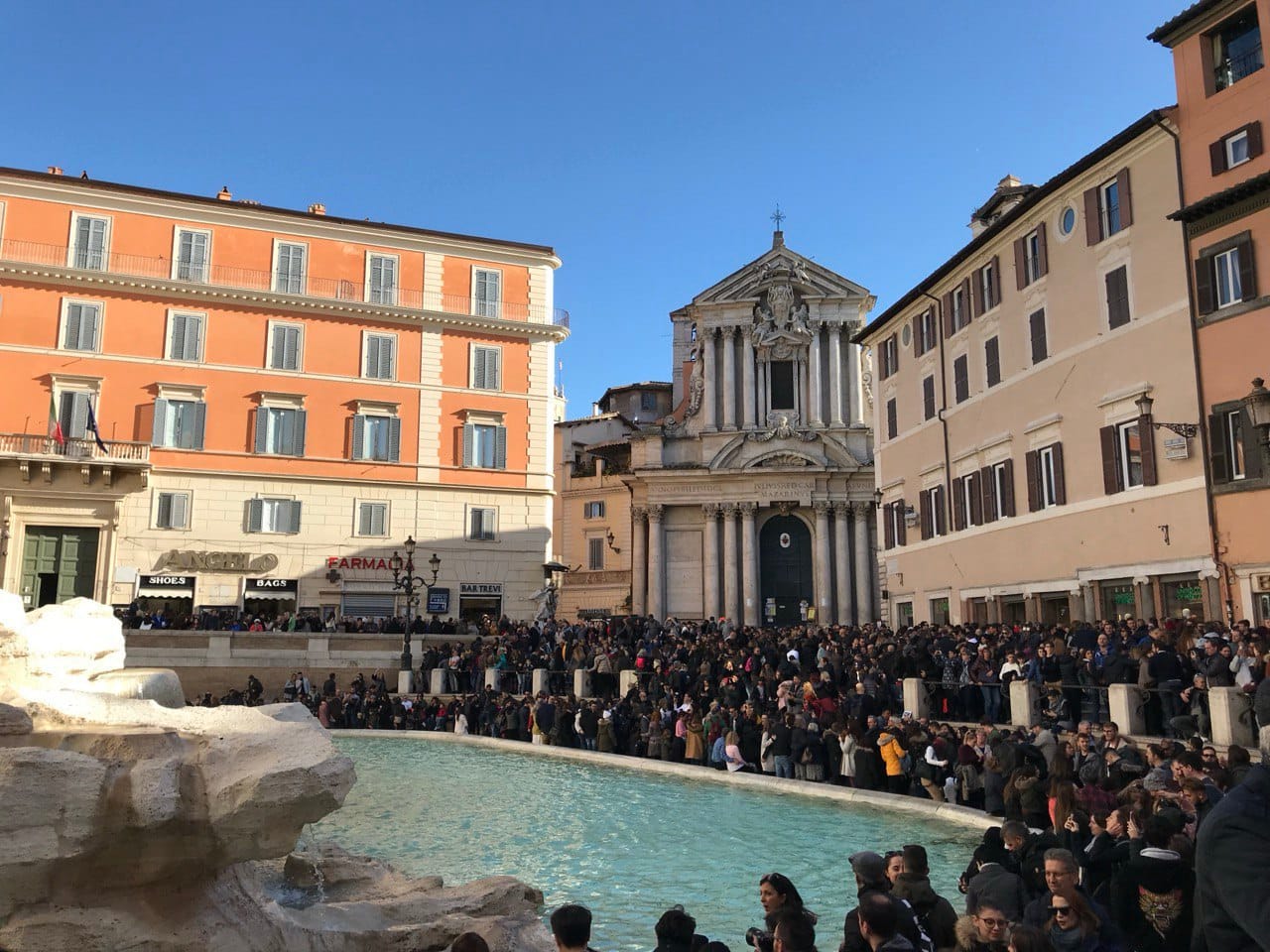
From 1 February, entry to the square in front of the Trevi Fountain will cost $2.35. No more than 400 people will be allowed on the square at any one time. These measures are intended to reduce the excessive pressure of tourism on the landmark. Today the fountain receives
Art · Heritage · Ethnography
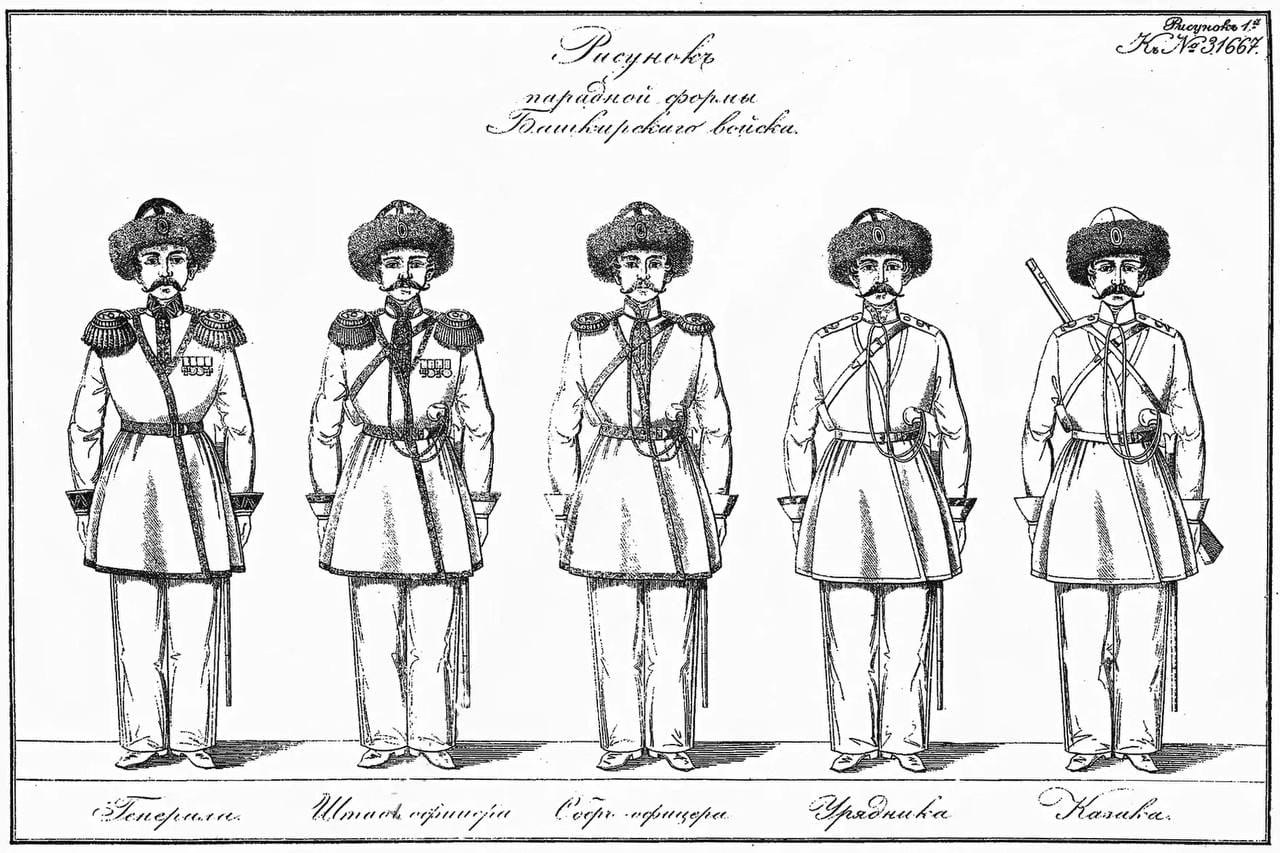
Officially, the sculpture is called the monument to Benckendorff and the Bashkirs as liberators of the Netherlands. The figure of General A.Kh. Benckendorff himself, who commanded the force, has not been cast in bronze, but the image of one of his soldiers is meant to serve as a composite