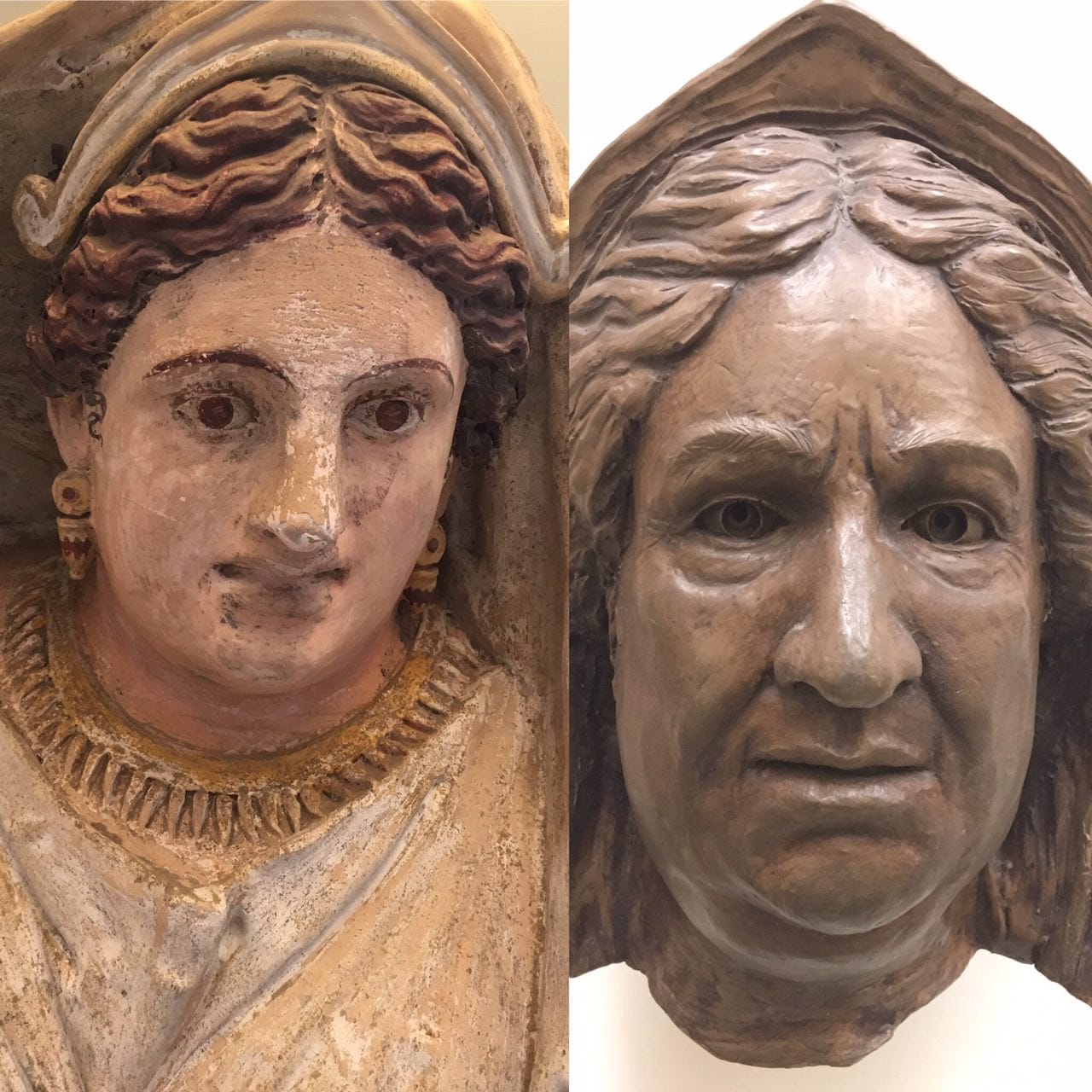
NB! · Archaeology · Science · Ethnography · Humour

NB! · Archaeology · Science · Ethnography · Humour
NB! · Art · Ethnography · Humour
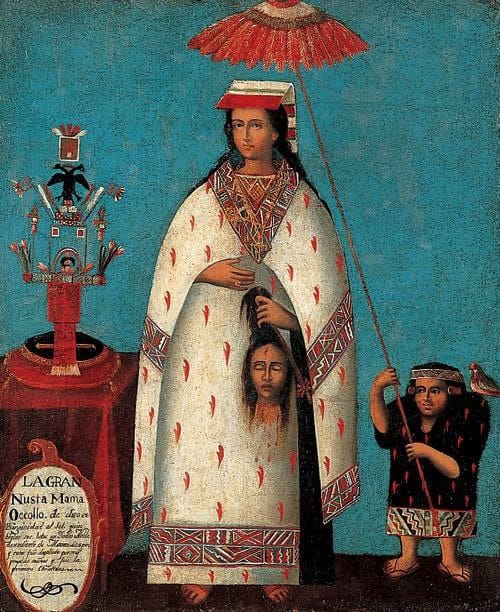
Everything is splendid in this nineteenth-century image of the Inca mythical princess Mama Ocllo. The hunchbacked dwarf and the severed head alike, but what especially catches the eye is the black double-headed eagle, the ancient symbol of so many civilisations
Archaeology · Heritage · Ethnography
Even before the ban of 1977 nobody was forbidden to walk inside Stonehenge, but the fact that thousands of people laid hands on the megaliths caused considerable erosion. Nowadays, on ordinary days, the megalithic complex cannot be entered, but on the day of the summer solstice thousands of people gather
Faith · Observations · Ethnography
Oracle means an answer. Oracles foretold the future, while priests and soothsayers watched the course of the ceremonies and sacrifices, paying attention to the appearance and strength of the sacrificial fire and to the shape and colour of the entrails of the victim: from these it could be told whether
In the Press · The East · Mores · Ethnography
In Ancient Rome, the tears of hired mourners were collected in vessels of grief, and the filled vessels were carried to the tomb as a kind of tribute to the deceased. The Victorian era, too, had its fashion for gathering tears: grieving women used special tear bottles, small flasks that
Mores · Ethnography
There is a superstition that eggshells must never be kept, because witches can use them to sail out to sea. The shells must be burnt. Bear this in mind the next time you make scrambled eggs. There is, in fact, another widespread belief connecting unclean spirits with water. Evil entities
NB! · Palaeontology · Nature · Ethnography
NB! · Pop Culture · Nature · Ethnography
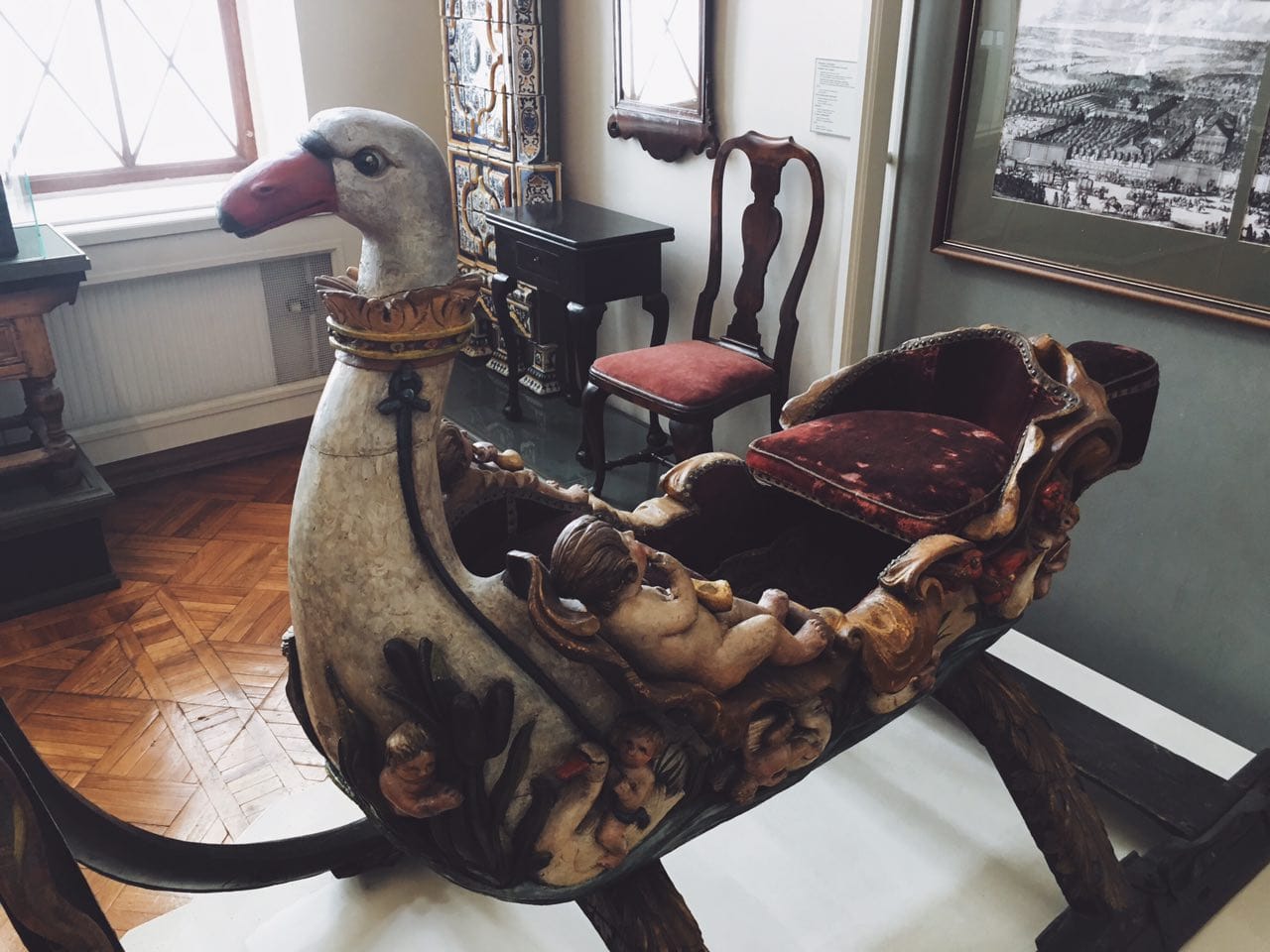
NB! · Moscow · Museums · Ethnography · Humour
A carnival sleigh from the State Historical Museum. Style!
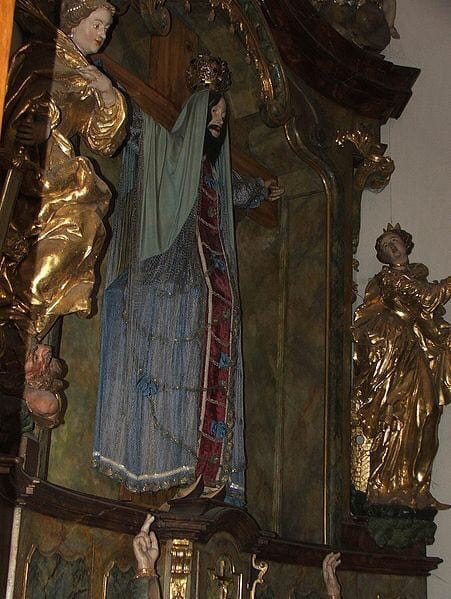
NB! · Faith · Art · Ethnography
This is not Jesus in a dress, but a Catholic saint: the bearded virgin Wilgefortis. She prayed that her father might not marry her off to a prince she did not love, and a beard grew upon her face; her father, in a fury, had her crucified
NB! · Faith · The East · Nature · Ethnography
Archaeology · Observations · Heritage · Ethnography
Why do I say alas? Because one truly wishes that the touching devotion of the people of Altai to their native mummies might be rewarded. The Ukok Princess was excavated in 1983, and her body was remarkably well preserved for its age of 2,500 years. All thanks to the