Thursday, 1 October 2026 · Almaty
Section · 585 stories

The East

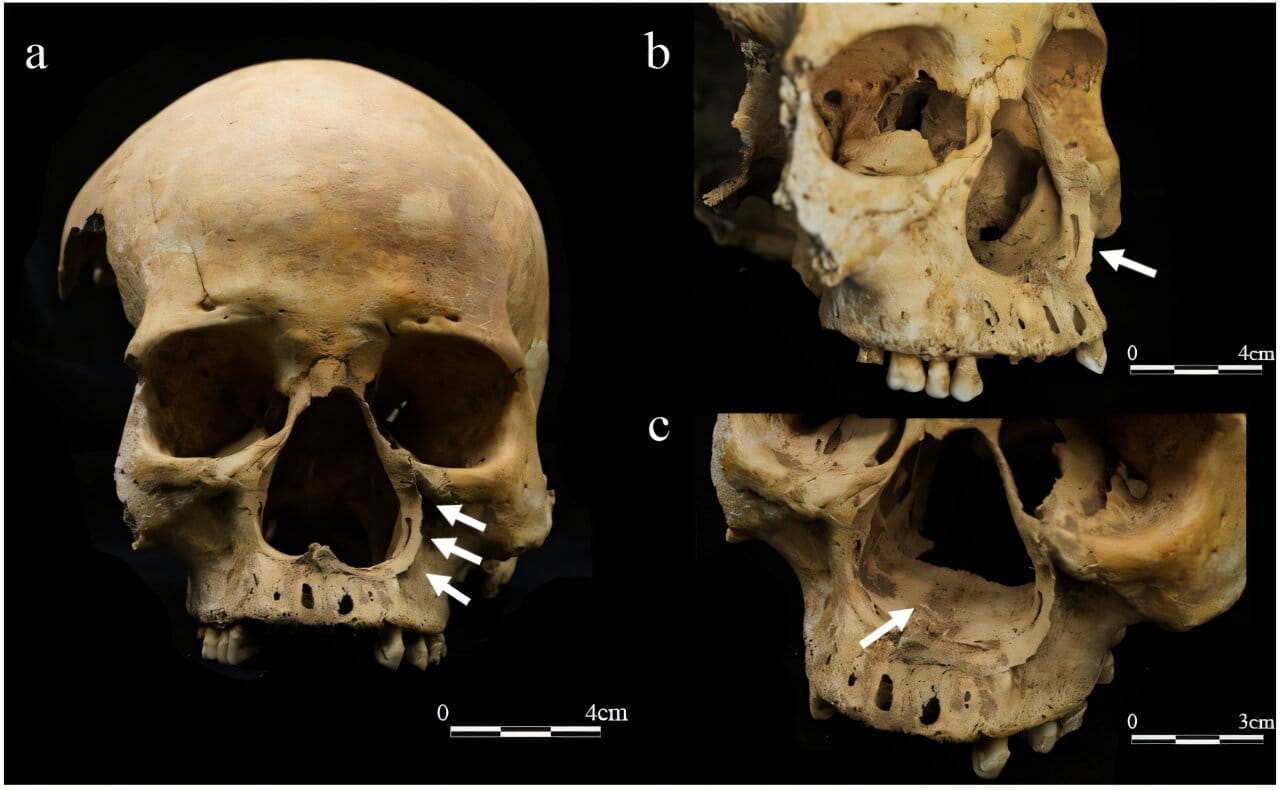
Chinese historical texts repeatedly mention the cutting off of the nose as a judicial punishment, one of the so-called five punishments

Archaeology · The East · Science

Chinese historical texts repeatedly mention the cutting off of the nose as a judicial punishment, one of the so-called five punishments

Chinese historical texts repeatedly mention the cutting off of the nose as a judicial punishment, one of the so-called five punishments. Until now, archaeologists in China had found no skeletal confirmation of the practice. Now researchers describe the first probable case. The remains of a woman who lived some

By Alexandr Radayev
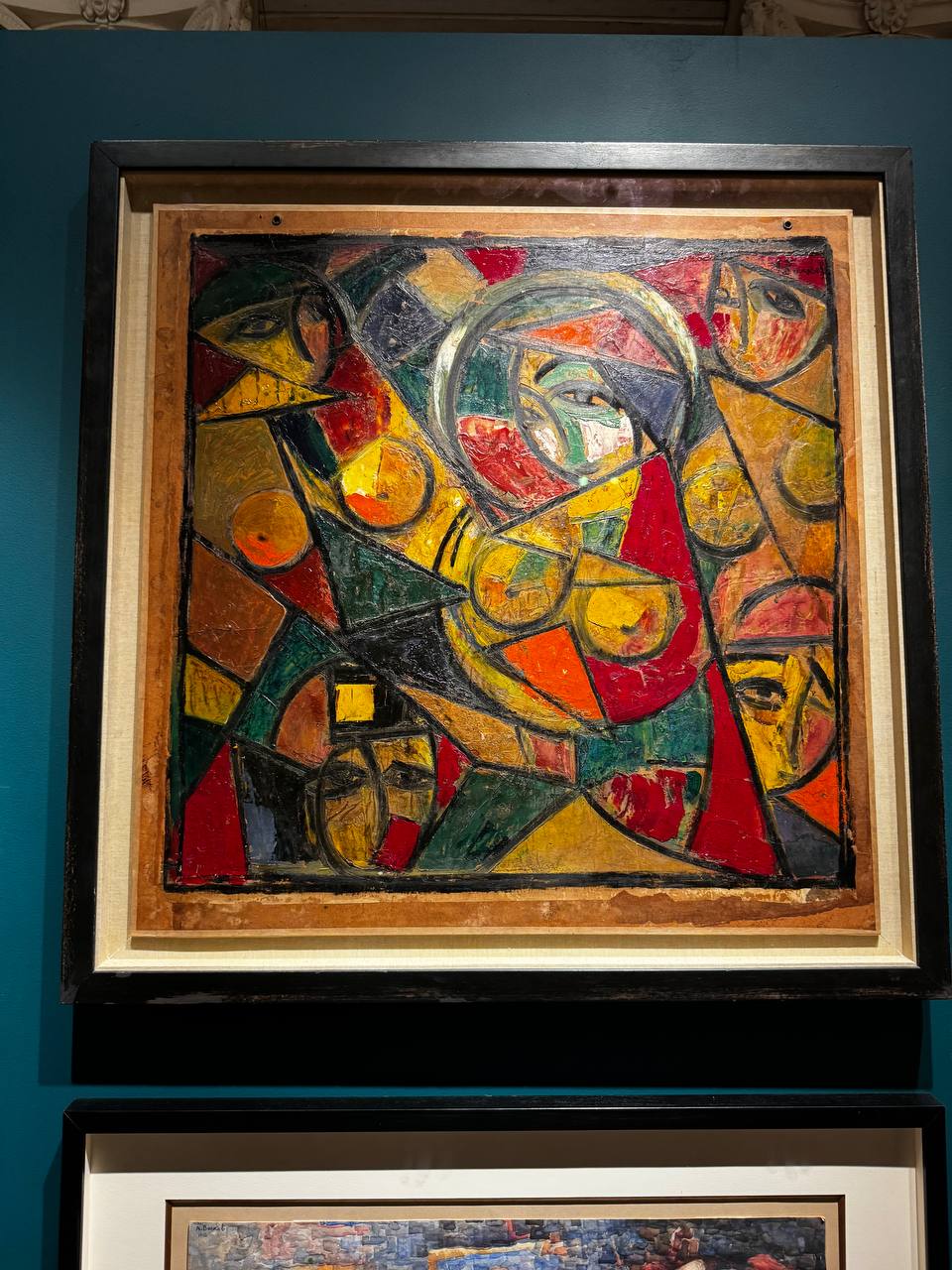
The State Museum of the East, at 12A Nikitsky Boulevard, presents an exhibition devoted to the artistic legacy of the Volkov-Rybnikov dynasty

Coming Up · Archive · The East · Art · Moscow · Museums

The State Museum of the East, at 12A Nikitsky Boulevard, presents an exhibition devoted to the artistic legacy of the Volkov-Rybnikov dynasty

The State Museum of the East, at 12A Nikitsky Boulevard, presents an exhibition devoted to the artistic legacy of the Volkov-Rybnikov dynasty. The display runs until 8 November and comprises some one hundred and fifty works of painting, graphic art and sculpture by three generations of the family. The

By Alexandr Radayev
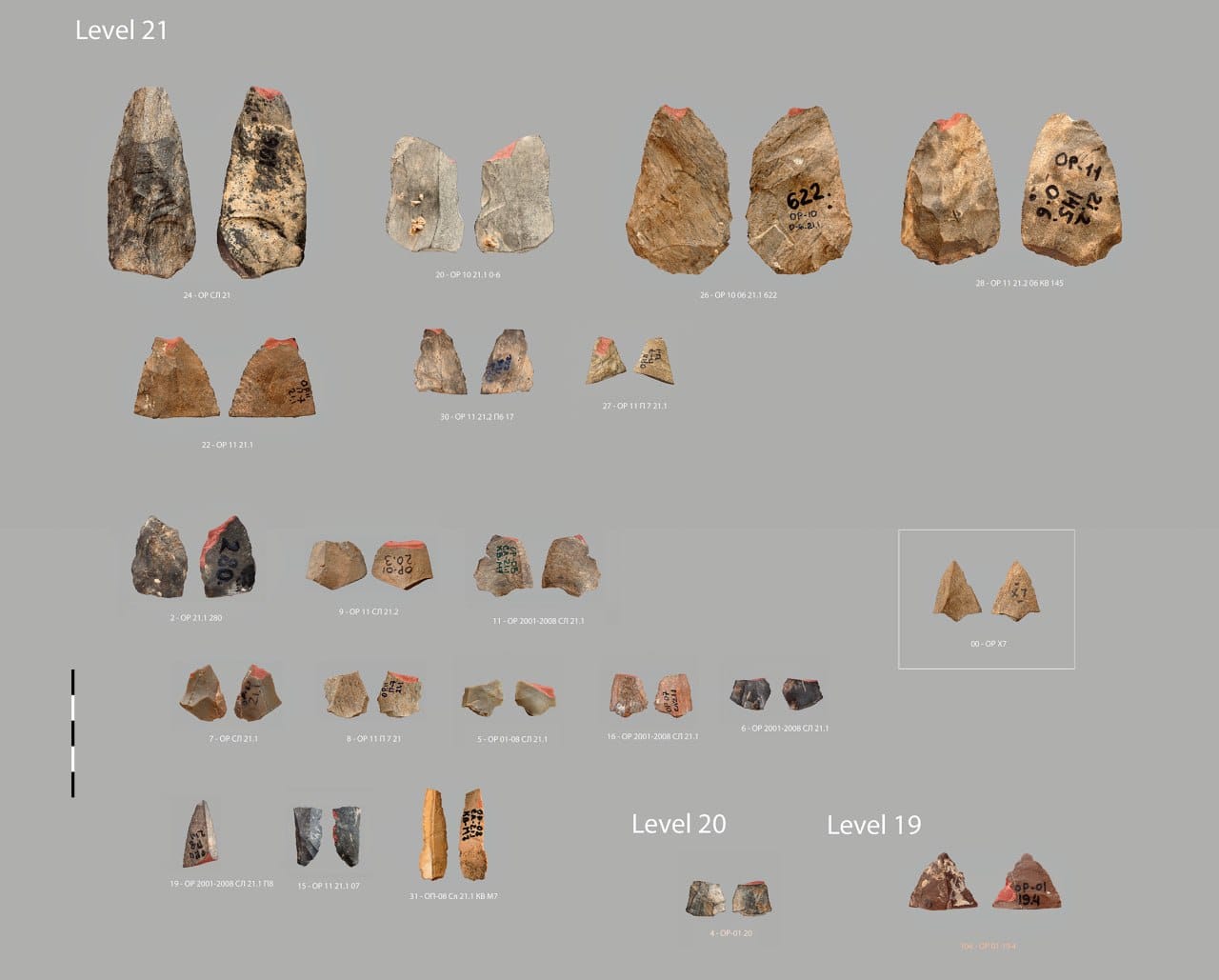
Tiny 80,000-year-old stone points found in Uzbekistan's Obi-Rakhmat cave, which by wear traces and mass can only have served as arrowheads: the earliest evidence of ranged weapons in Eurasia

Archaeology · The East · Science

Tiny 80,000-year-old stone points found in Uzbekistan's Obi-Rakhmat cave, which by wear traces and mass can only have served as arrowheads: the earliest evidence of ranged weapons in Eurasia

Tiny stone points 80,000 years old have been found in Uzbekistan's Obi-Rakhmat cave, which by wear traces and mass can only have served as arrowheads: that is, the earliest evidence of ranged weapons in Eurasia. Such technology has hitherto been associated exclusively with Homo sapiens, so

By Alexandr Radayev
Marcus Aurelius advised retreating into oneself, for nowhere does a man withdraw more quietly

Archaeology · Faith · The East · Art · Books · Museums · Observations · Heritage · Science · Society · Nature

Marcus Aurelius advised retreating into oneself, for nowhere does a man withdraw more quietly

Marcus Aurelius advised retreating into oneself, for nowhere does a man withdraw more quietly. In the digest, for my part, I try to gather what has been published over the month while the memories are still fresh. So, the main things on the channel for August. The section on archaeology

By Alexandr Radayev
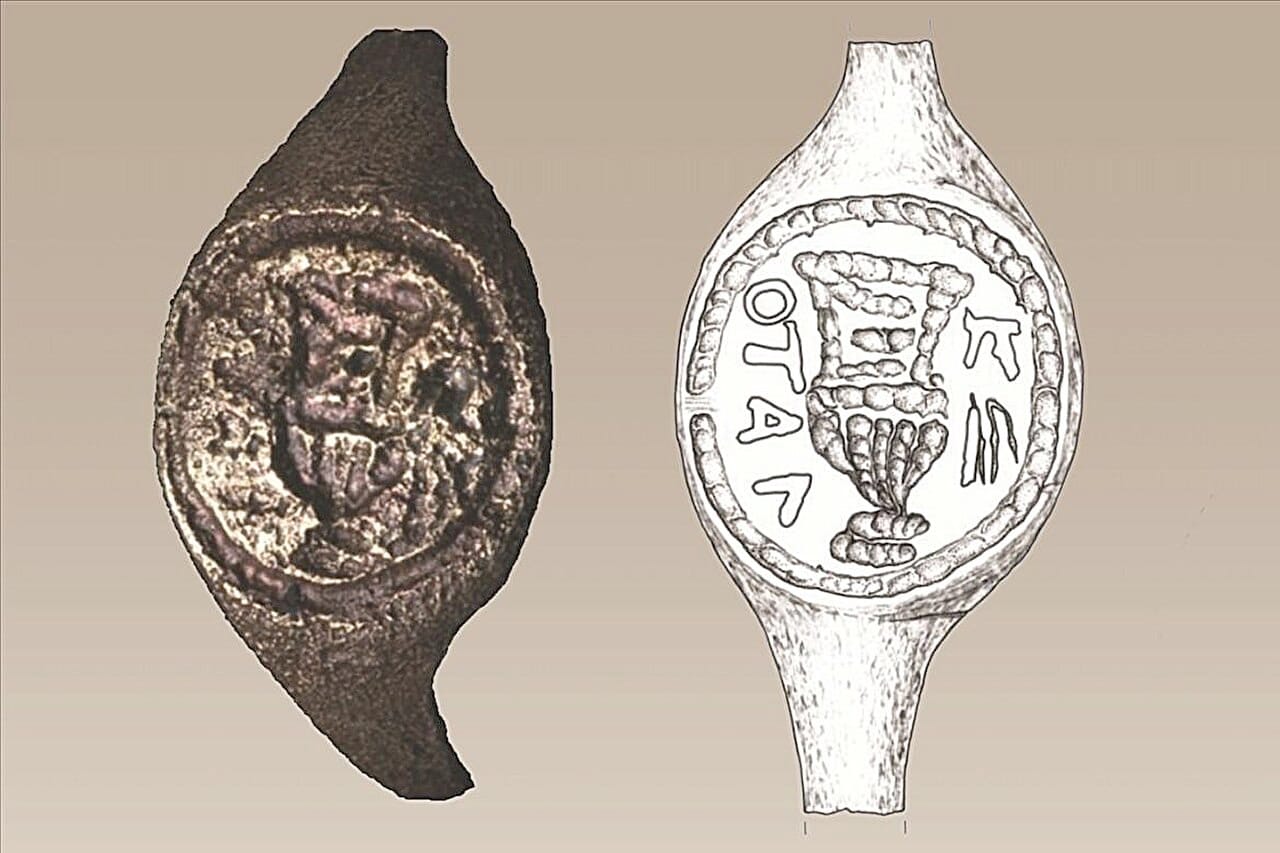
A cheap copper-alloy ring, dug up in the 1960s at Herodium, King Herod's fortress-palace in the Judaean Desert, bearing the image of a vessel and the Greek letters ΠΙΛΑΤΟ

Archaeology · Faith · The East · Science

A cheap copper-alloy ring, dug up in the 1960s at Herodium, King Herod's fortress-palace in the Judaean Desert, bearing the image of a vessel and the Greek letters ΠΙΛΑΤΟ

A cheap copper-alloy ring, dug up in the 1960s at Herodium, King Herod's fortress-palace in the Judaean Desert, bearing the image of a vessel and the Greek letters ΠΙΛΑΤΟ. Despite suggestions that the signet might have belonged to the most famous official in history, Pontius Pilate,

By Alexandr Radayev
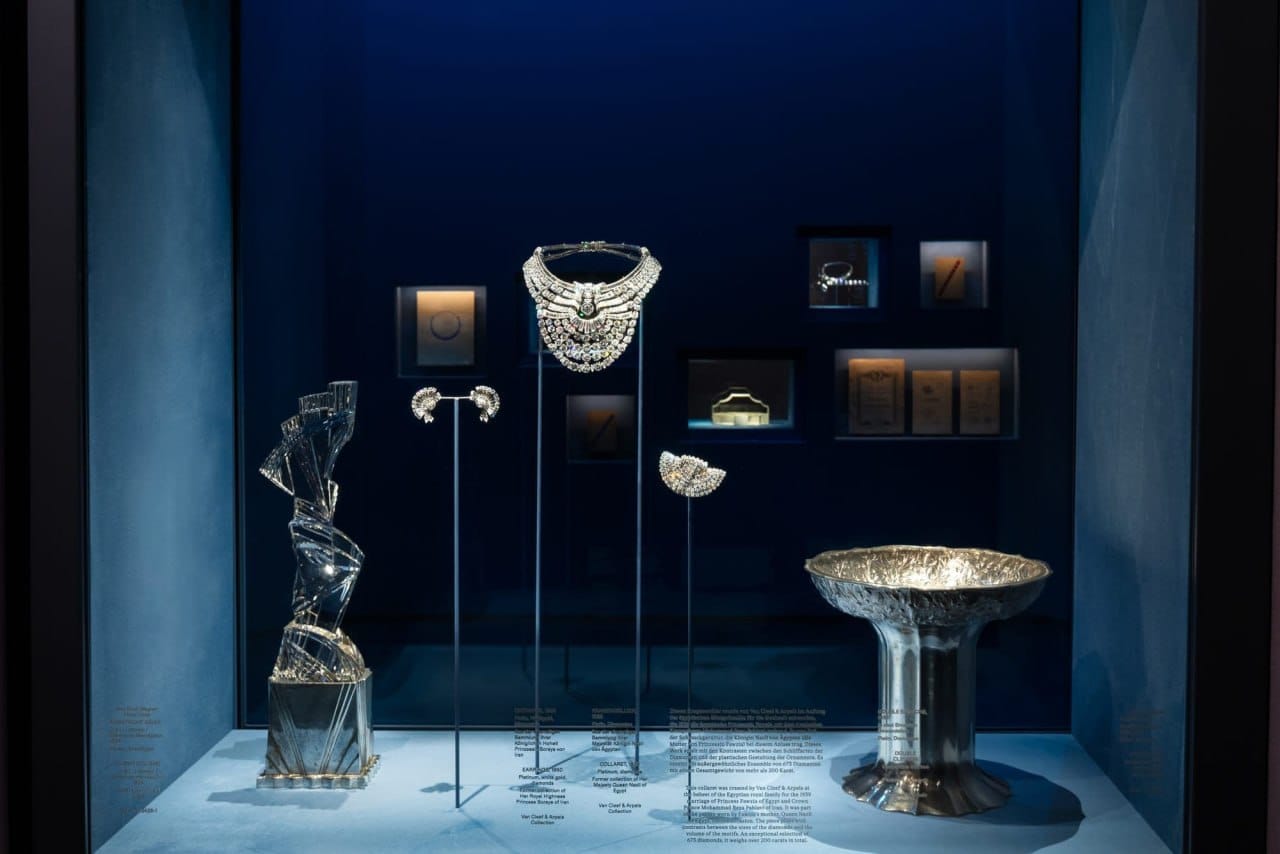
Two men bought tickets to the Museum of Applied Arts in Vienna, walked up to a display case and smashed the protective glass with a hammer

The East · Monarchies · Museums · Heritage

Two men bought tickets to the Museum of Applied Arts in Vienna, walked up to a display case and smashed the protective glass with a hammer

Two men bought tickets to the Museum of Applied Arts in Vienna, walked up to a display case and smashed the protective glass with a hammer. They pulled out a diamond necklace and vanished in an unknown direction. They made no attempt to hide their faces, so the surveillance cameras

By Alexandr Radayev
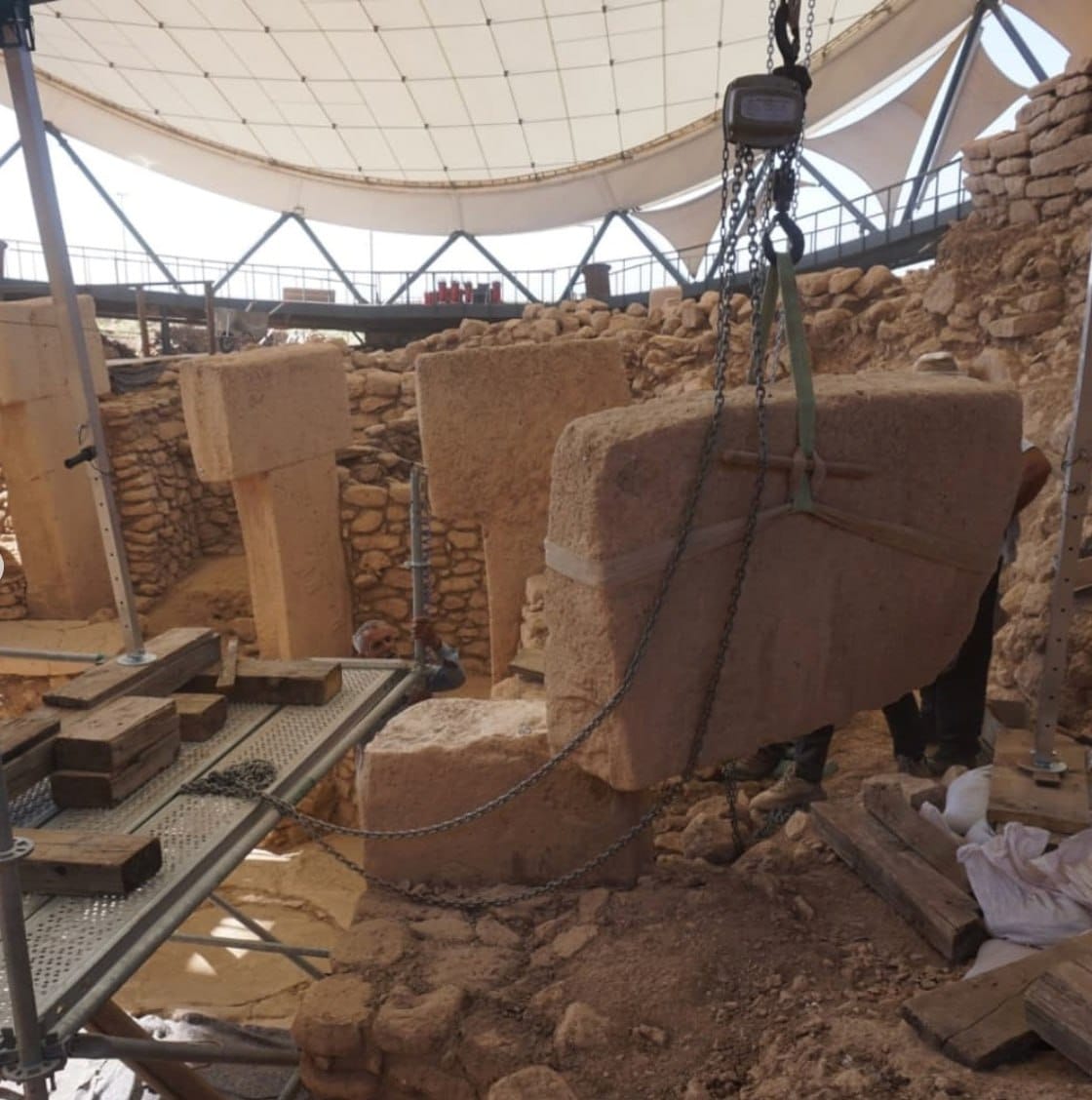
At Göbekli Tepe, the world's oldest megalithic temple complex, more than 11,500 years old, rectangular buildings have been found that may have served as dwellings

Archaeology · Architecture · The East · Science

At Göbekli Tepe, the world's oldest megalithic temple complex, more than 11,500 years old, rectangular buildings have been found that may have served as dwellings

The site is being surveyed by means of geomagnetic mapping, ground-penetrating radar and lidar scanning. The head of the excavation reports that the new rectangular structures are concentrated chiefly in the eastern and southern parts of the hill and lie next to the already known circular monumental buildings with

By Alexandr Radayev
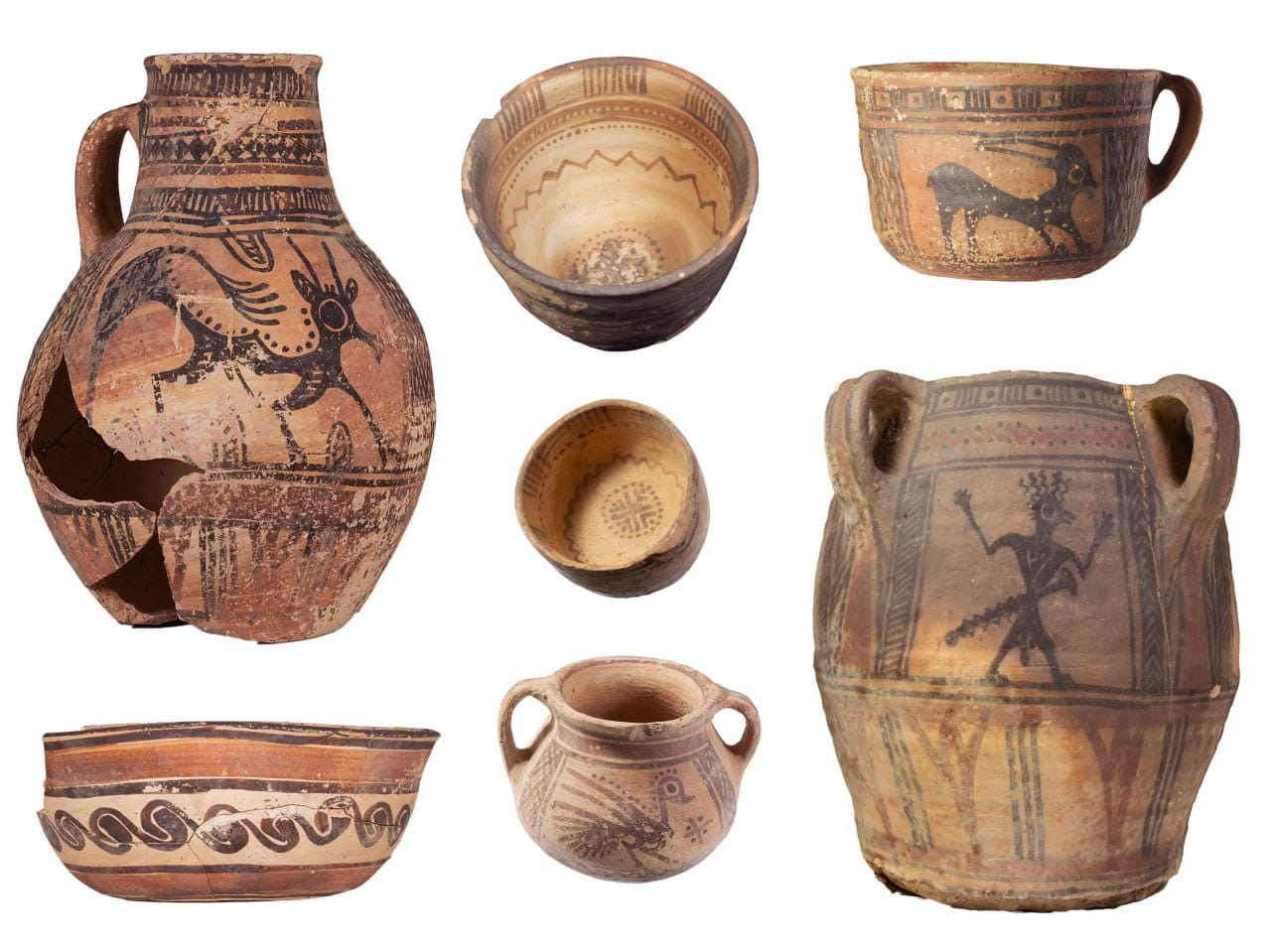
An analysis of several dozen Bronze Age vessels from the Qurayyah oasis in north-western Arabia may have identified the first branded goods in human history

Archaeology · The East · Science

An analysis of several dozen Bronze Age vessels from the Qurayyah oasis in north-western Arabia may have identified the first branded goods in human history

The two-colour painted pottery of this region has long been known to specialists as "Midianite", and its origin remained a matter of dispute. The first batch of painted ware was made some 3,600 years ago, and its production continued uninterrupted for centuries, undergoing only modest change.

By Alexandr Radayev