NB! · Archive · Art · People
The 1930s
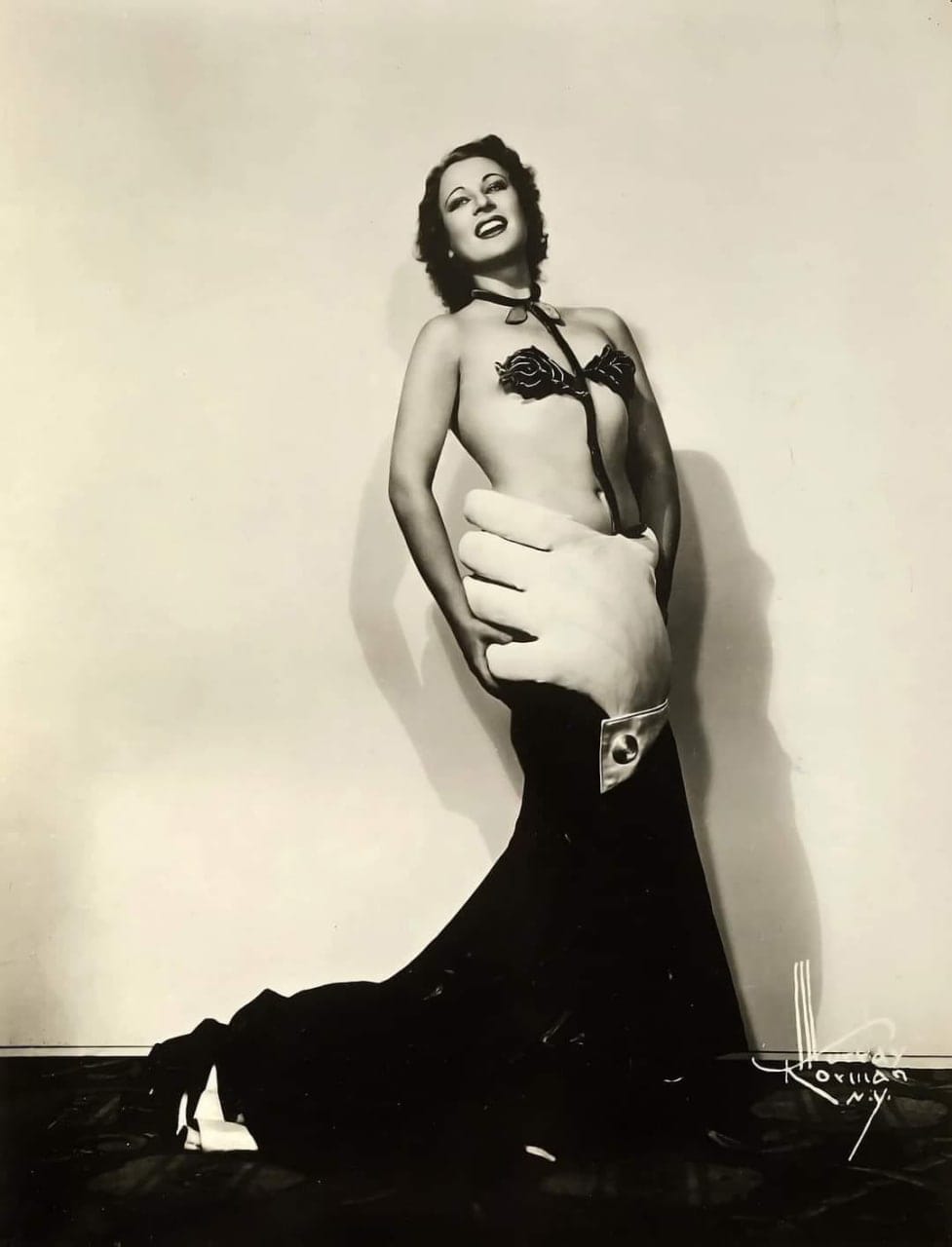
The 1930s. A shot by one of the creators of the Hollywood style in photography, Murray Korman (1902-1961), incidentally a native of the town of Kamianets-Podilskyi

NB! · Archive · Art · People
The 1930s. A shot by one of the creators of the Hollywood style in photography, Murray Korman (1902-1961), incidentally a native of the town of Kamianets-Podilskyi
Art · Monarchies · Observations · Humour
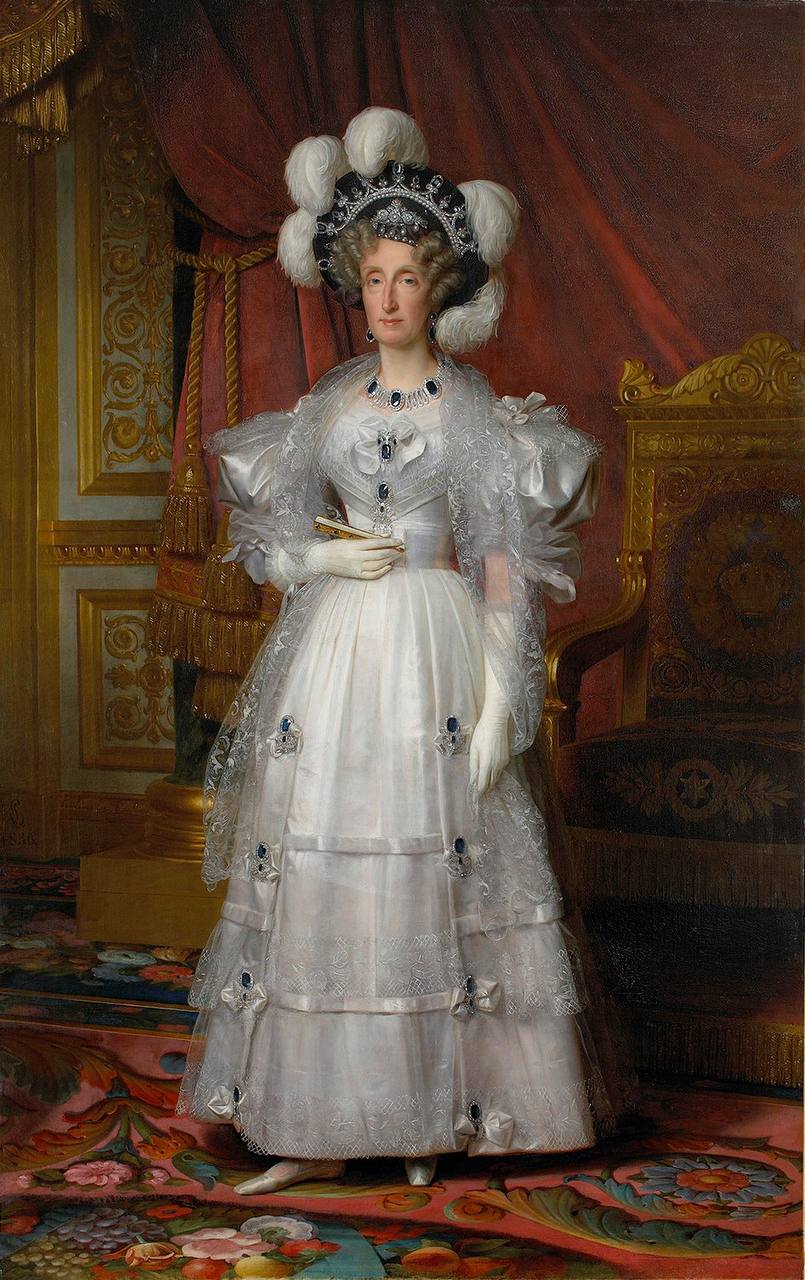
One must pay tribute to the skill of the French portraitist Louis Hersent. Maria Amalia of Naples, Queen of the French from 1830 to 1848, who, incidentally, fretted to her dying day that she had taken the place of the Bourbons, shown in a portrait of the 1840s and in
NB! · Faith · Art
Art · Moscow · Museums · Pop Culture
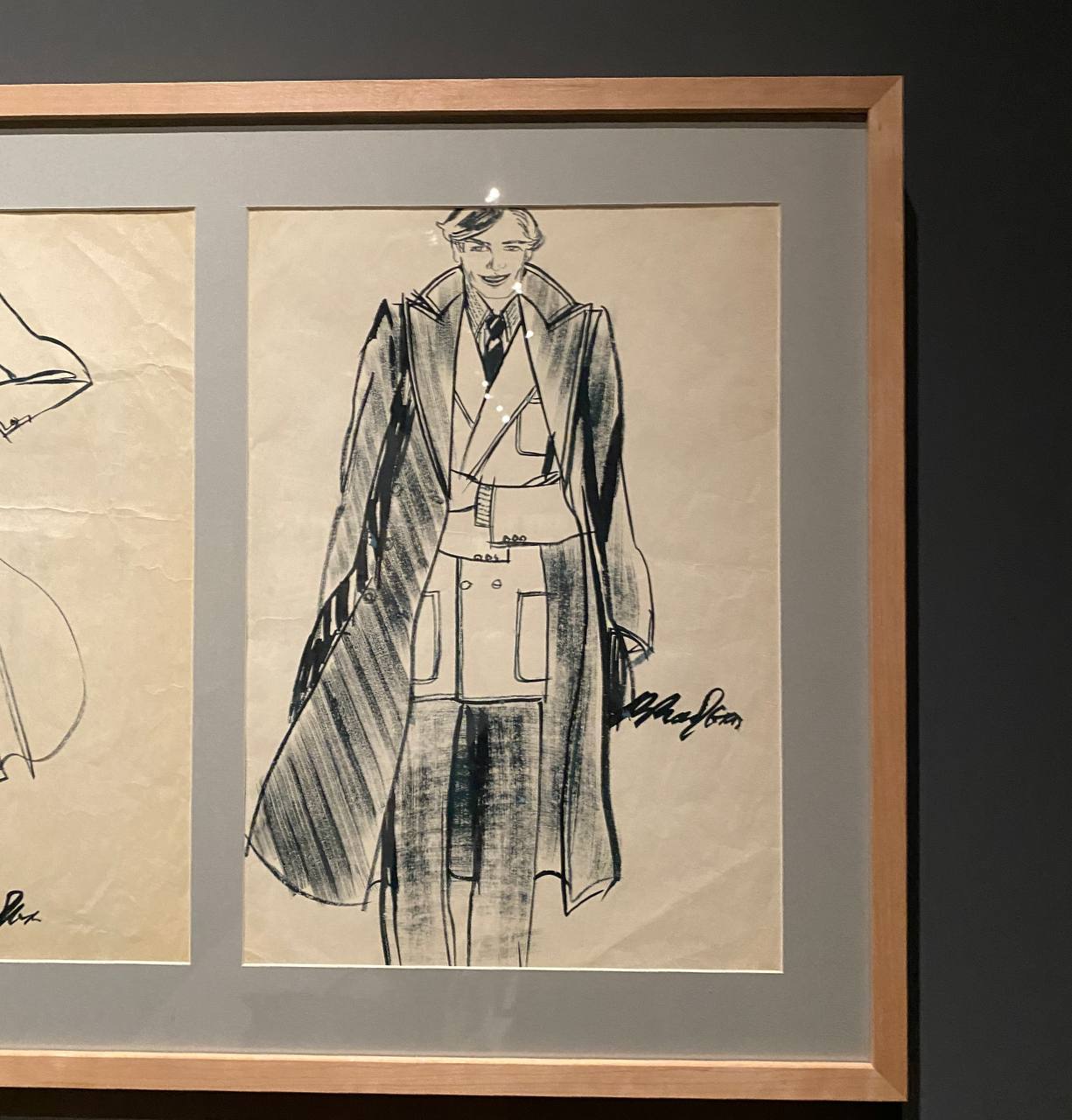
A sketch of my suit for this spring. Slava Zaitsev. Museum of Moscow. Exhibition “The House of Fashion. An Industry of Images”
Art · Monarchies · People
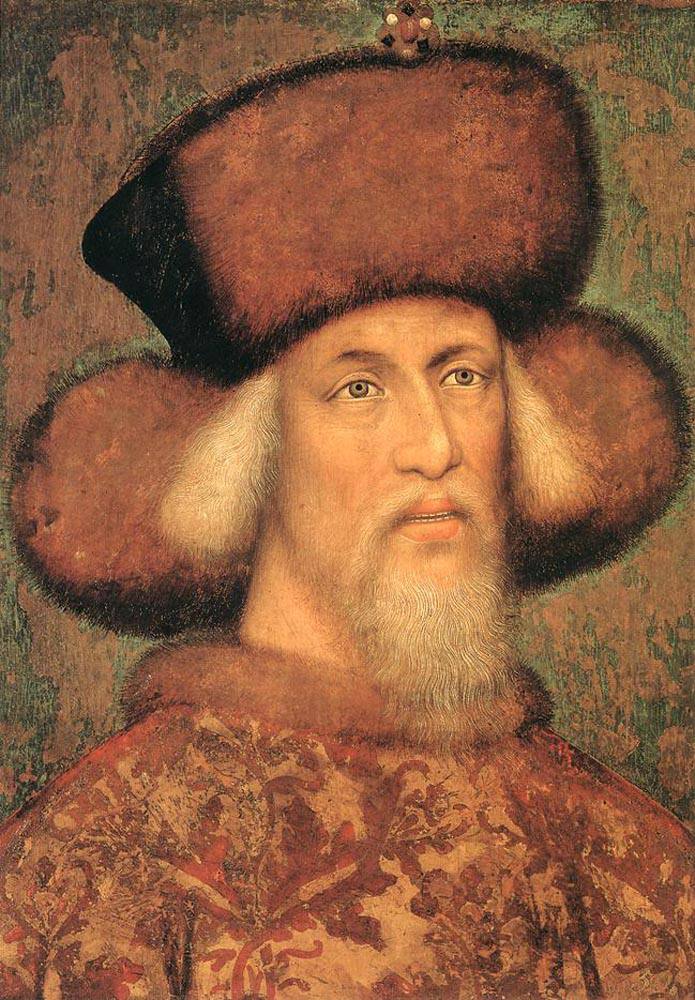
A hat fit for a king! Or, to be more precise, for the Elector of Brandenburg, King of Hungary, Germany, Bohemia and Lombardy, and Holy Roman Emperor Sigismund. Portrait of Sigismund, presumably of 1433, by the Italian Quattrocento painter Pisanello
Archive · Art
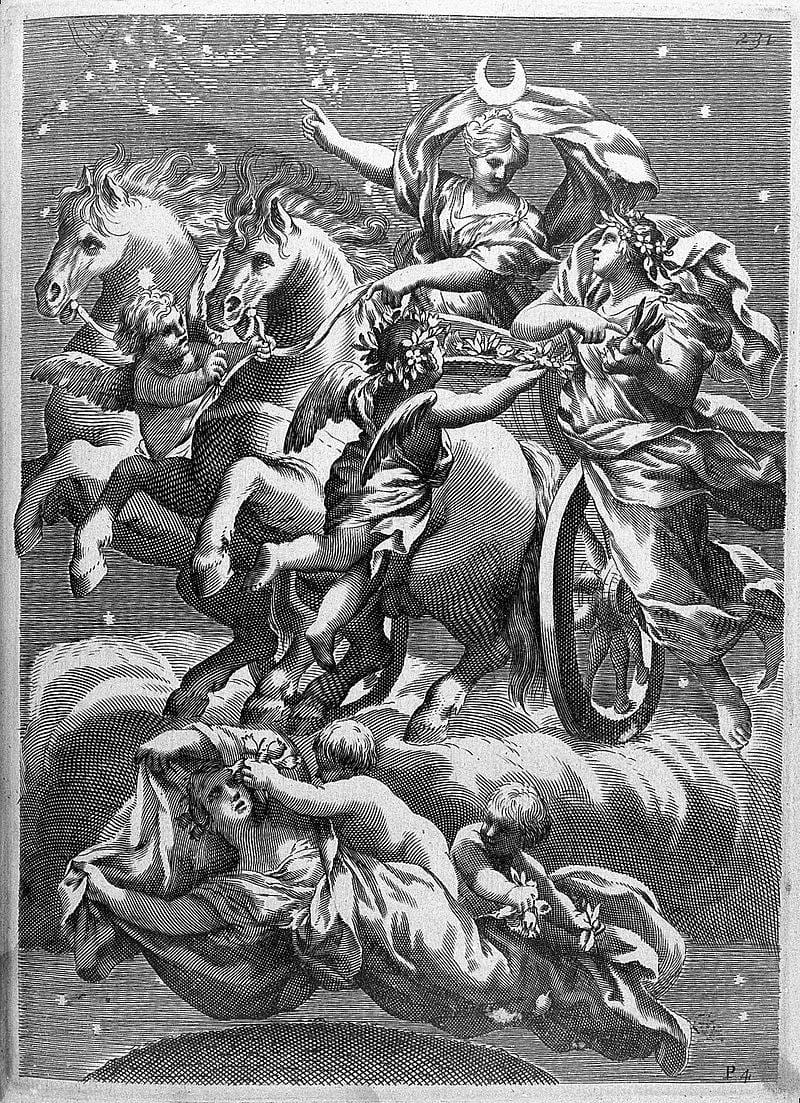
The Chariot of the Goddess Selene. Claude Mellan after a drawing by Pietro da Cortona, 1646. In the Greek tradition the Moon is associated with three goddesses: Hecate, patroness of sorcery, as the hypostasis of mystery; Artemis the huntress with her crescent bow, as the hypostasis of wandering; and the
NB! · Archive · Art
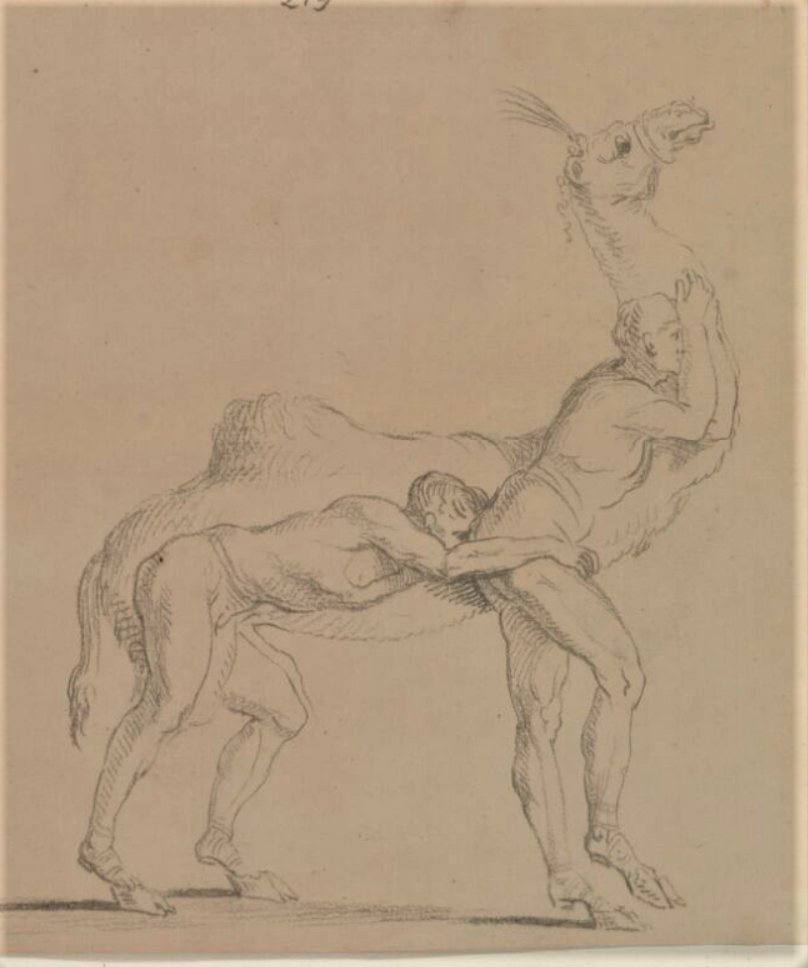
The magic of opera in two sketches for a camel costume. France, 17th century
NB! · Art
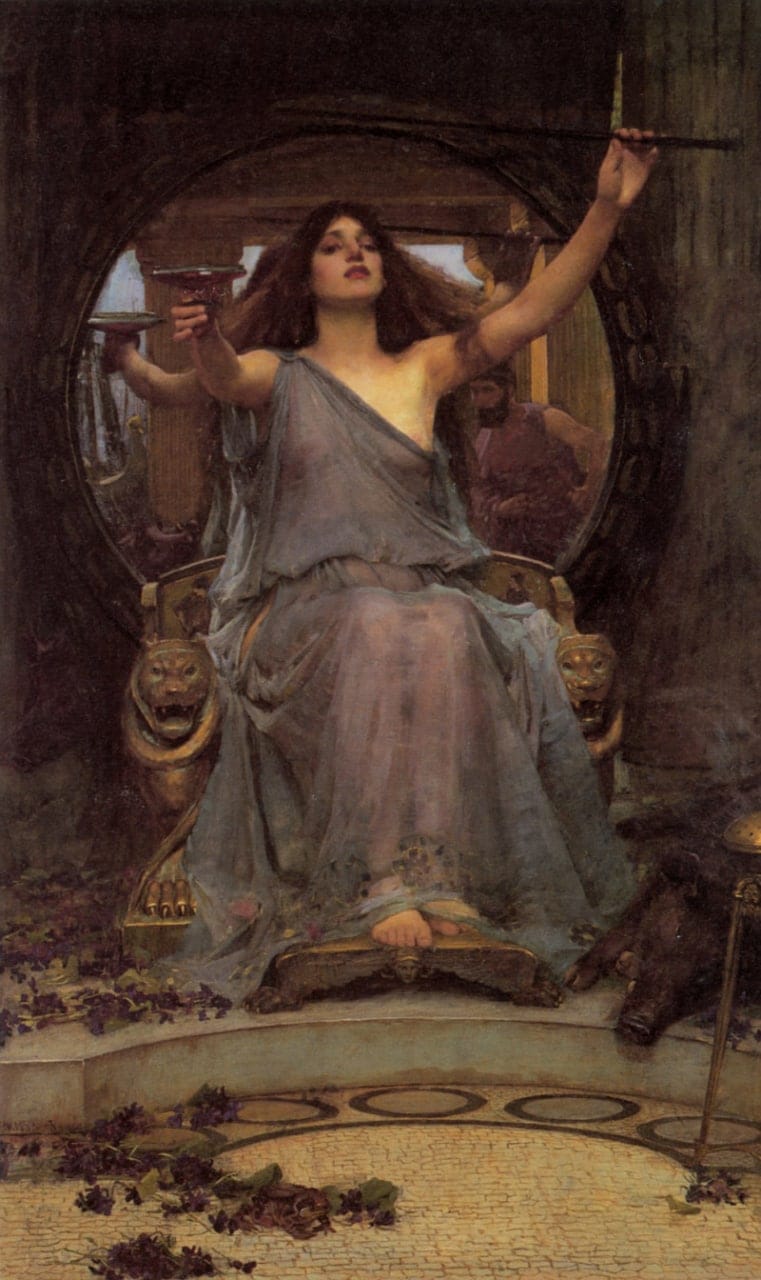
Circe Offering the Cup to Ulysses. John William Waterhouse, 1891
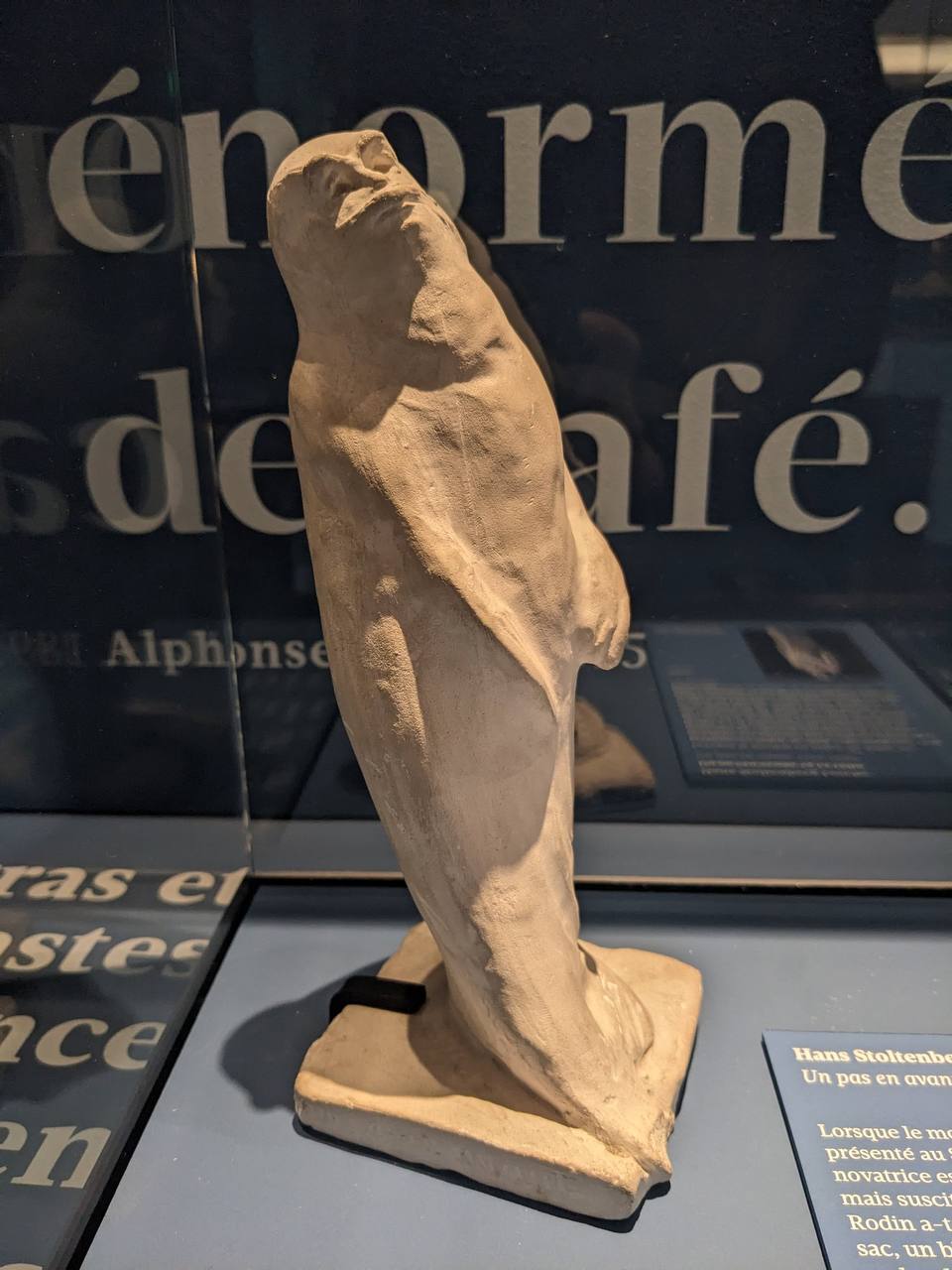
NB! · Art · Observations · Humour
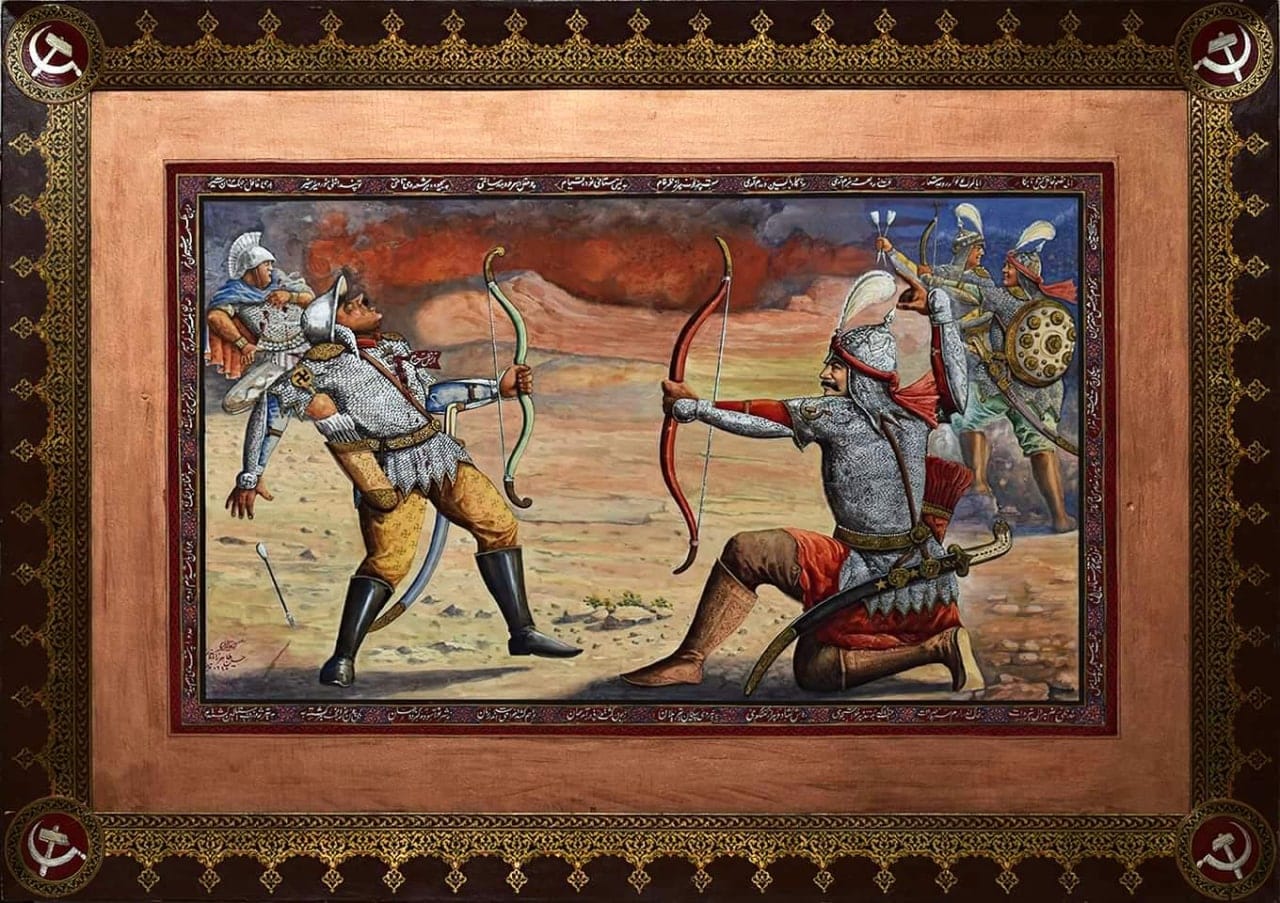
The East · Art · Society
The Red Army is embodied in the person of Stalin, Fascism in that of Hitler; behind them one can make out Roosevelt and Churchill, shooting at Mussolini.
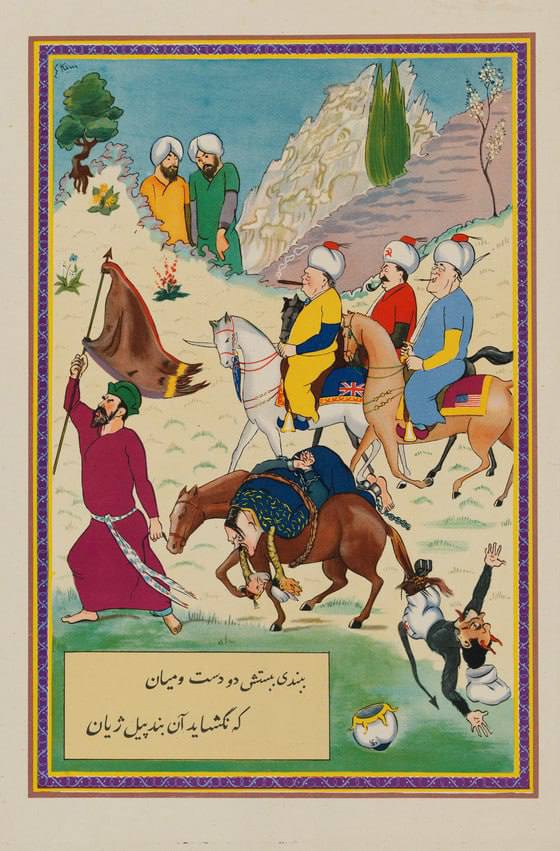
Archive · The East · Art · Society
Churchill, Stalin and Roosevelt transport a vanquished Hitler, snakes sprouting from his shoulders, following Kaveh, the mythical blacksmith who raised a revolt against the tyrant Zahhak. Goebbels is tied to the horse's tail. During the Second World War a series of propaganda posters appeared in Iran, based on
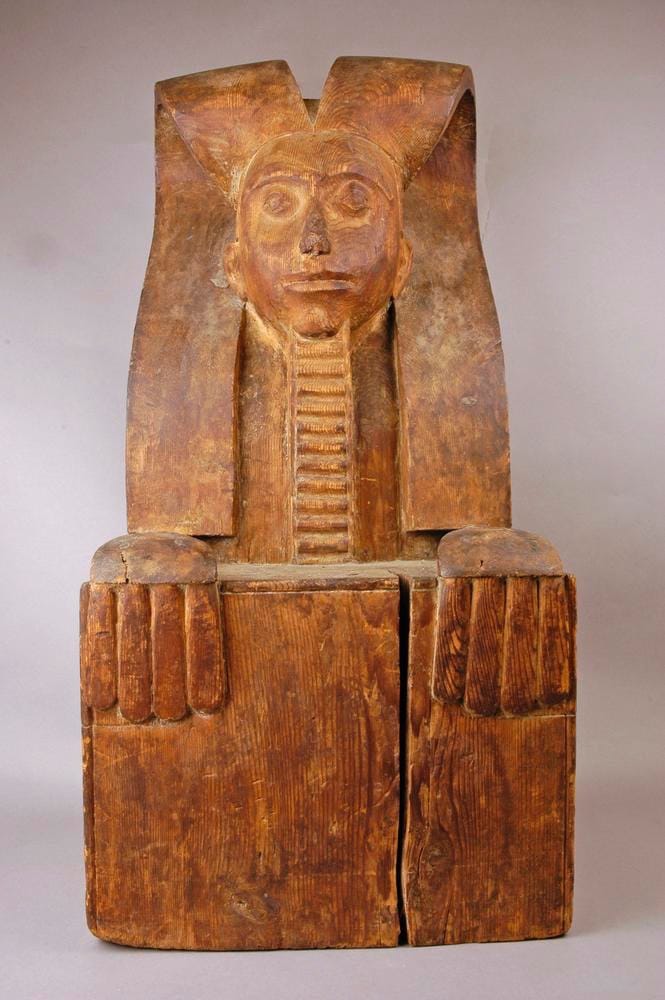
Art · London · Museums · Ethnography
This wooden sphinx in the British Museum has nothing to do with Egypt. The sculpture is the work of a North American artist of the Haida, a small nation living on the islands of British Columbia. The sphinx was found in an abandoned Haida village, buried inside an empty house.