NB! · Archaeology · The East · Art · Monarchies · Museums

NB! · Archaeology · The East · Art · Monarchies · Museums
Archaeology · Observations · Ethnography
Cueva de la Candelaria is part of a cave complex that the nomads of this region used for burial. It was already written about a great deal in the 18th century, so the historiography is rather interesting. The caves were first investigated systematically by Mexican scholars in 1953-54. Cueva
NB! · Archaeology · Observations · Ethnography
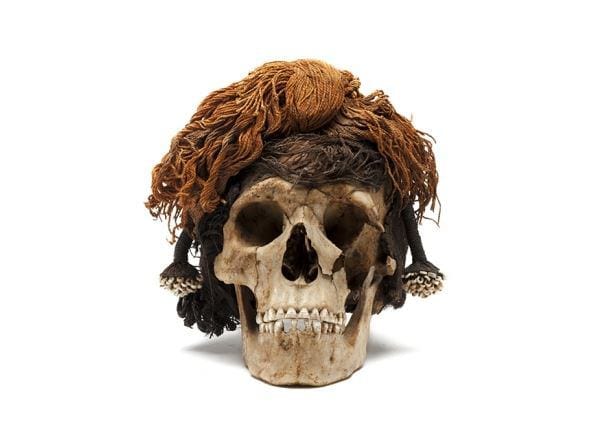
A nomad's headdress of status, probably 13th century. Well preserved, though the red colour has been lost. From the famous Cueva de la Candelaria in northern Mexico. I hope to visit it next year
NB! · Archaeology · Faith · Art
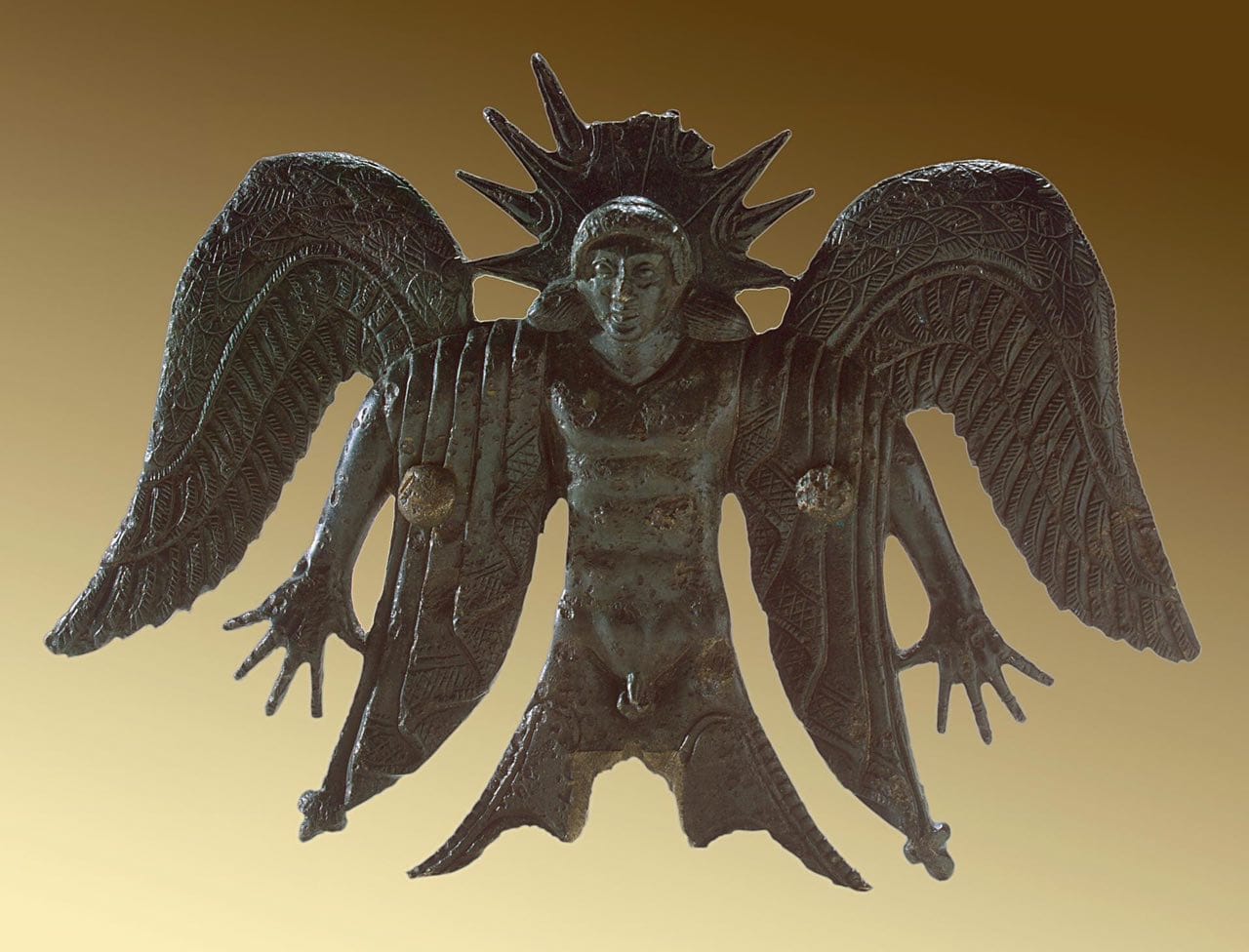
The Etruscan god of the rising sun, Cavé, depicted on a bronze plaque from a chariot. One of the most powerful gods of the Etruscan pantheon, he was offered 80 sacrifices a year. Identified with April.
NB! · Archaeology · Museums · Mores
Archaeology · Observations · Heritage · Humour
An interesting observation about archaeologists: all of them adore discovering monuments of the utmost importance, unique, rare, the most significant, and so on. So it was with the already described baptistery of Prince Vladimir. You find the skeleton of a church: yes, this is where the prince was baptised. You
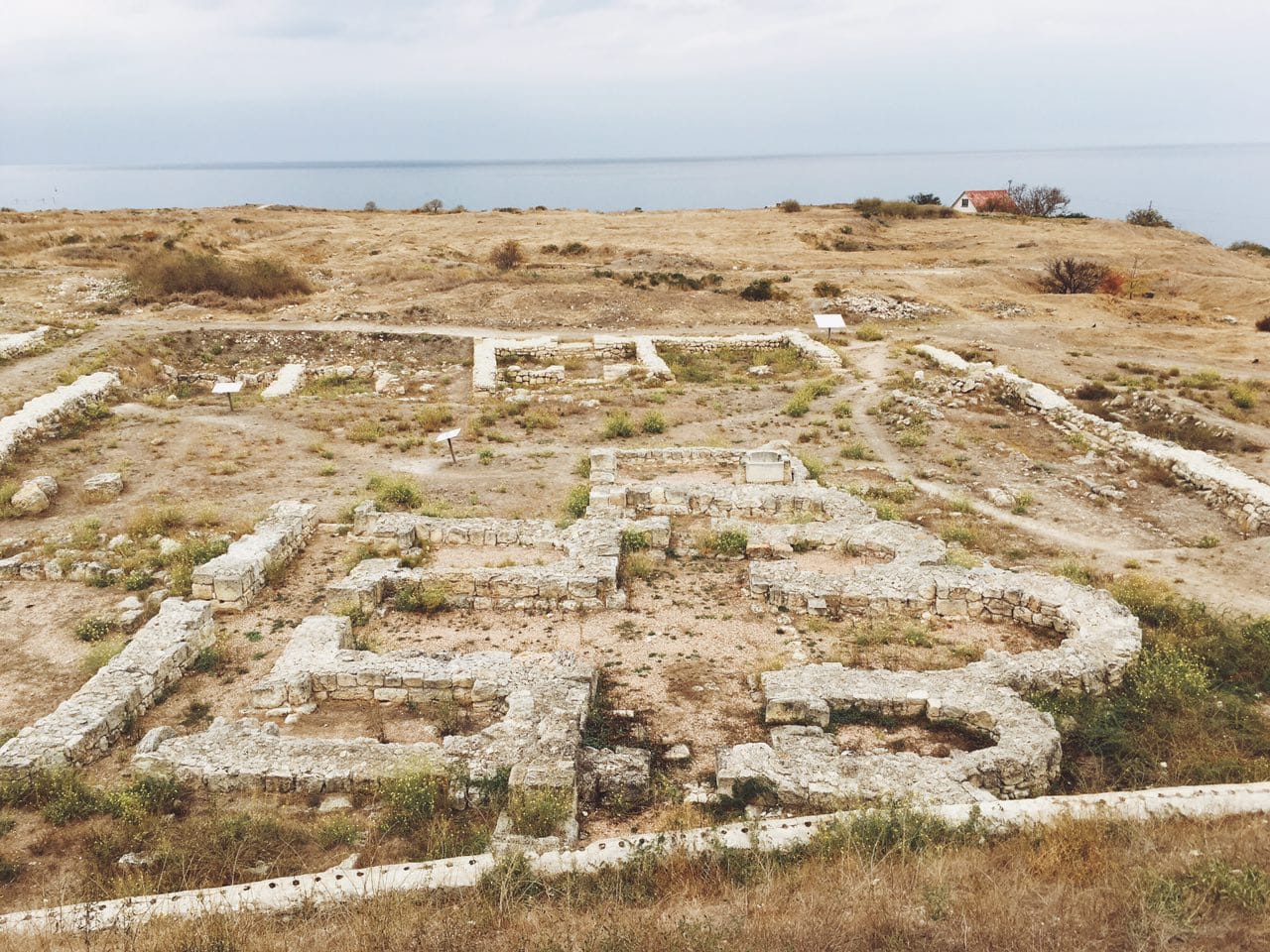
NB! · Archaeology · Architecture · Faith
Remains of five-apse church in Chersonesos uncovered during construction of outposts in the 1940s. Apses are semicircular projections that house altars or church appurtenances
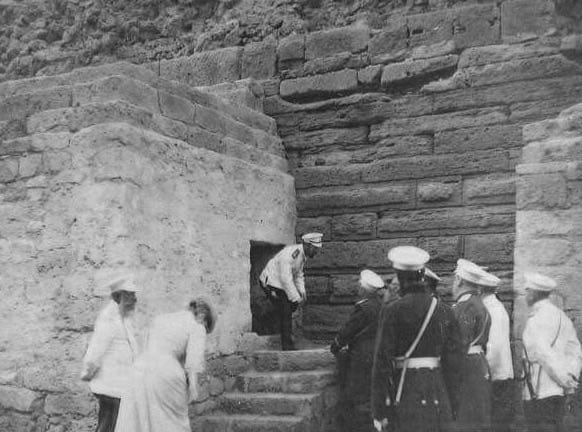
NB! · Archaeology · Archive · Monarchies · People
Nicholas II emerges from an adjoining wall crypt at Chersonesos. The original photograph is in Chersonesos; on the reverse side the censor has written "Not for publication". Because the Emperor had adopted an awkward posture
Archaeology · Observations · Humour
Saw an old woman pick up a potsherd from the ground, lick it on both sides, look at it and throw it away. An antiquarian or a soil scientist?
Archaeology · Architecture · Faith
The church is called the Basilica with the Ark at Chersonesos. It was built in the 6th century on top of an earlier amphitheatre, the tiers of which came to light beneath the floor of the church. There is even something allegorical in it: a temple raised on the site
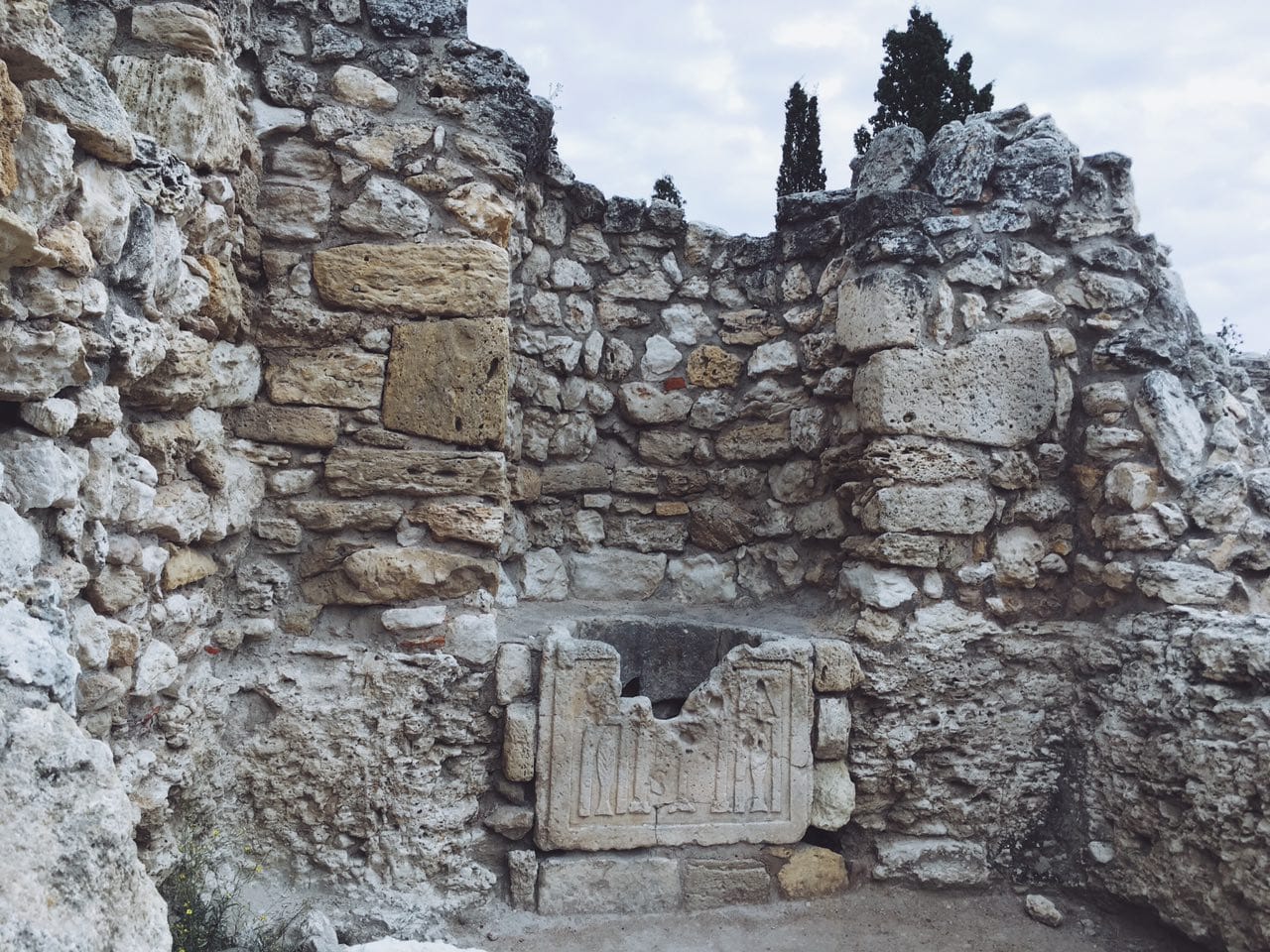
NB! · Archaeology · Faith · Museums · Saint Petersburg
The interior baptistery of the church, with the early Christian symbol of fishes. A silver reliquary bearing the seal of the Emperor Justinian I was discovered here; it is now on display in the Hermitage
Archaeology · Faith · Ethnography
Interestingly, a stepped altar of six to eight tiers was built beside the cave, and it survived until the later period of Chersonesos. A similar deification of caves is characteristic of the Maya, who raised pyramids over caves and subterranean lakes and regarded them as a link with the other