NB! · Archaeology · Observations

NB! · Archaeology · Observations
Archaeology · Observations · Heritage · Ethnography
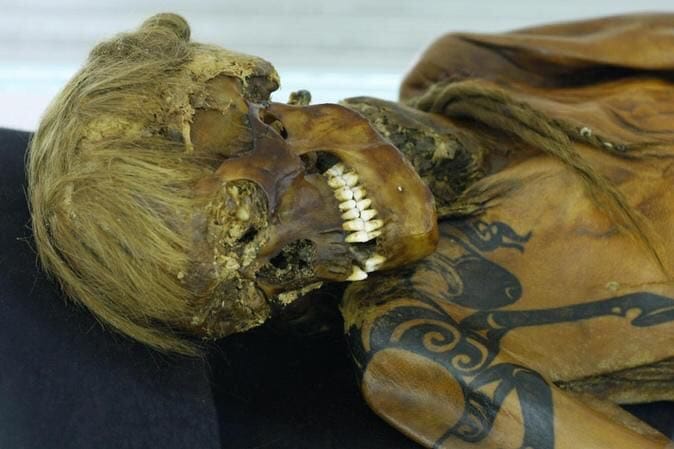
Why do I say alas? Because one truly wishes that the touching devotion of the people of Altai to their native mummies might be rewarded. The Ukok Princess was excavated in 1983, and her body was remarkably well preserved for its age of 2,500 years. All thanks to the
NB! · Archaeology · Museums · Heritage · Society · Ethnography
For years now the Altaians have been demanding that the Ukok Princess be returned home and committed to the earth. Though she is, in any case, kept in a museum in Gorno-Altaysk, she belongs to the Siberian Branch of the Russian Academy of Sciences, and the Altaian elders, alas,
NB! · Archaeology · Art · Museums
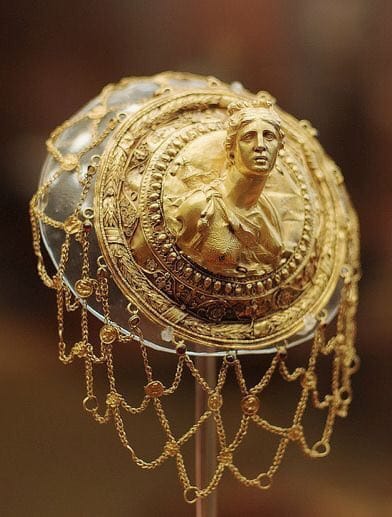
A woman's headdress of gold, Greece, 3rd century BC. Held in the Archaeological Museum in Athens
NB! · Archaeology · Architecture · Heritage
Coming Up · Archaeology · The East · Museums · Education · Saint Petersburg
The Hermitage Lecture Hall has launched a lecture series, “The Desert Castles of Khorezm”. Those of you in Saint Petersburg, do drop in for a cup of tea. Khorezm is a millennia-old Asian oasis, where excavations have uncovered settlements lost in the sands, irrigation works and necropolises. The next
NB! · Archaeology · Monarchies
NB! · Archaeology · Monarchies · Heritage · People
NB! · Archaeology · Museums · Rome · Humour
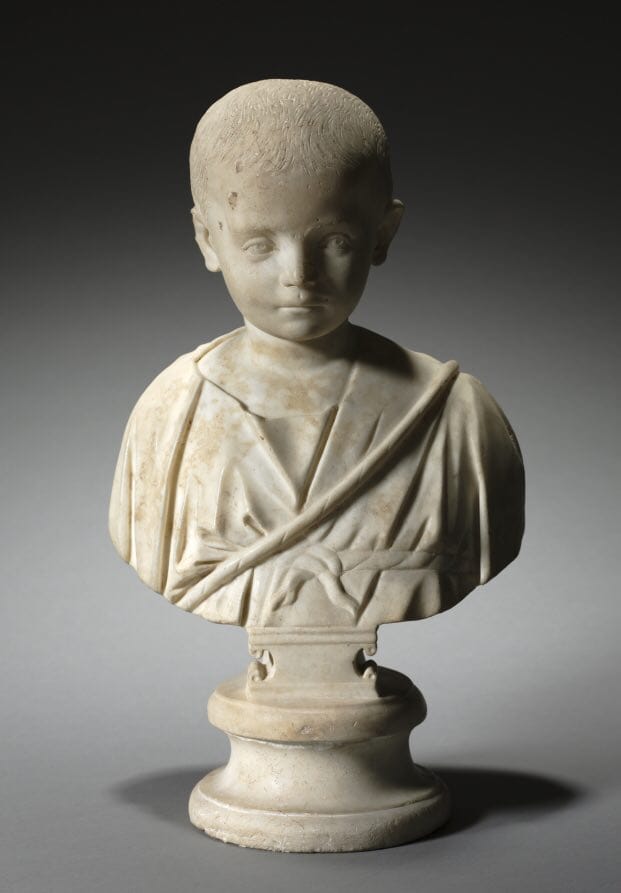
For a long time the child immortalised in a 3rd-century Roman sculpture was thought to be a boy, because of the short haircut. It has recently emerged that this type of toga was worn by girls. So much for assuming a gender identity
NB! · Archaeology · Museums · Humour
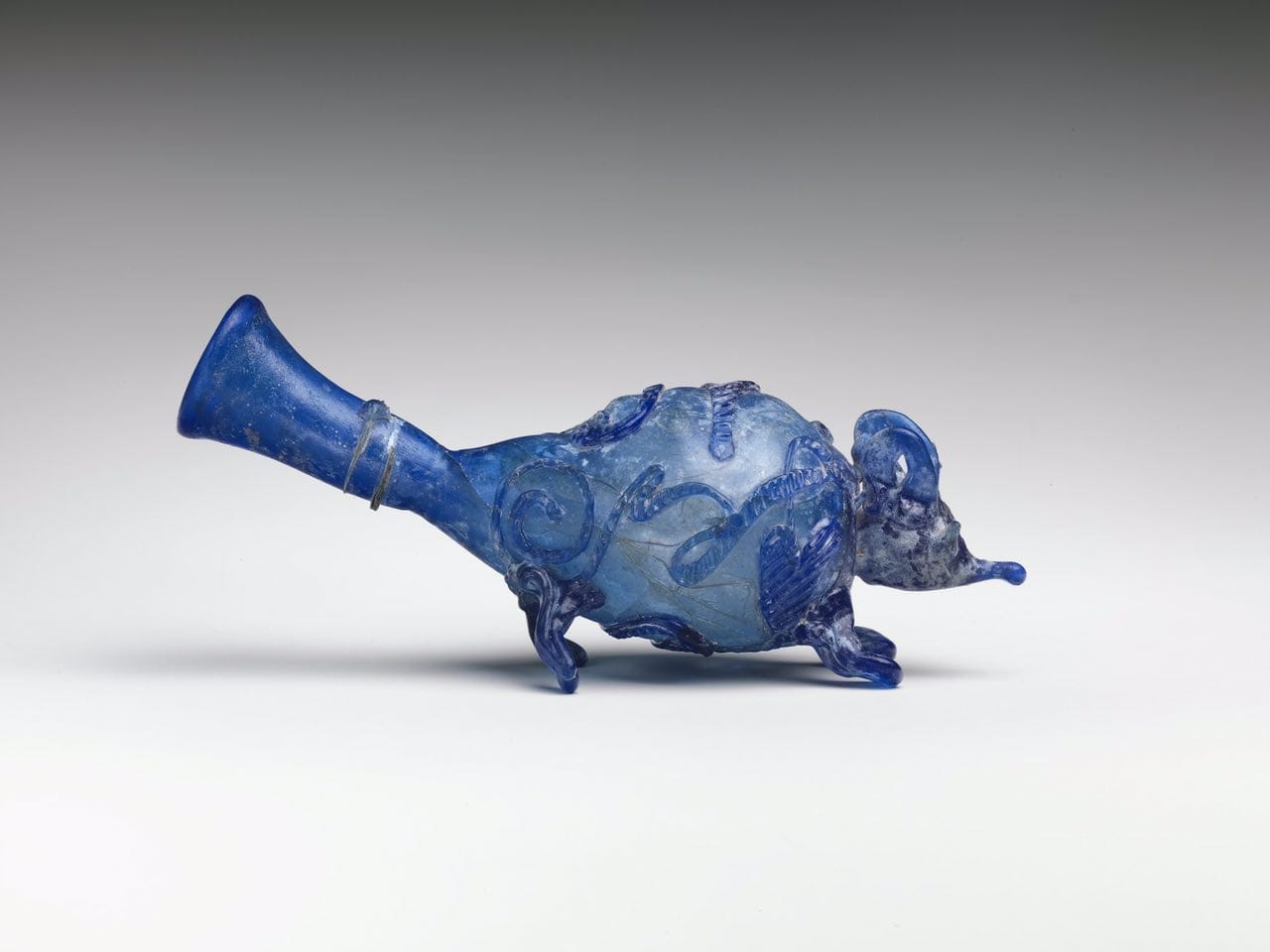
A vase in the shape of a mouse. 3rd century AD, Britain. The mouse's body is wound about with a cord in the form of a snake
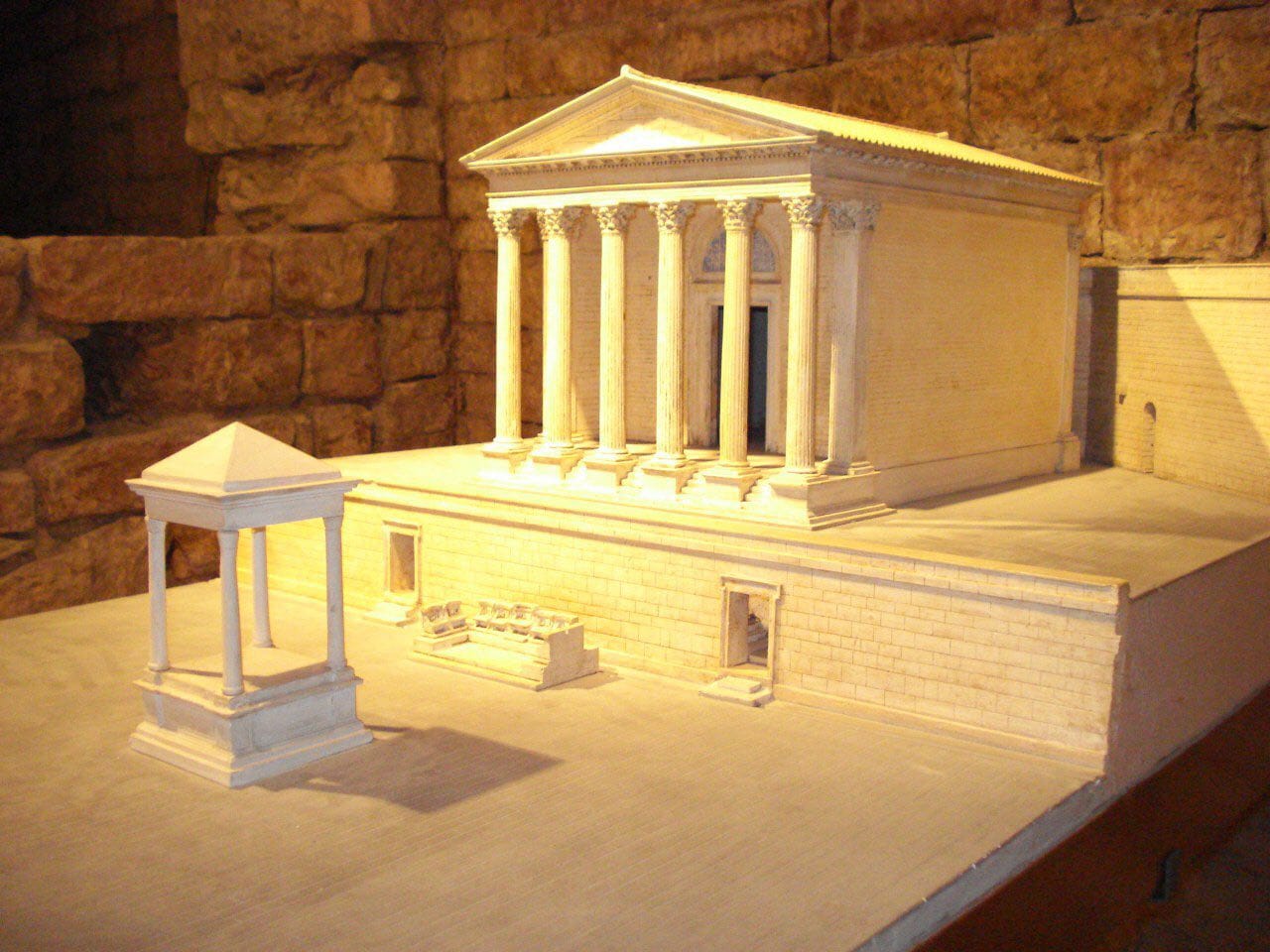
NB! · Archaeology · Architecture · Museums · Observations
Archaeology · Archive · Geography · Observations · Society
For the last week and a half I have been writing every day, sorting through old notes, editing and so forth. When I say old notes, I mean, for example, the field journals of the 1920s and 1930s from the Mongolian expedition and curious jottings on the Russian explorers of