NB! · Archaeology

NB! · Archaeology
NB! · Archaeology · Museums · Observations · Rome
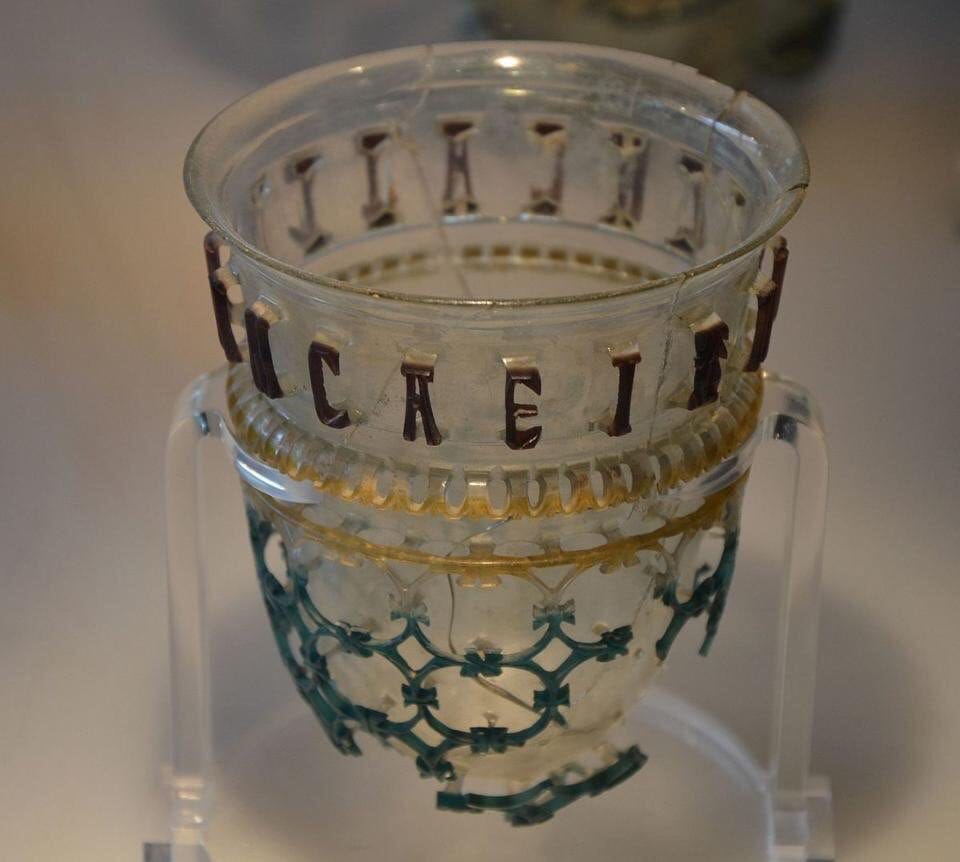
A fine Roman tumbler. I would not say no to a whole service of them
NB! · Archaeology · Observations · Ethnography
Archaeology · Observations · Science
Each version has its evidence: the first epidemic of syphilis did indeed break out after the American expedition, yet diseases resembling syphilis are described by Cornelius Celsus, Claudius Galen and Avicenna, and besides there have been finds of afflicted Neolithic bones. Be that as it may, similar diseases were treated
NB! · Archaeology · Architecture · Heritage
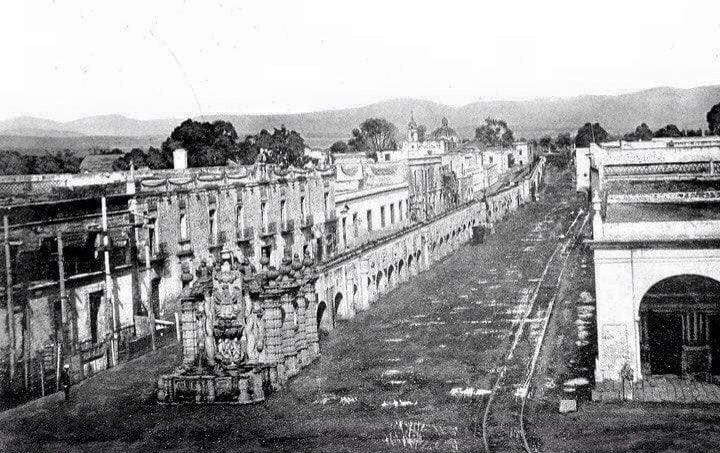
Of the Chapultepec aqueduct, which ran from Montezuma's residence to Tenochtitlan (3 km) and supplied the whole city with water, only 14 arches remain today. The Spaniards' seizure of the aqueduct proved decisive in the capture of the Aztec capital
NB! · Coming Up · Archaeology · Science · Education
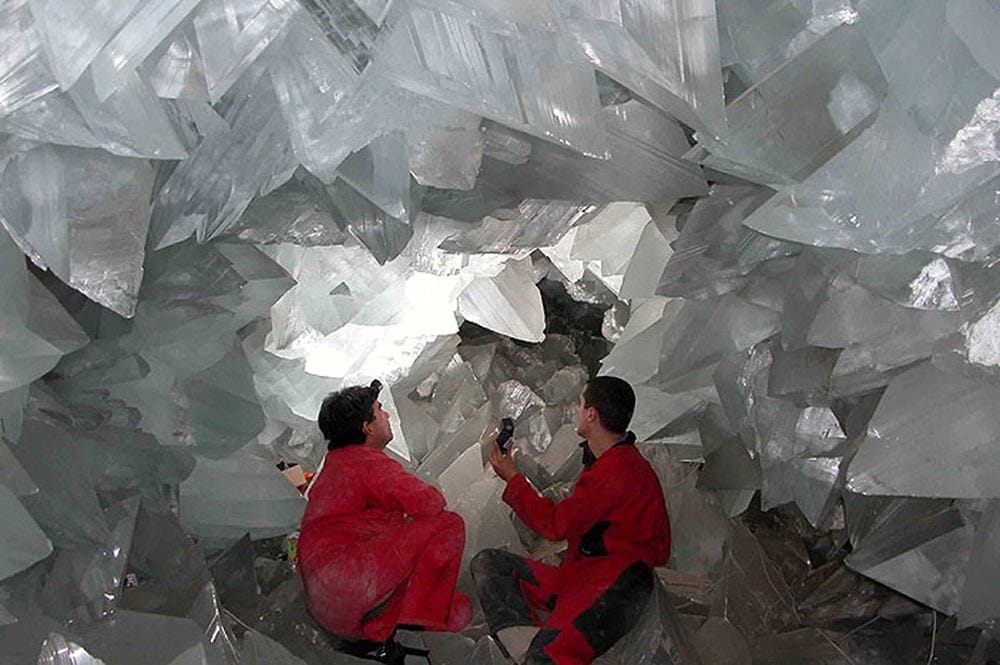
Applications and abstracts for the 4th Youth School of Geoarchaeology, organised by the Institute of Mineralogy of the Ural Branch of the Russian Academy of Sciences, are accepted until 20 February. The website, however, seems to have trouble with its encoding: https://clck.ru/AT6Mx
Archaeology · Geography · Science
Dorset borders another "geological" county of England: Devon, which gave its name to the fourth geological period of the Palaeozoic (419-358 million years ago). Rocks of the eponymous period are extremely widespread on Devonian soil. The county itself took its name from an ancient realm that occupied
NB! · Archaeology · Art · Museums · Paris · People
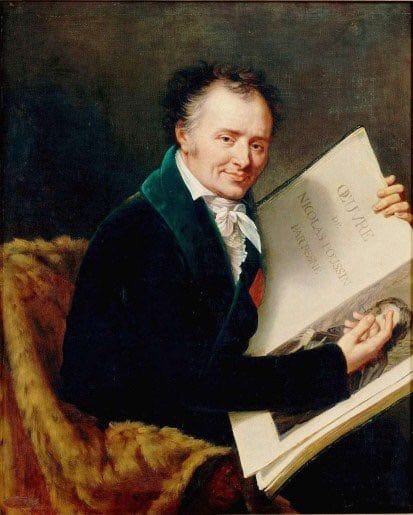
4 January: the birth of Vivant Denon, artist, Egyptologist, collector and first director of the Louvre. He accompanied Napoleon on the Egyptian campaign and, in his spare time, cultivated the friendship of Catherine the Great and Madame de Pompadour
NB! · Archaeology · Faith · Art · Museums · Rome
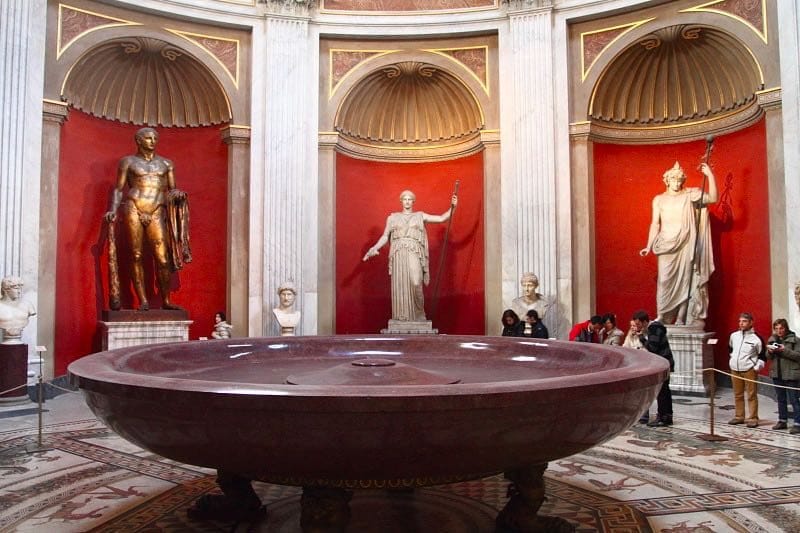
Porphyry bowl from Nero's Golden House, with a circumference of 13 metres. It is now in the Michelangelo Simonetti rotunda of the Belvedere Palace in the Vatican, home to the Museo Pio-Clementino (the museum of Clement XIV and Pius VI)
Archaeology · Ethnography
The Chinchorro people, who lived in what is now Chile and Peru, built no tombs, pyramids or even simple graves, which makes reconstructing their burial process extremely difficult. But the Chinchorro process of mummification is impressive. They removed the skin from the body, separated the muscles from the bones, and
NB! · Archaeology · Science · Ethnography
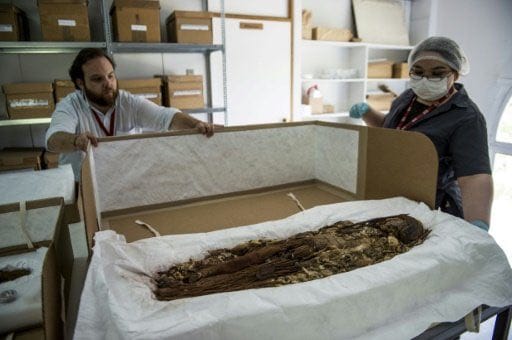
Chilean scientists have examined 15 mummies of the Chinchorro people, who lived on the Pacific coast of South America from the 10th to the 3rd millennium BC. These mummies are the oldest on earth, and several thousand years older than the Egyptian ones.
Archaeology · Faith · Science · Ethnography
By the time the Maya met the Europeans, the religions of Mesoamerica had been developing for three thousand years and were moving towards the idea of monotheism. The trouble is that the Spaniards came upon these religions at one particular stage, and it is that stage which they recorded in