NB! · Archaeology · The East · Museums

NB! · Archaeology · The East · Museums
Archaeology · The East · Museums · Paris
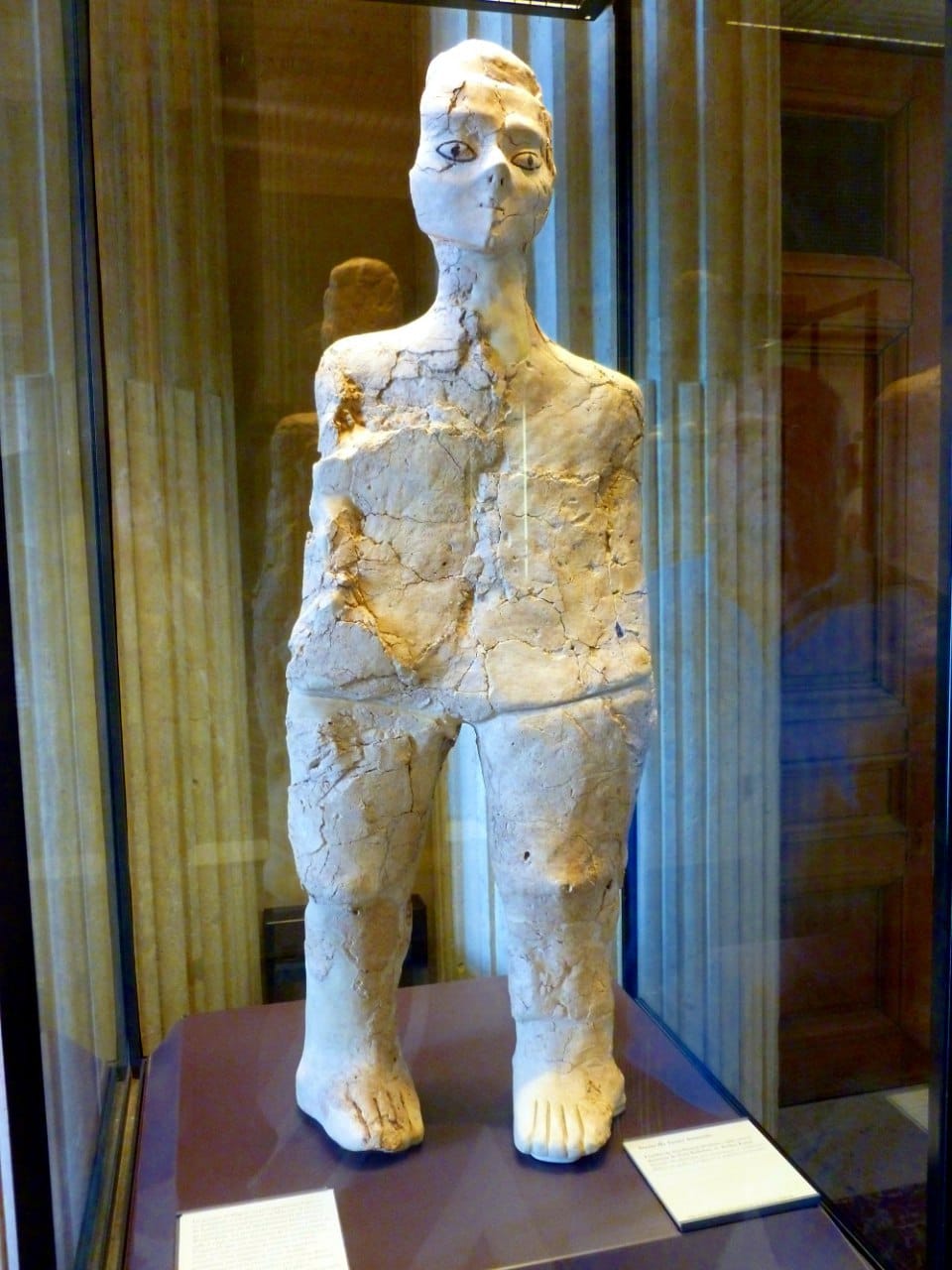
In 1984, road builders in Jordan discovered Ain Ghazal, the largest Neolithic settlement yet found, which at its height, in the 8th millennium BC, was home to 3,000 people. The population of Jericho in the same period is estimated at around 2,000. Ain Ghazal also covered 15 hectares,
NB! · Archaeology · Observations · Mores · Humour
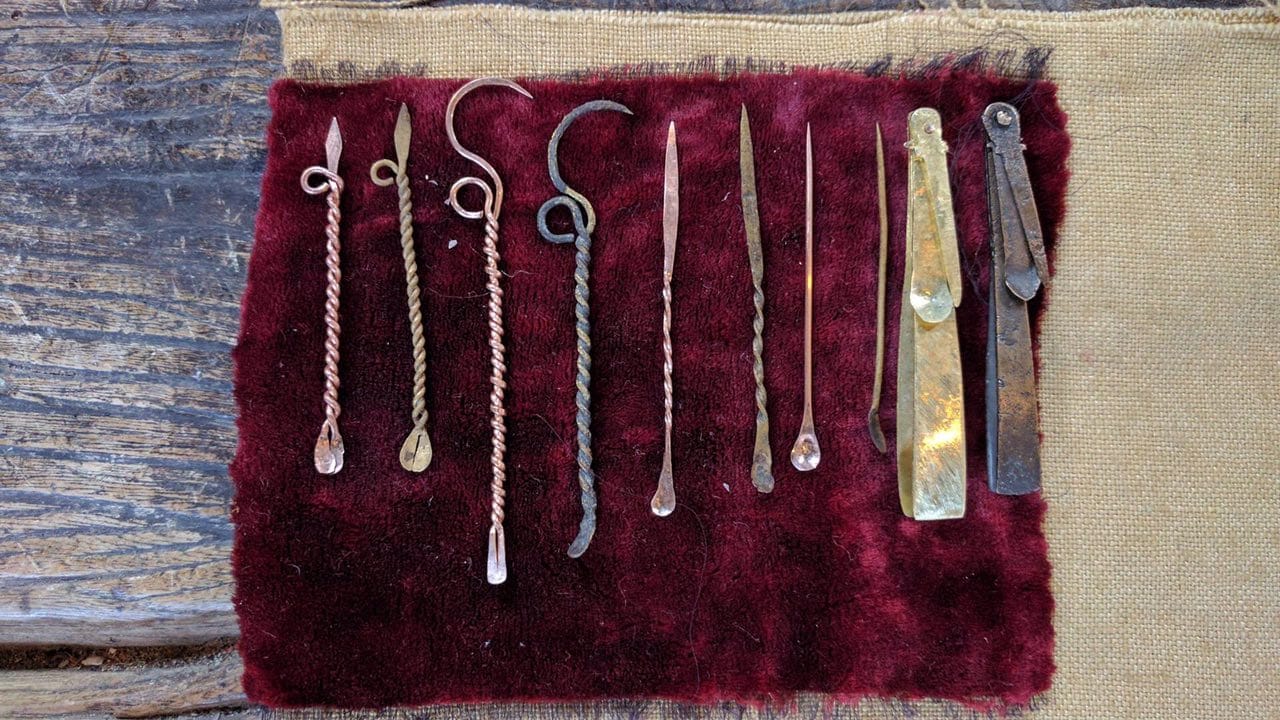
Looking at this manicure set (originals on the right, reconstructed tools on the left), I would not wish life in the Middle Ages on anyone!!! anyone!!! Well, except Louis-Philippe and Yana Rudkovskaya
NB! · Archaeology · Mores
NB! · Archaeology · Faith · The East · Art
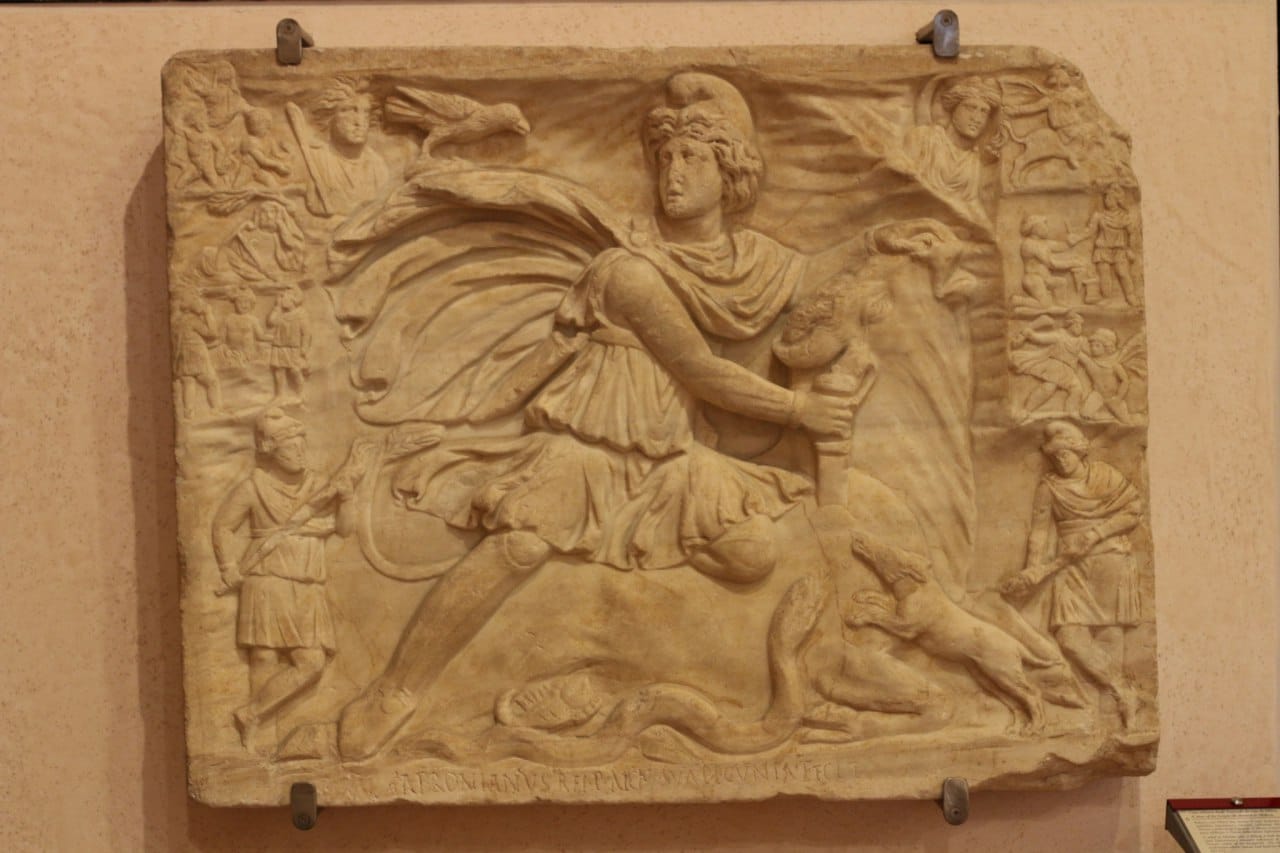
There is a theory that the Mithraic tauroctony was borrowed from the eschatological slaying of the bull in Zoroastrianism. In the bas-relief, a scorpion bites off the slain bull's penis
Archaeology · Faith · The East
A god named Mithra belonged to the Iranians, the Indo-Aryans and the Hellenes. Historians have reached no consensus on whether this is one deity or several. The Roman Mithras was seen at the beginning of our era as a serious rival to Jesus, with the worship of whom Mithraism
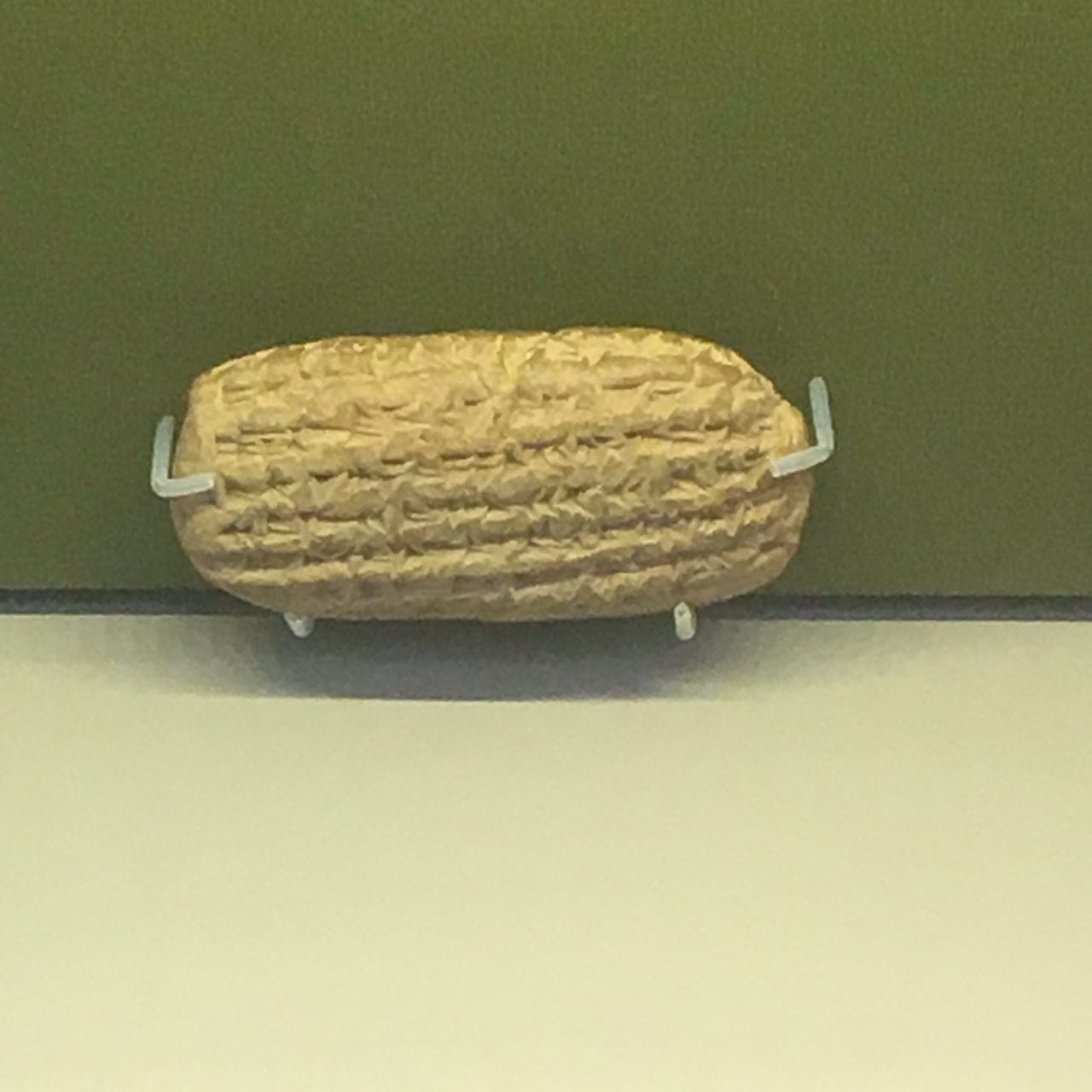
NB! · Archaeology · Archive · The East · People · Humour
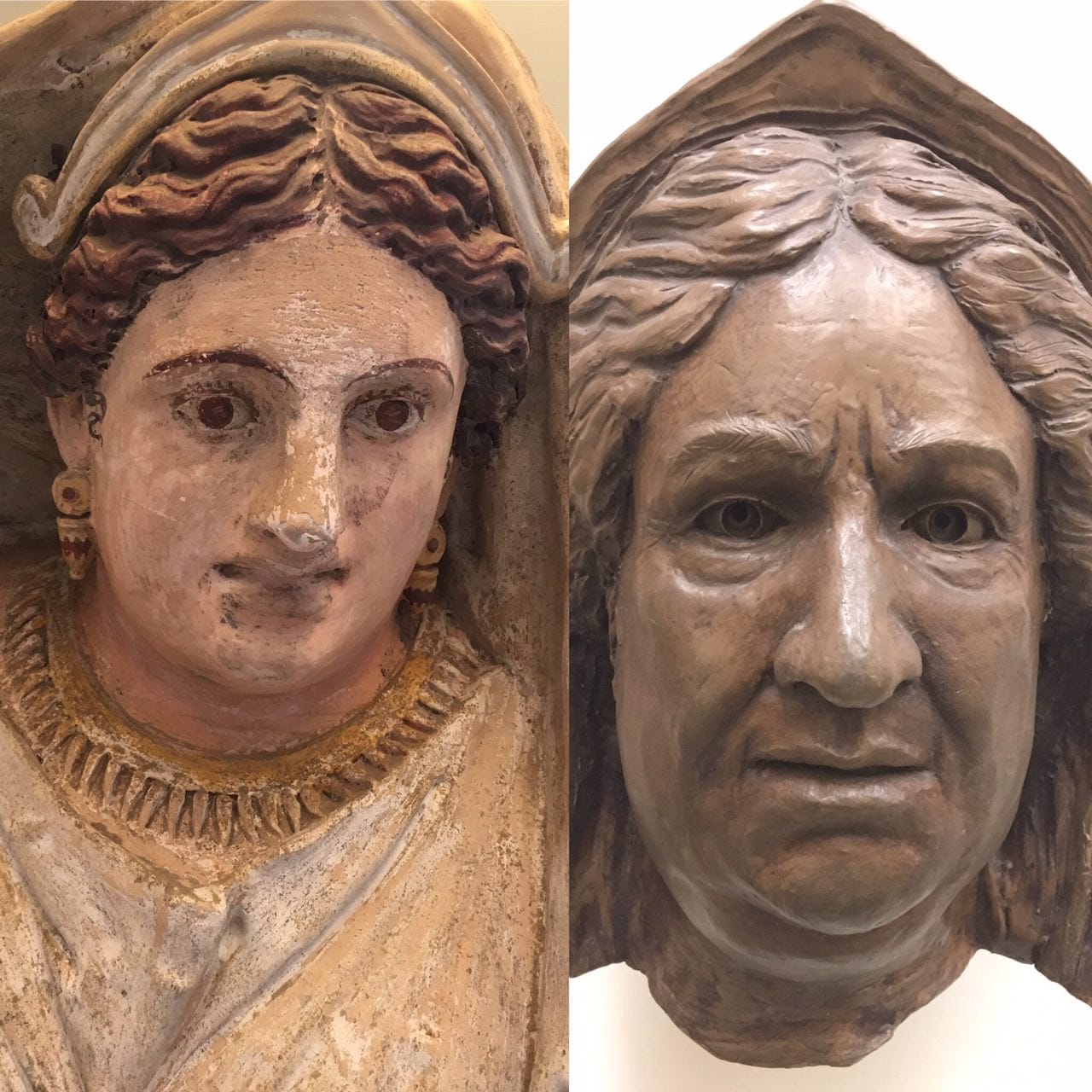
NB! · Archaeology · Science · Ethnography · Humour
Archaeology · Heritage · Ethnography
Even before the ban of 1977 nobody was forbidden to walk inside Stonehenge, but the fact that thousands of people laid hands on the megaliths caused considerable erosion. Nowadays, on ordinary days, the megalithic complex cannot be entered, but on the day of the summer solstice thousands of people gather
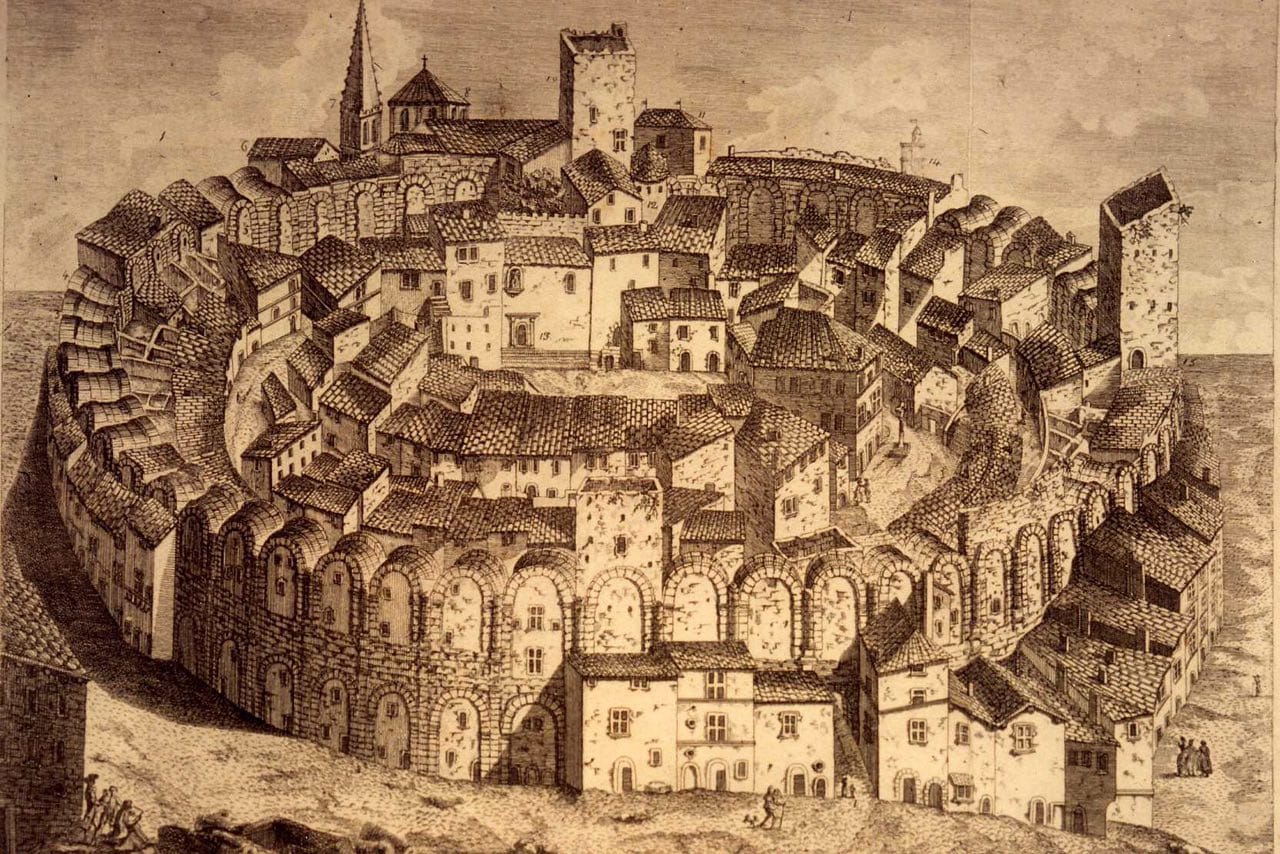
NB! · Archaeology · Architecture · Heritage
Archaeology · Faith · Monarchies
Some scholars believe that the chryselephantine Apollo of the 6th century BC was part of the ex-voto of Croesus, King of Lydia, to the Delphic oracle. An ex-voto is an offering to a deity or a priest in gratitude or in fulfilment of a vow. Votive objects have
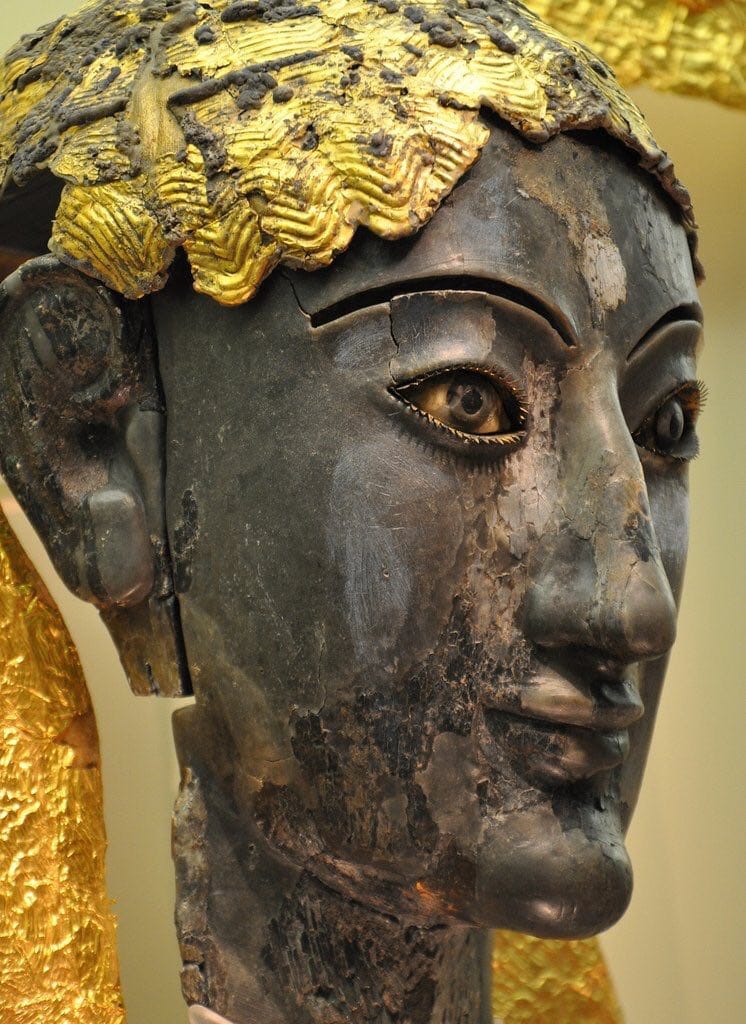
NB! · Archaeology · Art · Heritage
Chryselephantine sculpture: from chrysos (gold) and elephantinos (ivory). Statues with a wooden frame were covered in ivory and clothed in gold. Only fragments of these beautiful statues have survived to this day