NB! · Archaeology · The East · Madrid · Museums · People

NB! · Archaeology · The East · Madrid · Museums · People
Archaeology · Monarchies · Museums
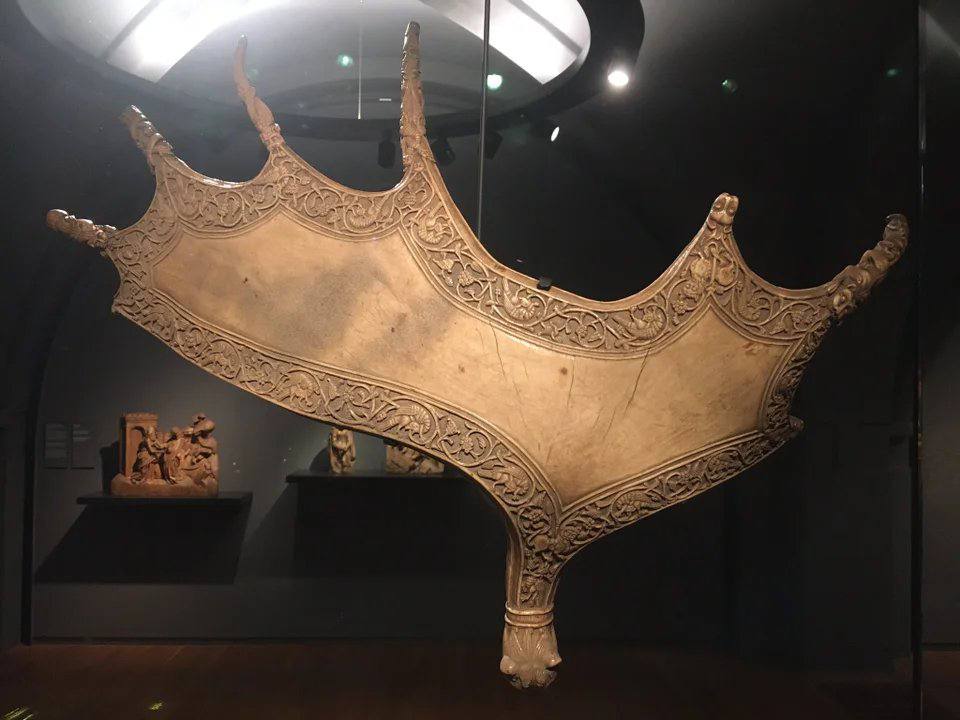
According to its catalogue description, the decorative shield comes from the funerary chapel of the Frankish king Louis the Pious. It is sometimes called “the shield of Charlemagne”, Louis the Pious having been Charlemagne's son. Still, the ornamental armour was most probably made several centuries after the death
Archaeology · Archive · Art · Rome
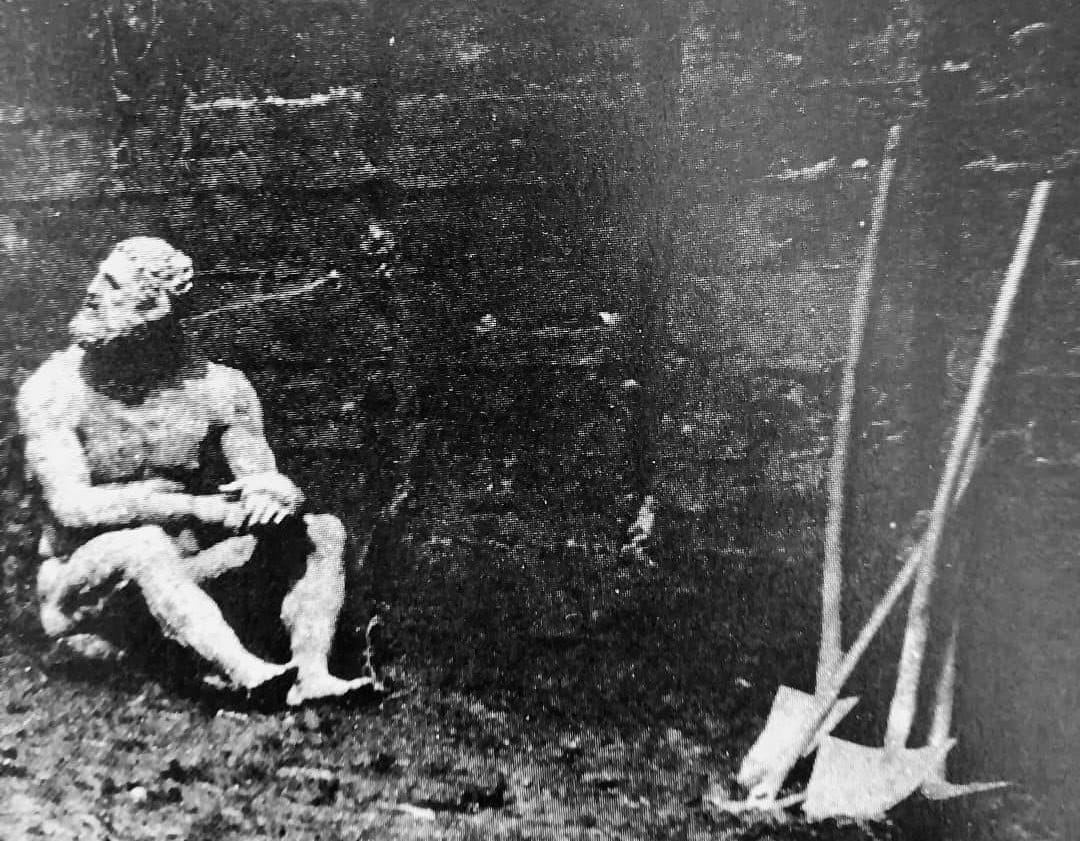
Footage from the excavation of one of the most famous boxers in the world. The so-called Boxer at Rest was found in Rome, on the Quirinal Hill, in 1885. Fortunately, a photographer happened to be present at the dig, and we can watch this bronze athlete of the 2nd-
NB! · Archaeology · Mores · Ethnography
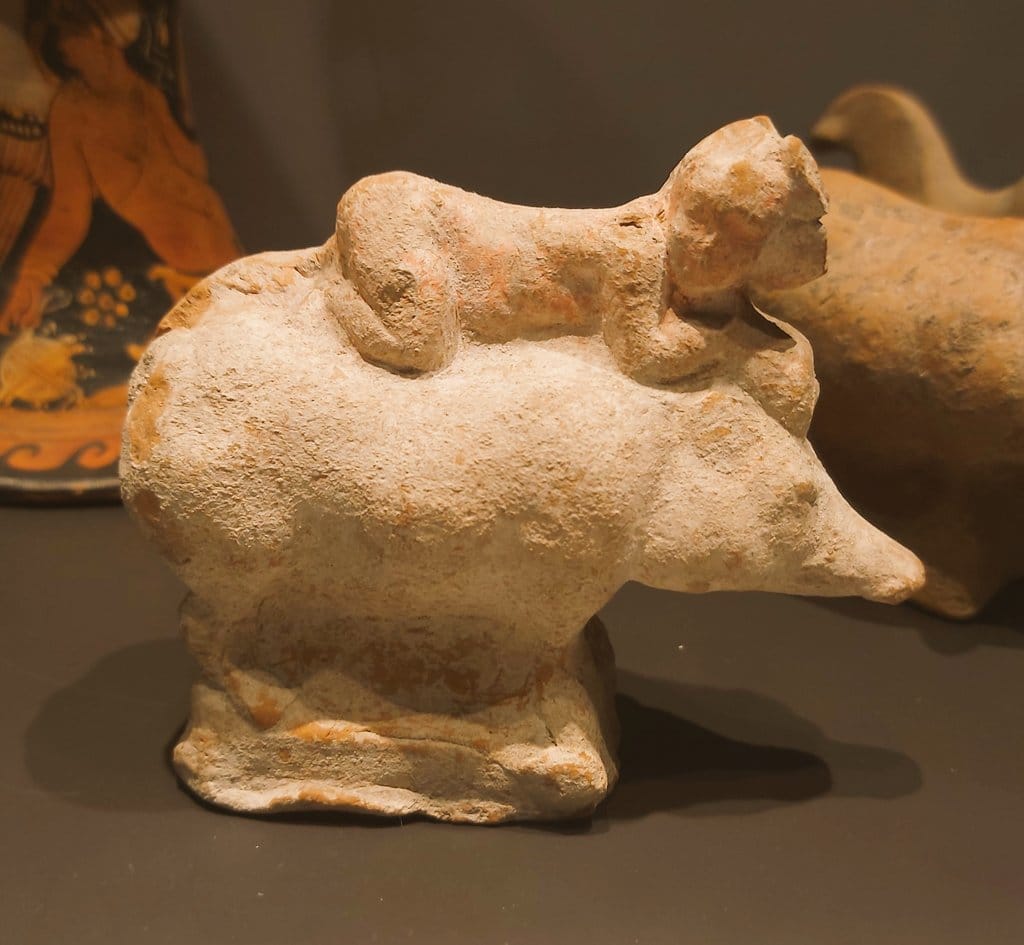
A child riding a pig, 3rd century BC, Taranto, Italy. Even over two thousand years ago children played with rattles, but besides entertainment the rattle also served as an amulet: the sound made by the pebbles inside was believed capable of frightening off evil powers
Archaeology · Art · Museums
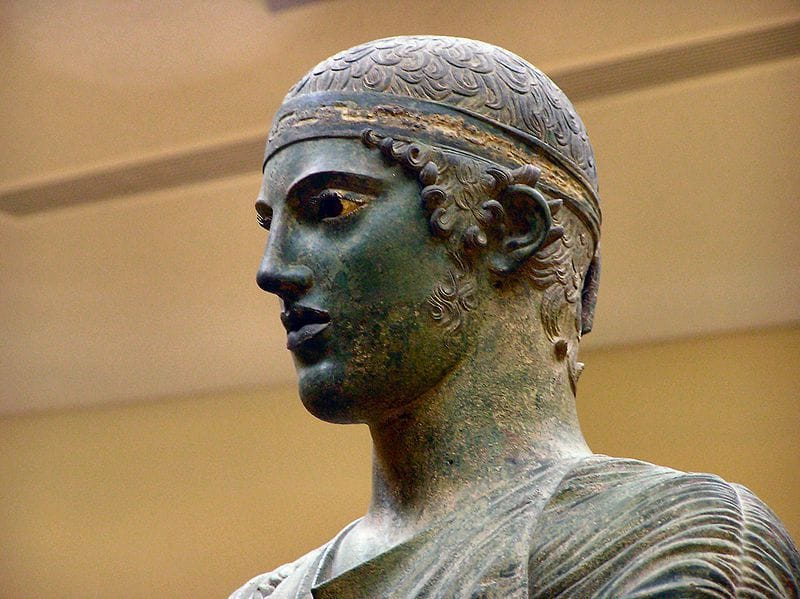
The Charioteer of Delphi, one of the most photographed statues in the world, sometimes called the Mona Lisa of Ancient Greece, was created between 470 and 466 BC and has survived to our day, or rather to its discovery in the spring of 1896, thanks to a landslide brought down
NB! · Archaeology · Geography · Maps
NB! · Archaeology · Architecture · Faith · The East · Heritage
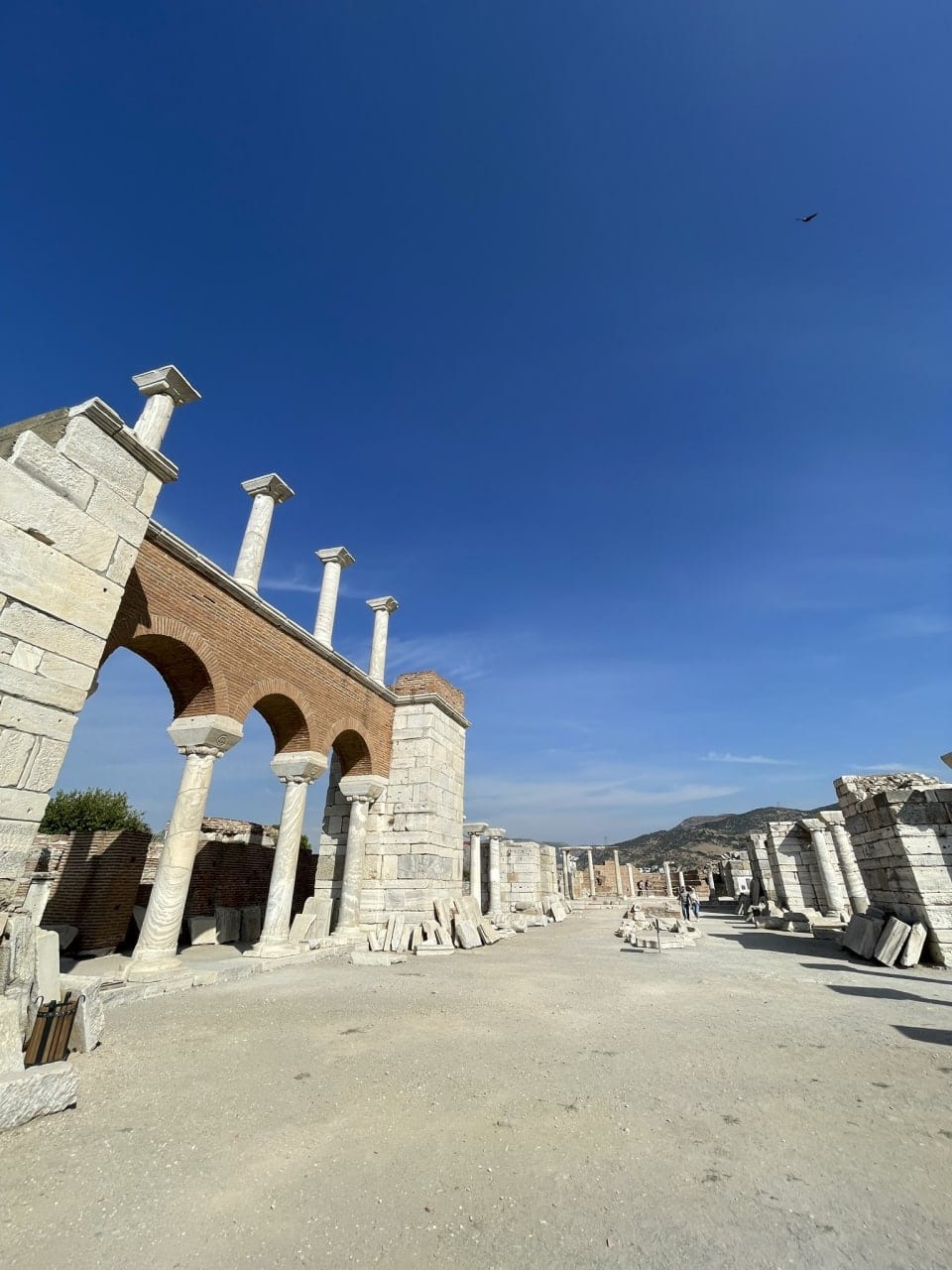
The ruins of the 6th-century Church of Saint John the Theologian in Selçuk, Turkey. According to one version, the church stands on the site of the burial of John the Theologian

NB! · Archaeology · Humour
NB! · Archaeology · Art · Museums · Humour
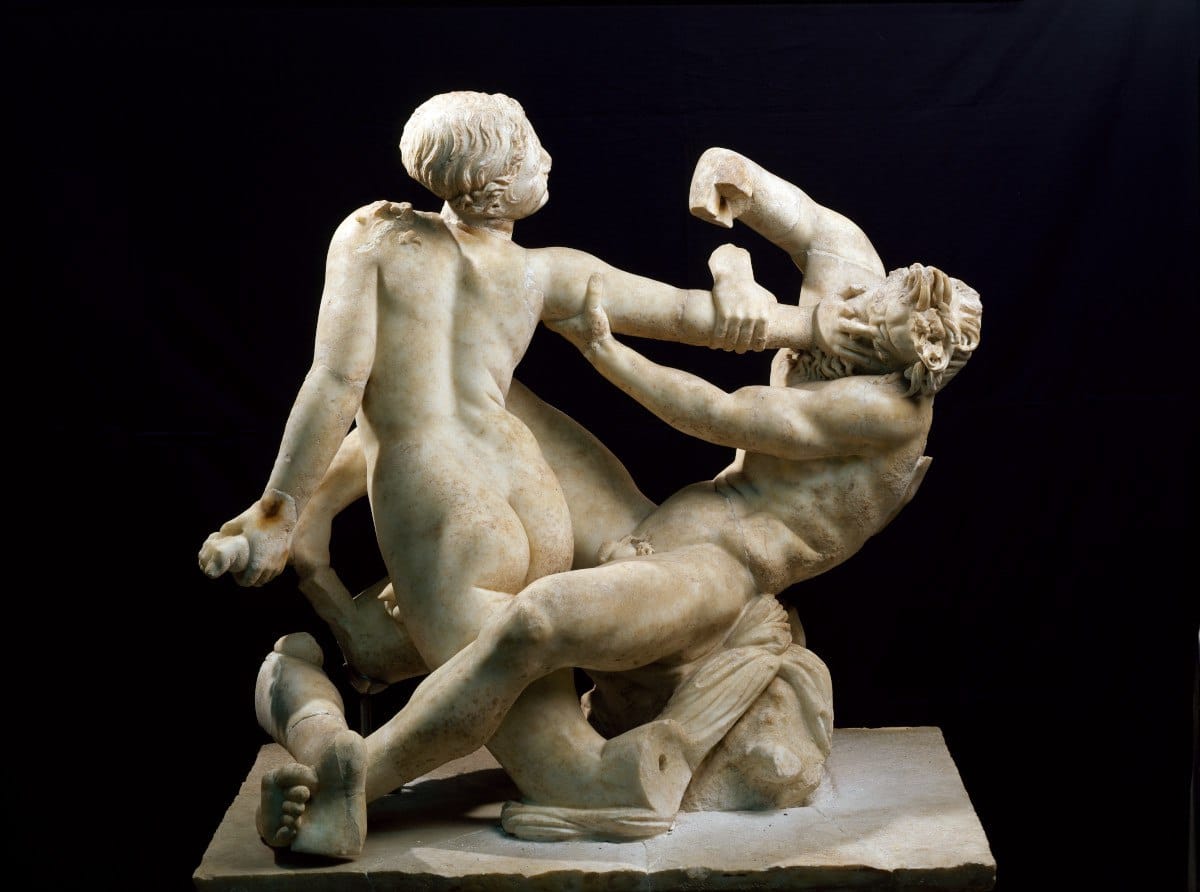
Archaeology · Art · Mores
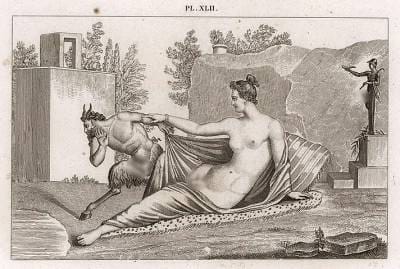
A sculptural group of entwined bodies is called a symplegma. The symplegma of the 1st century AD, found in ancient Oplontis, depicts Hermaphroditus and a Satyr. Hermaphroditus, the son of Hermes and Aphrodite, is undergoing an extraordinary metamorphosis, while the satyr, who had not expected such a turn of events,
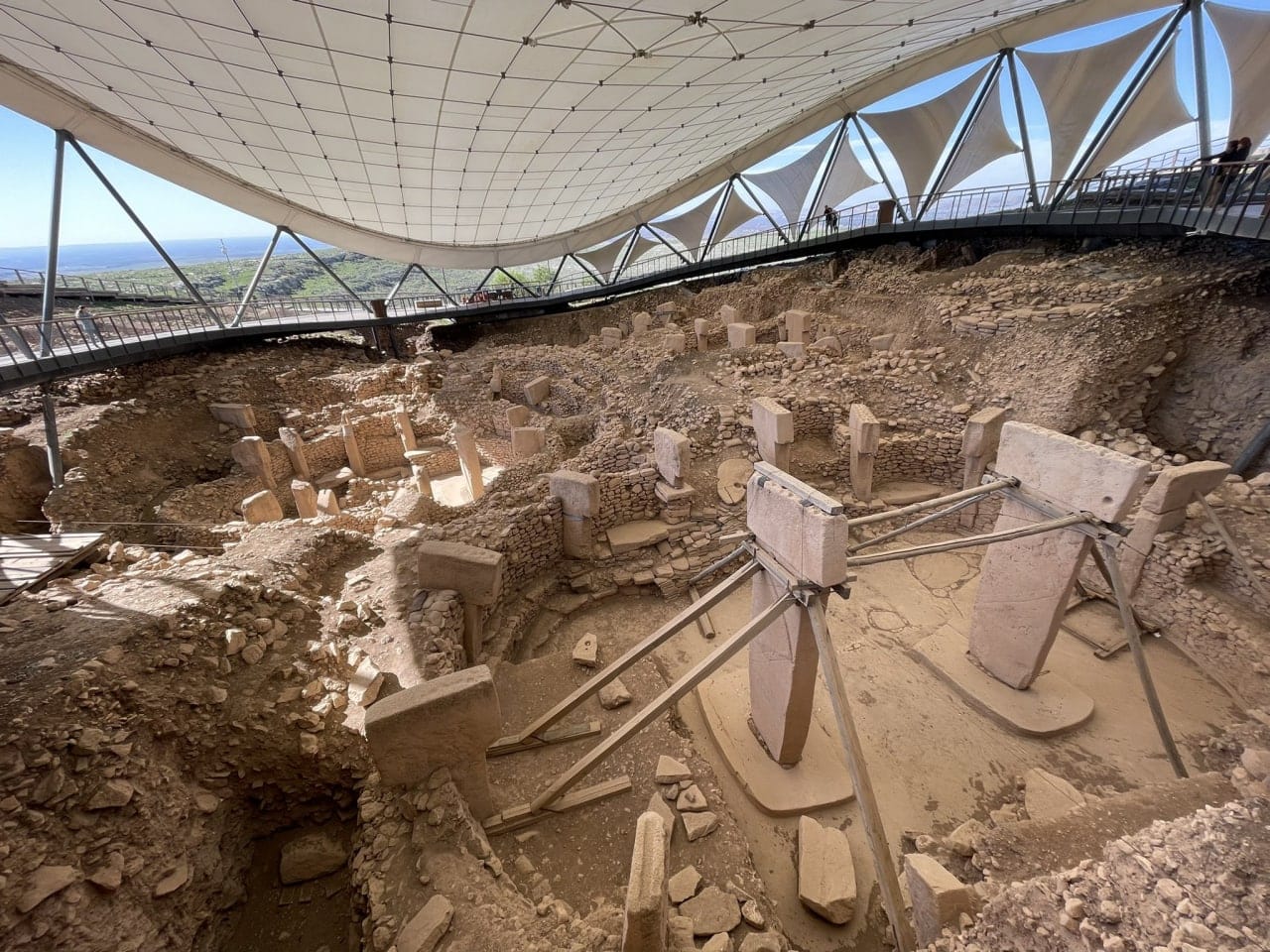
Archaeology · The East · Science
Göbekli Tepe in South-Eastern Anatolia is considered the oldest of the large megalithic structures in the world, its age estimated at 12 to 9 thousand years. The building of temples on this site began as early as the Mesolithic, which attests to the existence of a highly organised society
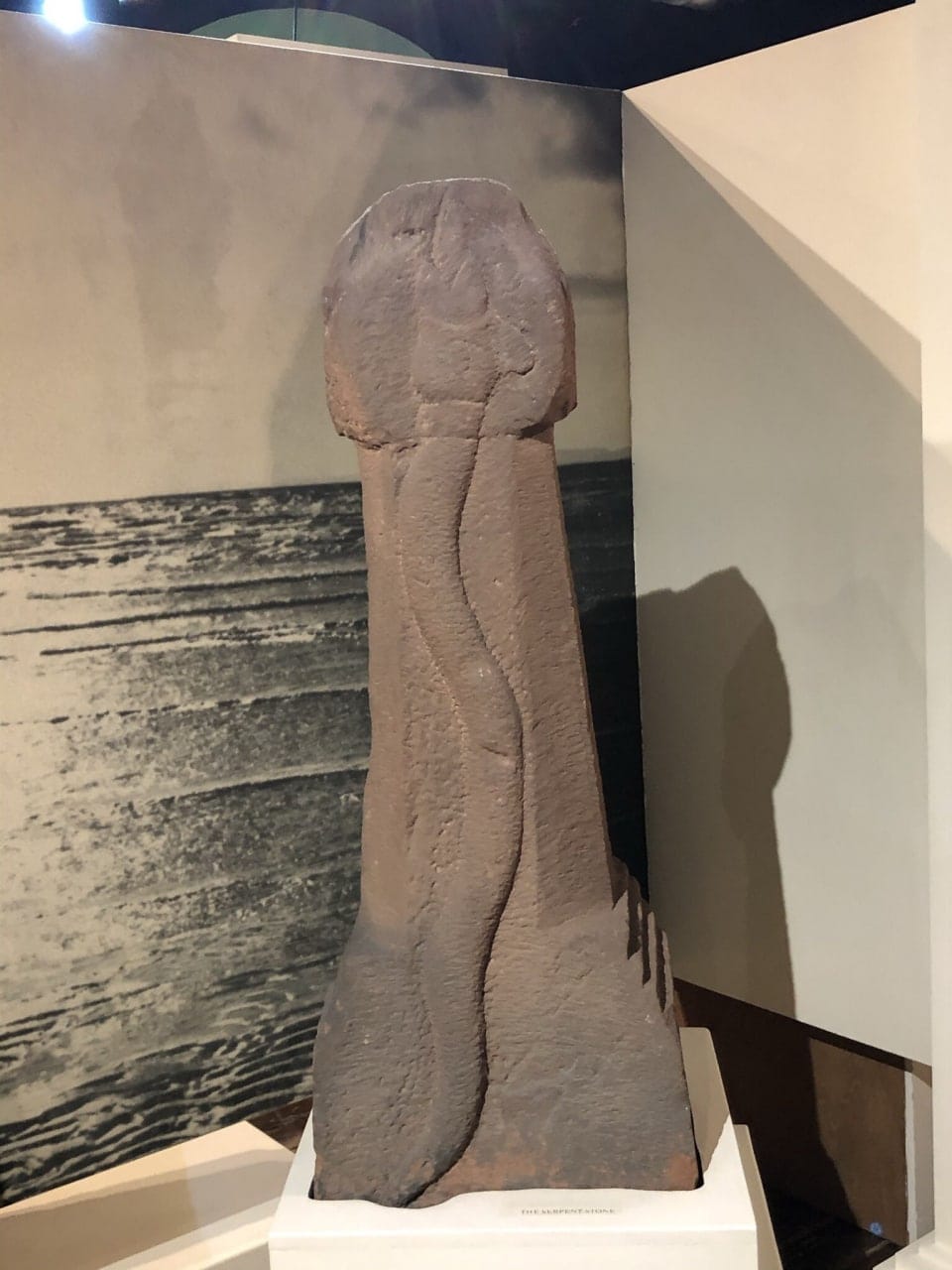
Archaeology · Observations · Ethnography · Humour
Good morning! Here is the so-called Serpent Stone from the Roman civilian settlement of Alauna in Britain. The meeting of Celtic traditional beliefs and Roman symbolism looks for all the world like Aesculapius' serpent that has failed to coil itself around a phallus of considerable girth. Such stones