NB! · Archaeology · Art · Nature

NB! · Archaeology · Art · Nature
NB! · Archaeology · Architecture · Heritage
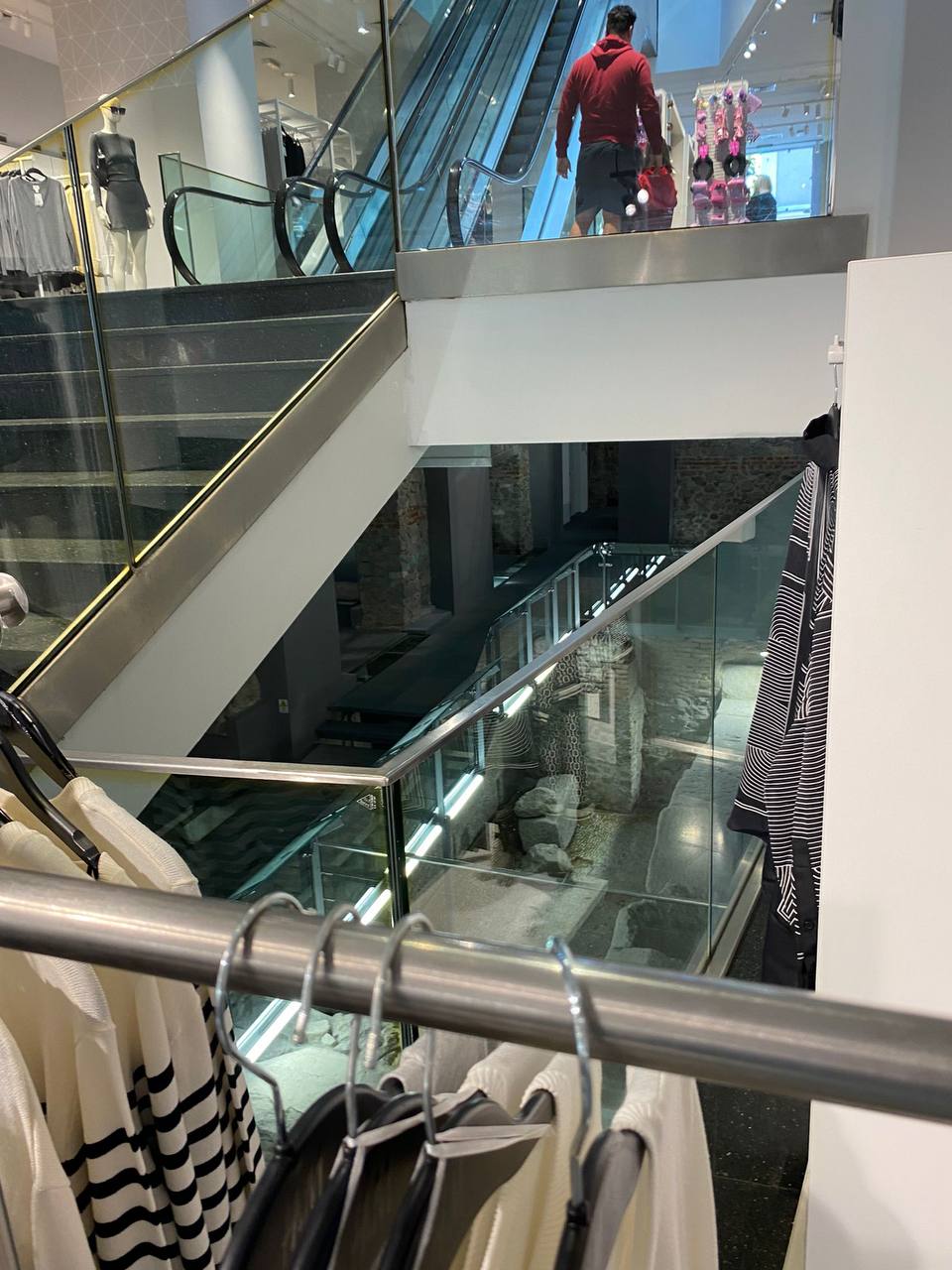
Beneath an H&M in Plovdiv, Bulgaria, lie the remains of an ancient Roman stadium, open to all who care to look. Entirely free of charge: one need only descend to the menswear department
NB! · Archaeology · Architecture
NB! · Archaeology · Heritage · Rome
Archaeology · The East · Museums · Heritage
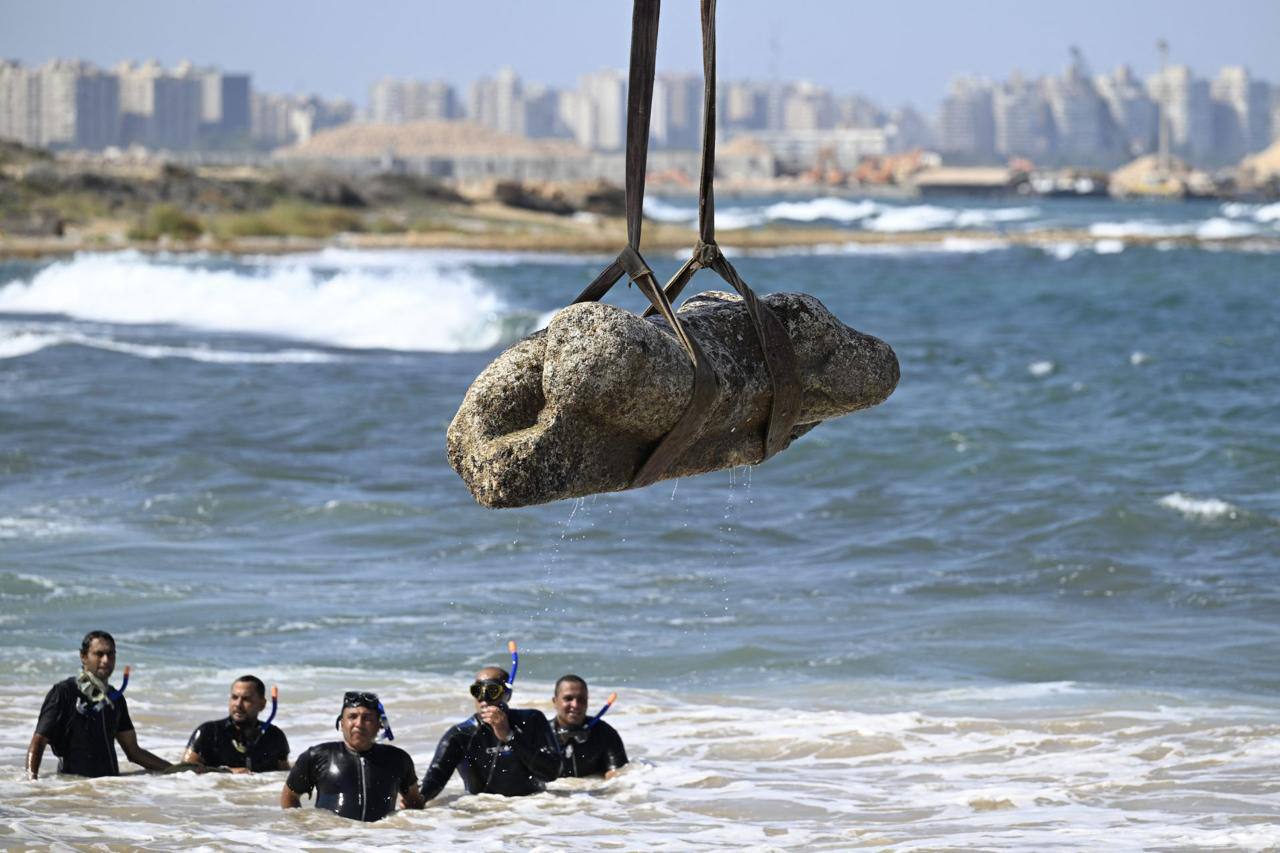
Ruins of the sunken city of Canopus have been found off the coast of Alexandria in Egypt. During excavations, archaeologists uncovered limestone buildings, an ancient dock, water reservoirs and monumental statues, among them a sphinx bearing images of the pharaoh Ramesses II. The port of Canopus was one of the
Archaeology · Art · Books · Observations · Heritage
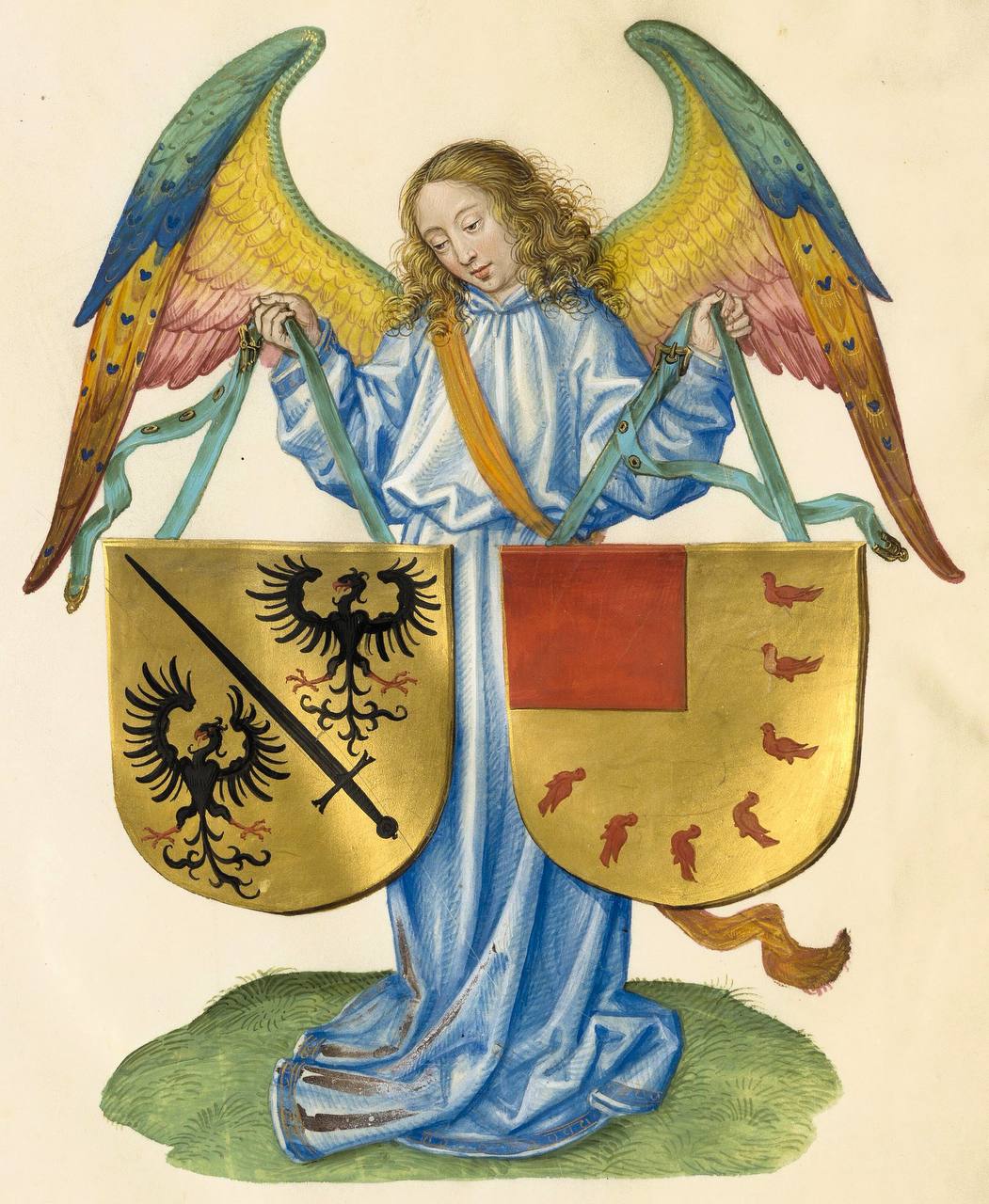
As Virginia Woolf wrote in "The Waves", “Life is the mainspring of a watch. How swiftly life runs from January to December! We are borne along by a stream of things, so familiar now that they cast no shadows. We float, we float…”. I hope that one more
Archaeology · The East · Observations
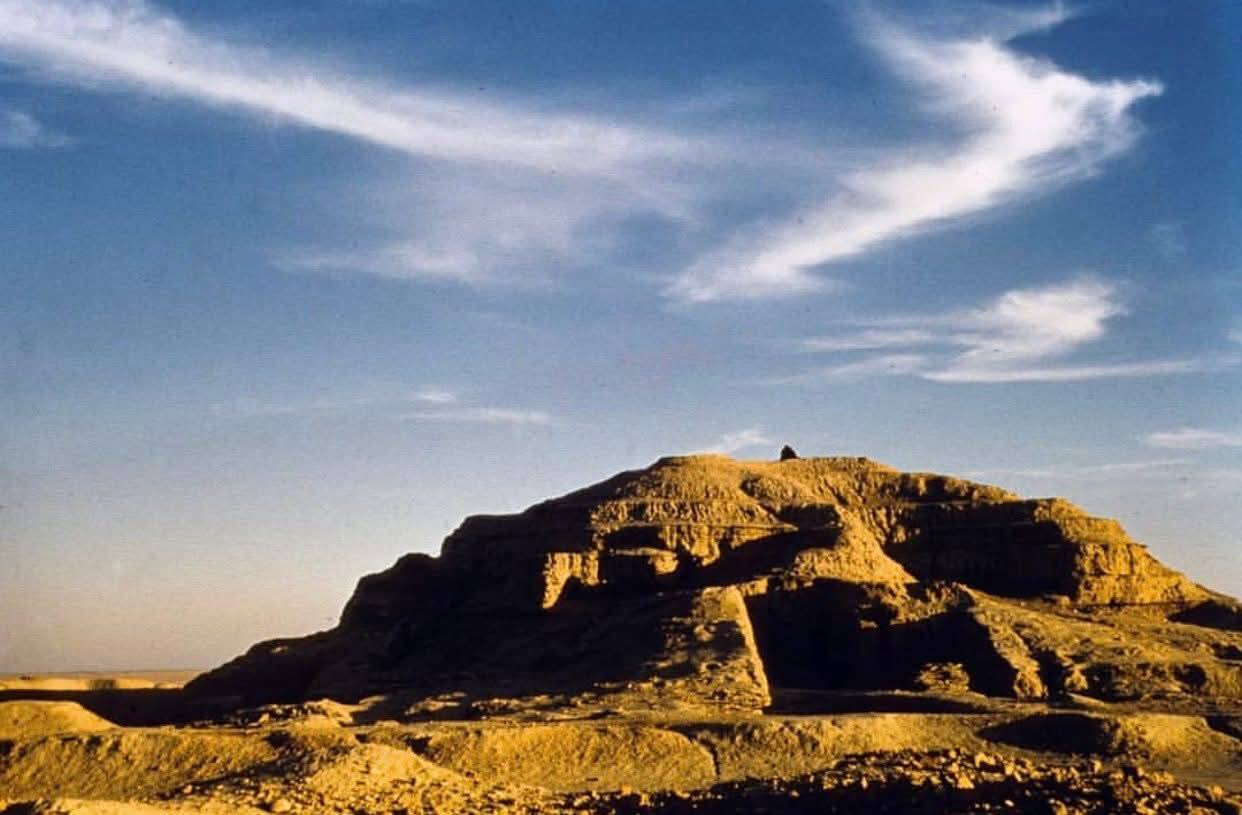
When I looked out of the car window as a child at such strange hills, it seemed to me that inside them there were secret rooms, corridors, whole buildings and defensive towers. If you take a closer look at the ruins of Uruk, that is just how it turns out.
NB! · Archaeology · The East · Museums
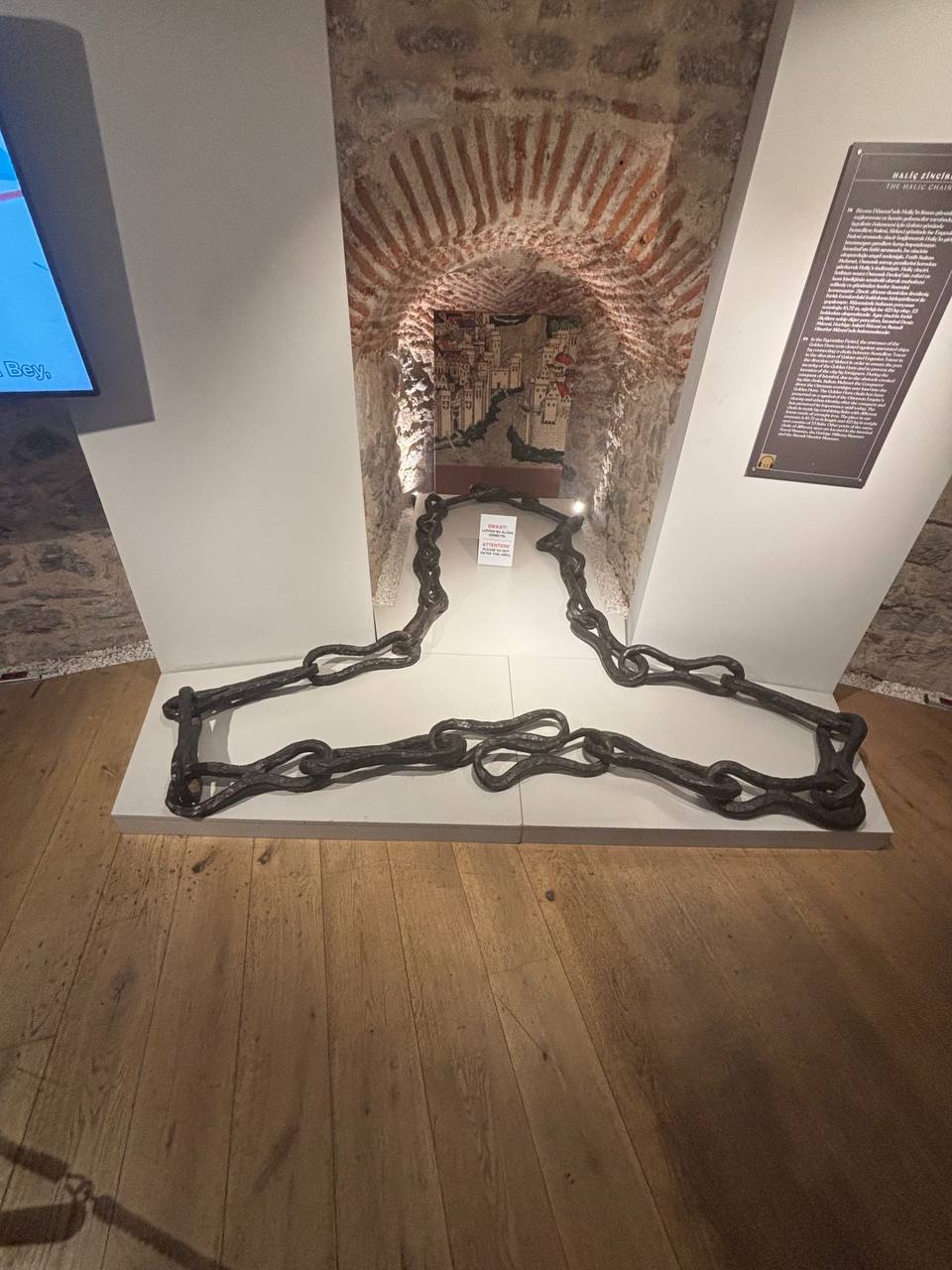
Part of the great chain that guarded the approach to Constantinople from the sea. Galata Tower Museum, Istanbul. A link just like this one, or this very one, was formerly displayed at the Archaeological Museum
Archaeology · Architecture · Heritage
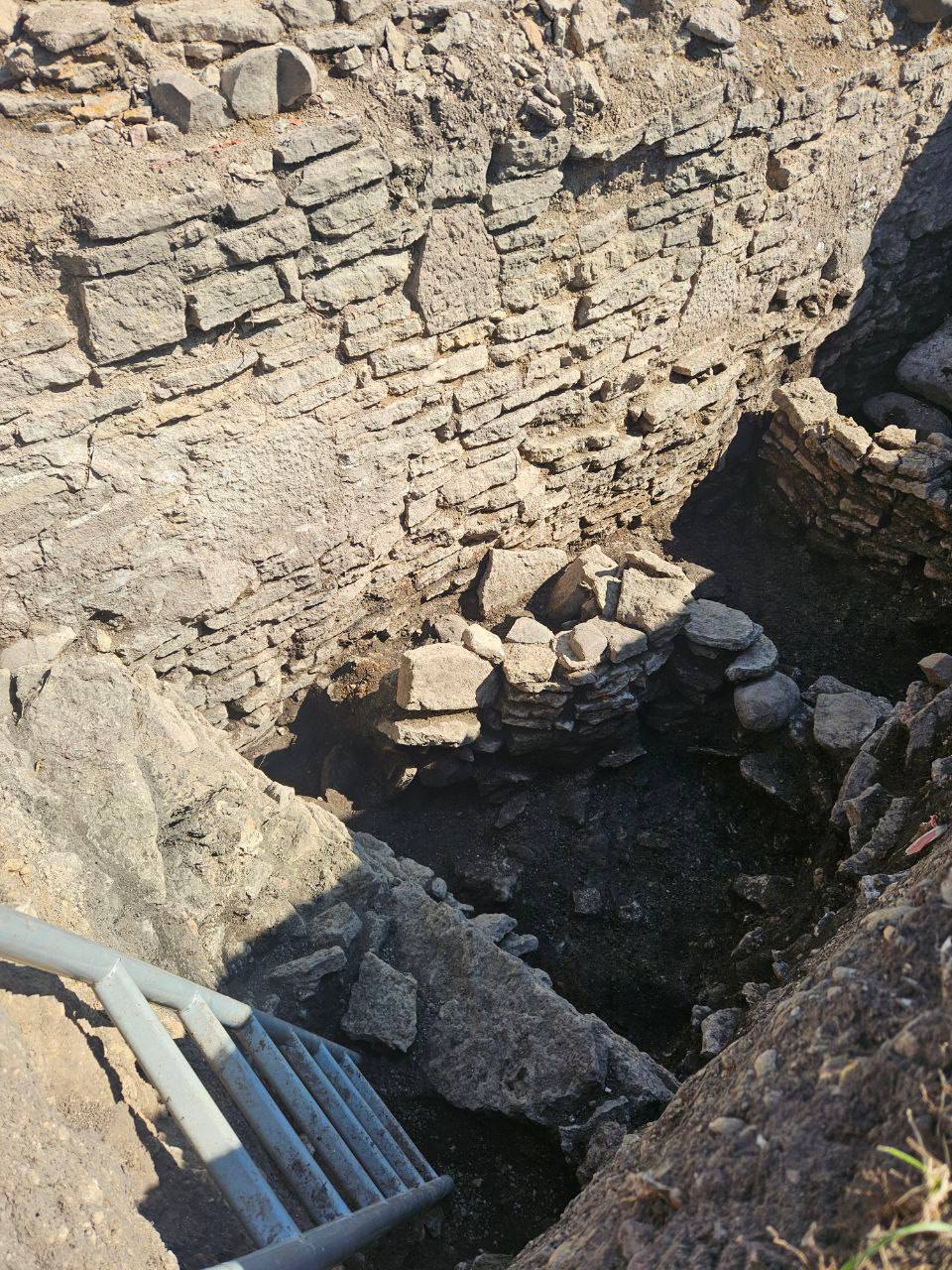
Originally the Ladoga fortress was protected by wooden walls, built after an enemy raid around 860-870, and only in the 10th century was a mighty stone fortification raised in their place. Staraya Ladoga, founded no later than the middle of the 7th century, is among the oldest settlements in
NB! · Archaeology · Art · Museums · Rome
Archaeology
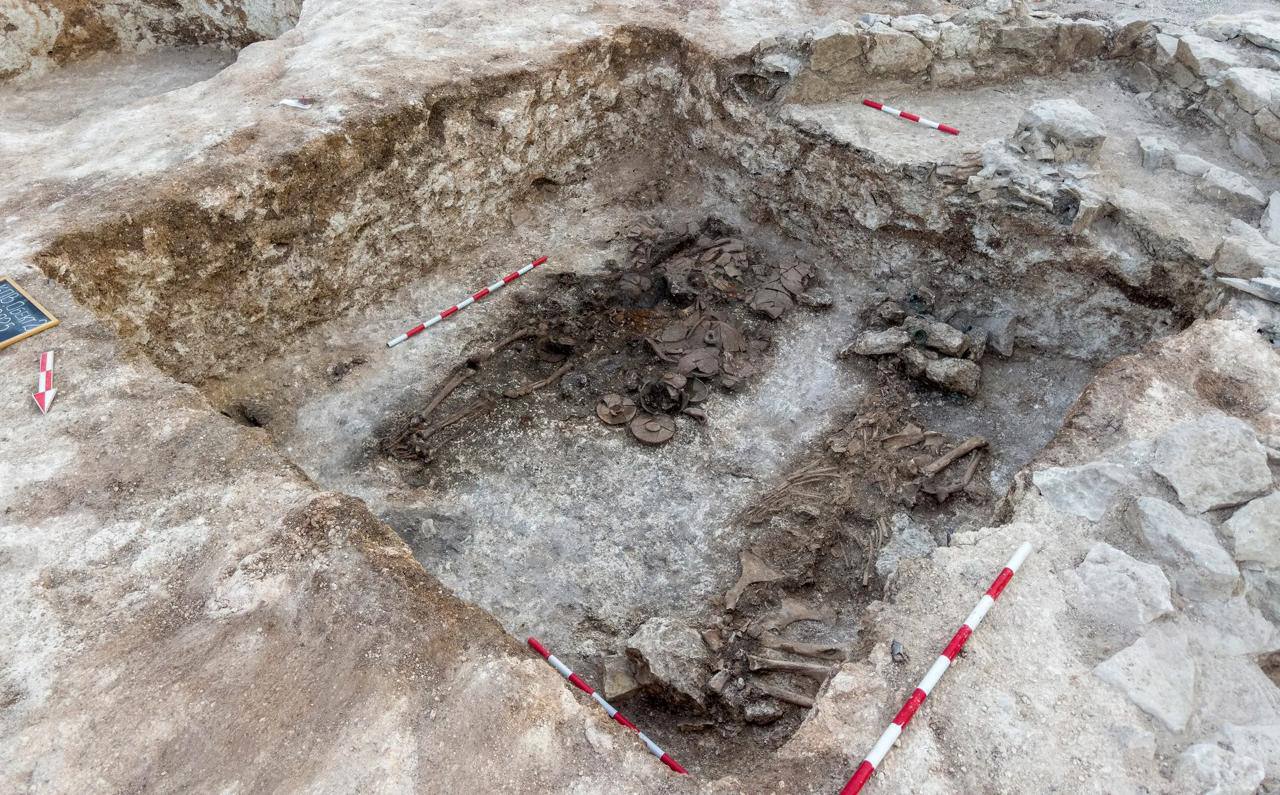
The tomb belonged to a high-ranking Thracian warrior, buried together with his war horse and a great quantity of precious objects. The Thracians were an Indo-European people who emerged in the Bronze Age. They lived in the Balkans and historically occupied a territory that includes most of present-
Archaeology · Heritage · Nature
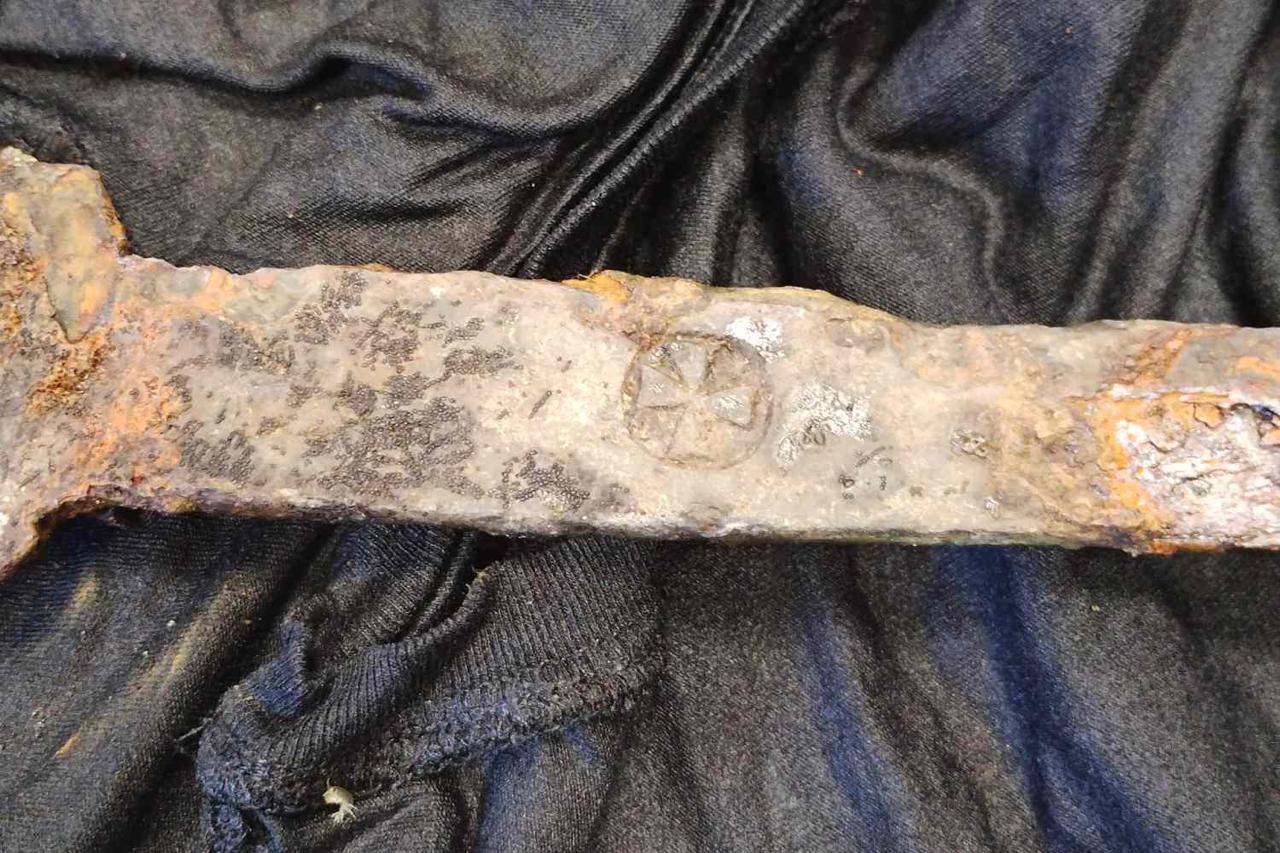
A Polish angler has pulled a medieval sword from the Vistula. As the law requires, he handed the find over to the capital's Office for the Protection of Monuments. According to preliminary estimates, the sword dates from the 13th to 14th centuries, the time of the founding of