Tell Me, Damoetas, Whose Flock?
Tell me, Damoetas, whose flock is this? Is it Meliboeus'?
"You are mistaken, Aegon: it is another's. But let it be, for often Thyrsis himself called out to me, and Aegon answered."
<a lengthy, bantering conversation of the shepherds>
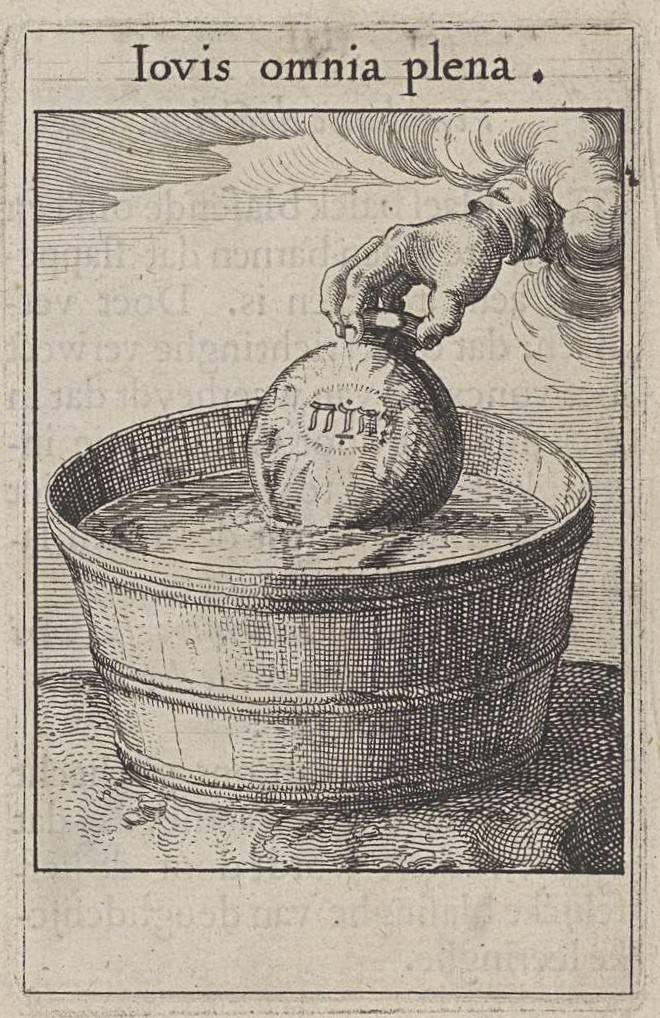
With Jove, Muses, let us begin: all things are full of Jove;
he tills the earth, to him my songs are dear.
Now the birds of Marmarida and the Moorish ploughman praise you,
and he who still comes to you, Palaemon, in your realms.
Virgil, translated by Fet.
Virgil's phrase "all things are full of God (Jupiter)" occurs in alchemical treatises as an assertion that everything in the world is permeated by a single celestial principle, which the alchemist must identify and separate from what is extraneous. The divine idea is sometimes called the one world soul, the celestial cause of the existence of every thing and every phenomenon.
Jovis omnia plena may be not only a universal spirit but also the ether that lies at the foundation of everything, at once as pre-matter and as the principle from which all the elements are born