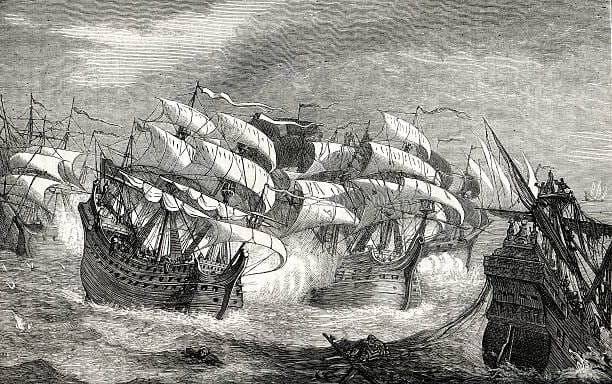
It is held that nothing so enriched the English, or allowed so many of them to amass the vast fortunes they are known to possess, as the wars with the Spaniards in the days of Queen Elizabeth
It is held that nothing so enriched the English, or allowed so many of them to amass the vast fortunes they are known to possess, as the wars with the Spaniards in the days of Queen Elizabeth. Everyone was permitted to engage in privateering, and they plundered not only the Spaniards but all others without distinction, growing rich on a constant flow of booty, observed the Venetian ambassador in England.
The treasure of the Spanish ships that fell to Francis Drake after he captured them during his circumnavigation was comparable to, or even exceeded, the annual income of the Crown from taxes and lands, and the Queen, naturally, declared Drake "her pirate", recognising his earlier crimes as lawful acts in the same breath. It is no accident that Elizabeth I is called the pirate queen, and the England of her day a piratocracy.
Under Elizabeth, privateers became an official instrument of the English authorities for the pursuit of their foreign policy aims. This continued after Elizabeth as well. In 1652-1654, 1665-1667 and 1781-1784, the years of open Anglo-Dutch confrontation, a veritable hunt was declared on Dutch merchant ships, and as many as 1700, upwards of 500 and 500 English privateering vessels respectively were in action. To the privateers were added pirates, who likewise acted in English interests and, with the government's goodwill, could escape punishment under the law by being declared privateers once ashore.
Then again, if it suited, privateers could be declared pirates. Or simply political opponents: Walter Raleigh, who had no influential allies at court and was constantly suspected of involvement in a plot against the Crown, was declared a pirate and confined in the Tower, first for 2 months, then for 2 years, and then for 13 years. The matter has still not been fully clarified, but there is a version holding that he had in fact found rich deposits of gold, and that his wealth sorely tempted those in power.
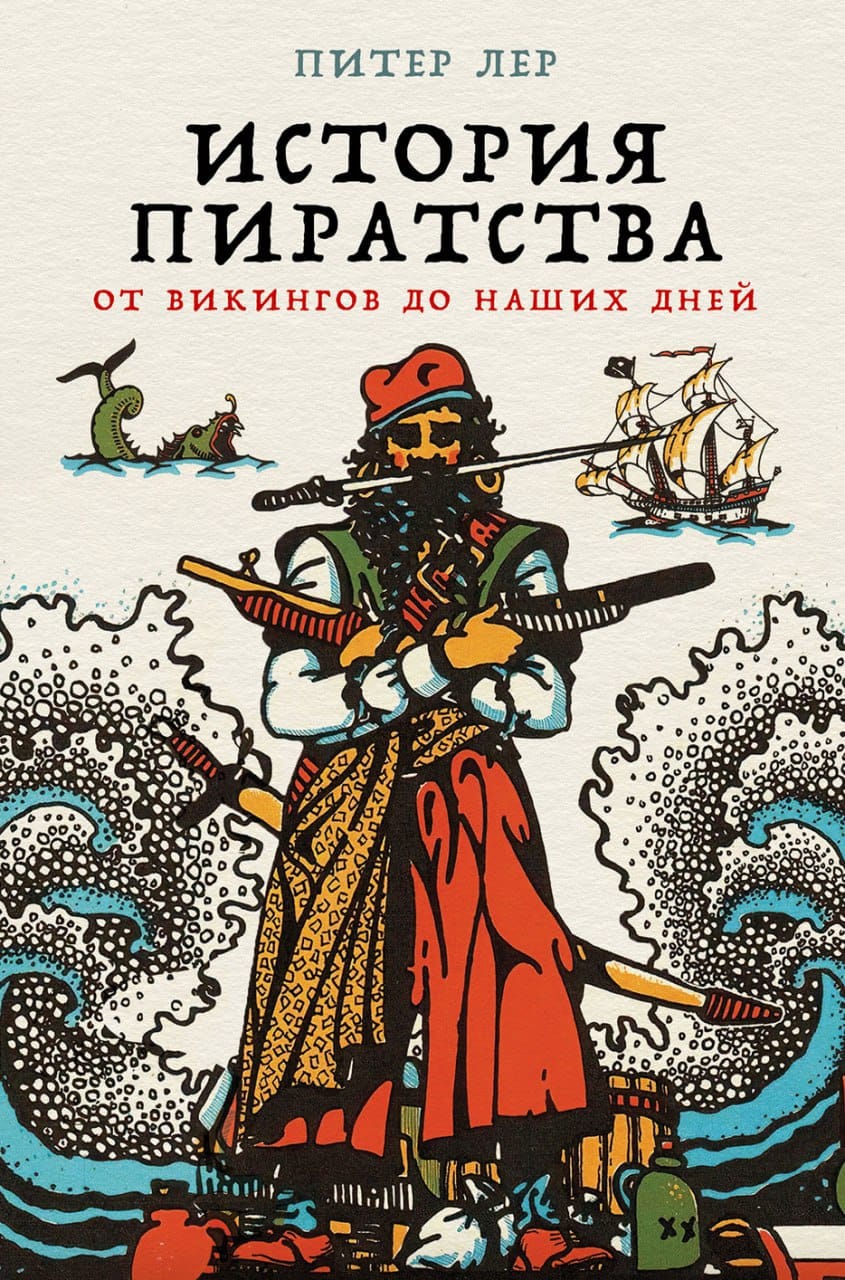
From Peter Lehr's new book "A History of Piracy from the Vikings to the Present Day", published this year by Alpina Non-Fiction