The Ramayana in Hollywood Cinema, from “A Little Princess” to Nitesh Tiwari’s Film
I have read a piece on how Hollywood cinema makes use of the Ramayana, the ancient Indian epic in Sanskrit which tradition ascribes to the poet Valmiki. The epic tells of the exile of Prince Rama, the abduction of his wife Sita by the demon Ravana, and her rescue. In South Asia this story has for centuries been retold in drama, theatre, shadow puppetry, comic books and television serials.
Hollywood rarely retells the epic directly and more often borrows its themes of exile and separation. In Alfonso Cuarón's "A Little Princess" of 1995, the heroine Sara Crewe herself narrates the Ramayana, and the chalk circle on the floor of her attic echoes the protective circle drawn around Sita in the epic. In "Black Panther", M'Baku, chieftain of the Jabari tribe, exclaims "Glory to Hanuman!" Hanuman, in the epic, is the leader of the monkey host and Rama's devoted ally.
In Danny Boyle's "Slumdog Millionaire" the epic appears in a different context. The hero of the film, a Muslim named Jamal, recalls the pogrom that followed the destruction of the Babri Masjid in Ayodhya on 6 December 1992, and sees a boy dressed as Rama with a bow and arrows. The mosque was destroyed by Hindu nationalists, who regard Rama as a historical person and believe that the mosque stood on the site of his birth.
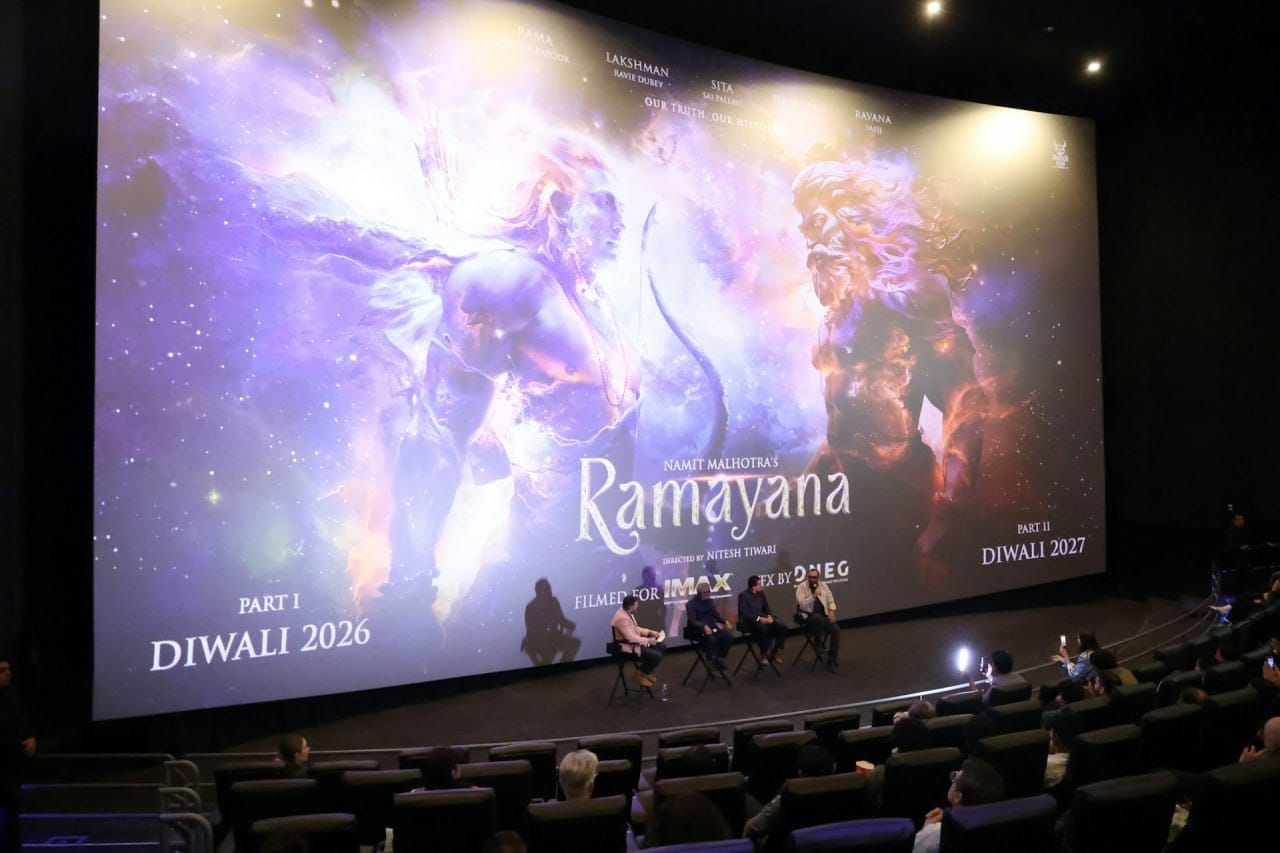
In November 2026 the English version of the Indian film "Ramayana", directed by Nitesh Tiwari, is due to open in American cinemas. Its slogan runs "Our truth, our story". Such a presentation reflects the nationalist notion of a single correct retelling of the epic, although the Ramayana has never had one canonical version.