The posthumous fate of an artist is rarely decided by the artist himself
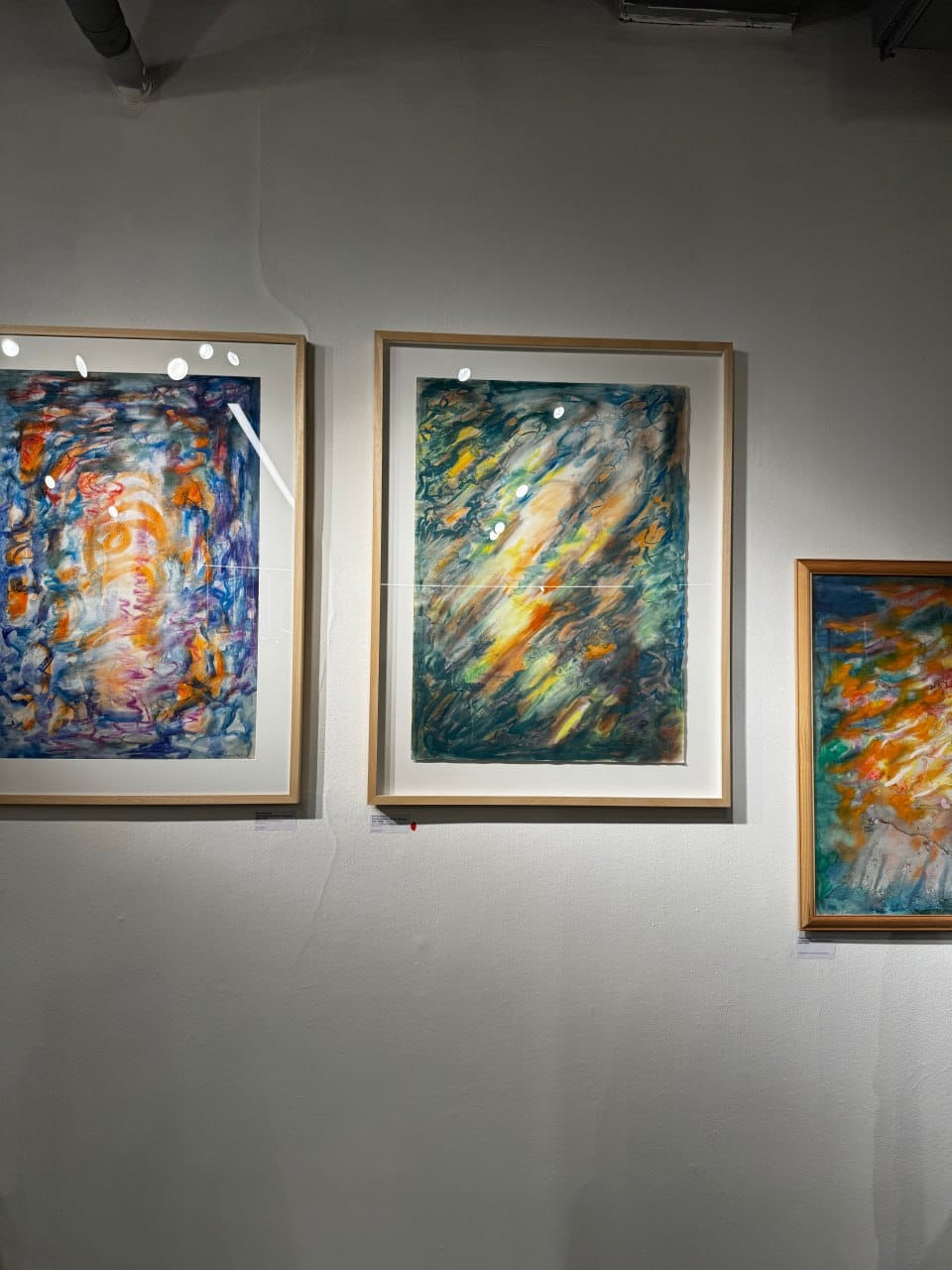
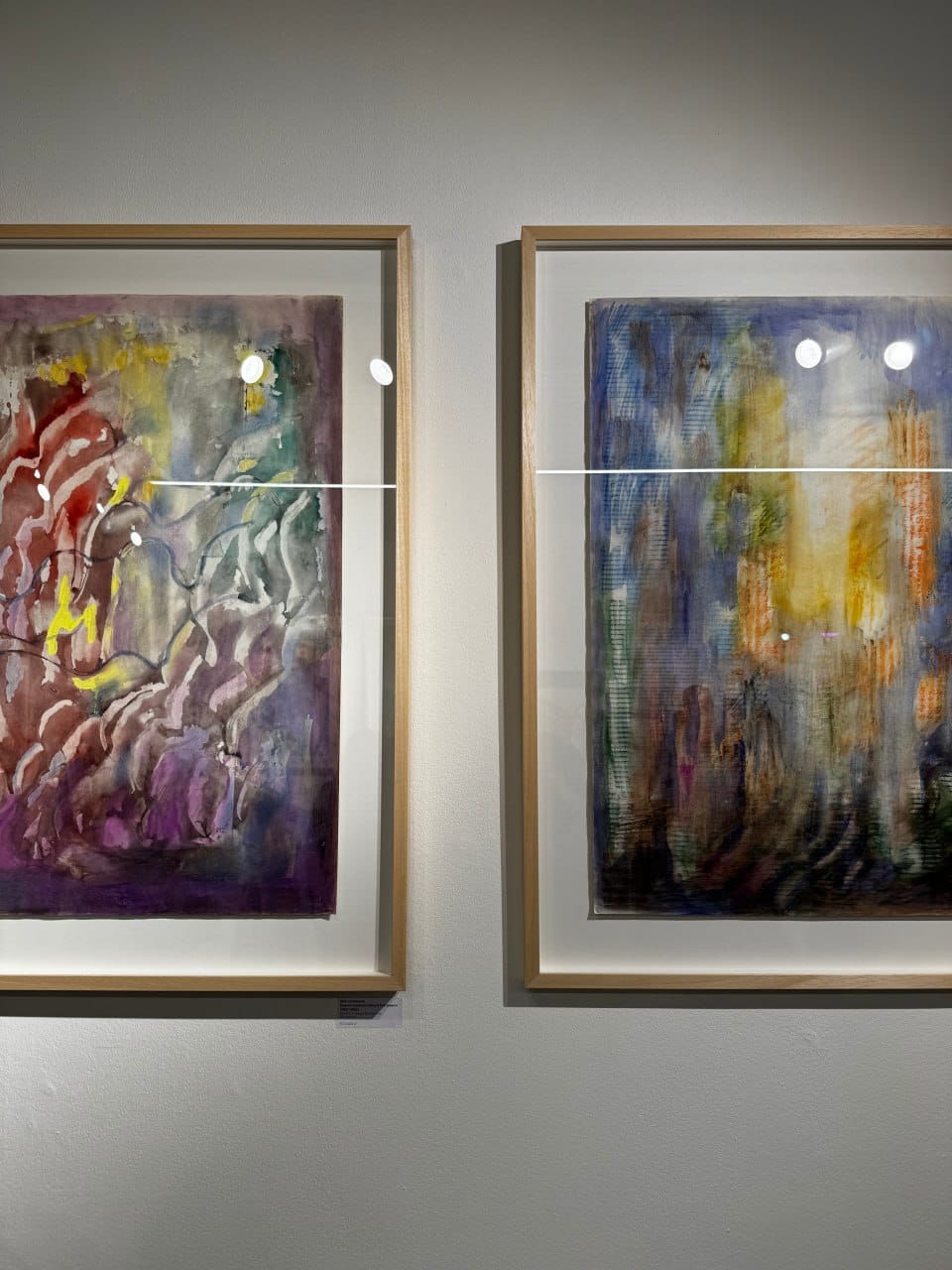
The posthumous fate of an artist is rarely decided by the artist himself. It is decided by those who remain: an heir, a pupil, a gallerist, an executor, the sort of person who will gather the scattered works, arrange them by year and spend decades patiently reminding the world of the name. Zenon Komissarenko (1891-1980) had no such person at his side. And so it happened that nearly ninety years of life, a whole epoch squeezed into a single biography, dissolved almost without trace, far from museums and collectors. Today this silence is being broken by Anastasia Postrigay, who has assembled and shown a collection of his watercolours in her gallery at Cube Moscow.
Komissarenko's biography is denser than many a museum display. The son of a Simferopol house-painter, he came to Moscow and became a pupil of Malevich, Tatlin and Pavel Kuznetsov, leaving VKhUTEMAS as a monumentalist. In the early 1920s he joined Nikritin's Projectionists and stood beside Labas and Tyshler at the First Russian Art Exhibition in Berlin in 1922. Then the cinema drew him away: in 1923, with his fellow students, he opened the country's first experimental animation workshop and became one of those with whom Soviet animation began.
I have not seen his painting, so I shall not speak of it. But the watercolours alone reveal something strange. His abstraction is independent and leans on no one; one can recognise in it an early nonconformism, before the movement had acquired a name, and at the same time motifs that read as almost Cosmist. In 1924 he was among the creators of Interplanetary Revolution, one of the first space films of Russian animation, and half a century later he painted Sполохи [Northern Lights], the aurora poured out across paper. Between these two weighty points lies a great artistic history, which so far there has been no one to write.
To this day no scholar has been found who would seriously examine his motifs, subjects and manner. Art history has passed him by as calmly as the collectors once did. His works went from hand to hand, and most have not survived at all or are as yet unknown. Not only animators but many creators were then treated offhandedly, and their labour perished without regret. Of a man who studied under Malevich, and who did not merely watch the whole Russian avant-garde at arm's length but belonged to its circle, there remains painfully little. Komissarenko lived almost to perestroika and very nearly vanished in his own country without a trace; scarcely any photographs of him have even survived, to say nothing of catalogues and lists of works. This is how names disappear when there is no one to repeat them.