Military regulations of Nicholas I's reign and a portrait of a boy holding one
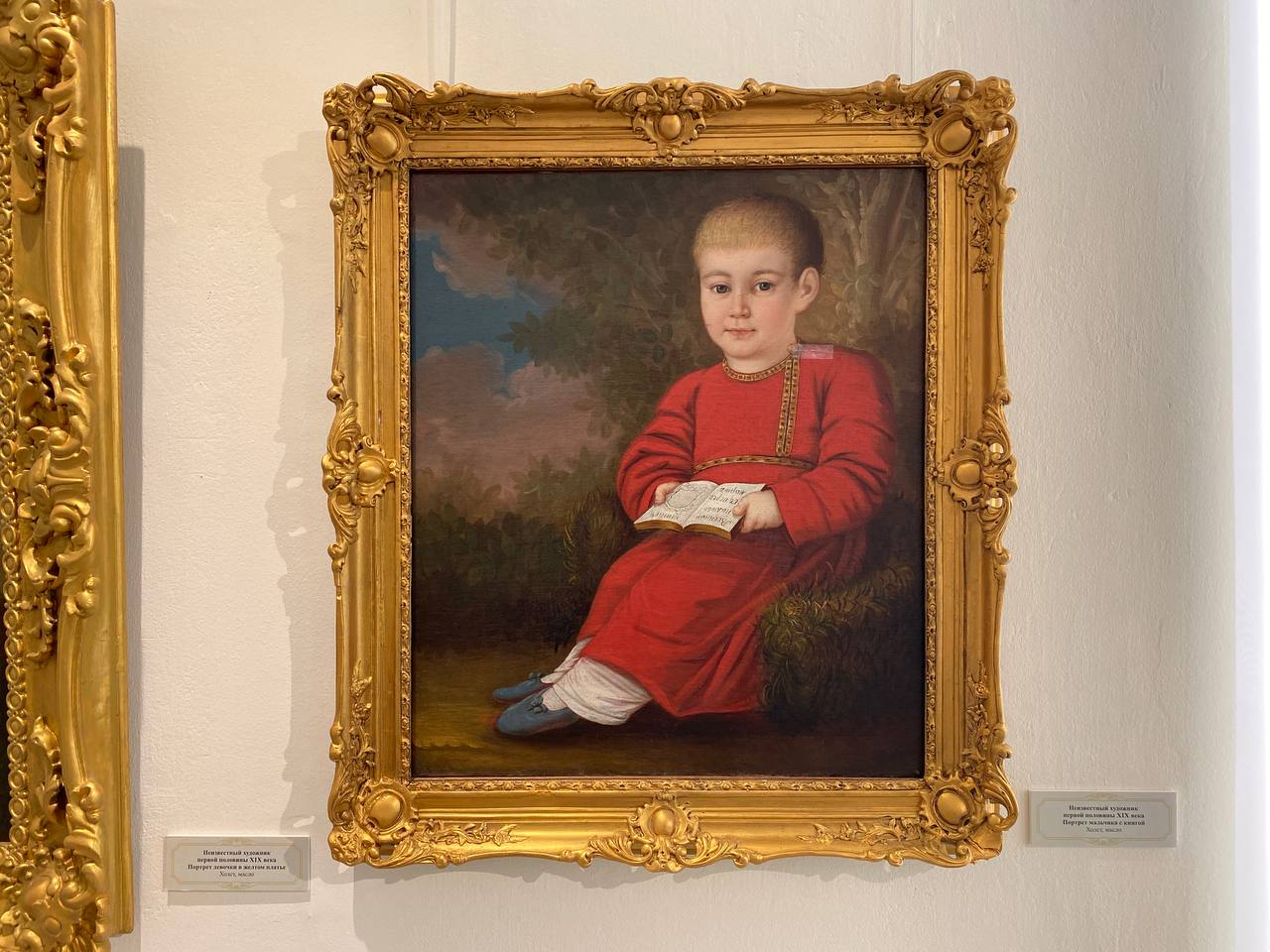
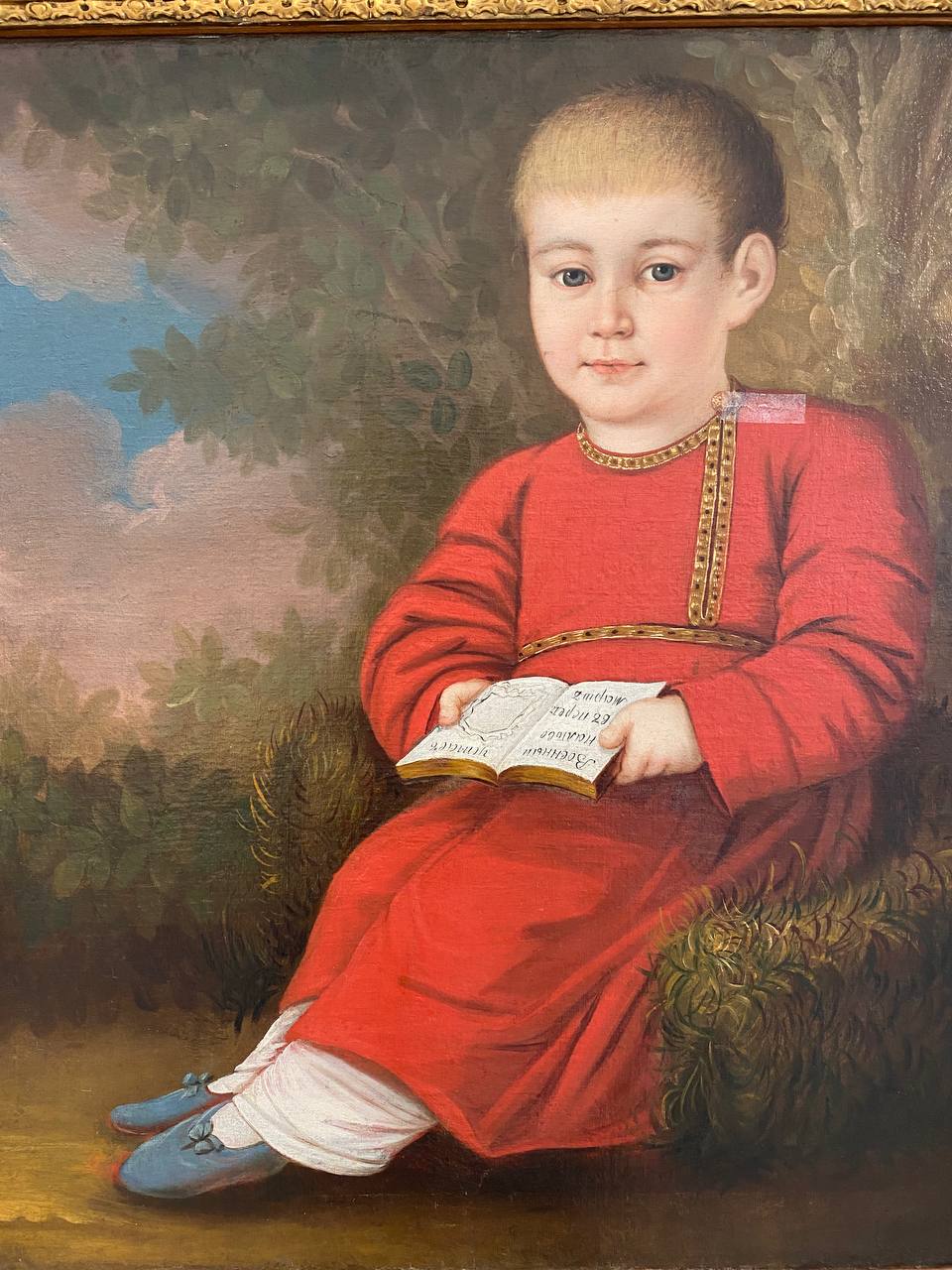
Portrait of a Boy with a Book. Unknown artist, first half of the nineteenth century. Collection of the Romanov Museum, Kostroma Museum-Reserve.
The book reads: “Military Regulations. Left, forward, march.”
Two hundred years have passed, and how familiar the wording still is!
The first half of the nineteenth century saw several sets of military regulations, for infantry service and for cavalry service. For the most part the new texts duplicated their predecessors, though with time there were ever more abbreviations and ever less practical military sense.
The texts of the military regulations of Nicholas’s reign are the best possible confirmation of the obtuseness and senseless drill that were planted as policy during his rule.
The fact that the boy’s book says “left, forward, march” may well be one of the most substantive passages in the Nicholaevan regulations. In the regulations of 1846, for example, the chapter on the attack confines itself to the formulation that “the rules on which the movement of the attacking front is based are in general the same as those given for marching in a straight direction.” In the regulations of 1831 the attack is not mentioned at all, but the fighting stance is described in the most minute detail, and soldiers are obliged to keep their bearing and carriage even in skirmishing order.
The “Regulations for the Command of Armies in Peace and War” of 1846 restrict the duties of the commander-in-chief to preserving order in the army, obedience and deference to rank in all their severity, demanding of the troops perfect serviceability in training, in arms, in equipment and in the baggage train, as well as care for the reduction of expenses and the seeking out of means for the most advantageous upkeep of the army. In wartime the duties are the same, with the addition of care for the organisation of the army in every respect and the most advantageous possible employment, for the success of military operations, of the troops entrusted to the commander-in-chief.