The Olympic flame and ancient cults in the post author's reading of Games rituals
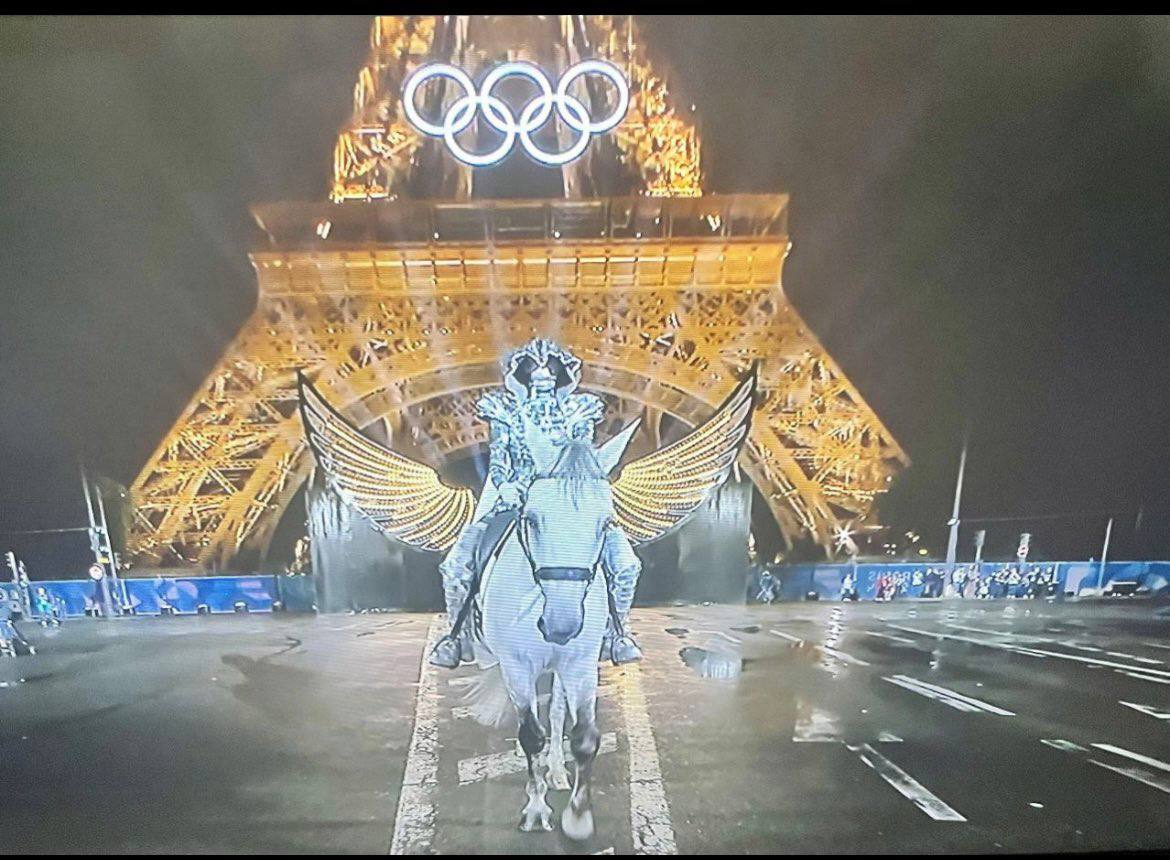
In essence, the Olympic Games are in fact a ritual. And by no means a Christian one. Only now, however, does the mystical, dark side of the rites attached to the "Games" become plainly visible.
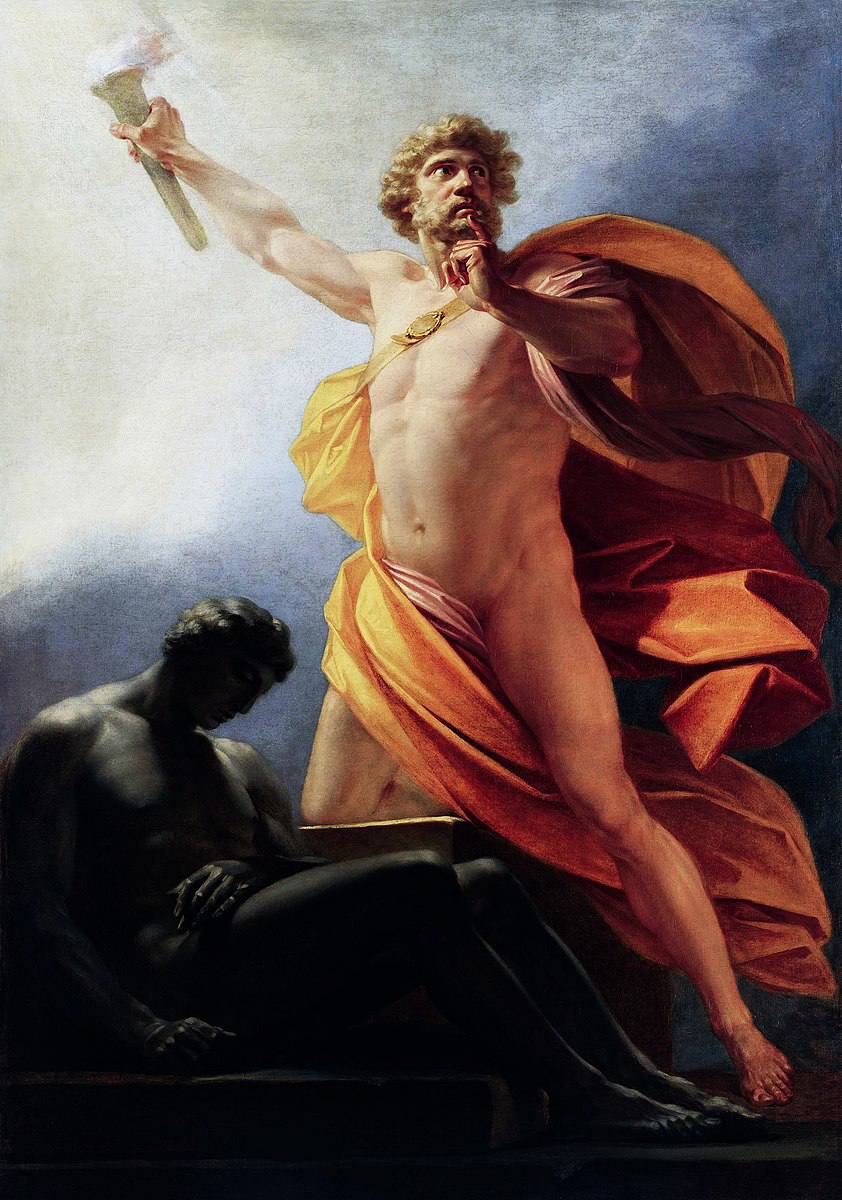
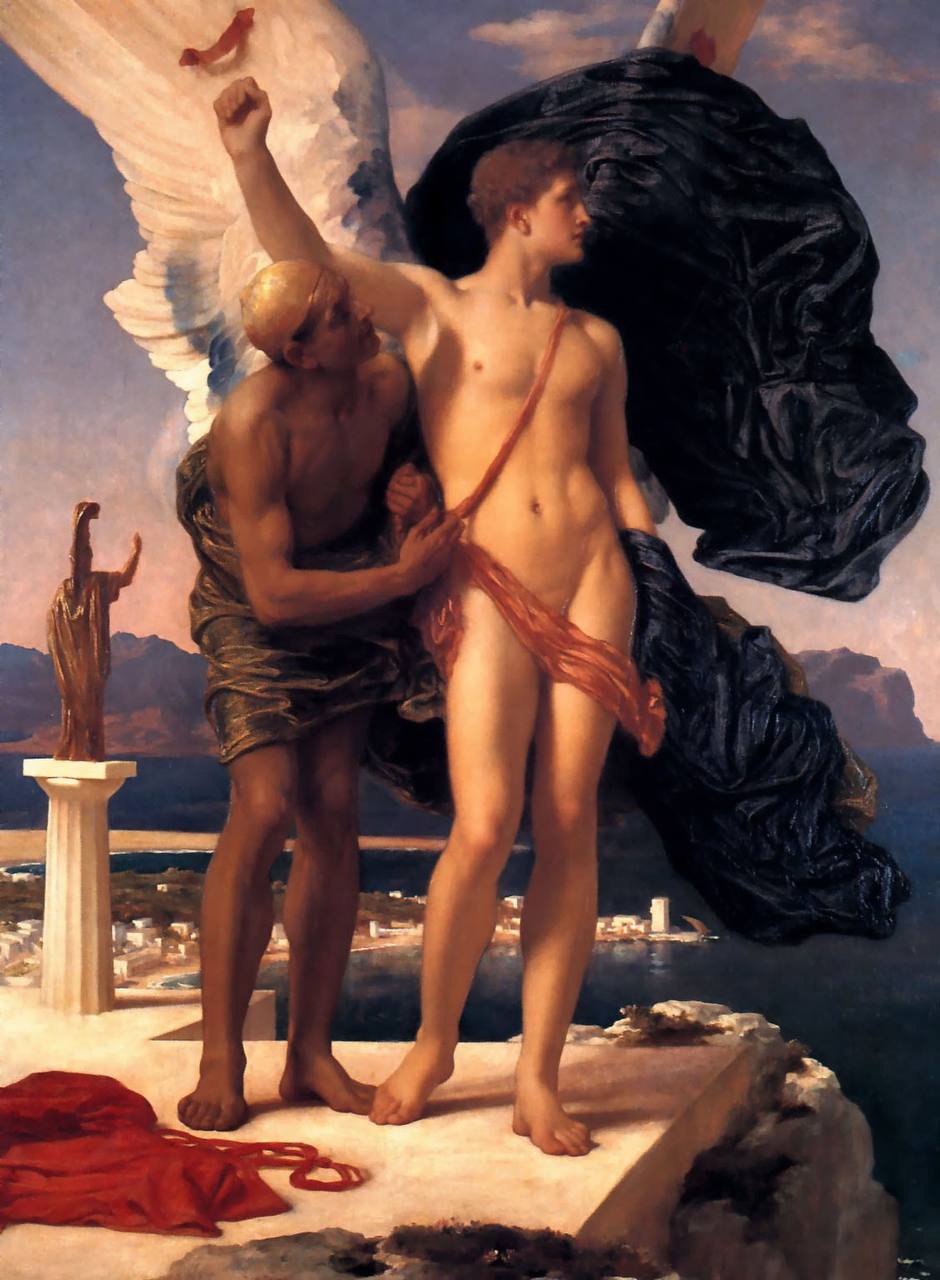
The Olympic flame is a tribute to Prometheus, who stole fire from the supreme deity. It is kindled by a priestess dressed as the goddess Hera in the temple of Apollo. Apollo is the god of light; remember who else is called the light-bearer, from lux and fero? Or take Homer's Iliad: Apollo "came down like night" and appears as the god of phantoms.
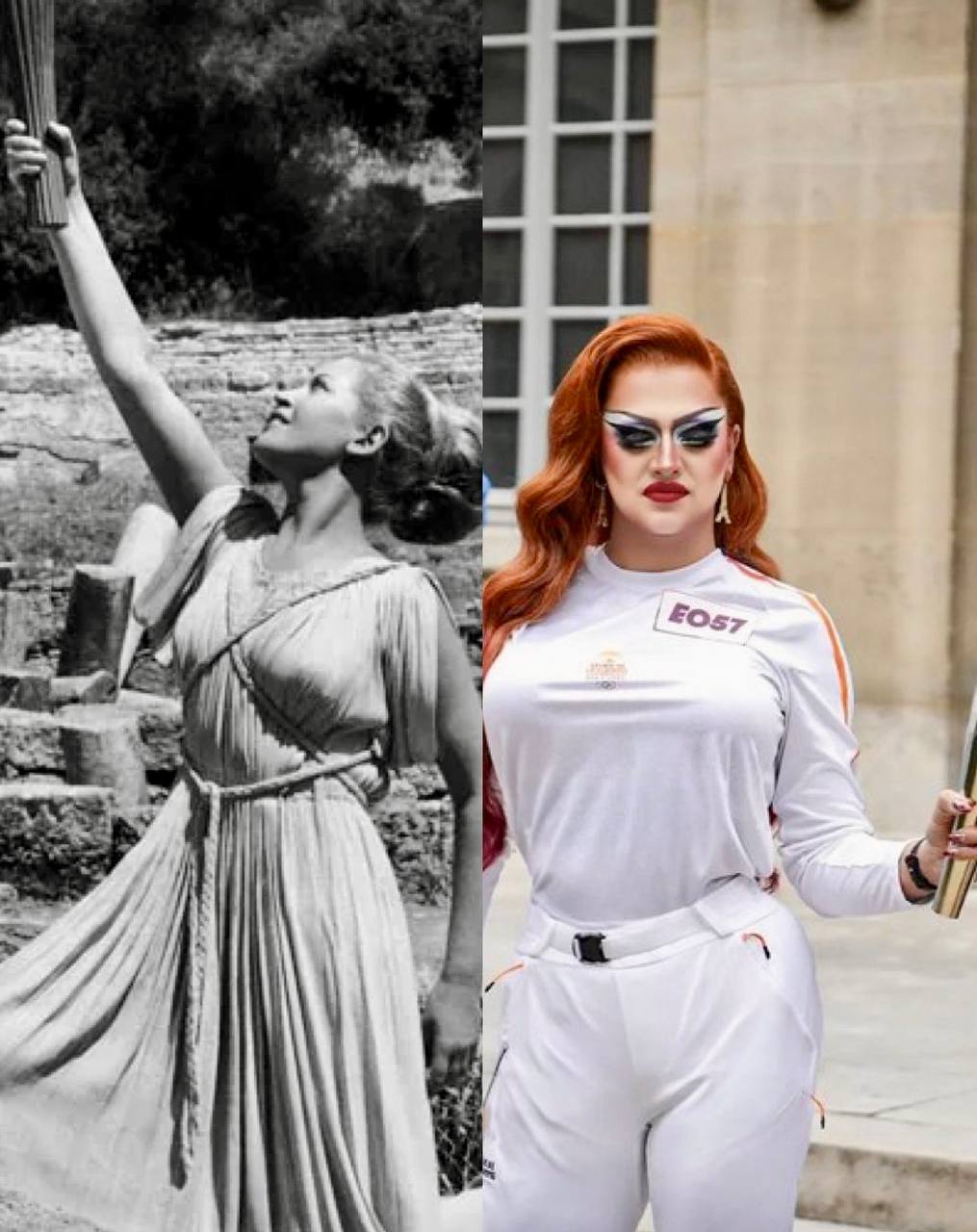
And if in the backward twentieth century the attire and appearance of this woman referred, stylistically, to the lofty ideals of antiquity and the exalted features of chaste maidens, now we see, quite literally, a painted-up priestess of an ancient cult, evidently alluding to a certain demonic two-faced/two-sexed entity.
The prayer pronounced by "Hera" calls for sacred silence: let the sky, the earth, the sea and the winds fall silent, the mountains and the cries of birds, for the procession will be accompanied by Phoebus, the god who brings fire. Apollo is asked to send down his rays and light the sacred torch for the hospitable city hosting the festival.
The Olympic flame began to be lit in 1928, and was passed on by relay only in 1936, at the Games held under the aegis of Hitler.
The lampadedromia, that is, the race with a burning torch at the Olympic Games, is a direct reference to an ancient ritual that began at the statue of Eros and the sanctuary of Prometheus and was held during the Panathenaea/Athenaea, religious festivals in honour of Athena, as well as during the Hephaestia, the Promethea and the festival of Pan.
And the interpolation into this demonic hubbub of one of the chief symbols of Christian culture, the Last Supper, in a disfigured, desecrated form, is a direct indication of which powers are being worshipped and whose scale has tipped downwards