Exhibition on the dark side of the Thaw in visual art, from Sveshnikov to Prokuratova
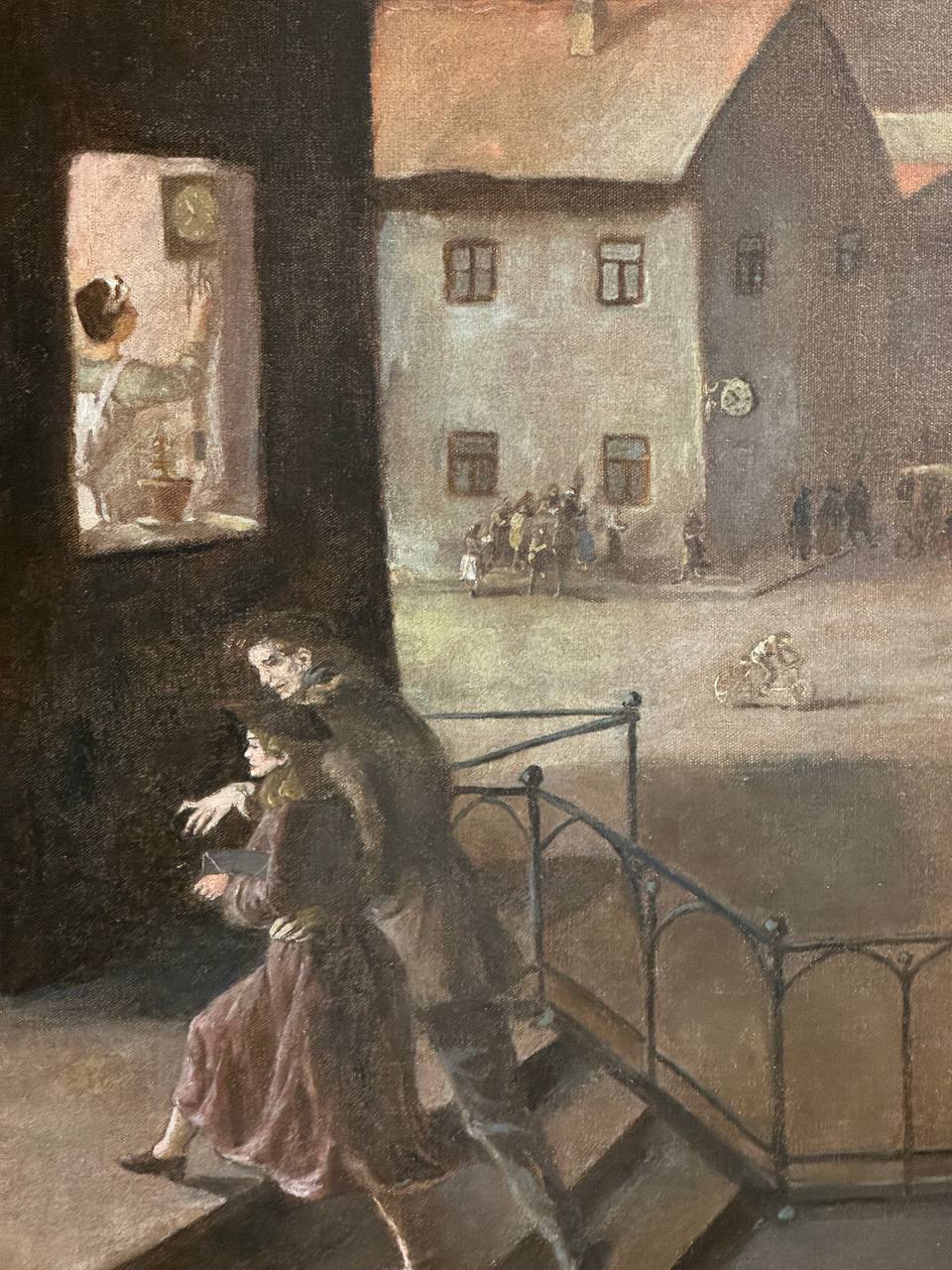
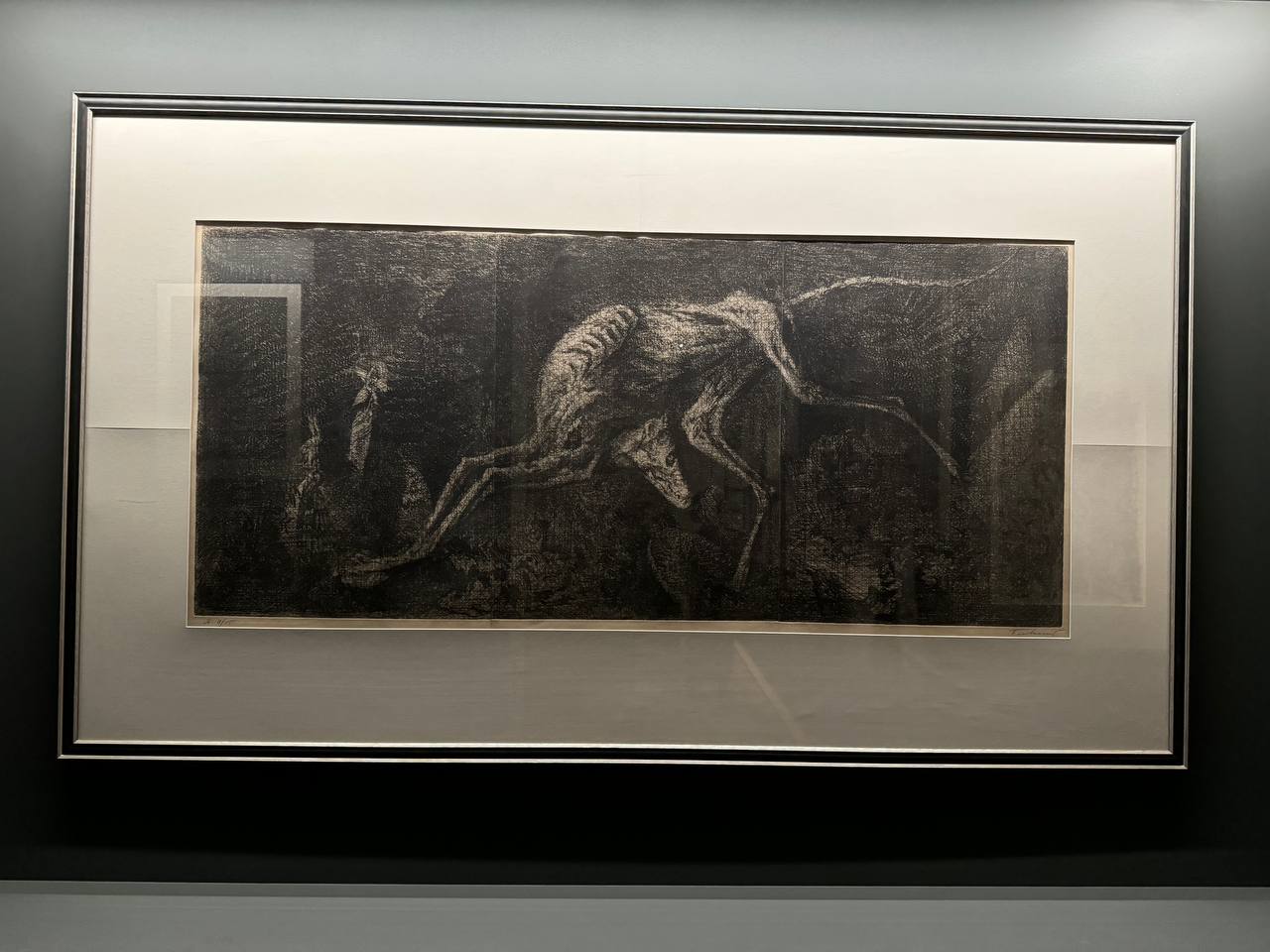
The Thaw, one of the great milestones of our twentieth-century culture, had its shadow side too, and that is the canvas of the exhibition "The Dark Thaw" at the Voznesensky Centre.
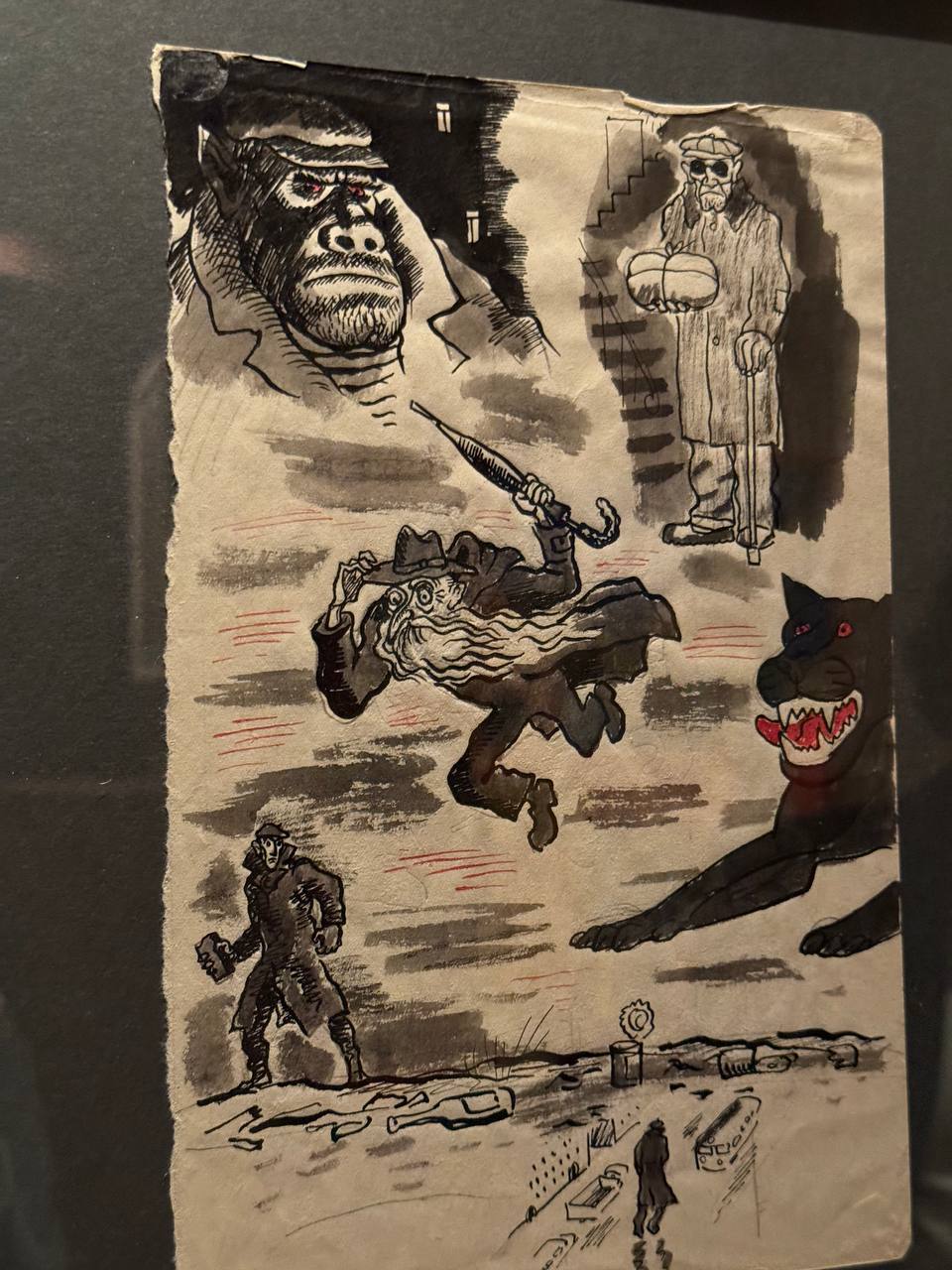
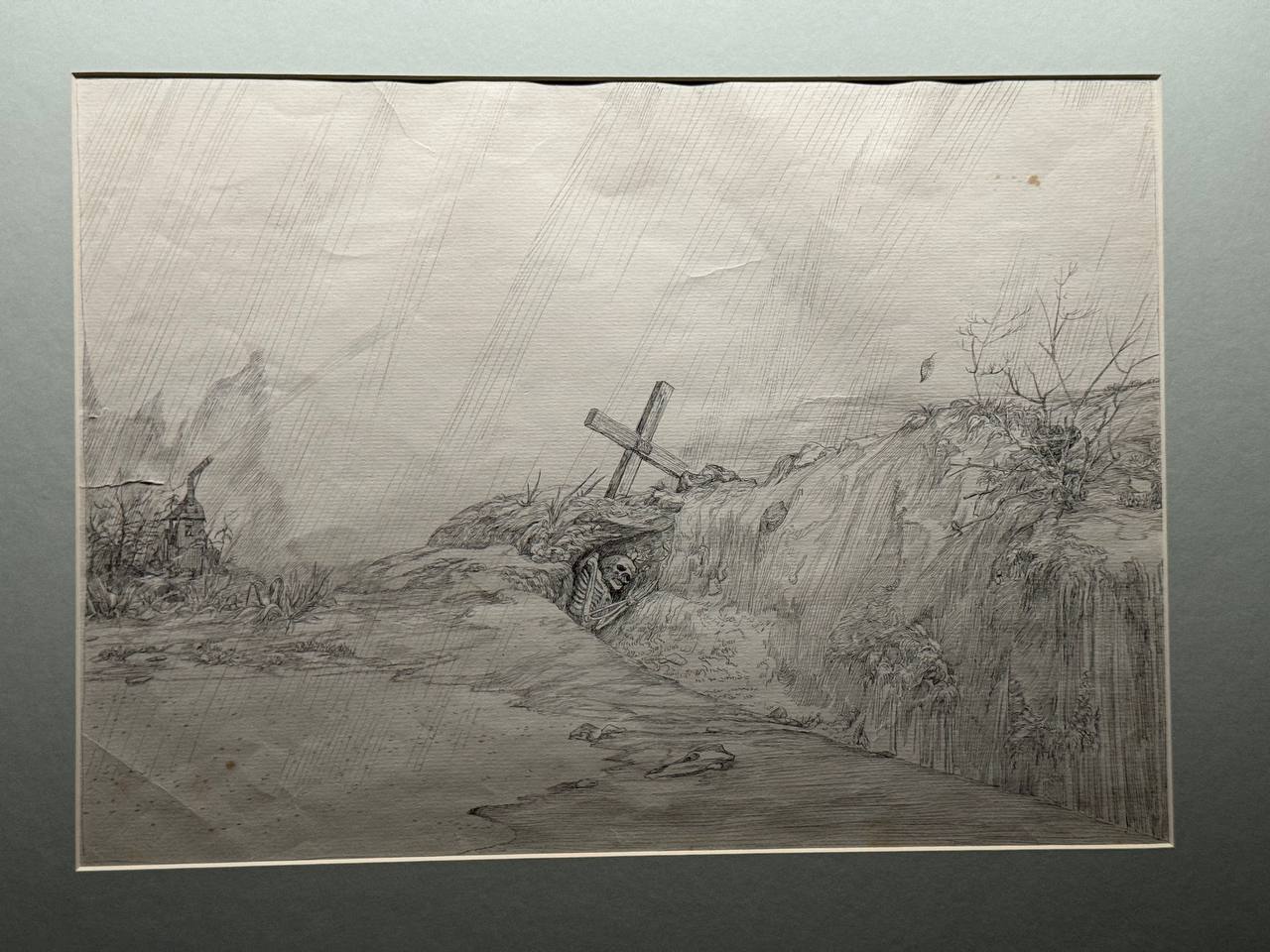
What are these dark places? Little-known art that stayed in the shade. Names that never appeared on exhibition posters. Poorly lit corners of the legacy of celebrated Thaw-era artists. Marginalised subjects and themes that people preferred not to speak of. Dark as in mystical, otherworldly. Dark as in obscure and tangled. There is no outright opposition to that Thaw which is celebrated in all the projects of the Voznesensky Centre. The focus is simply on those sides of the life of the Thaw-era individual that fell outside the view of the mass viewer and reader.
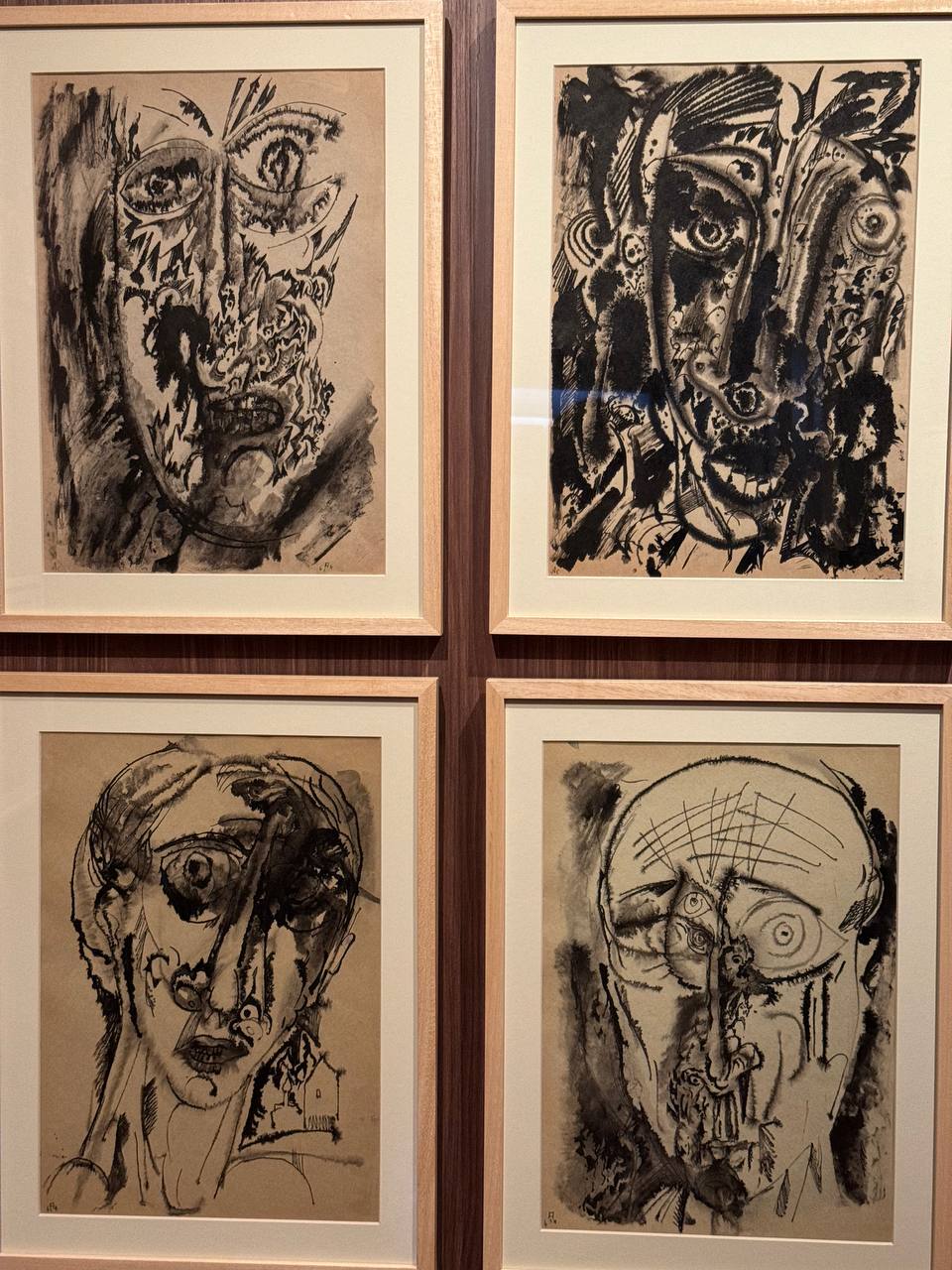
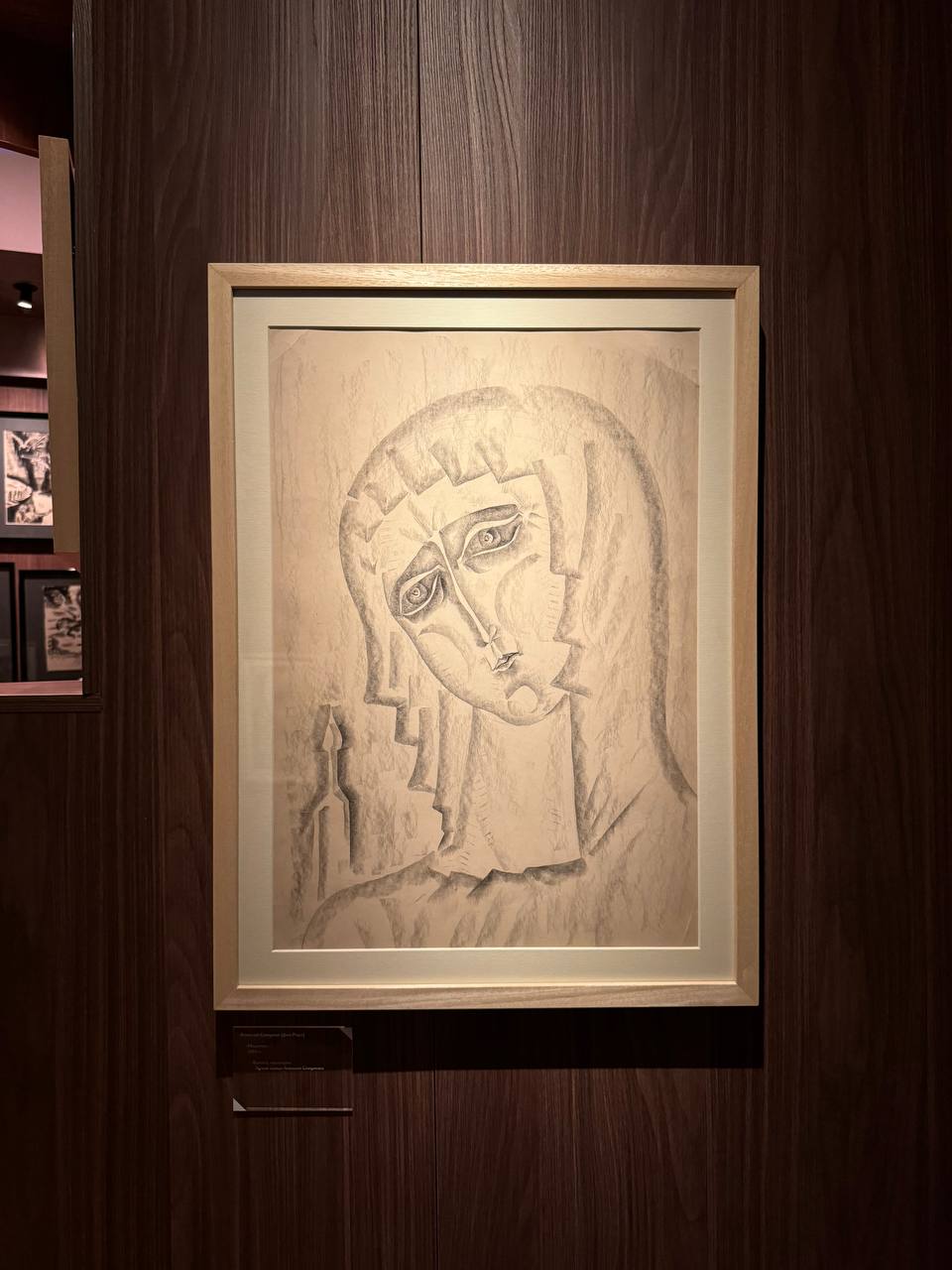
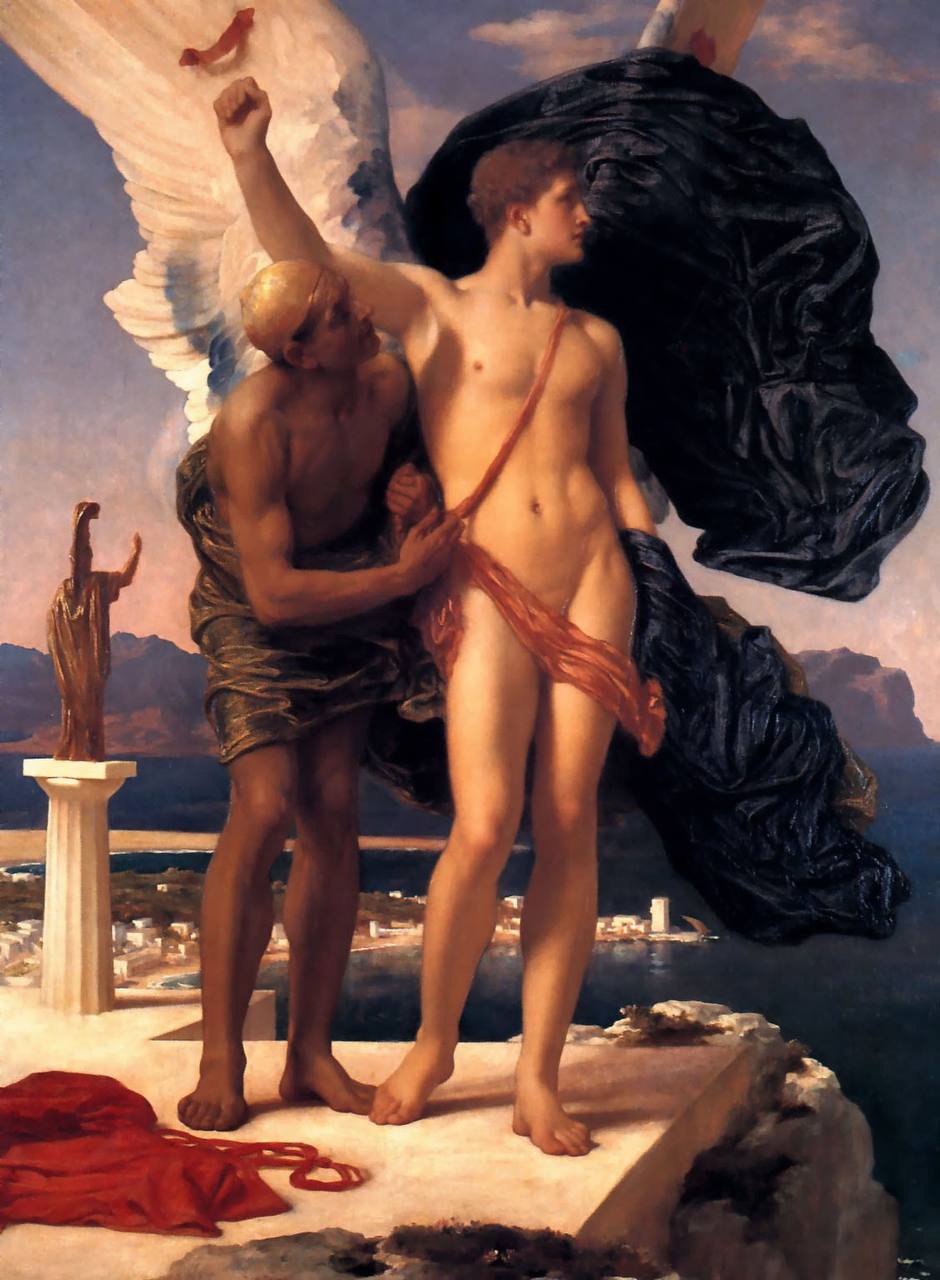
The dark Thaw in literature is more widely known and better studied. The visual art of this field, however, has slipped from the attention of contemporaries. To some extent the exhibition closes this gap, above all by showing the work of artists who had no exhibitions in their lifetime, such as Vladimir Kovenatsky and Vladimir Pyatnitsky. It opens up rarely shown periods in the work of Alexei Smirnov von Rauch. It introduces a retrospective of Boris Sveshnikov, in whom dark-Thaw ideas turn out to run almost all the way through. Even Plavinsky is shown, surprisingly, from an unexpected side: not as the architect of a mad dystopian city, but in his early period, with paintings that are monologic utterances.
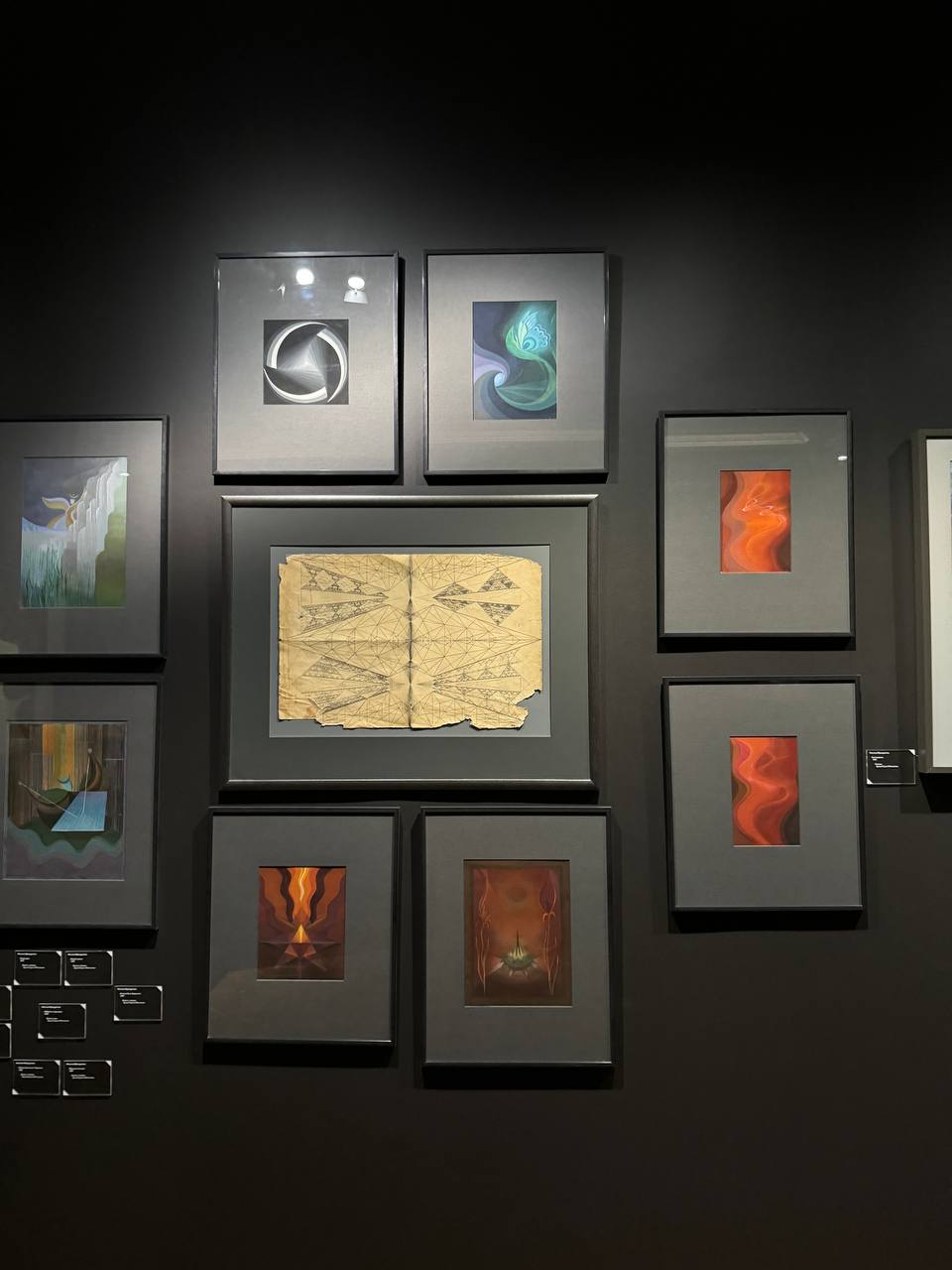
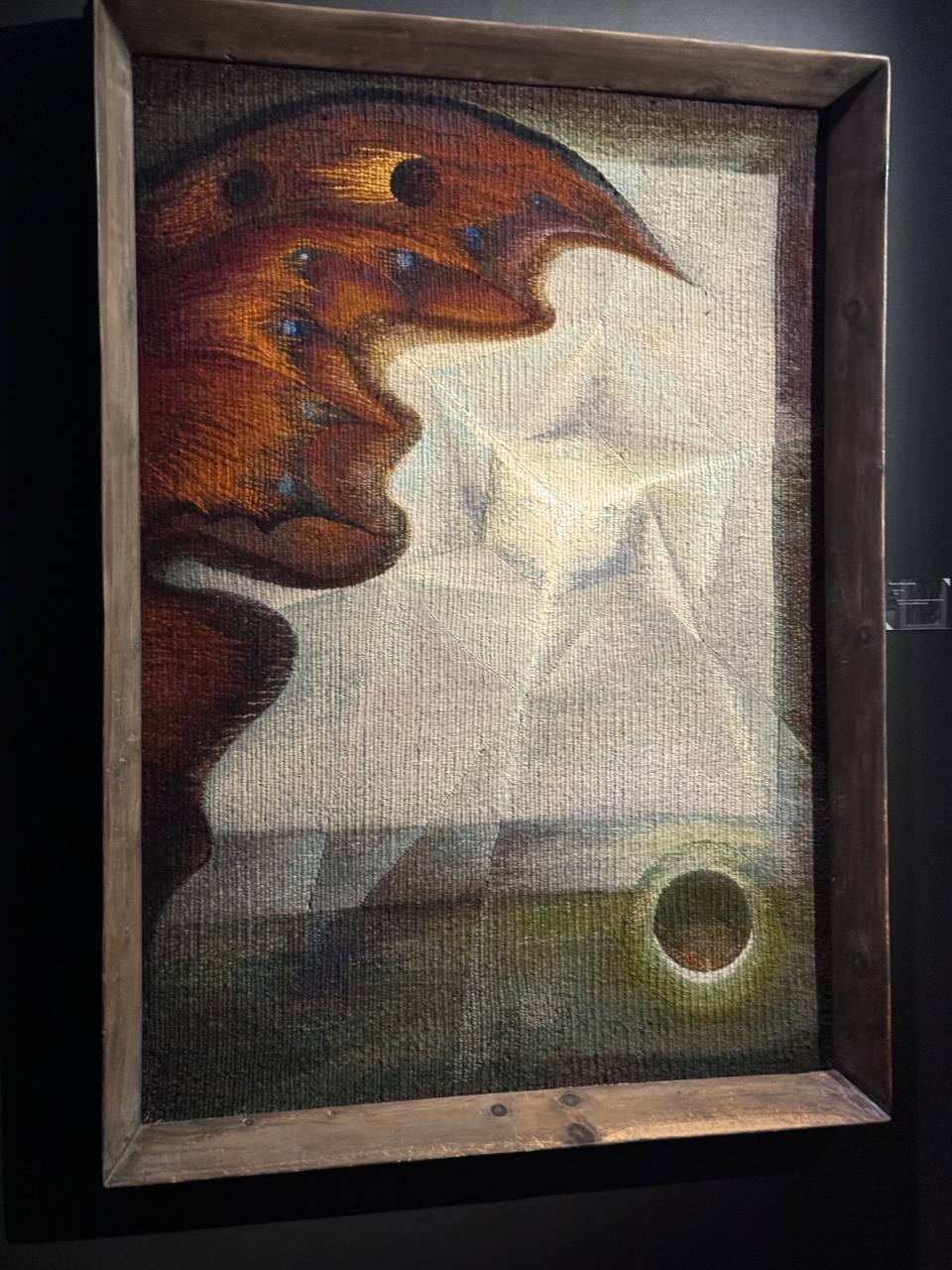
The exhibition occupies two floors. Downstairs we look at the dark city, as it were, from the outside, seeing its general outlines, its twilight architecture set against lonely snags of driftwood. The upper floor invites us into the corridors of the Thaw. From the small graphic form, the bookplate, the linocut played for animated effect, to painted psychological portraits and church murals. In the last room are very strong works, somewhere between cosmism and nonconformism, by the artist Natalya Prokuratova, of whom I heard for the first time: paintings, photographs and some Lucas-like tapestries, for which Prokuratova spun and dyed the threads herself.
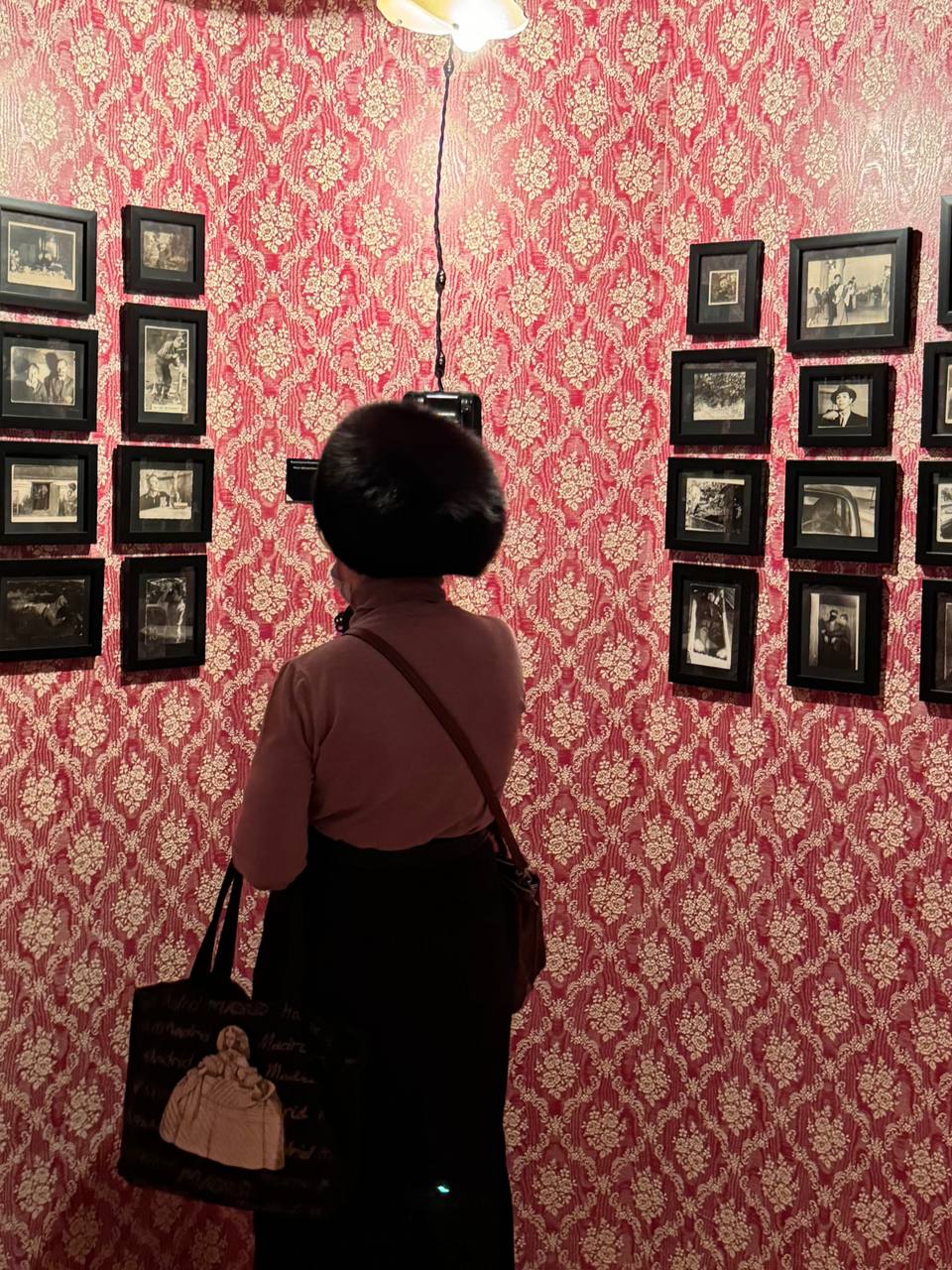
The most memorable object is a telephone box hung with black-and-white pictures from the family archives of ordinary people, which look more like AI generations for a mystical thriller than real photographs.