Within ten days of her accession to the throne, Catherine II had invited Denis Diderot to come to Russia
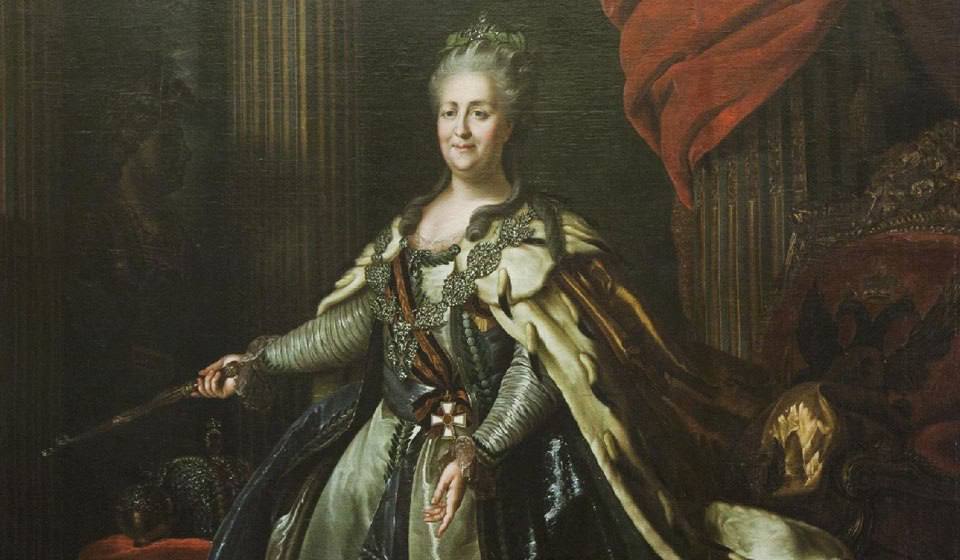
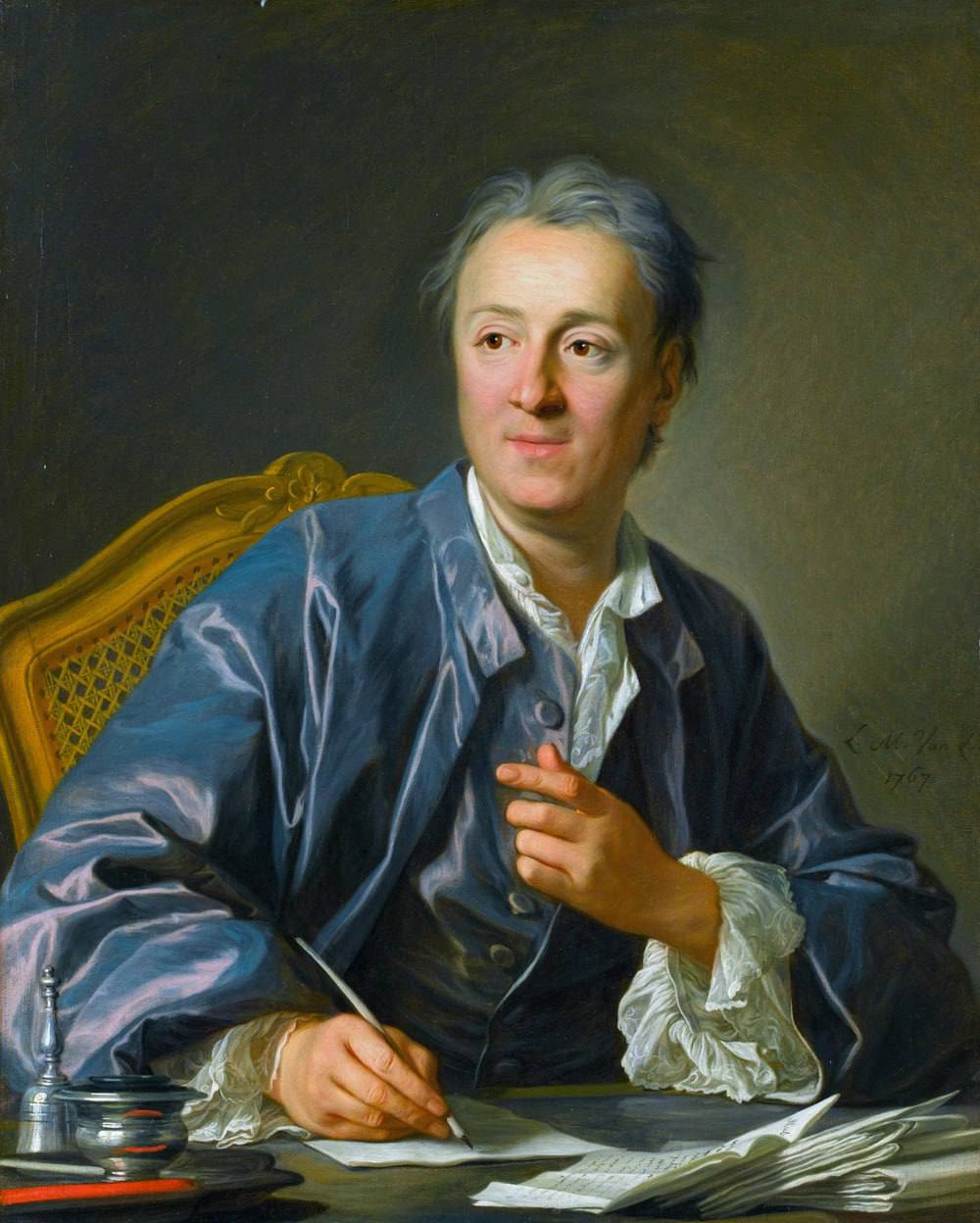
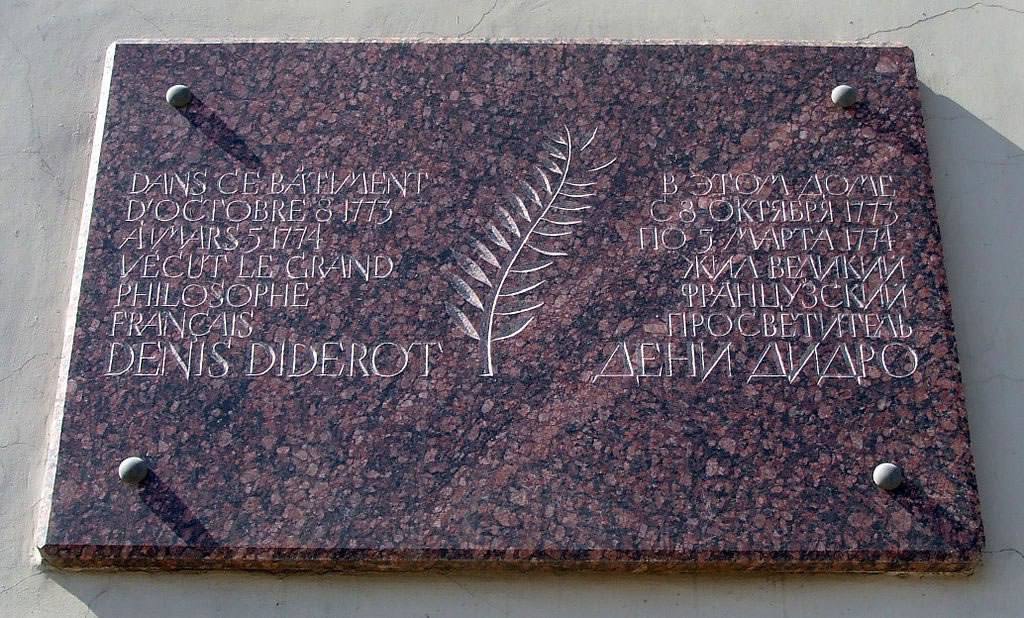
Within ten days of her accession to the throne, Catherine II had invited Denis Diderot to come to Russia. She even proposed that he move the publication of the "Encyclopédie", which kept running into bans in France, to Riga or Saint Petersburg. But Diderot did not take up the offer and arrived in Saint Petersburg only in October 1773. It seems that nobody apart from the Empress, who made Diderot a member of the Academy, was impressed by the Frenchman. Fonvizin remarked that "the D'Alemberts and Diderots are just the same sort of charlatans as I used to see every day on the boulevard."
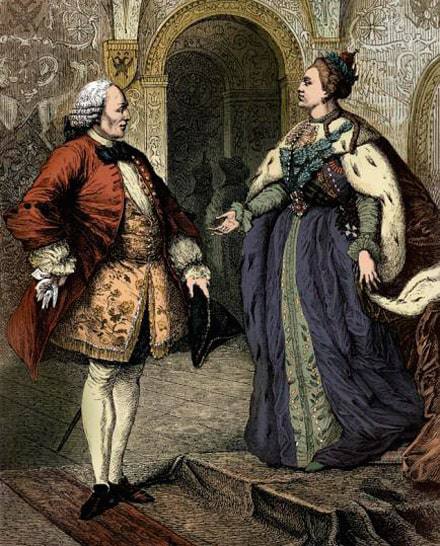
Catherine allowed Diderot to say whatever he pleased and not to stand on ceremony. He took this quite literally: during their conversations he simply pounded the table with his fist, and might seize Catherine by the hand or slap her on the knee. The Empress even had to place a small table between him and herself, for after such meetings she would find bruises on her person.
Long before Diderot's arrival in Russia, Catherine had bought his library for fifteen thousand livres, leaving it in France for the rest of his days so that he could go on using it. She appointed him its keeper with a salary of a thousand livres a year, and when he eventually complained that his pay was a year and a half in arrears, she paid him his salary for fifty years in advance.
After his death, almost 3,000 volumes of Diderot's library arrived in Russia. Catherine read his notebook containing his commentary on her Instruction to the deputies for the drafting of laws, and was deeply disappointed, writing: "This is sheer prattle, without knowledge of circumstances, prudence or foresight." After this, Diderot is no longer mentioned in Catherine's correspondence. His books did not remain in Catherine's library as a separate collection, unlike the library of Voltaire. Later Count Dmitry Buturlin wrote that the part of the library that came from Diderot contained "not a single remarkable copy, no outstanding feature, and dissolved into the general mass".