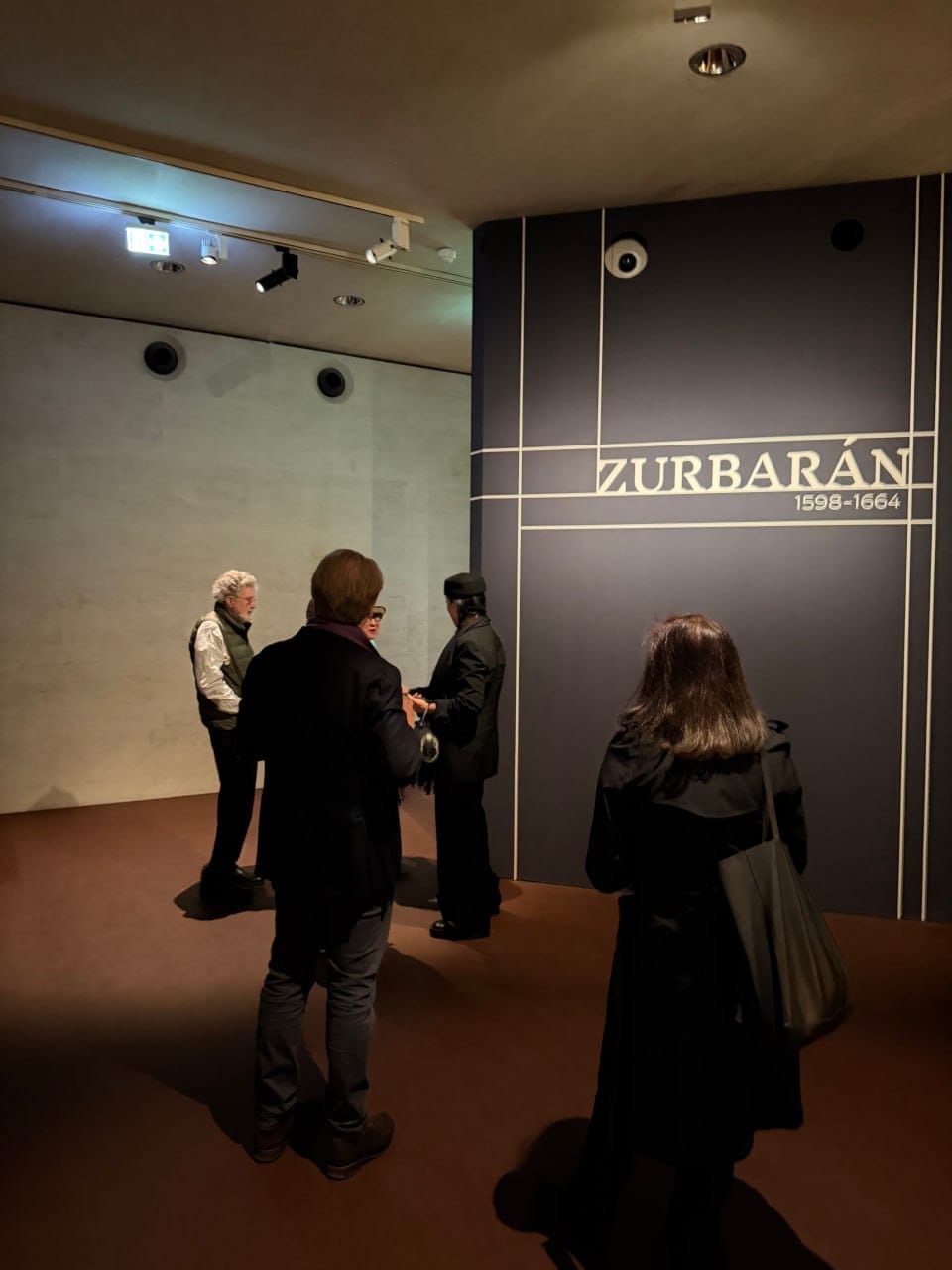
Rossy de Palma at the Zurbarán exhibition in the Louvre and the film series of the “Spain in the Louvre” programme
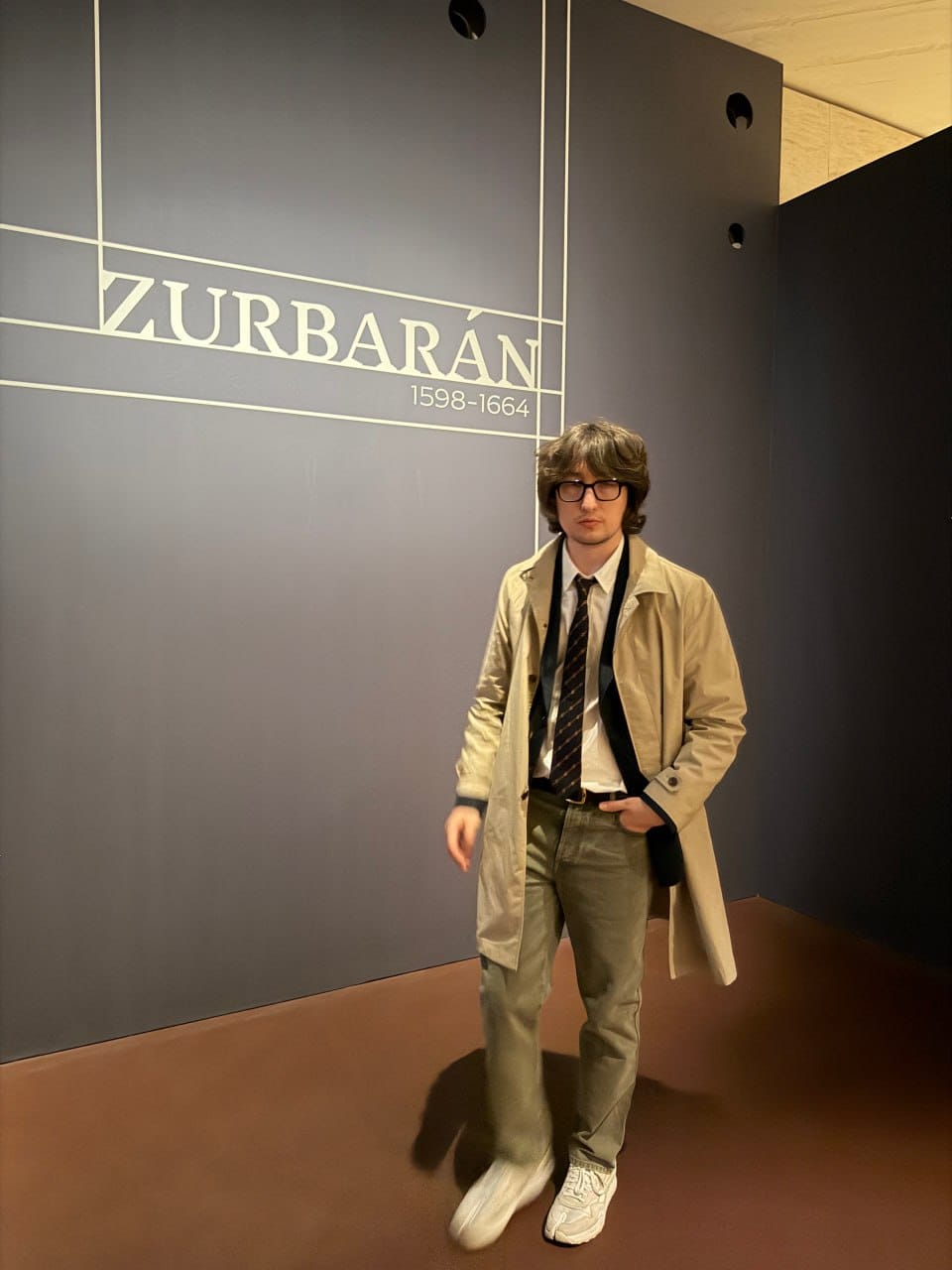
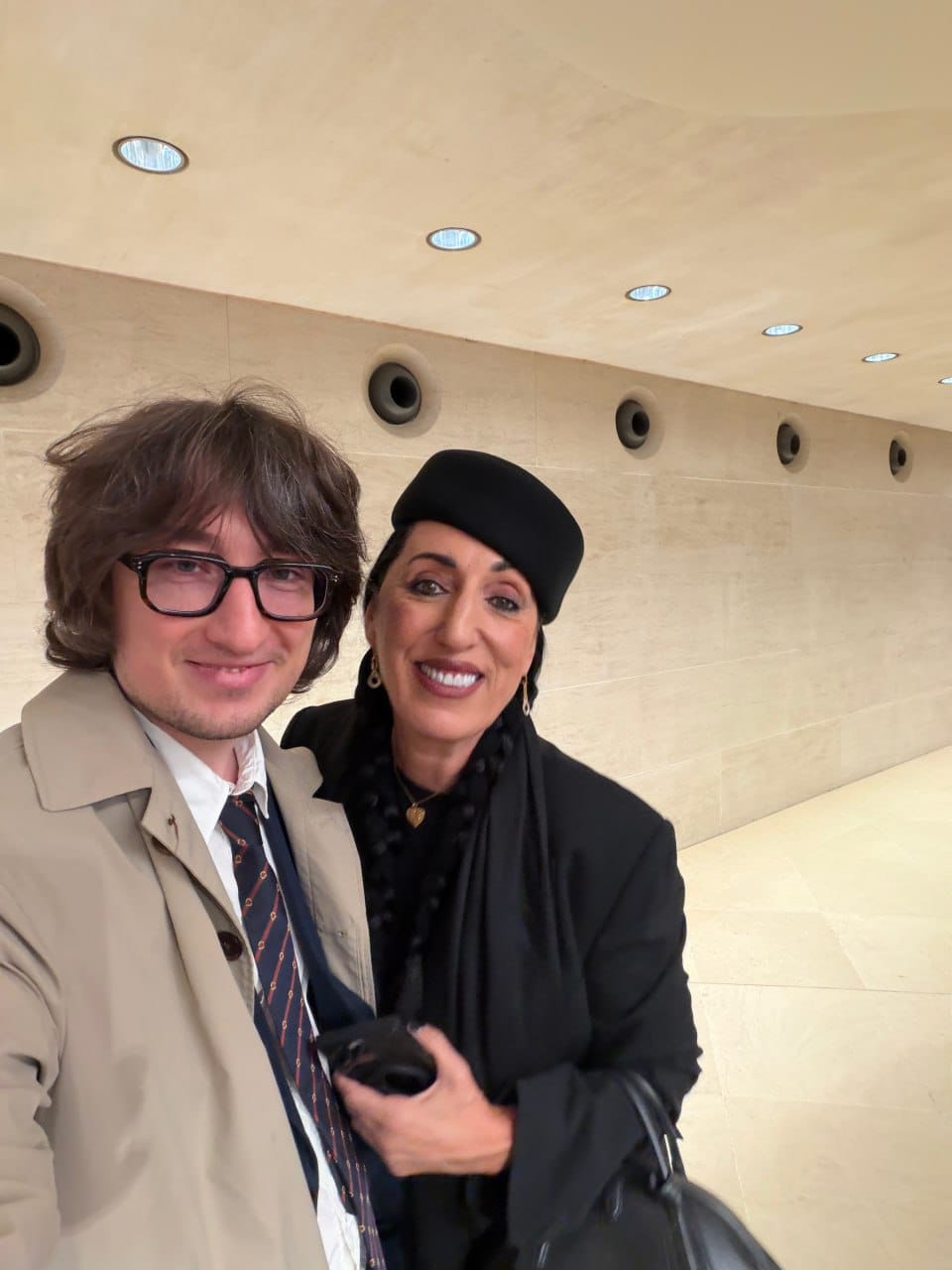
At the Zurbarán exhibition at the Louvre I made the acquaintance of Rossy de Palma. Everyone who has seen Almodóvar's films of the eighties and nineties knows her, from "Women on the Verge of a Nervous Breakdown" to "Kika". Madame Rosa Elena was invited to the Louvre not as a spectator: this season the museum has devised a programme called "Spain at the Louvre" and entrusted de Palma with opening the film cycle ¡I Louvre Mucho! She has chosen ten films to be shown: Buñuel's "Viridiana", Berlanga's "The Executioner", Erice's "The Spirit of the Beehive", Pilar Miró's "The Dog in the Manger", Bigas Luna's "Jamón, Jamón" and, of course, "Kika", in which she appeared.
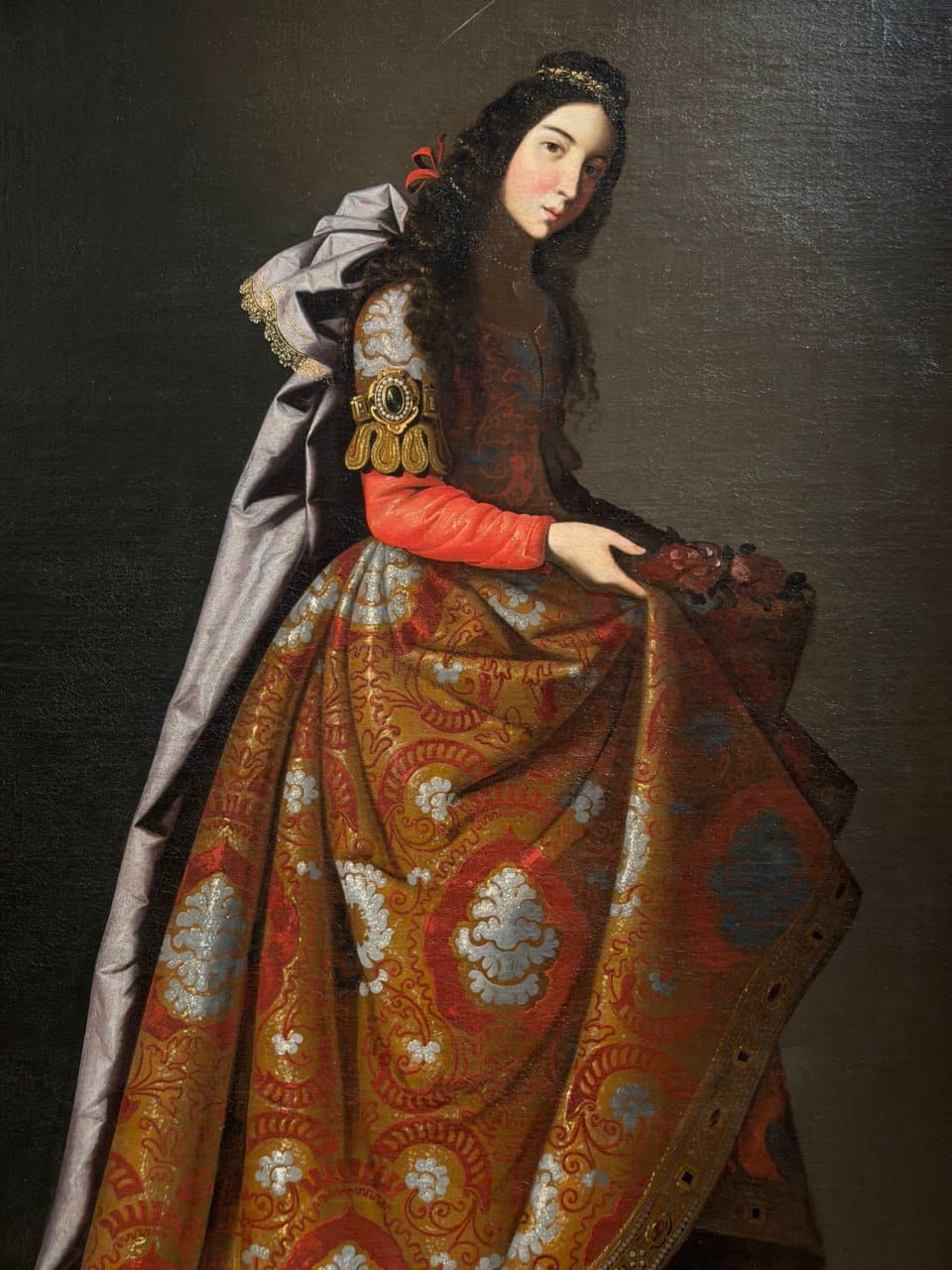
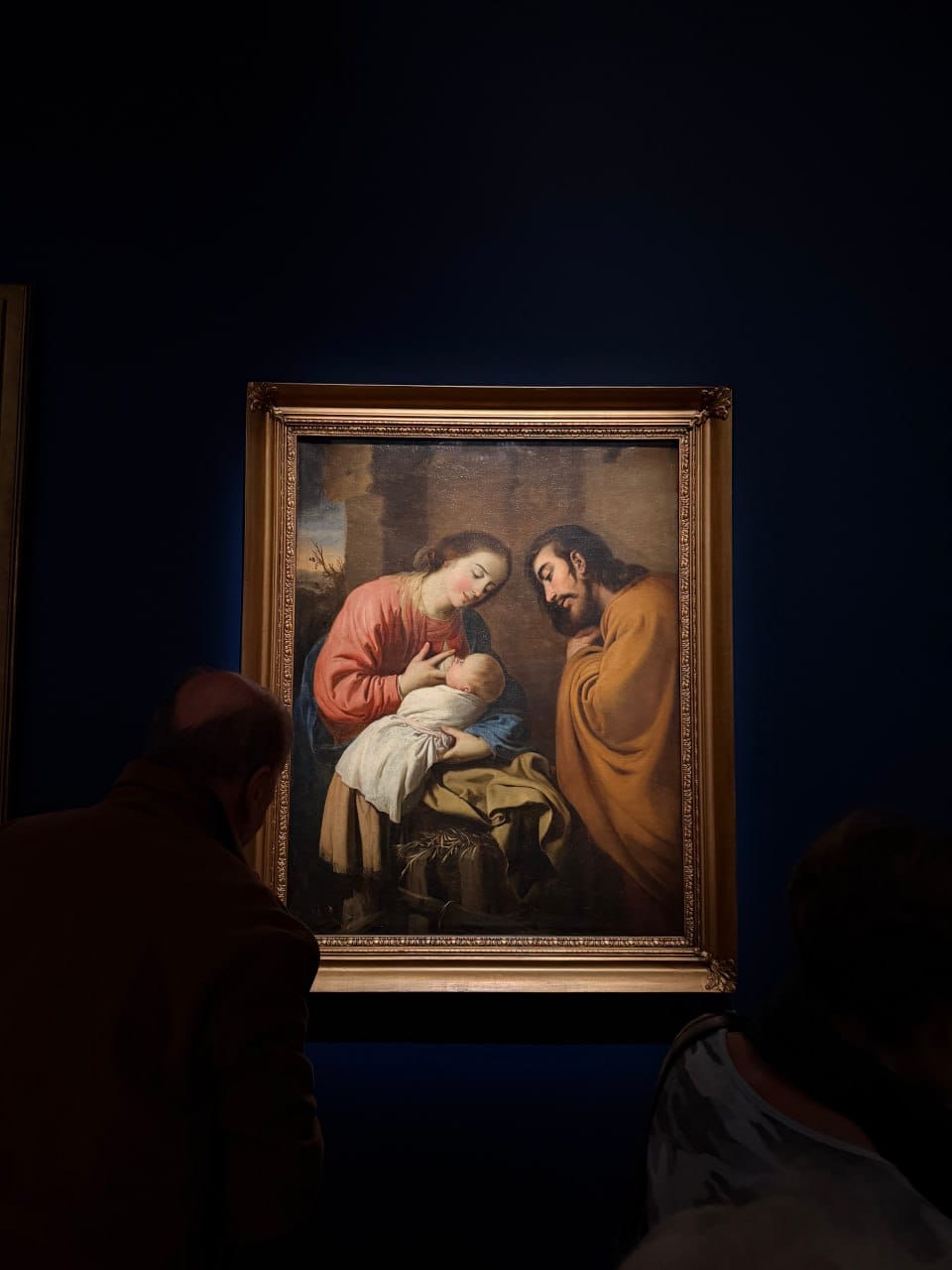
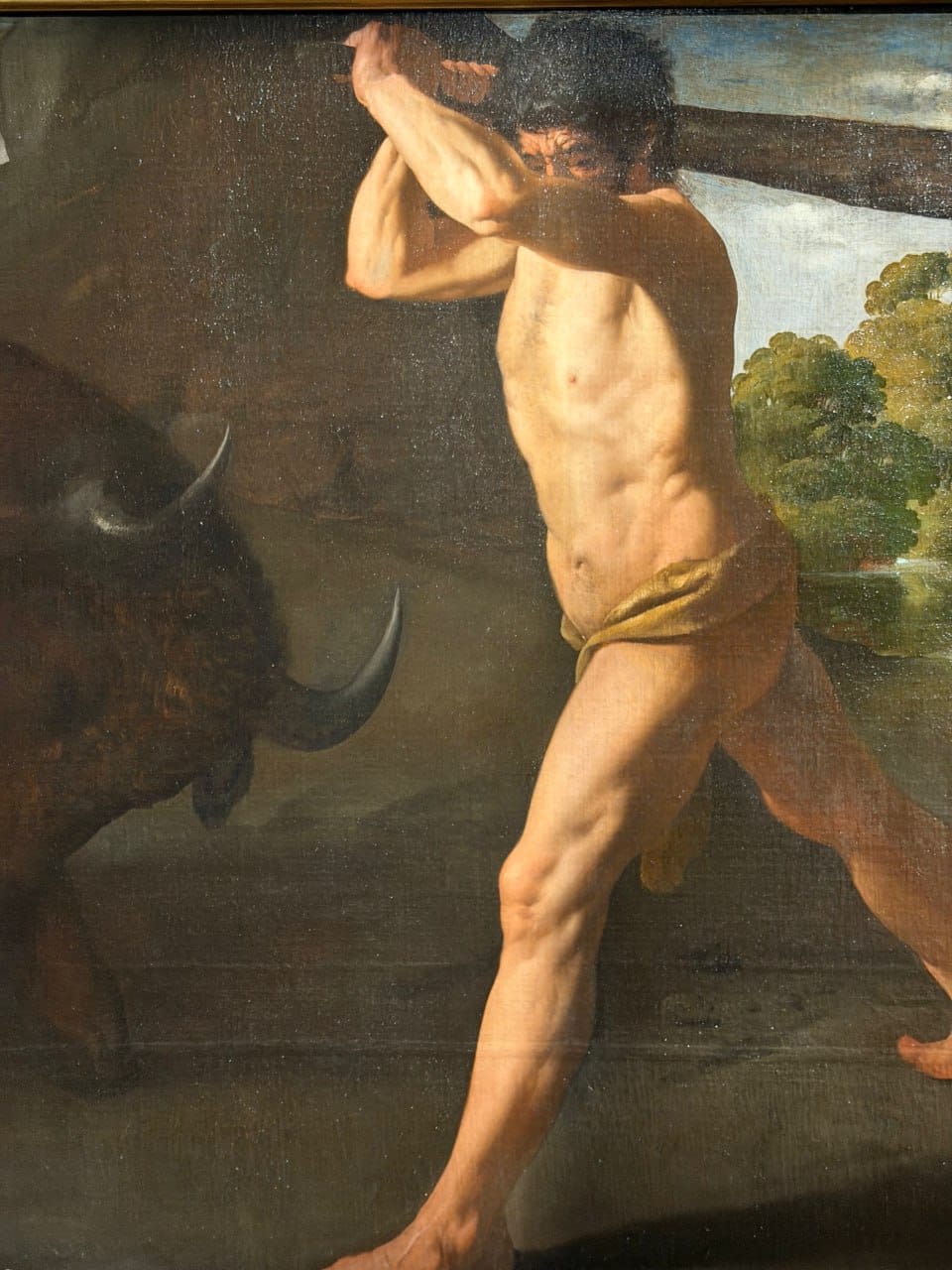
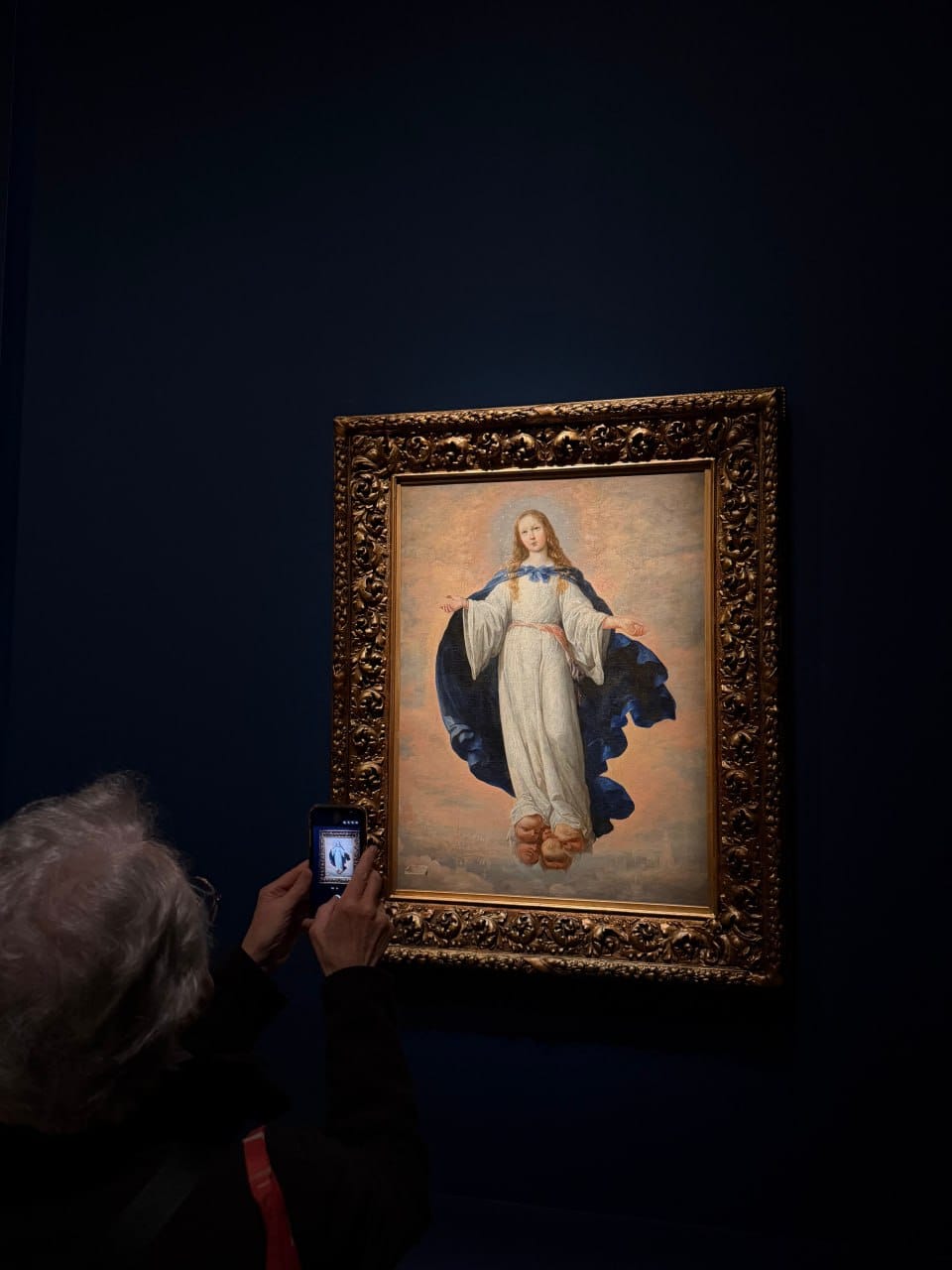
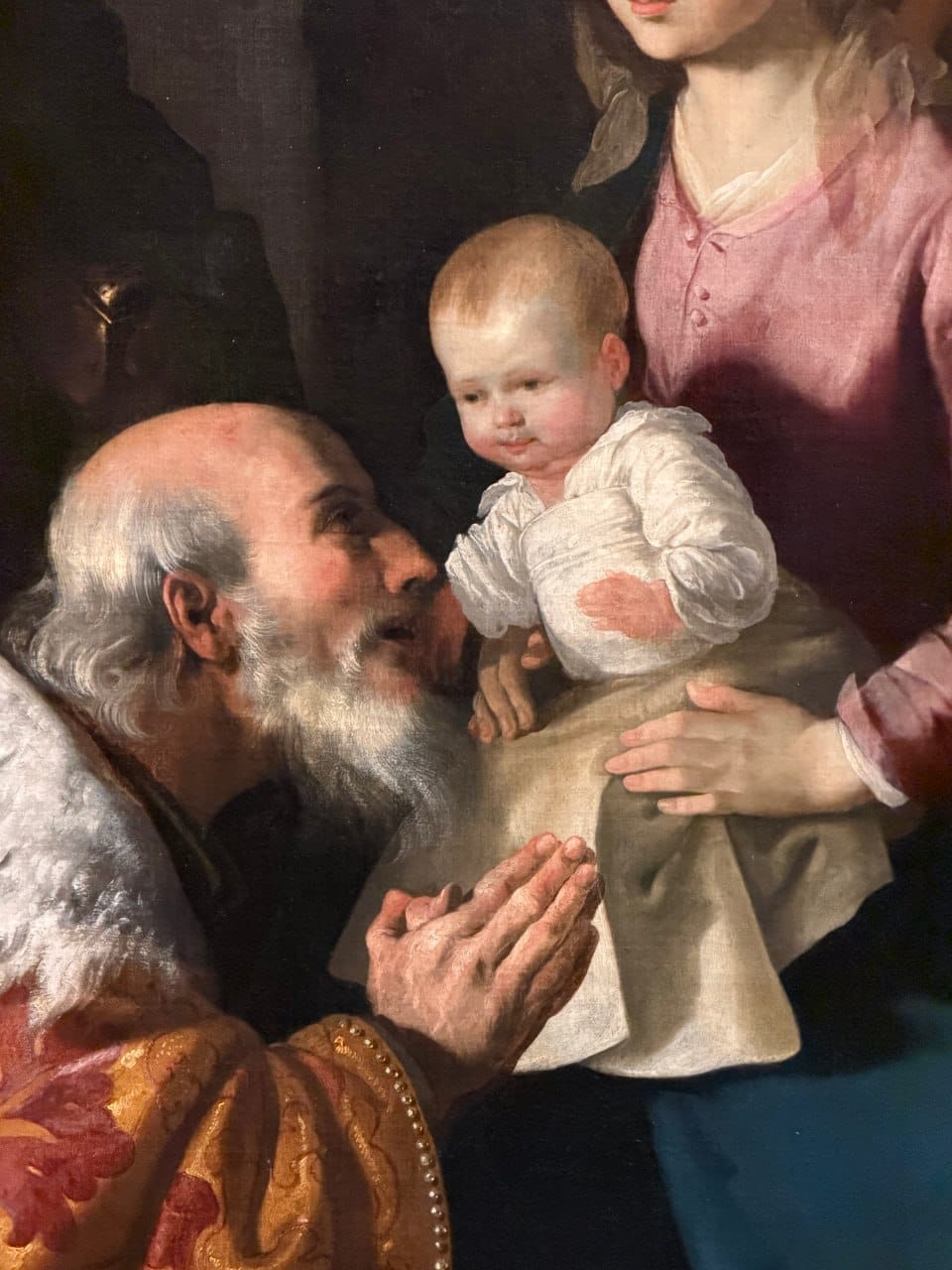
To meet her among Zurbarán's paintings proved entirely fitting. She told me that she adores Zurbarán's white, and named as her favourite picture "Saint Casilda" from the Thyssen-Bornemisza Museum in Madrid. The same painting adorns the poster of the exhibition. Saint Casilda, according to tradition, was the daughter of the Muslim ruler of Toledo and secretly carried bread to Christian prisoners; when her father caught her, the bread in her skirt turned into roses. Zurbarán painted her in the sumptuous gown of a court lady, so that the saint looks more like a Sevillian aristocrat of the seventeenth century than a martyr.
Among these paintings Rossy de Palma herself looked as though she had stepped down from one of the canvases. She has the same bearing as Zurbarán's saints: tall stature, a straight back, an expressive profile and the quiet dignity with which his heroines carry their heavy silks. In life, however, she proved to be very friendly and open, speaking easily and willingly about her favourite paintings, yet just as willing to listen: she discussed the exhibition and the fate of Zurbarán's works with lively interest.