Elder Fyodor Kuzmich and Emperor Alexander I: the case for their identity, the views of historians and the position of the Church
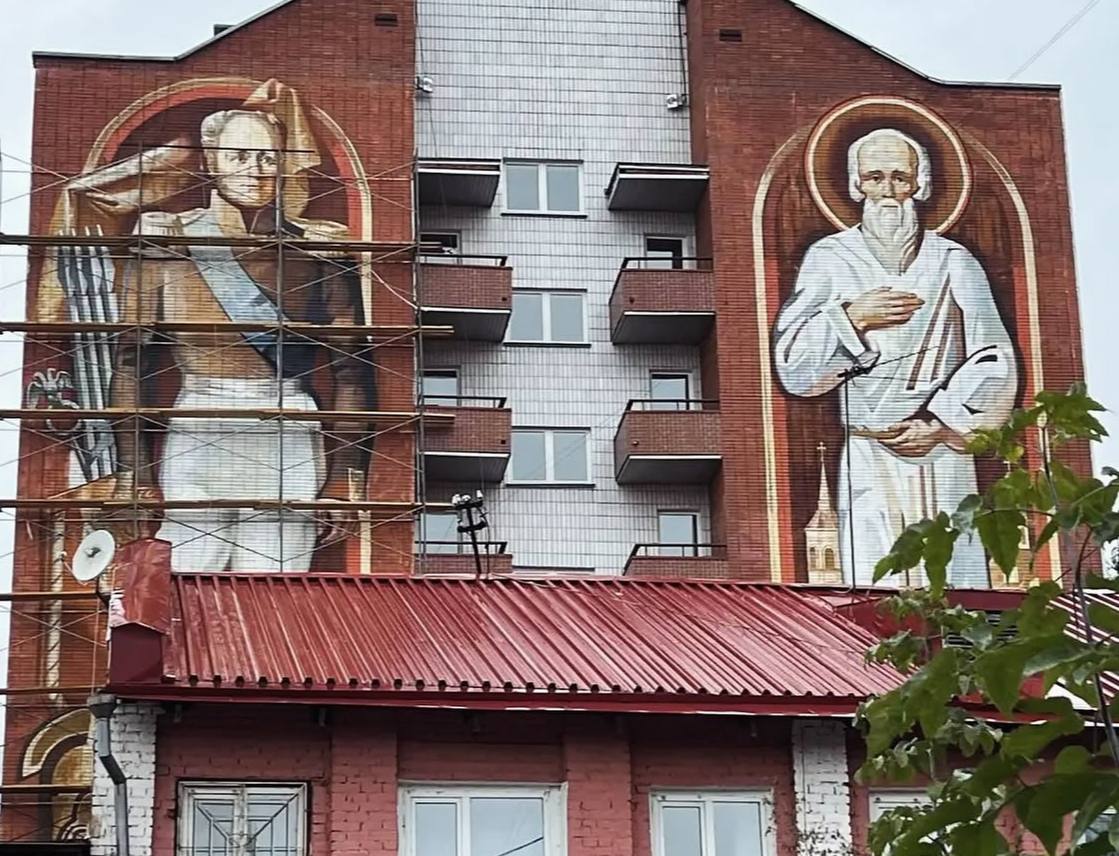
A mural in Tomsk showing Saint Theodore of Tomsk, also known as Elder Fyodor Kuzmich, and Emperor Alexander I, whom many consider to be one and the same man. I am inclined to think so too.
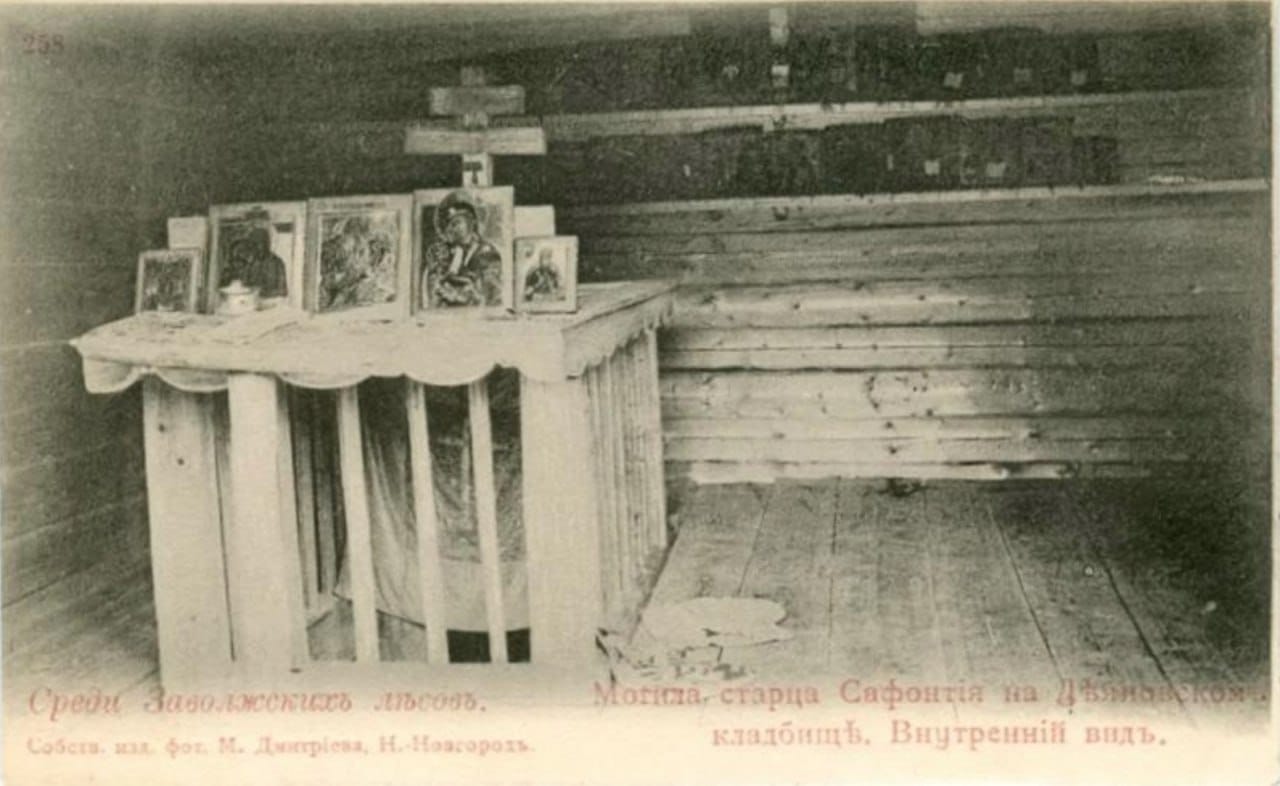
The man who called himself Fyodor Kuzmich appeared in 1836 in Perm Governorate, was flogged as a vagrant who could not remember his kin, and was exiled to Siberia. He spent his last years near Tomsk with the merchant Khromov and died on 20 January 1864. The rumour that he was Emperor Alexander I, who had staged his own death at Taganrog in 1825, arose in the elder's own lifetime.
As for how seriously this talk was taken, in his four-volume work on Alexander I Schilder writes of Fyodor Kuzmich without asserting the identity, but regarding the version as entirely possible. On the other hand, Grand Duke Nikolai Mikhailovich, in his "Legend of the Death of Emperor Alexander I in Siberia", denies that the emperor and the holy elder were one person, relying on documents concerning Alexander I's illness and death at Taganrog, to which he had access as a member of the dynasty.
Among the major champions of the identity one should recall Konstantin Kudryashov and his book "Alexander I and the Mystery of Fyodor Kozmich" of the 1920s, and Prince Vladimir Baryatinsky's study "The Mystic on the Throne (Emperor Alexander I – Theodore Kozmich)".
Leo Tolstoy, for that matter, did not pass over the theme either. In his unfinished tale "The Posthumous Notes of Elder Fyodor Kuzmich" he agrees that the elder and the emperor are one man. Moreover, in his telling the elder confesses it himself:
That man was I, he was my double... I am Alexander the First
In the academic tradition, by contrast, the oneness of these two great men is rather rejected. Historians confirm the death at Taganrog by the autopsy report on the august body, the papers of the court physicians, the letters of Empress Elizaveta Alekseyevna and the testimony of numerous witnesses. Yet there are scholars who object that the report is contradictory, that the coffin was carried to Saint Petersburg closed, and that the elder was educated and knew court life.
Interestingly, the biographers of Alexander I leave the question open. Andrei Sakharov, for example, analyses the arguments of both sides in detail and draws attention to certain curious points: the muddle over the autopsy reports and the haste of the official procedures, the chaos at the burial, and above all the synchronicity in the diaries of those close to the emperor, of the empress, of Adjutant General Volkonsky and of the court physician Wylie, while the tsar was still alive and well at Taganrog.
In 2015 Svetlana Semyonova, president of the Russian Graphological Society, announced that the handwriting of Alexander I and that of the elder match. I have questions about this conclusion, because neither the methodology nor any independent verification has been published. Back in 1995, during excavations at the Bogoroditse-Alekseyevsky Monastery in Tomsk, the elder's coffin was found, but without the skull and one thigh bone; samples were taken for DNA, but a comparative genetic analysis with the remains of the Romanovs was never carried out.
In 1984 the elder was glorified as the righteous Theodore of Tomsk, within the Synaxis of Siberian Saints. Since 1995 his relics have been kept at the Bogoroditse-Alekseyevsky Monastery. The Church venerates him as a saint but does not officially identify him with Alexander I. Individual priests of the Tomsk diocese express sympathy with the legend.
The chancellery of the Russian Imperial House, for its part, has publicly declared that Elder Fyodor Kuzmich and Alexander I were different people. But one should remember what we know of the elder's veneration within the imperial family and, according to unconfirmed reports, the close relations and correspondence of several members of the dynasty with him, not to mention the visit of Nicholas II to the elder's grave and cell.