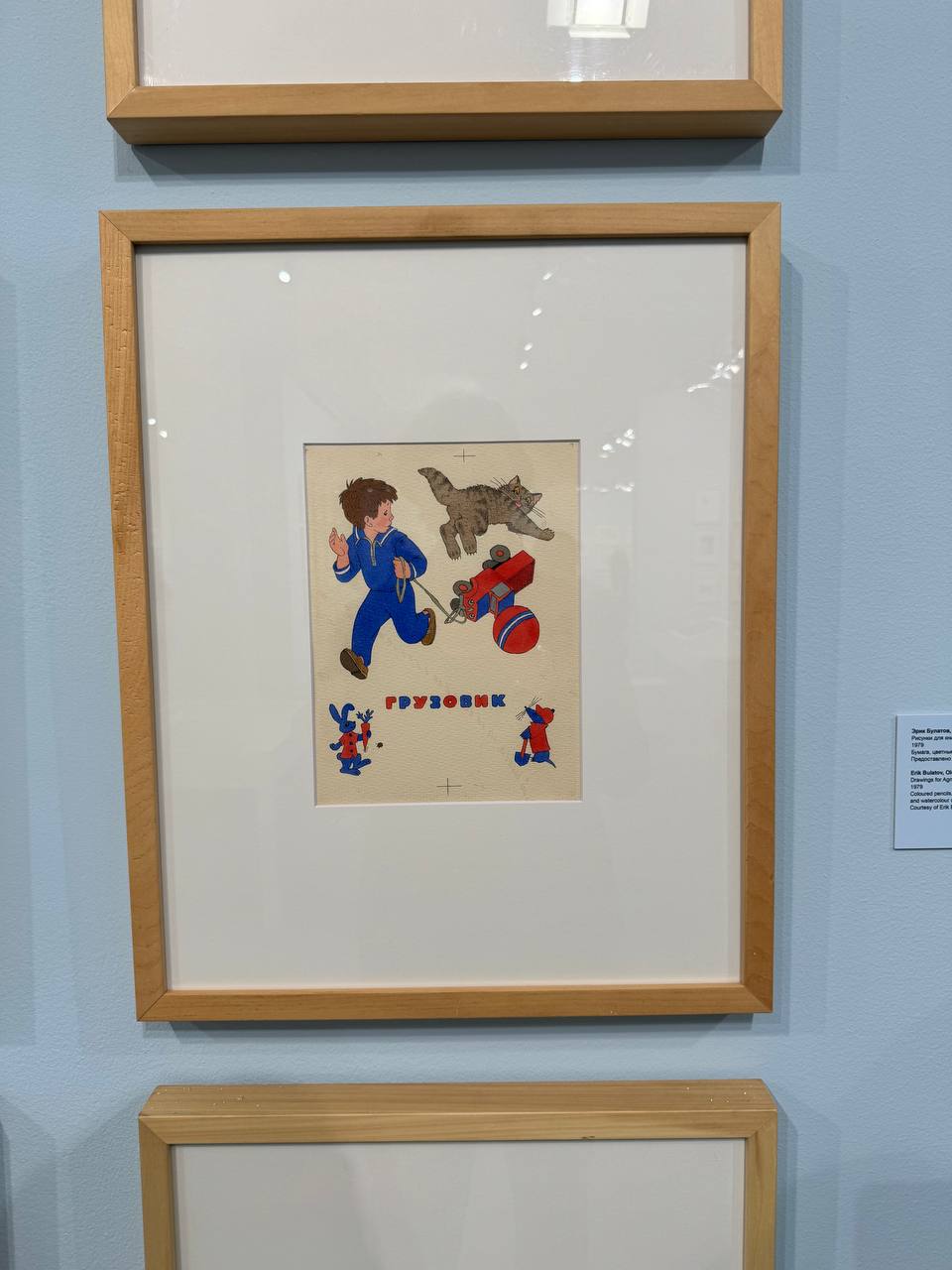
The Multimedia Art Museum continues to honour the legacy of our distinguished contemporary Erik Bulatov, this time with the opening of the exhibition "A Marvellous Journey" by Erik Bulatov and Oleg Vasiliev, spanning thirty years of joint work…
Here is how the curators describe the exhibition:
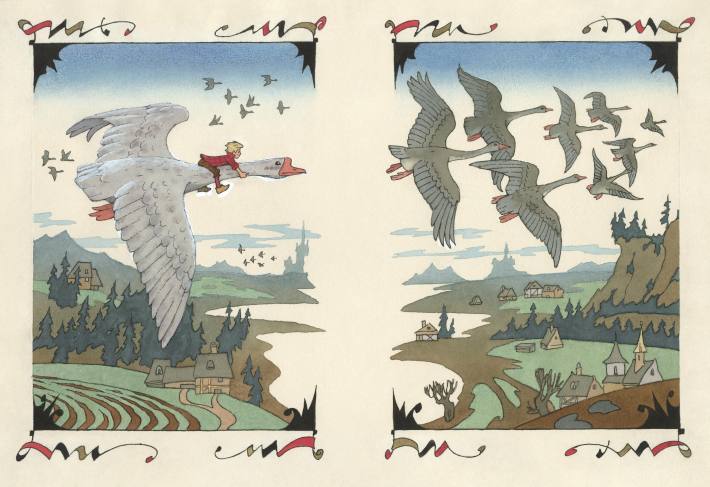
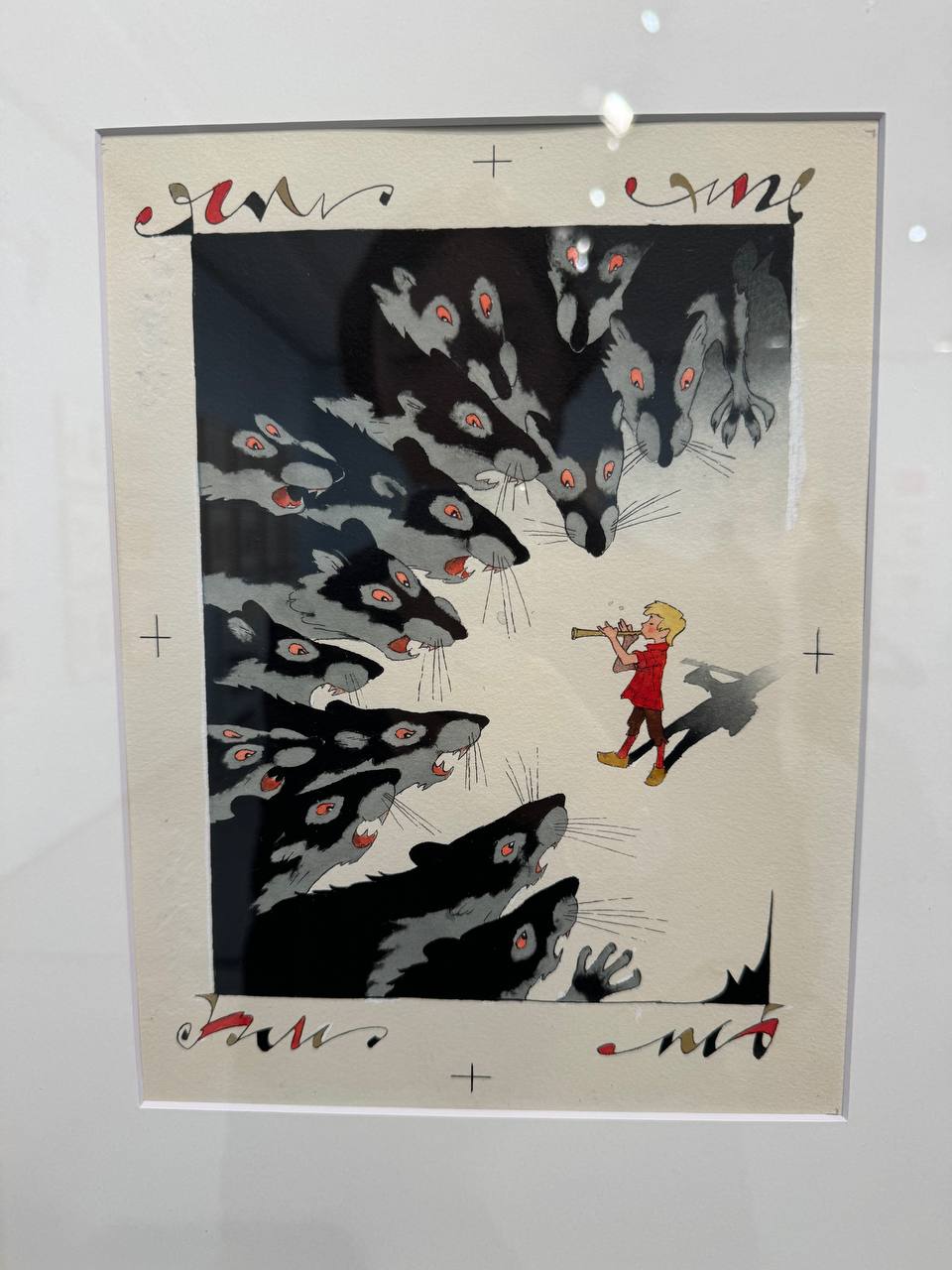
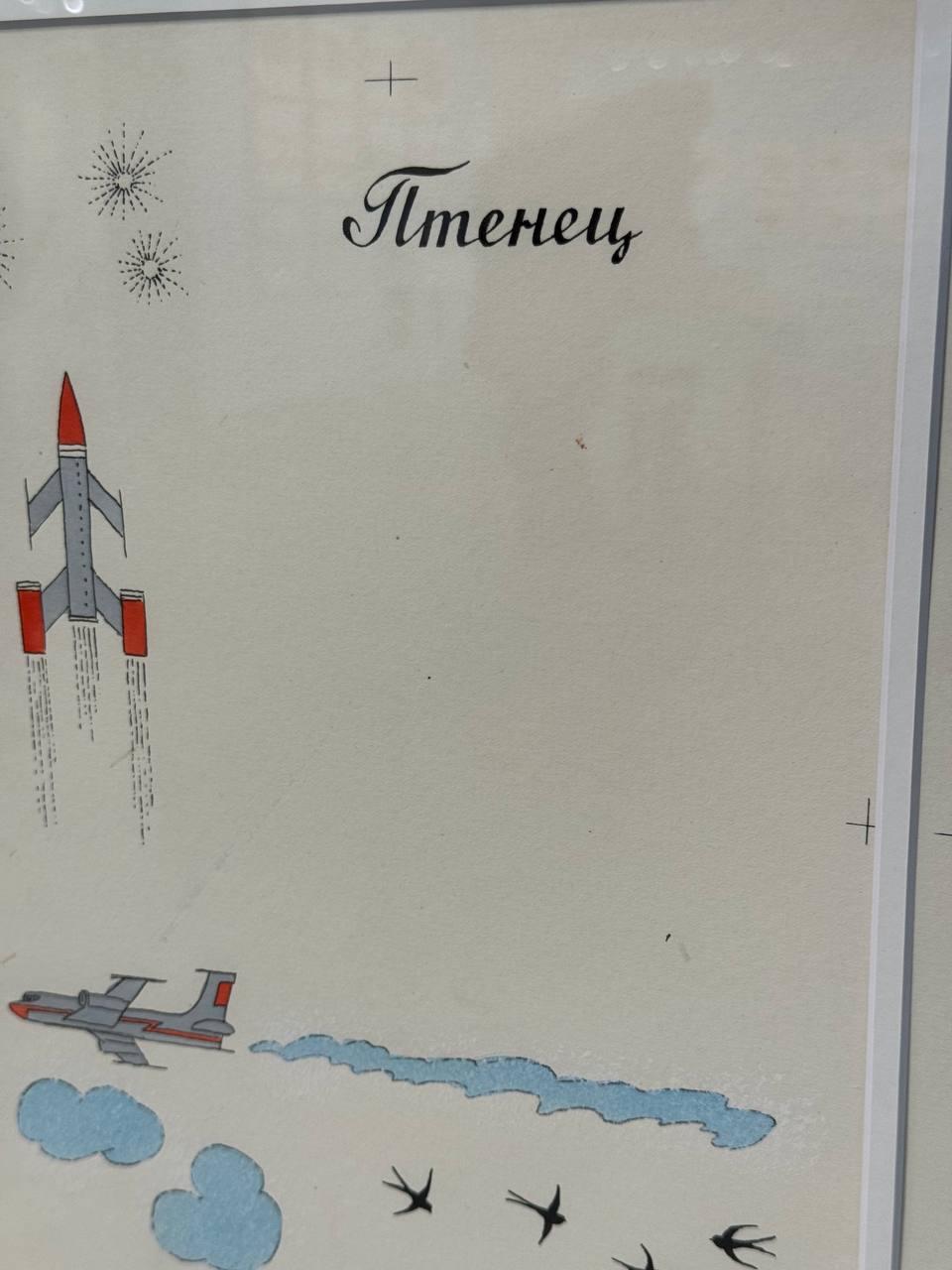
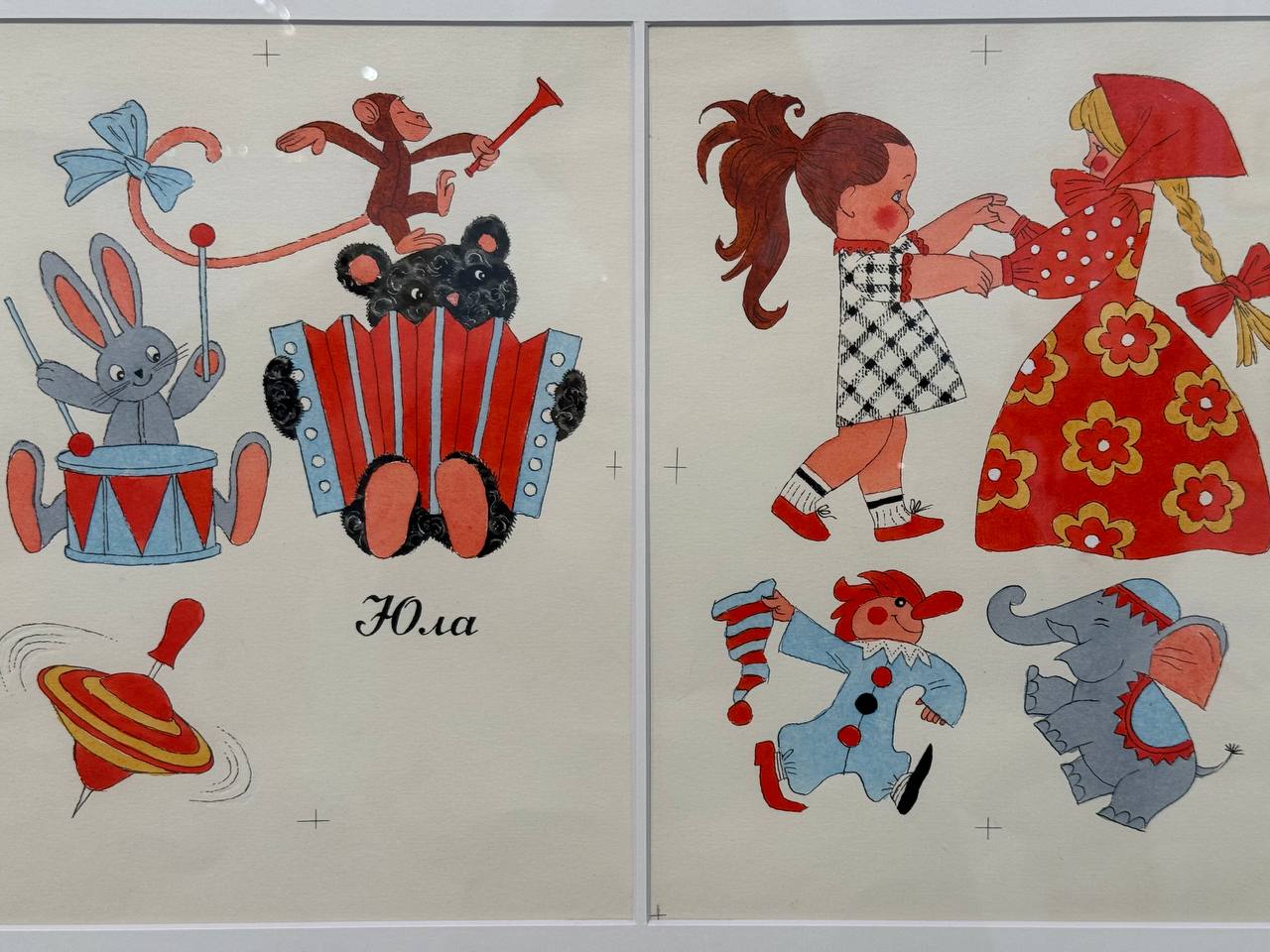
For the representatives of unofficial Soviet art, illustrations for children's books were not only a means of earning a living but also a space of creative freedom. Art for children was censored more gently, and for the Conceptualist artists the children's book became an experimental laboratory in which to search for new forms of visual language and to build their own artistic worlds, where imaginary and playful realities found their fullest expression. The masterpieces of children's illustration they created continue to develop the imagination and shape the visual culture of children.
In the late 1950s Ilya Kabakov, a graduate of the book graphics studio of the Surikov Moscow State Academic Art Institute, who by then was already working professionally as an illustrator of children's books, brought Erik Bulatov and Oleg Vasiliev to the Malysh publishing house and, as Bulatov recalled, "taught me the first lessons of the illustrator's craft". Kindred spirits in art, Bulatov and Vasiliev began working as a tandem almost at once, and over the following thirty years they divided their creative activity into two periods: in autumn and winter they devoted themselves exclusively to designing children's books, while in spring and summer they painted "for themselves".
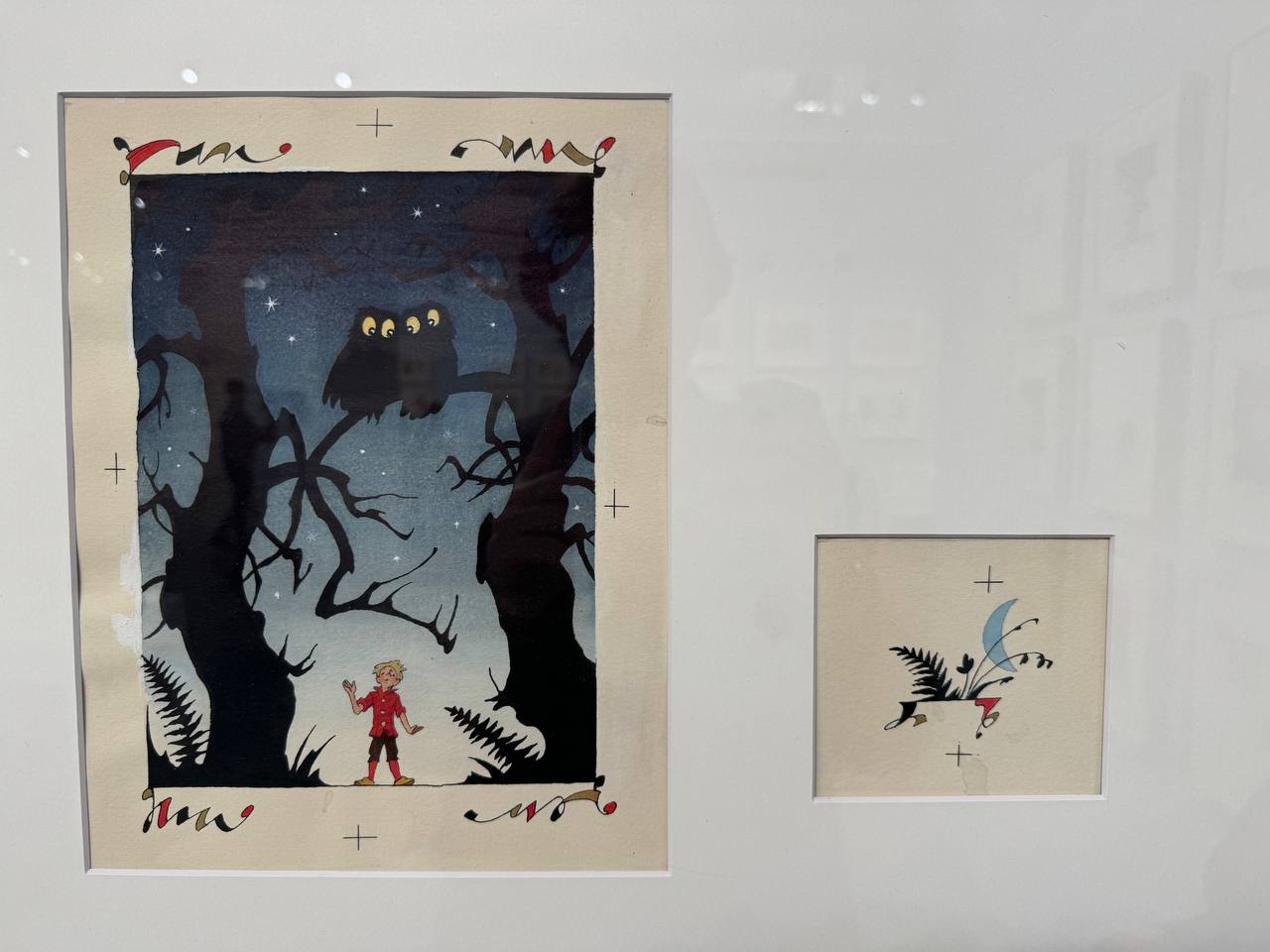
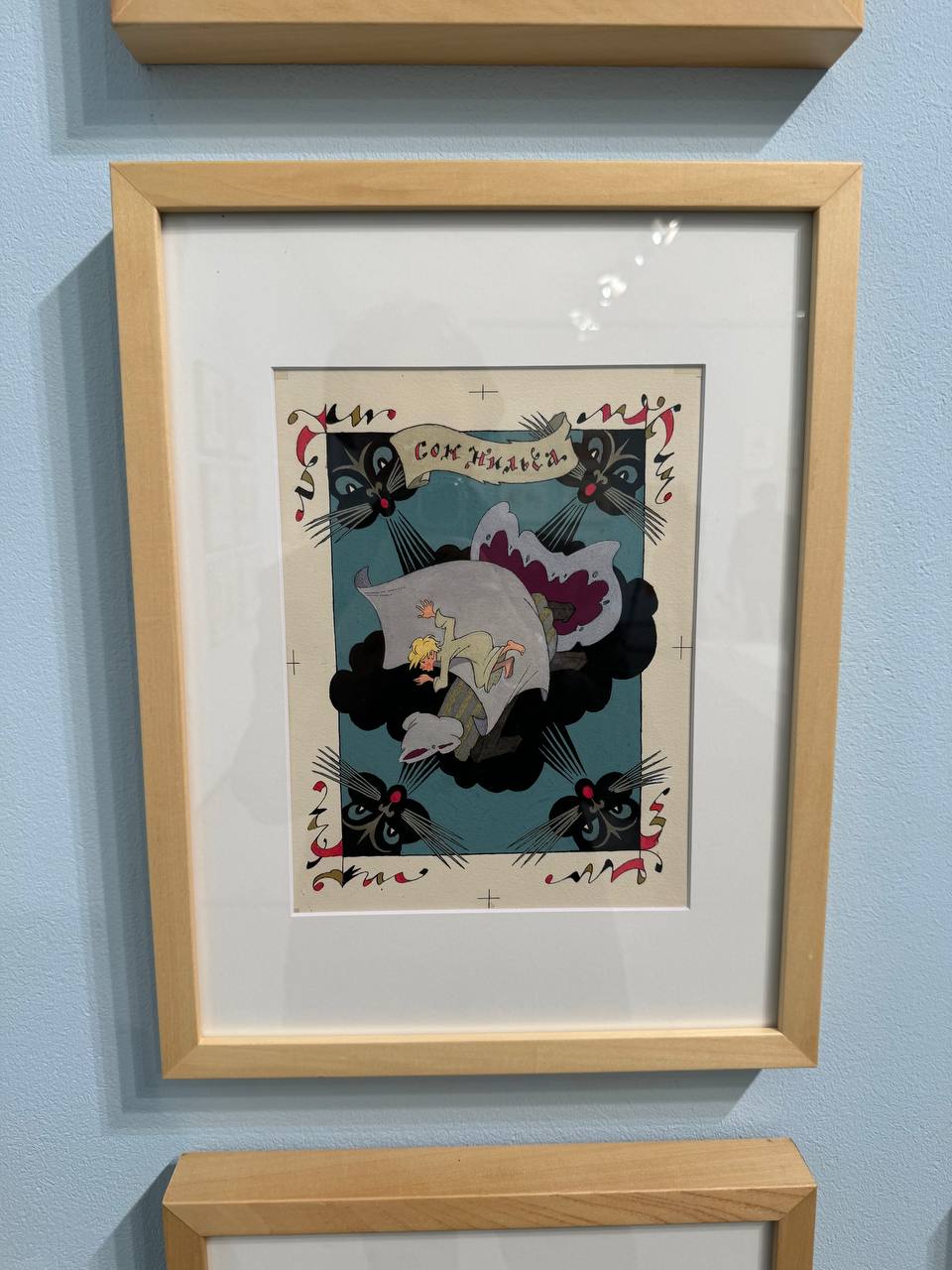
Developing the ideas of their teacher, the outstanding graphic artist Vladimir Favorsky, Bulatov and Vasiliev approached the design of a children's book as the construction of an artistic object. "To see, organise and build the whole book from beginning to end", in Bulatov's formulation, exactly describes their creative method. They thought not in terms of separate pictures scattered through the text but created a unified project.
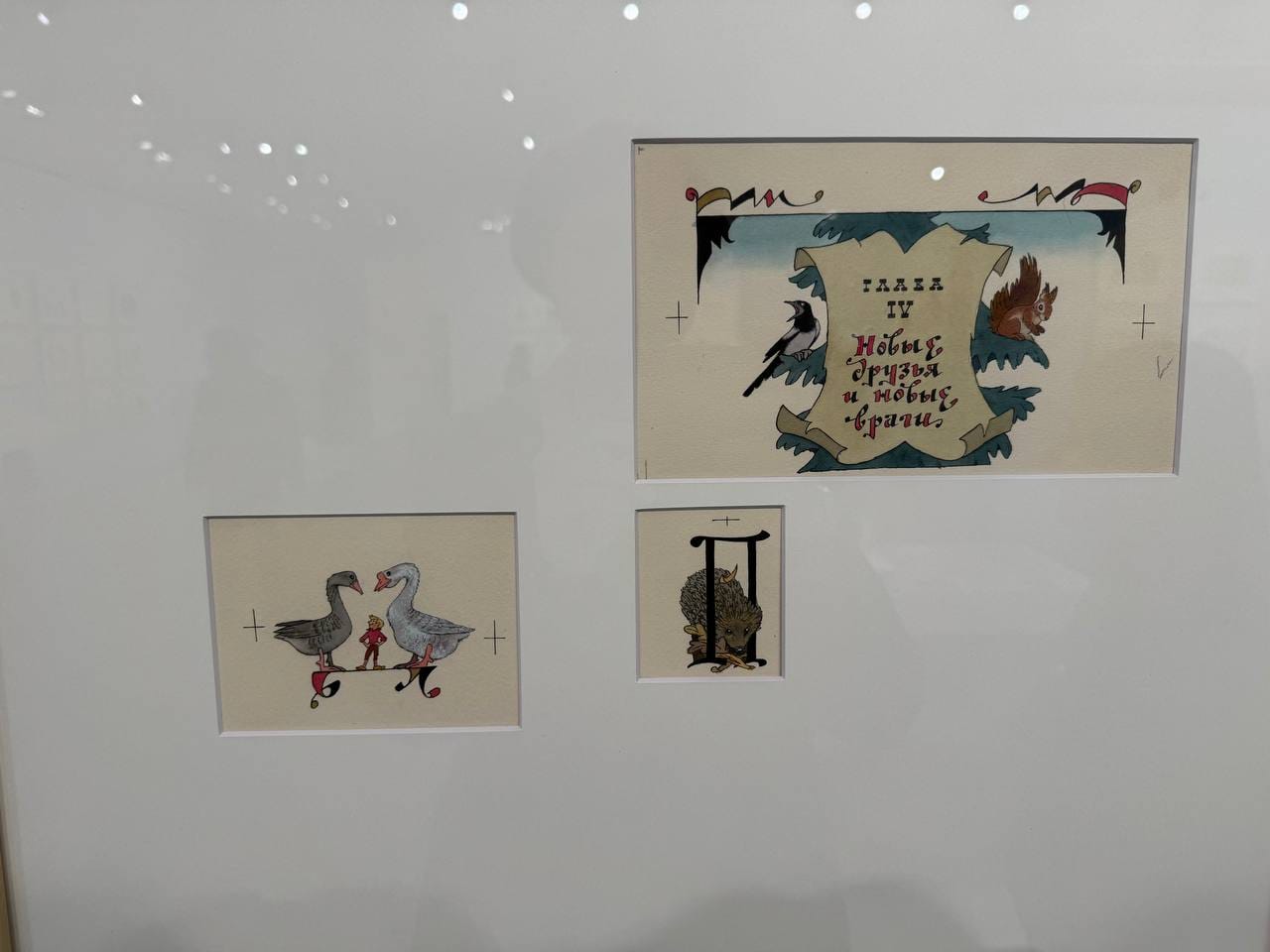
Particular attention was paid to the design of the text spreads so that, as Bulatov wrote,
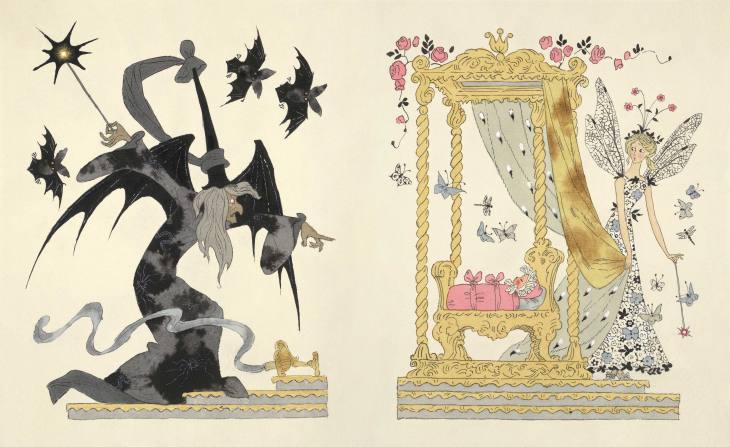
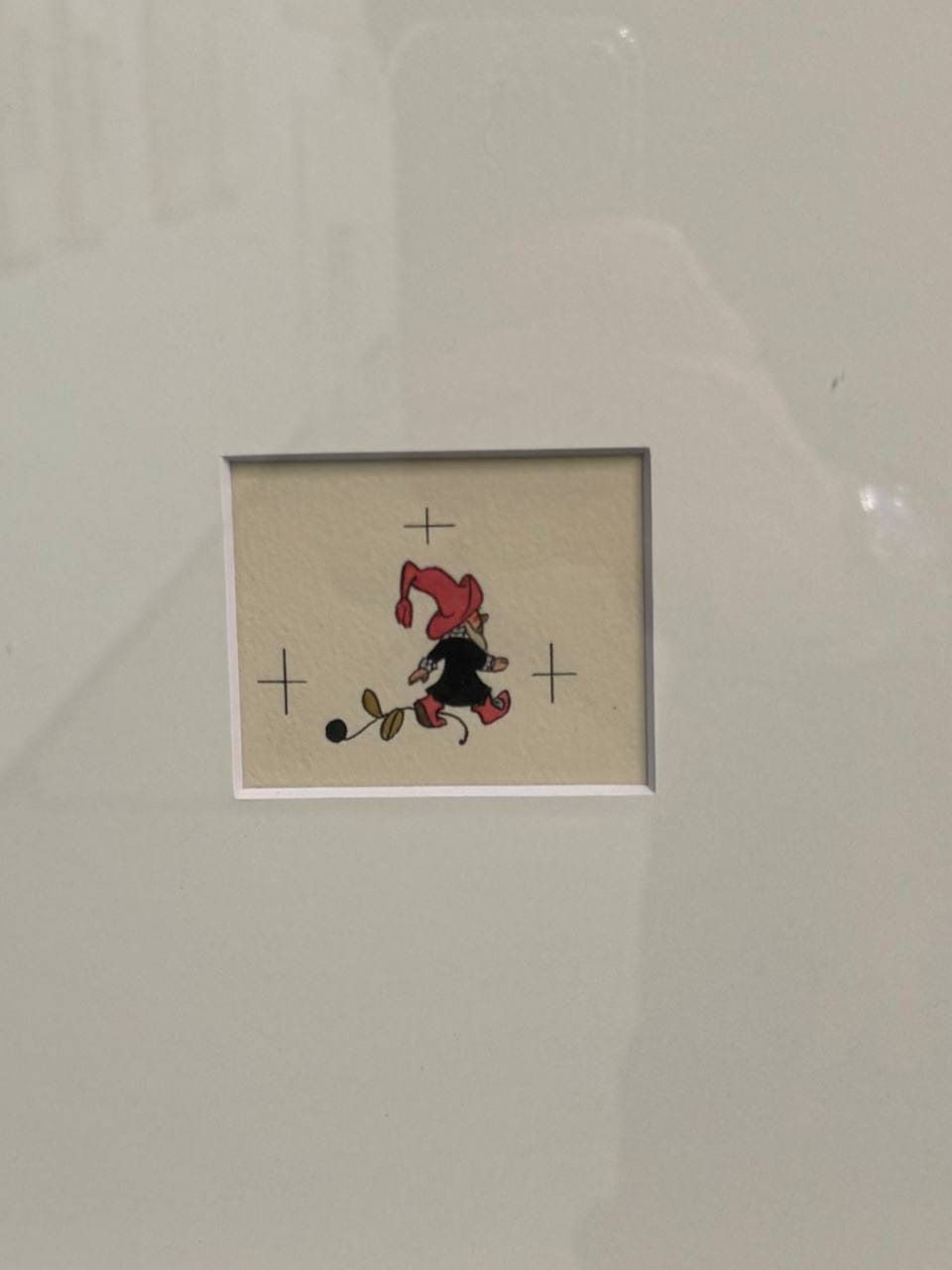
"the action in the book should develop continuously, without jumps from one full-page illustration to another". What mattered was not only the large drawings on separate pages but also the miniature images framing the text: it was in these that the energy of the fairy tale was concentrated and the "backstage life" took place. In the illustrations to "Cinderella" lizards and mice act out scenes at the top of the page, while all the other characters of the tale appear below; in the drawings for "Grandmother Blizzard" there appear gnomes who are not in the text of the tale at all.
The illustrations of Bulatov and Vasiliev absorbed the experience of the artistic culture of the late nineteenth and twentieth centuries. One can easily find in them references to the ornamental vignettes and stage-wing compositions of the Mir Iskusstva artists Alexandre Benois, Konstantin Somov and Yevgeny Lanceray. In their drawings for children's books Bulatov and Vasiliev also turned to the Russian avant-garde's experiments with plane and space, and even to the style of Walt Disney's animation, which had a great influence on Soviet animated film.
Erik Bulatov and Oleg Vasiliev created a universal visual language of the children's book, still relevant today, which is based, in Bulatov's words, first and foremost on the "child's idea of a fairy tale", on archetypal images that originate in the child's consciousness. In their illustrations the artists deliberately erase the boundaries between the real, the historically accurate and the imagined, leaving the reader free to journey into fairy-tale worlds.
A wonderful exhibition, remarkable artists, kind and heartfelt art. Thank you to the museum's team!