"It is very hard for people to renounce the expediency of everything that happens in the world, and therefore hard to understand innocent suffering
"It is very hard for people to renounce the expediency of everything that happens in the world, and therefore hard to understand innocent suffering. To many it seems that if there is innocent suffering, then there is no God, no divine providence. This is one of the arguments of atheism and, perhaps, the strongest. The world is full of Jobs, if not great Jobs, then small Jobs. And we refuse to understand their sufferings, just as Job's comforters refused to understand his. Take the fate of Socrates. Socrates was the wisest, most virtuous and most righteous of the Greeks, the greatest of the sons of Greece. And he was condemned to death, poisoned by his own people. Vl. Solovyov, in a remarkable article on Plato, says that the death of Socrates, his teacher, had a decisive influence on his view of the world. Plato turned away from that multiform sensory world, "this world", in which so great and righteous a man was poisoned by his own people. In such a world there can be no justice, meaning, goodness or truth. And he turns to the world of ideas, the suprasensory world, and in it seeks the supreme good. Greek tragedy had already revealed the images of innocent sufferers. The tragic hero is an innocent sufferer. Oedipus bears no personal guilt; fate weighs upon him. In the world disclosed by Greek tragedy there is no one to appeal to, as Job had someone to appeal to, for he believed in a God who rises above the world. Greek tragedy finds a way out only in an aesthetic reconciliation with fate, amor fati. The world is full of gods, but the gods themselves are subject to fate. Plato tried to find a way out of the immanent whirl of cosmic life, in which there is no truth or justice, by turning to another world, the world of eternal ideas."
Nikolai Berdyaev on Job, in the book "Spirit and Reality: Foundations of a God-Manly Spirituality".
Job is an Old Testament righteous man on whom, to test his faith and piety, the forces of evil visited terrible trials: poverty, the loss of his loved ones, leprosy, exile, and the temptation to curse God. But Job was ready to accept everything from the Lord: joy and sorrow, health and sickness, riches and poverty, and he was rewarded twofold for his patience and faith.
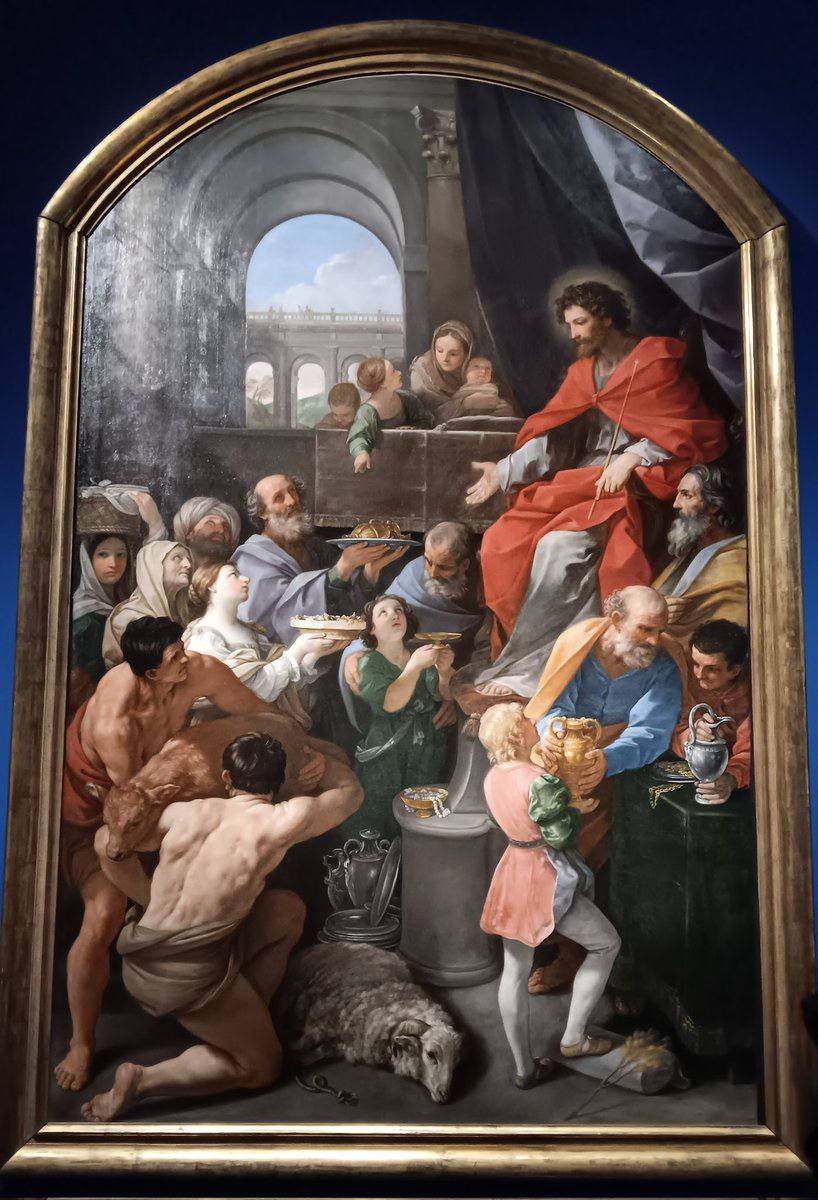
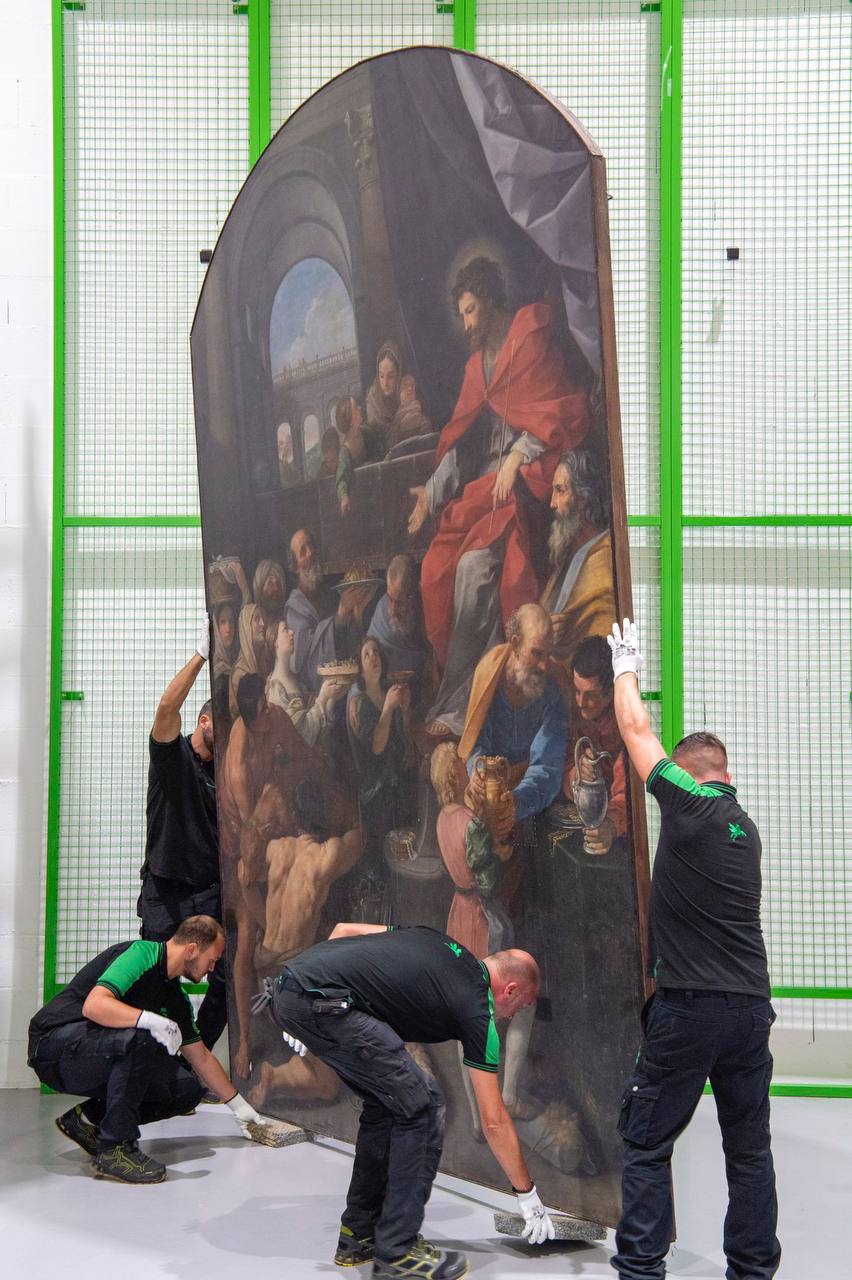
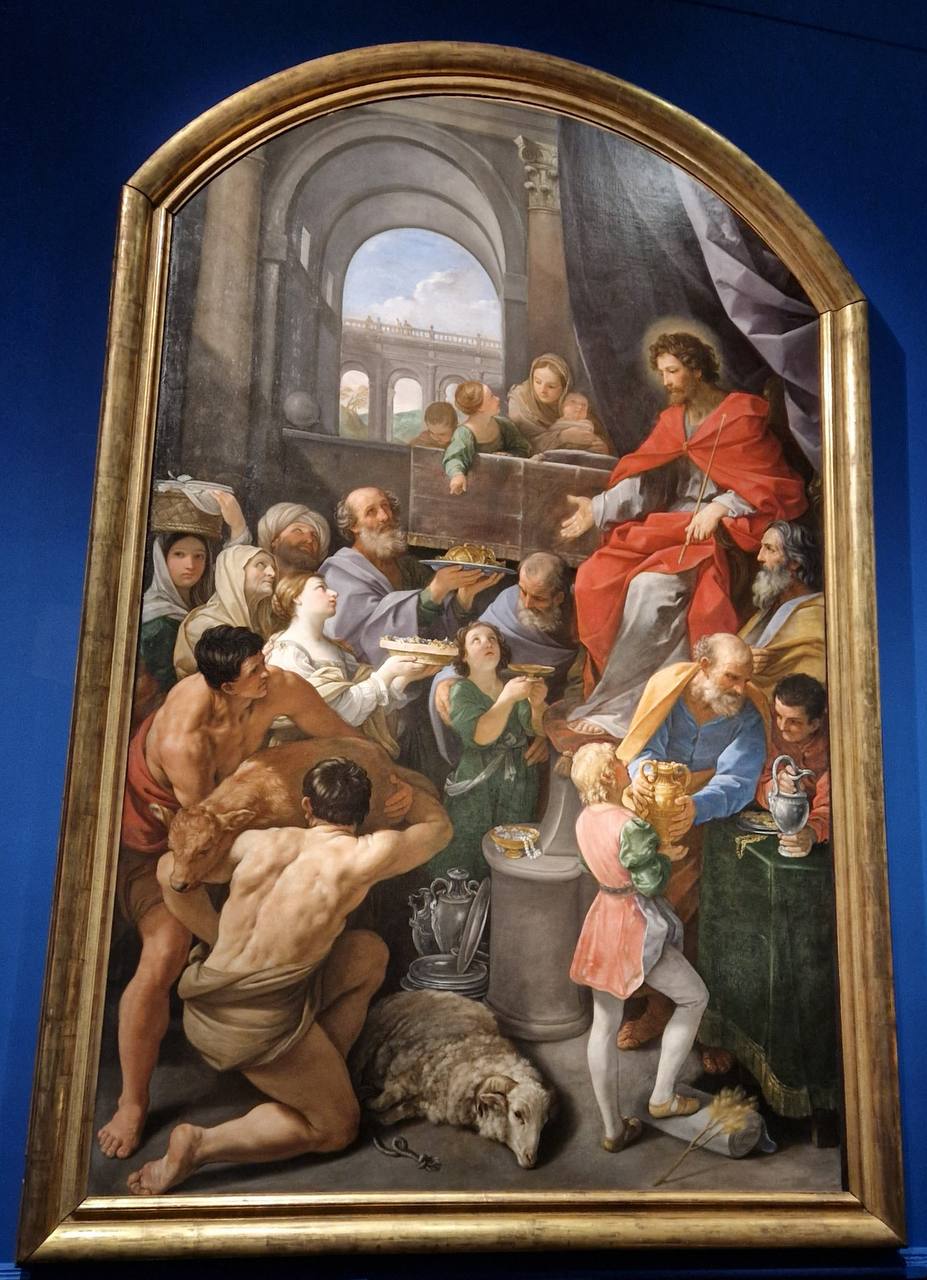
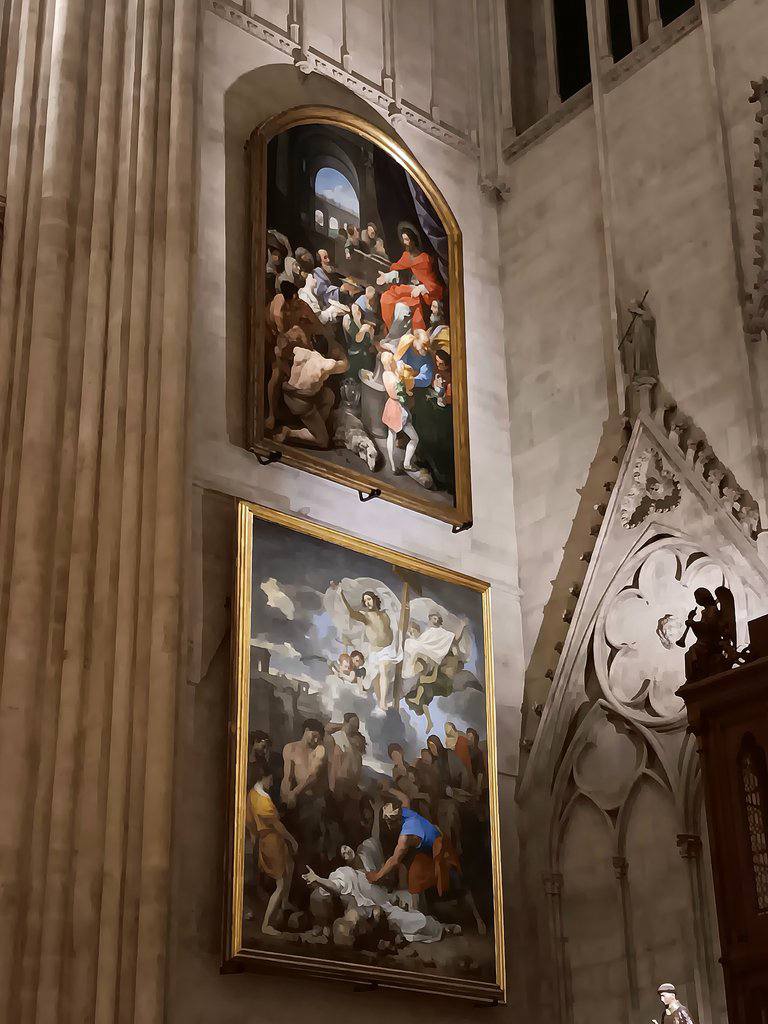
The other day the legendary canvas "The Triumph of Job" by Guido Reni was returned to Notre-Dame de Paris and put on display in the transept. During the fire the painting was in the cathedral and miraculously escaped harm when the ceilings collapsed, merely acquiring a little soot. Yet in my view the very fact of its return to Notre-Dame is ambiguous, since before the fire the picture was kept in the upper chamber of the cathedral. In the years after the fire this undoubted masterpiece of Guido Reni was, firstly, restored and, secondly, shown in museum spaces. I saw it at the Mobilier National in Paris; some were lucky enough to see it at the Guido Reni exhibition "The Beauty of the Divine" at the Prado in Madrid, where the canvas, four and a half metres high, barely fitted beneath a five-metre ceiling. And now this beautiful painting has returned to a cathedral with whose history it has little to do, and where it hangs very high, some six metres above the floor, so that without binoculars you cannot properly make it out. It does indeed turn out that so significant a painting gained rather than lost by being exhibited in museum spaces.
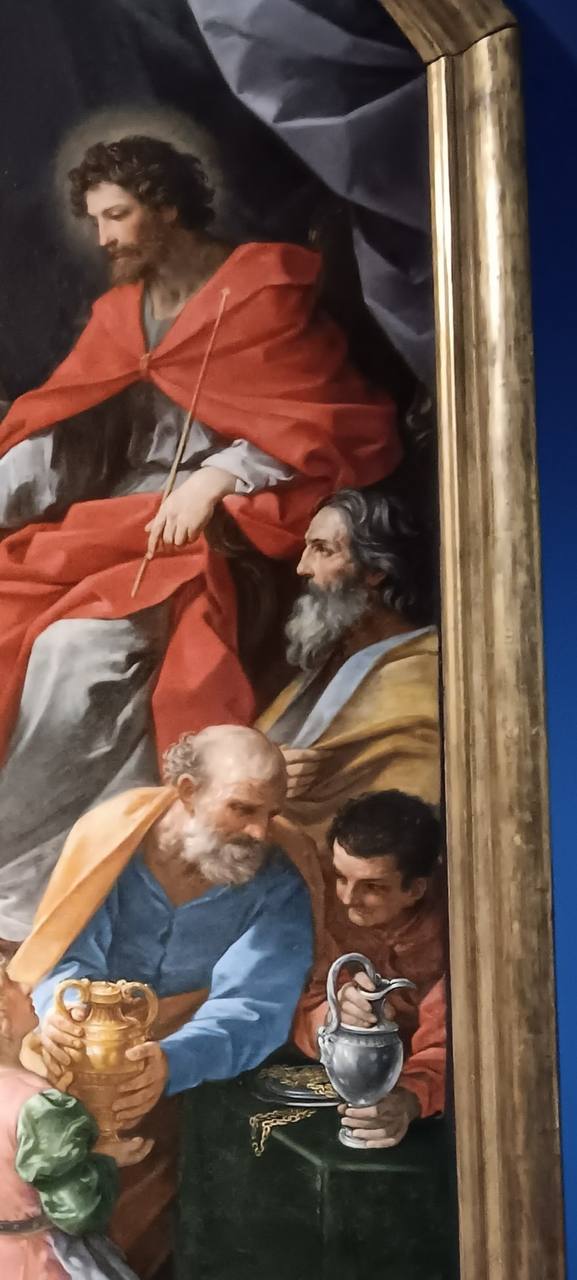
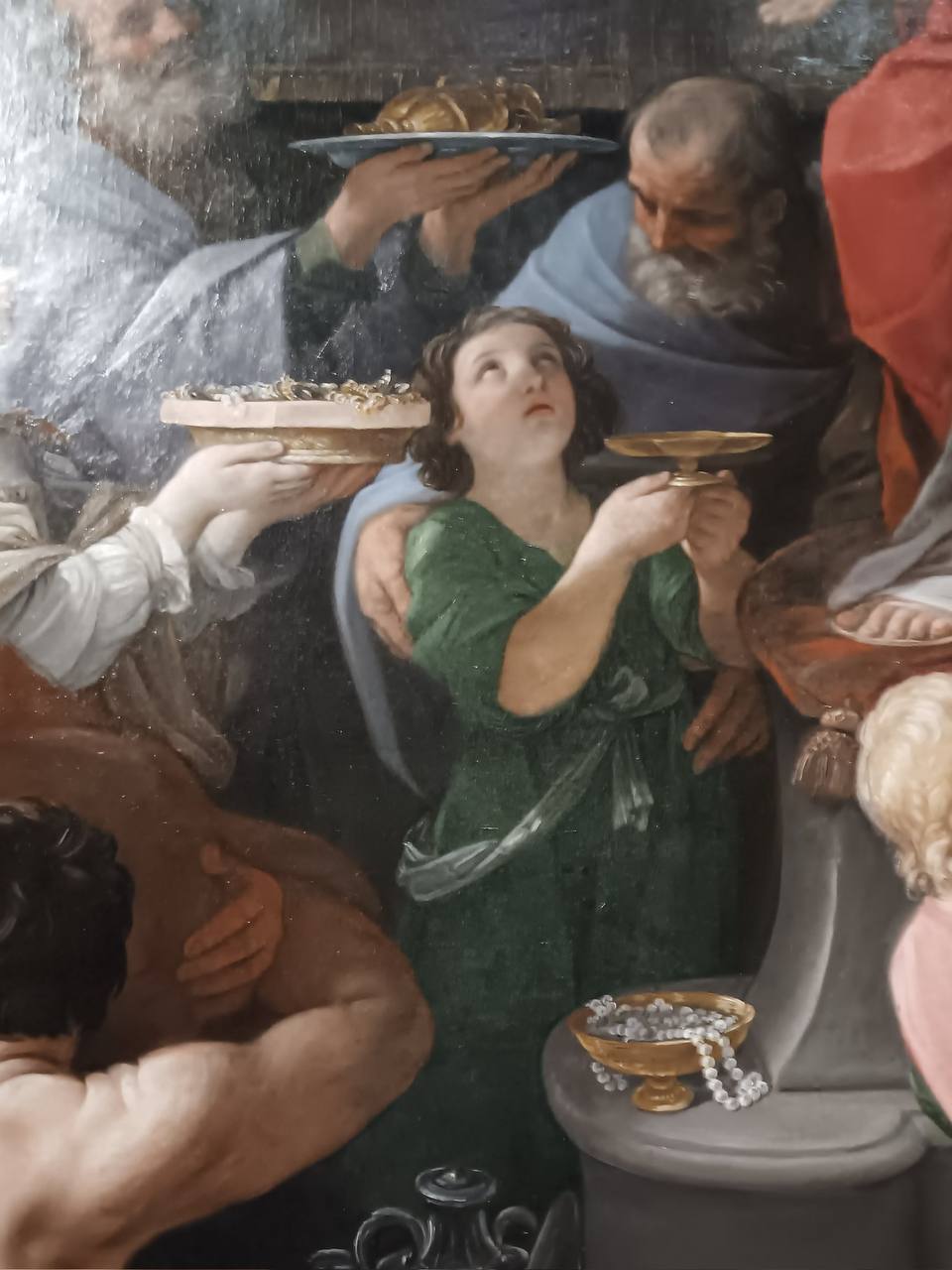
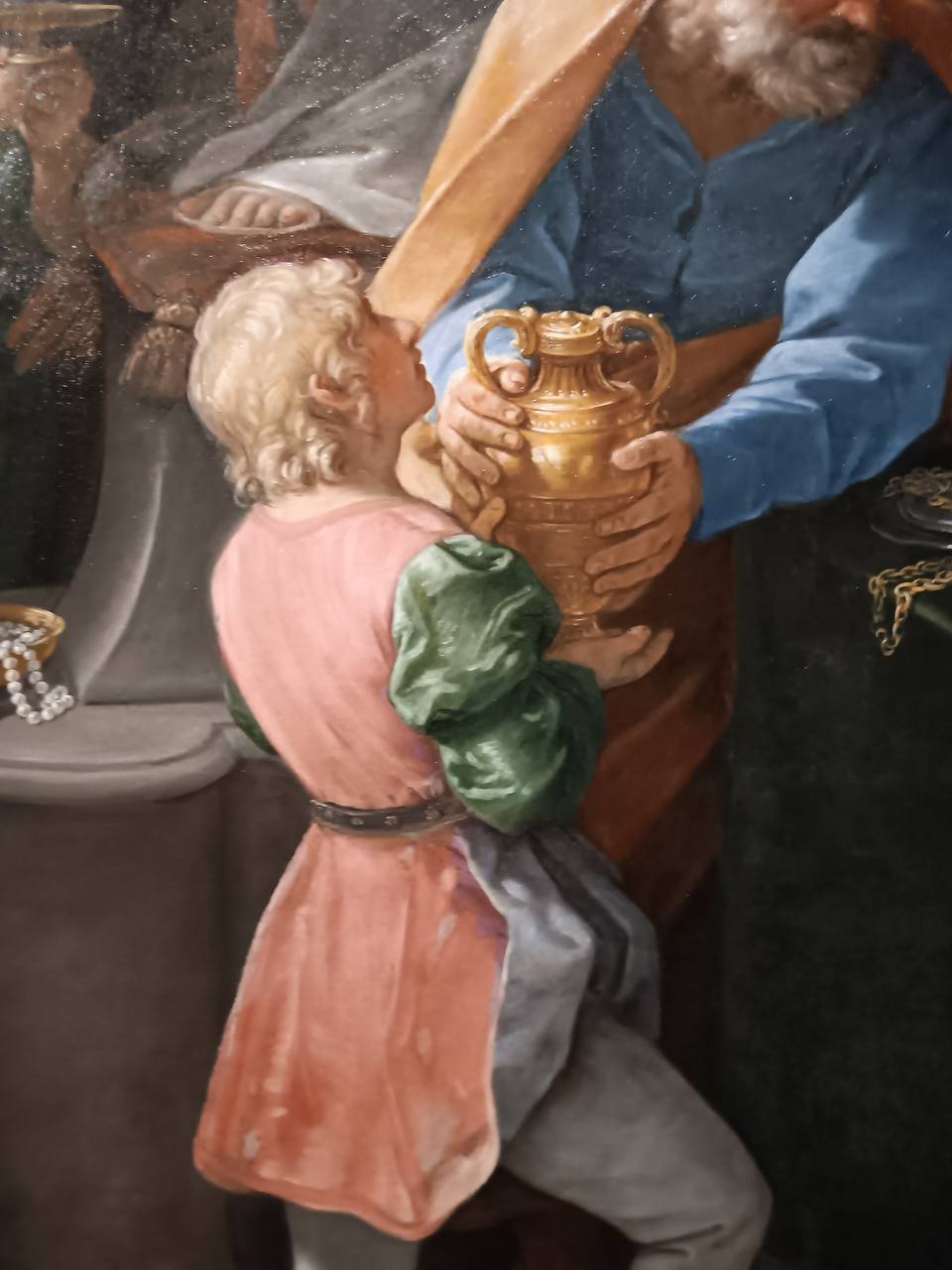
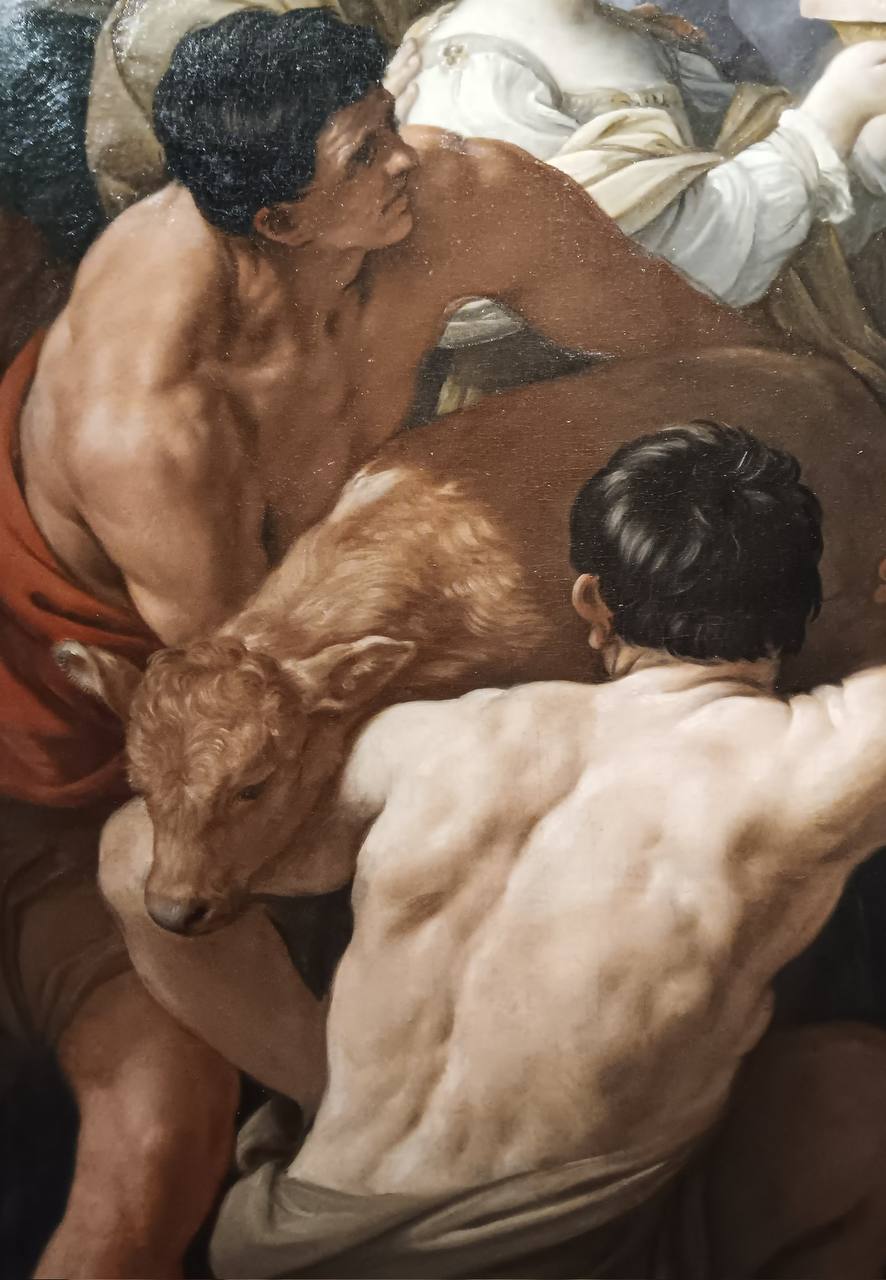
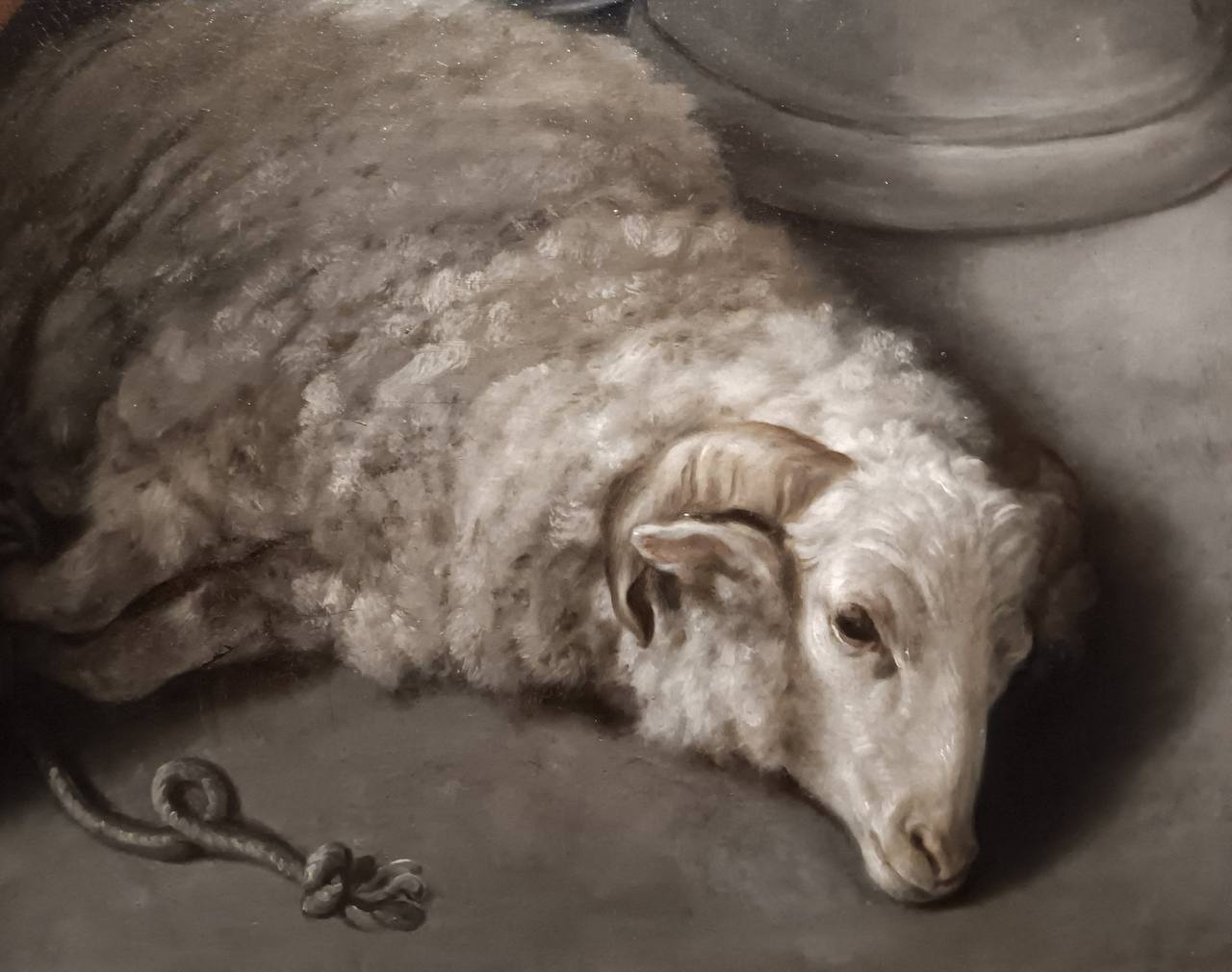
The picture depicts the scene of Job's triumph after his sufferings. Job, at the centre of the composition, stands out by his bright red mantle and the size of his figure; around him are people bringing gifts to the righteous man, including food, precious vessels, a lamb and a calf. Others look on at the honouring of Job. In the background we see Job's wife with small children: the Lord rewarded the old man not only with a very long life and health, but also with new children. The action unfolds in an interior with majestic arches and columns, which may suggest a sacred space.
In Russia, paintings by Guido Reni are to be found in the Hermitage ("The Dispute of the Church Fathers over the Christian Dogma of the Immaculate Conception", "Saint Joseph with the Christ Child in His Arms", "The Repentance of the Apostle Peter", "Saint Jerome", "The Youth of the Virgin Mary"), in the Pushkin Museum, the Perm Art Gallery, the Smolensk Art Gallery and the Pushkin Historical and Literary Museum-Reserve.