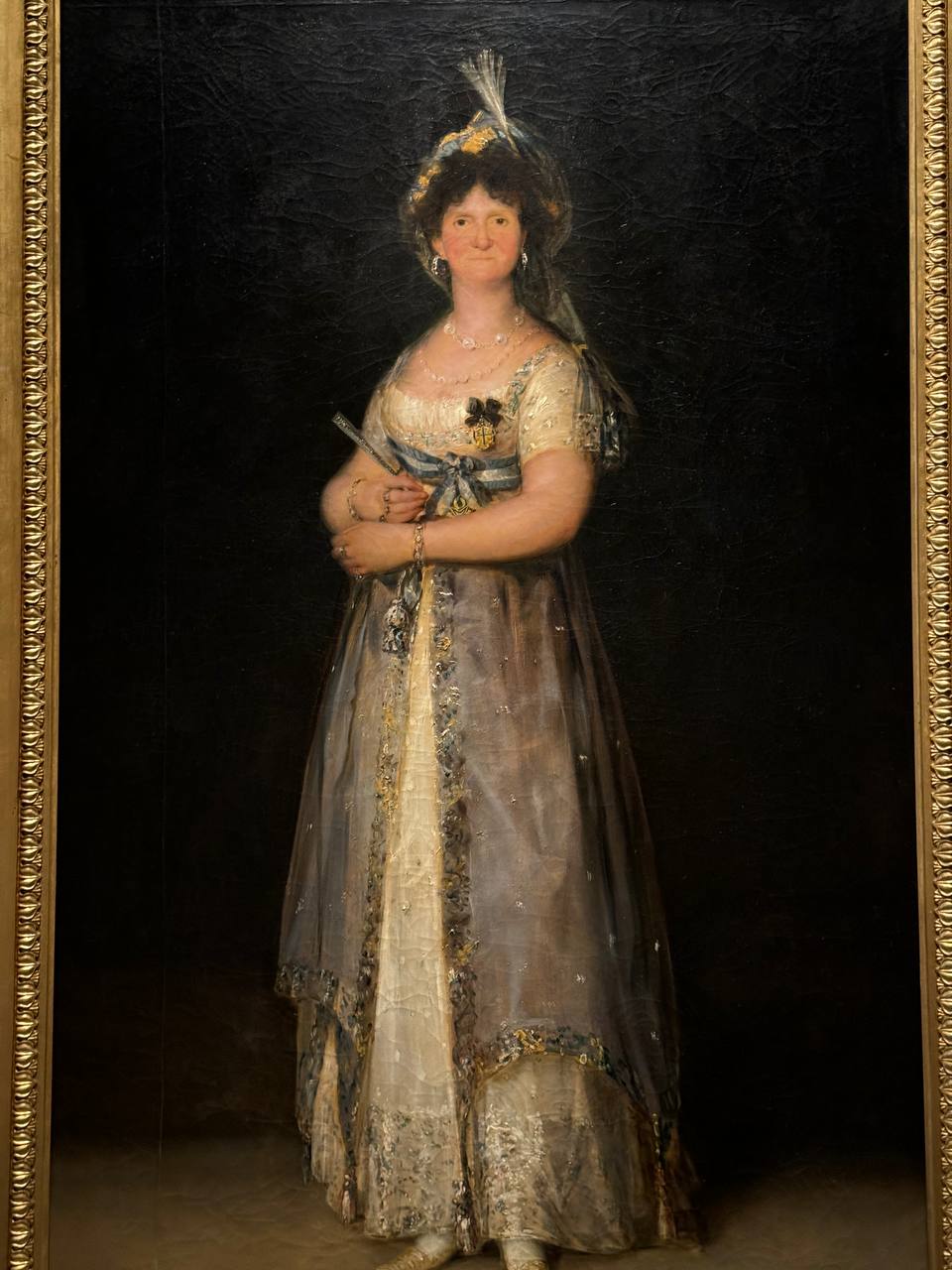
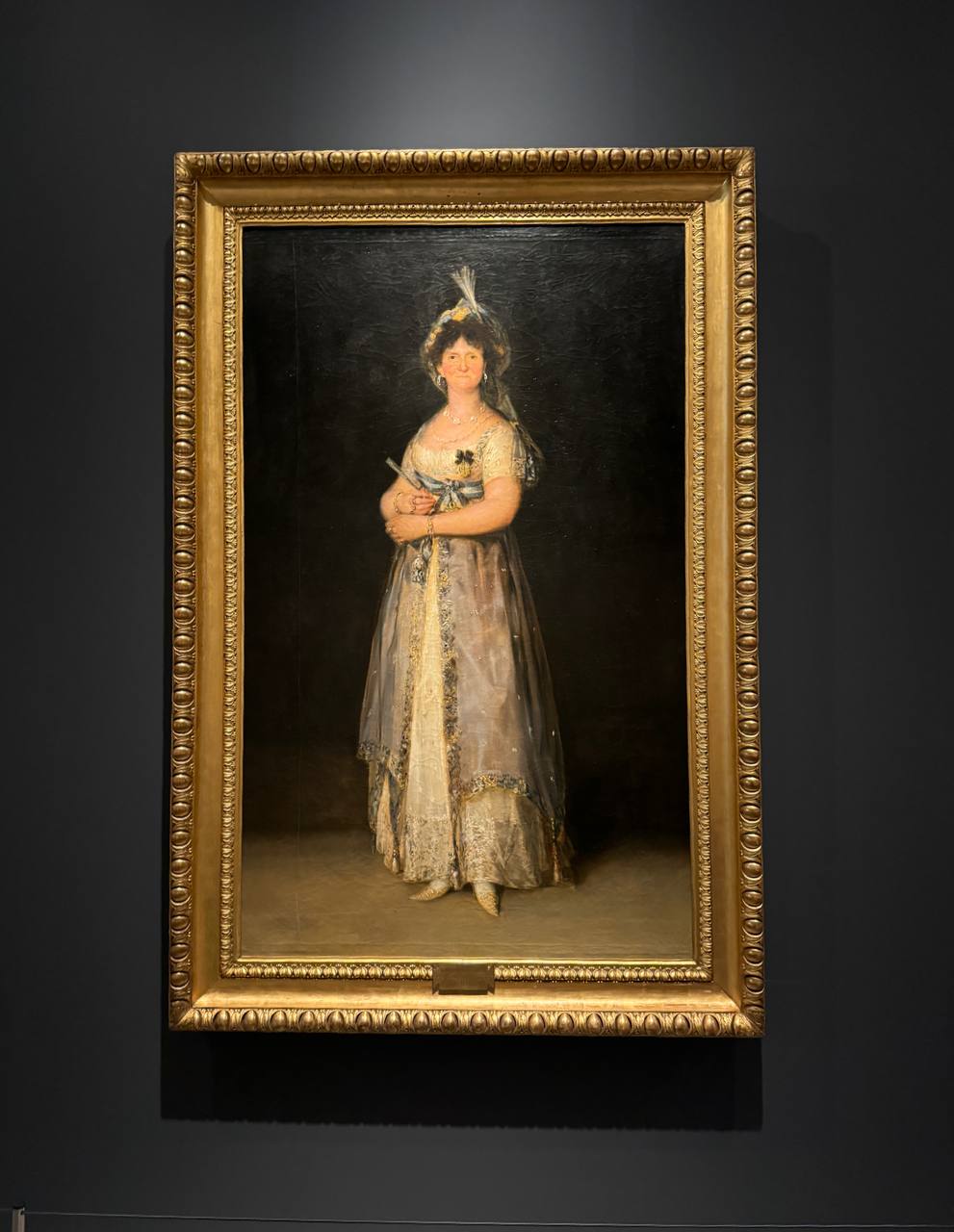
Queen María Luisa of Parma of Spain, portrayed in this picture in court dress and an oriental headdress, was extremely pleased with Goya's work
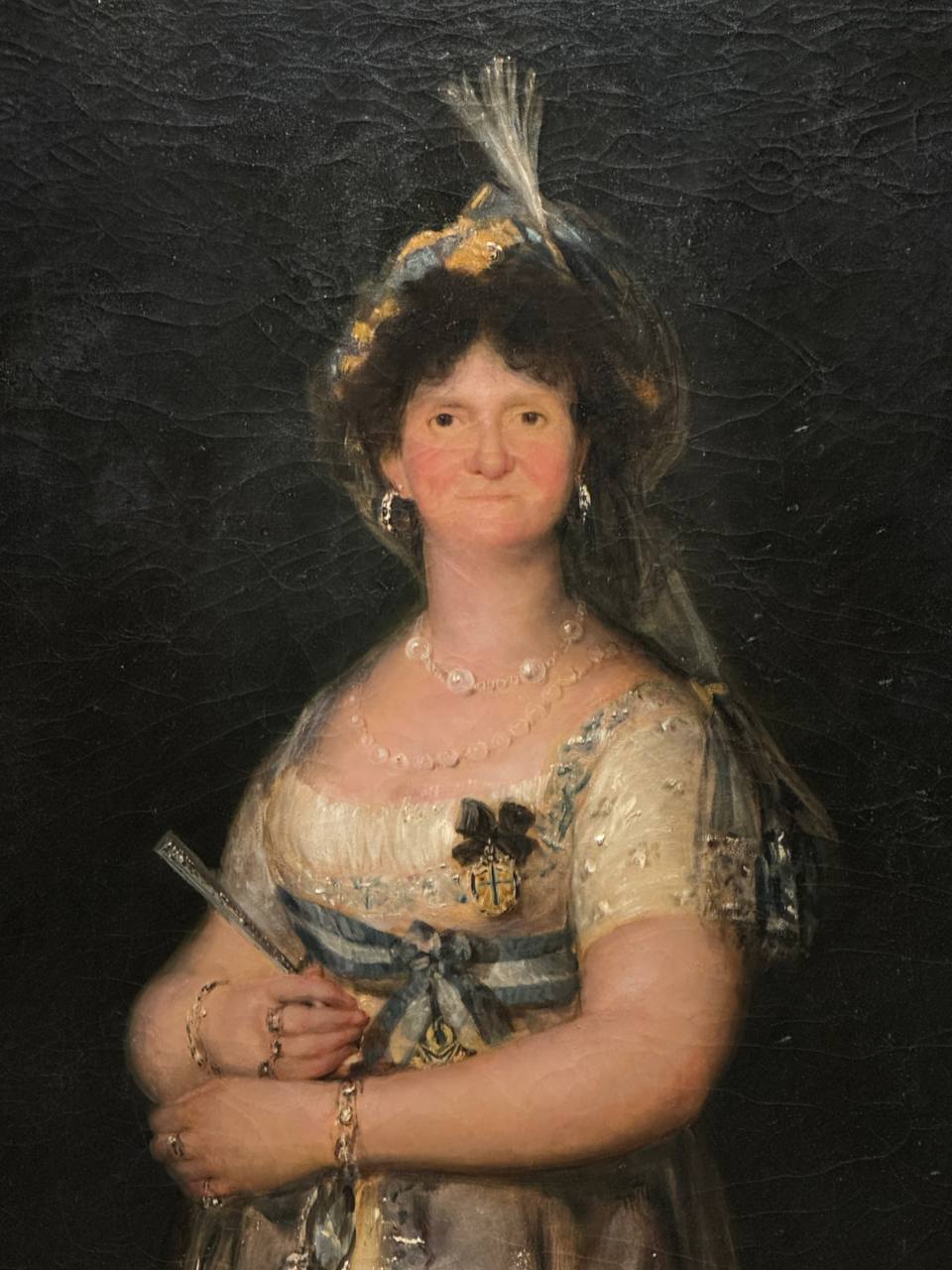
Queen María Luisa of Parma of Spain, portrayed in this picture in court dress and an oriental headdress, was extremely pleased with Goya's work. She even praised him in her letters. She came to the studio tirelessly to admire how the portrait was progressing. When he finished, the result was at once proclaimed the best of all the portraits of the queen, and she proudly confirmed as much.
Yes, she is a stately woman, with a long neck and a proudly lifted chin. No beauty, but what of it: the painter does not butter up his titled sitter with shameless flattery. Both keep their dignity. She is fifty and is quite content with her appearance at that age, and in the eighteenth century, too. The señora must surely have been flattered by the depiction of her beautiful bare arms. And the dandyish attire is splendidly painted. She promptly named the master the best of painters.
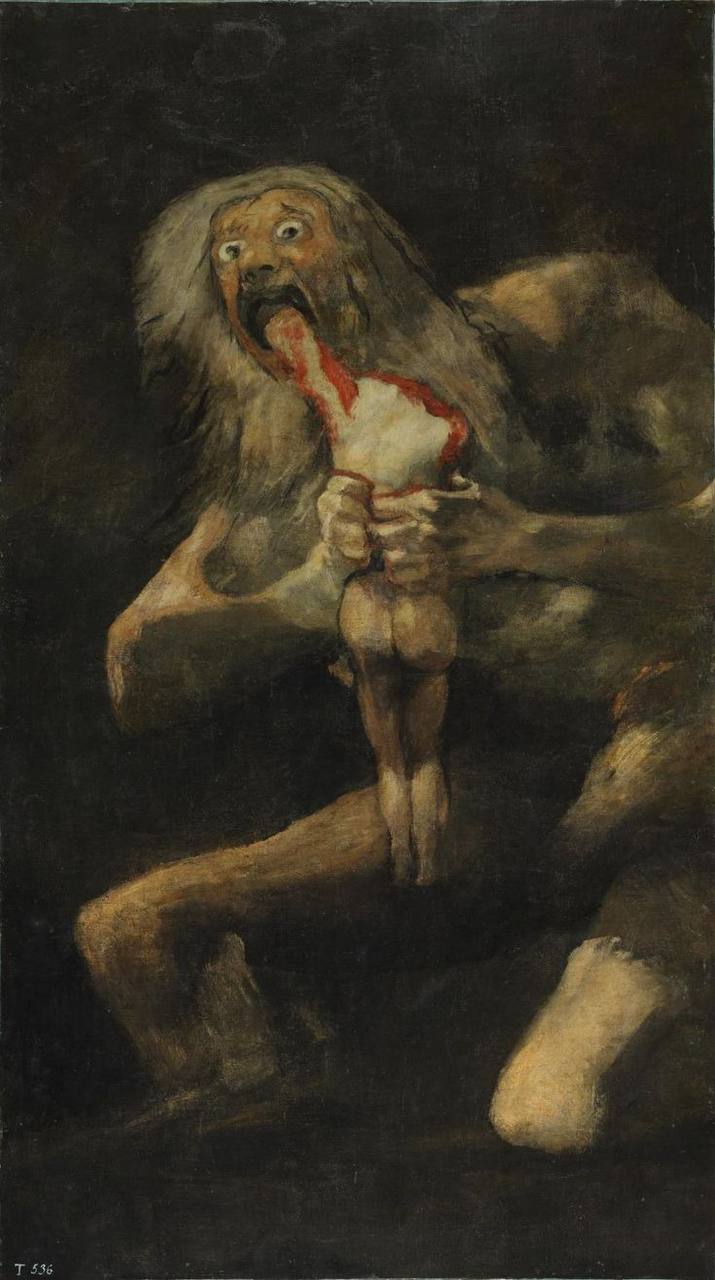
But as I stood before this canvas in the Royal Palace of Madrid, I suddenly caught myself thinking that I was looking not at a regal woman but, as it were, at Saturn devouring his children. I have no quarrel with this particular queen. I know nothing of any dark past or alarming facts of her biography. Yet that fleeting thought left a disagreeable, oppressive residue.
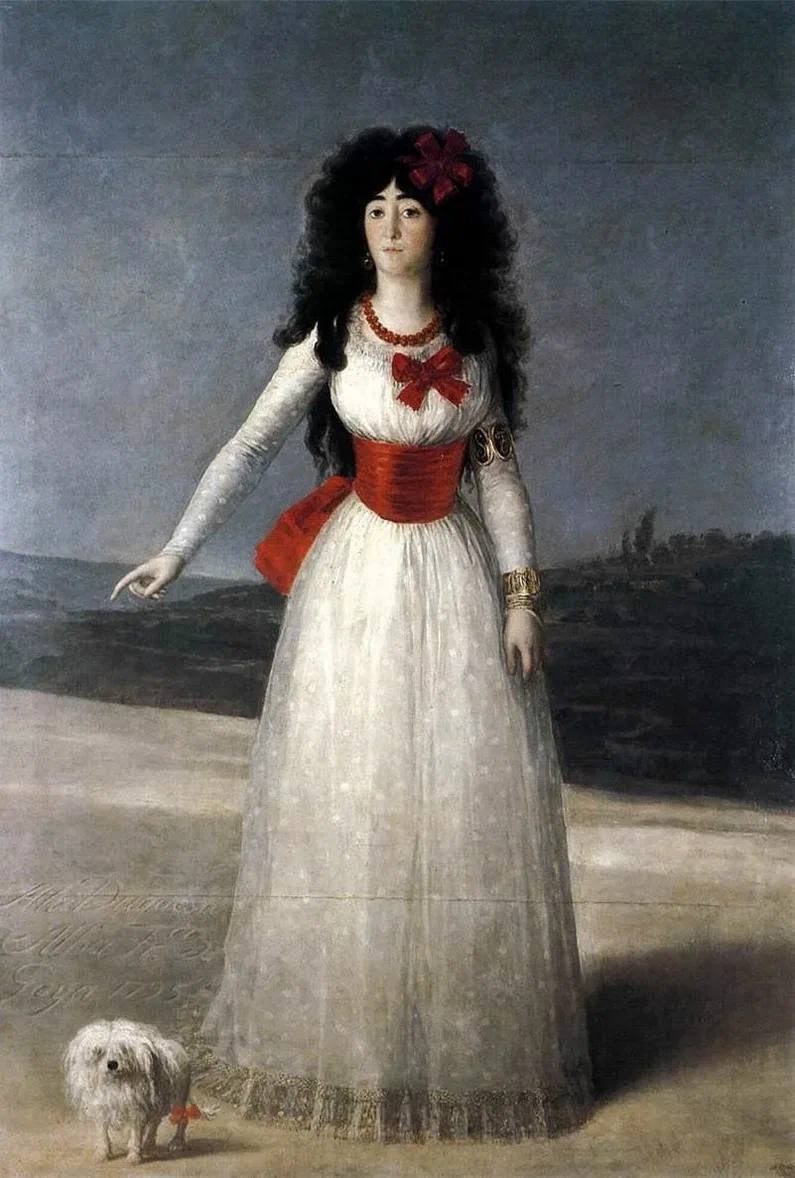
Still, what has long intrigued me in the Spanish school (or is it only Goya?), at least in aristocratic portraits of women, is a certain touch of madness, an unhealthiness, as though behind the heroine an unsettling music were playing. Consider, for instance, the portrait of the Duchess of Alba by the brush of the same Francisco Goya. She is strange, somehow unkind.
All the same, Goya has a very heavy brush.