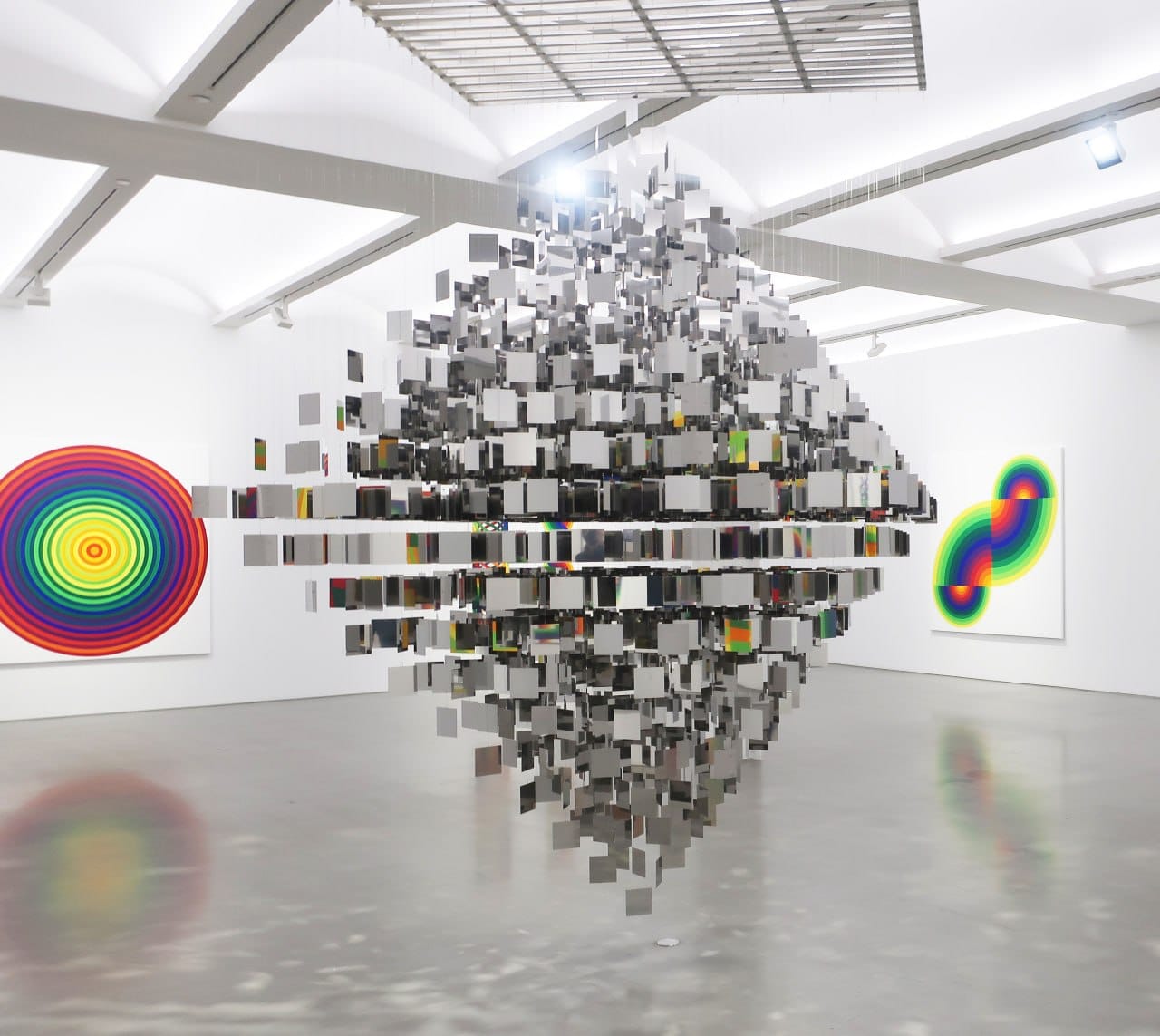
The artist Julio Le Parc, a pioneer of the second wave of kinetic art, died in Paris on 30 May at the age of 97
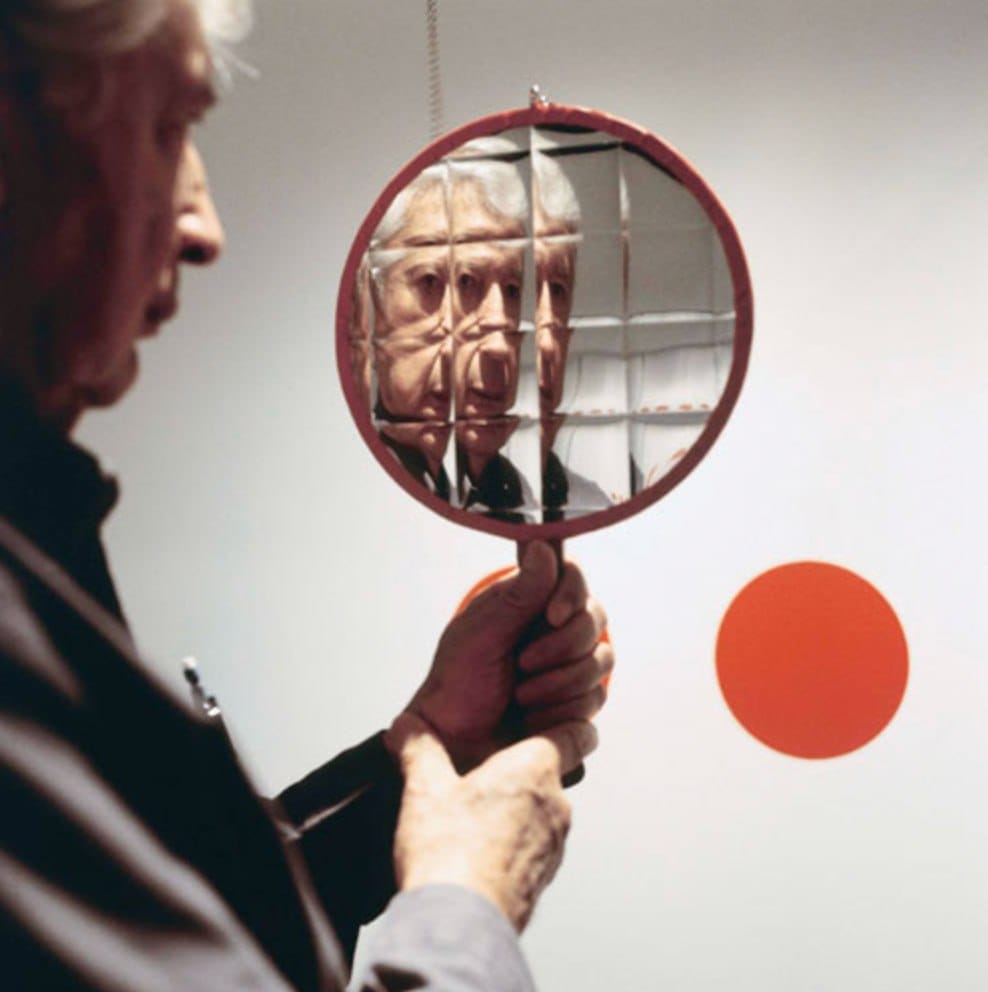
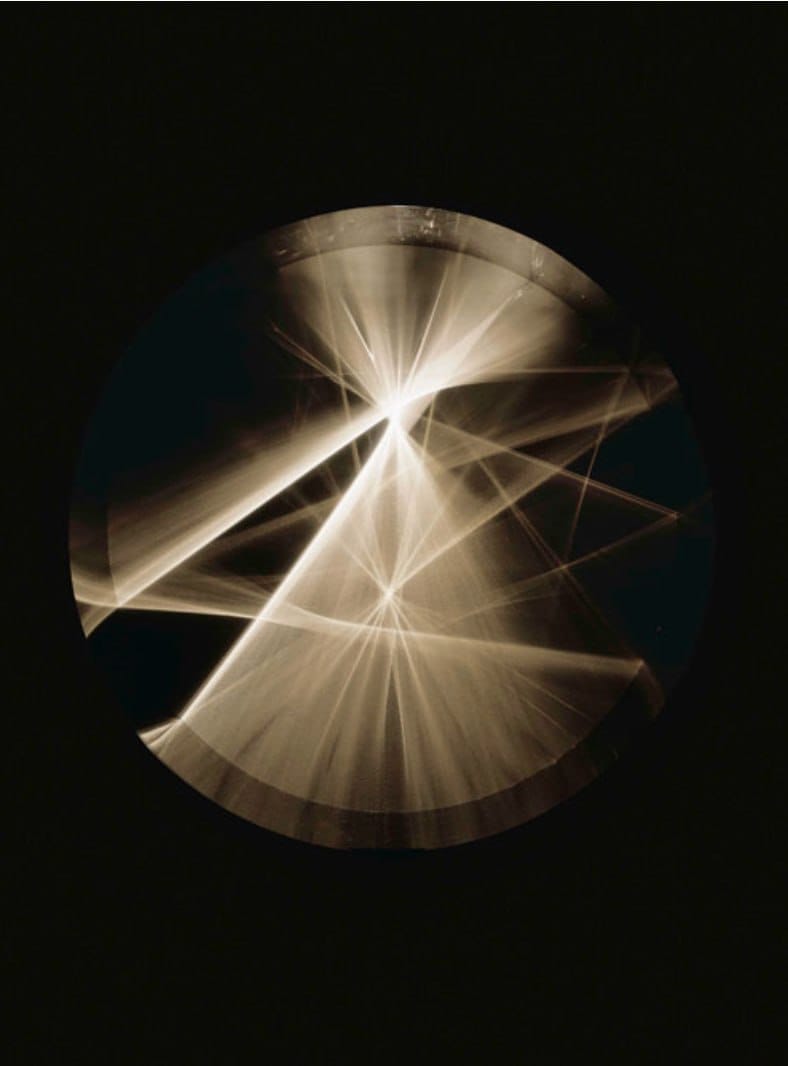
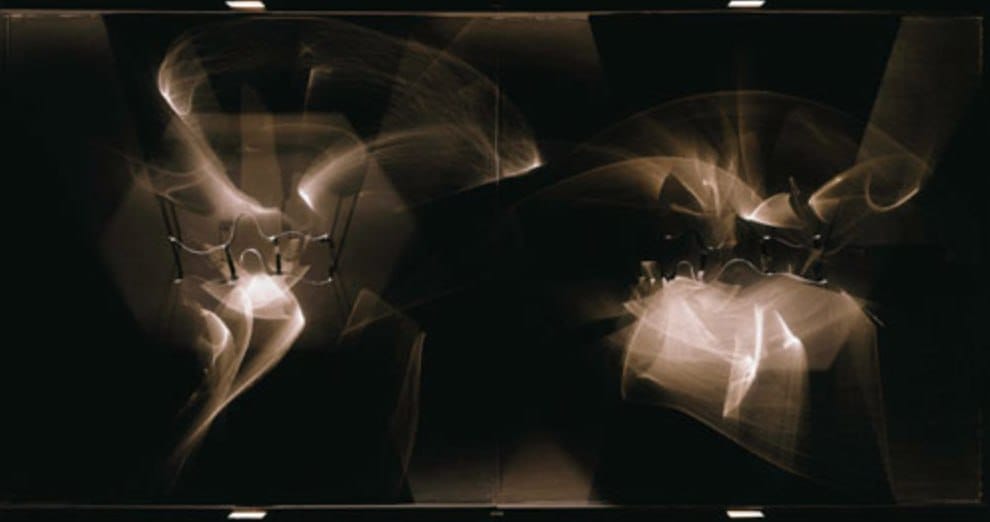
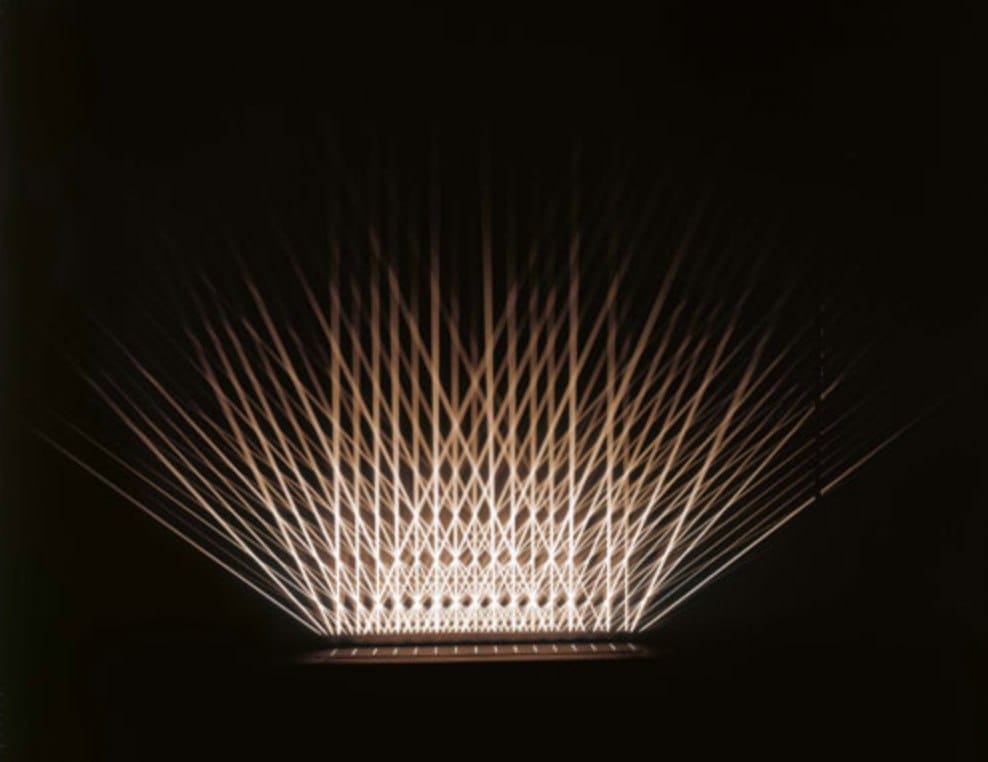
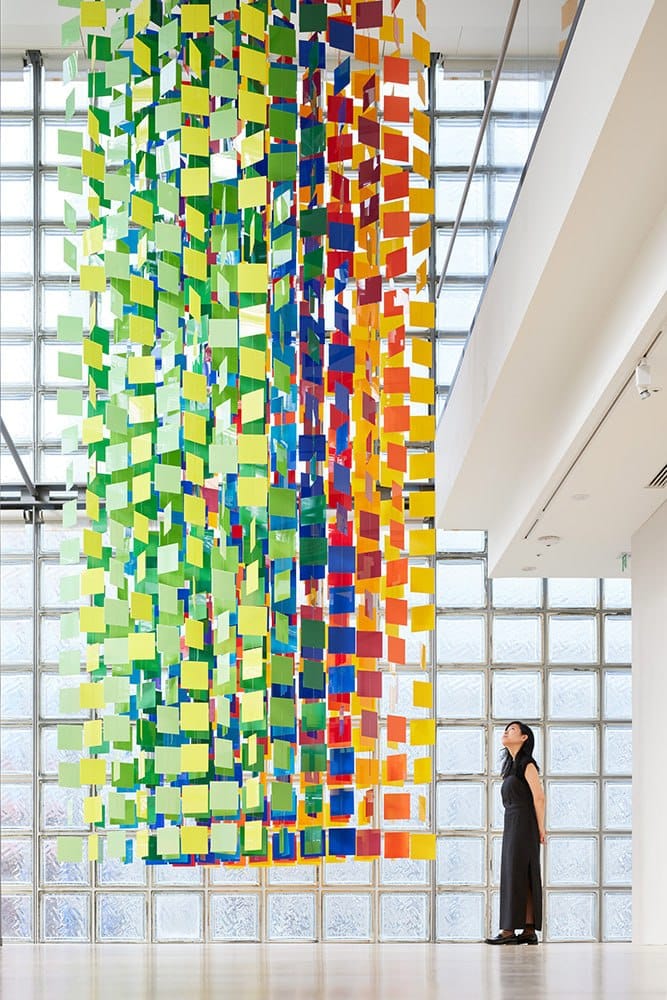
Le Parc worked with light, mirrors, movement and optical effects: suspended mobiles, vibrating light installations, mirrored rooms, environments of projected light that "came to life" only in the presence of the viewer. He was guided by a single principle: art should turn the spectator from a passive observer into a participant. Le Parc's works implied walking through mirrored chambers, setting mechanical devices in motion, and searching for oneself in fields of shifting light.
On 11 June a major retrospective of Le Parc opens at Tate Modern. He did not live to see it by less than two weeks.
Le Parc formed his style in the 1950s and 1960s, committing himself from the outset to the luminous, immersive, participatory line. Many significant artists had practised kineticism before him, and for decades. Le Parc's real primacy lies in intensifying the immersive element: in many of his works the participation of the viewer becomes, in effect, their very meaning. In 1960 he went on to co-found the GRAV group in Paris, which rejected the idea of the solitary master and conducted collective experiments with movement, perception and audience participation.
In 1966 the artist received the Grand Prize for painting at the Venice Biennale, although the works thus honoured were in fact not painting at all but installations of reflected light, movement and optical instability.
As for his ideological background, his past in Peronist Argentina deprived Le Parc entirely of trust in the authority of critics, curators, collectors and museums. He declared that the right to decide how art is to be understood must remain solely with the viewer. Many had dealt in moving and luminous art before him, but he was the first to turn the optical effect into a collective, anti-hierarchical experience.