Of the scanty listings of events devoted to the Decembrists, one exhibition made a good impression: "In the Depths of the Siberian Mines
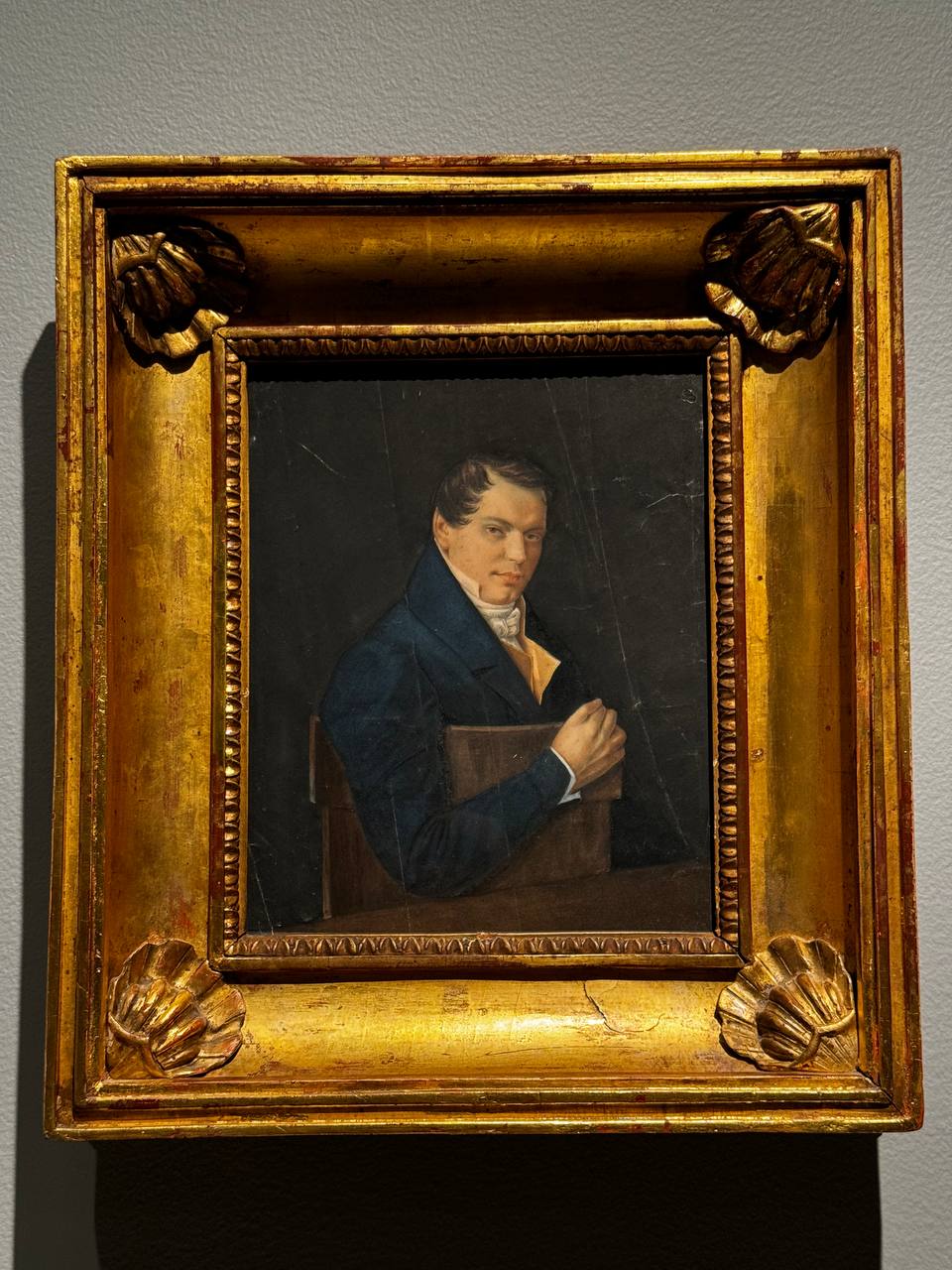
Of the scanty listings of events devoted to the Decembrists, one made a good impression: the exhibition "In the Depths of the Siberian Mines. The Decembrists. 200 Years of History" at the In artibus foundation.
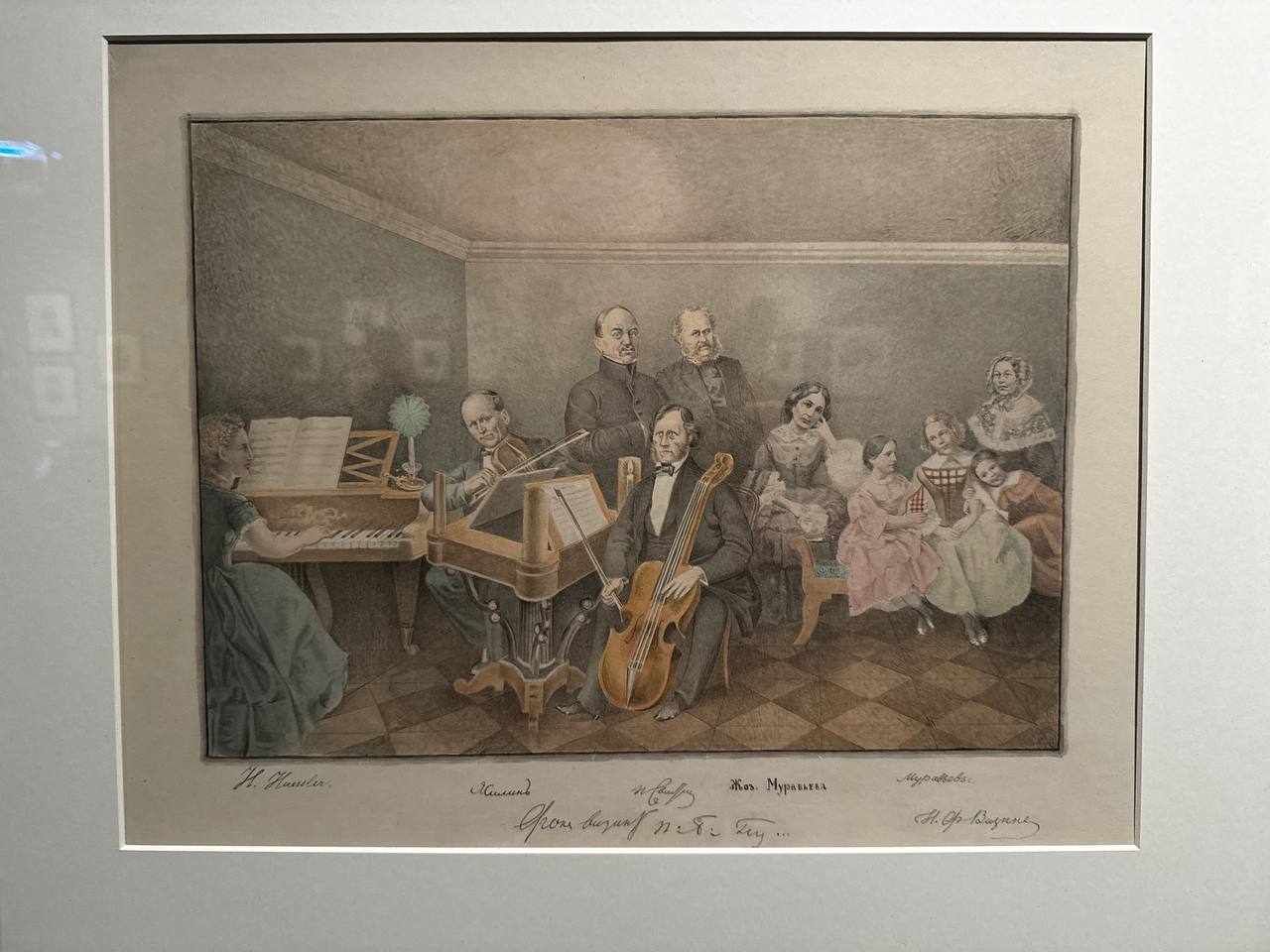
The display brings together exhibits from six state collections, chiefly watercolours with portraits of the Decembrists and their kin, landscapes and sketches of the places of penal servitude, all drawn by the exiles themselves and their circle. Most of the works are meeting on one exhibition for the first time, and, to be honest, are leaving the storerooms for the first time in many years, so the exhibition is genuinely worth attention as a unique chance to see it all. Who knows when the next anniversary will come round!
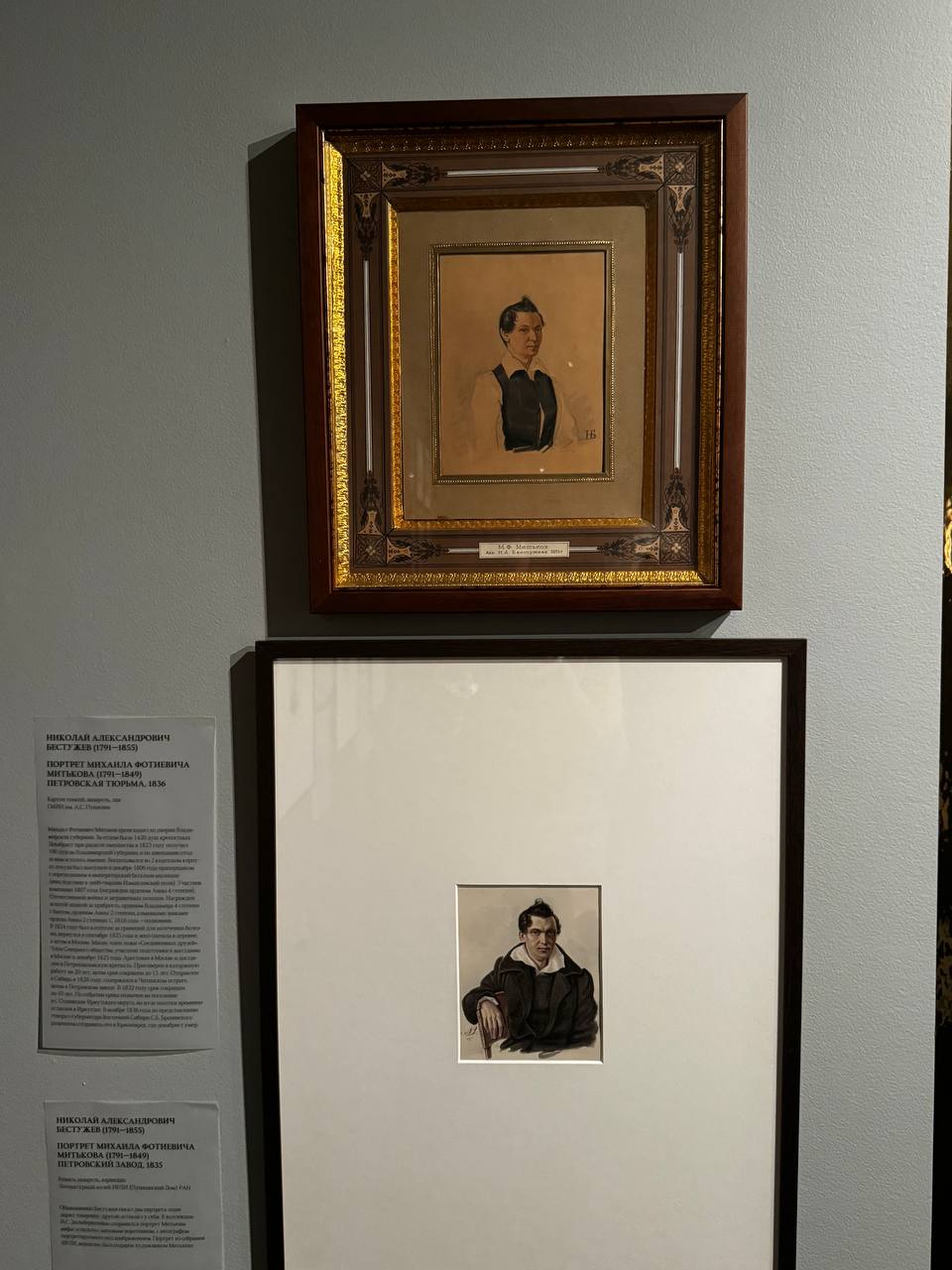
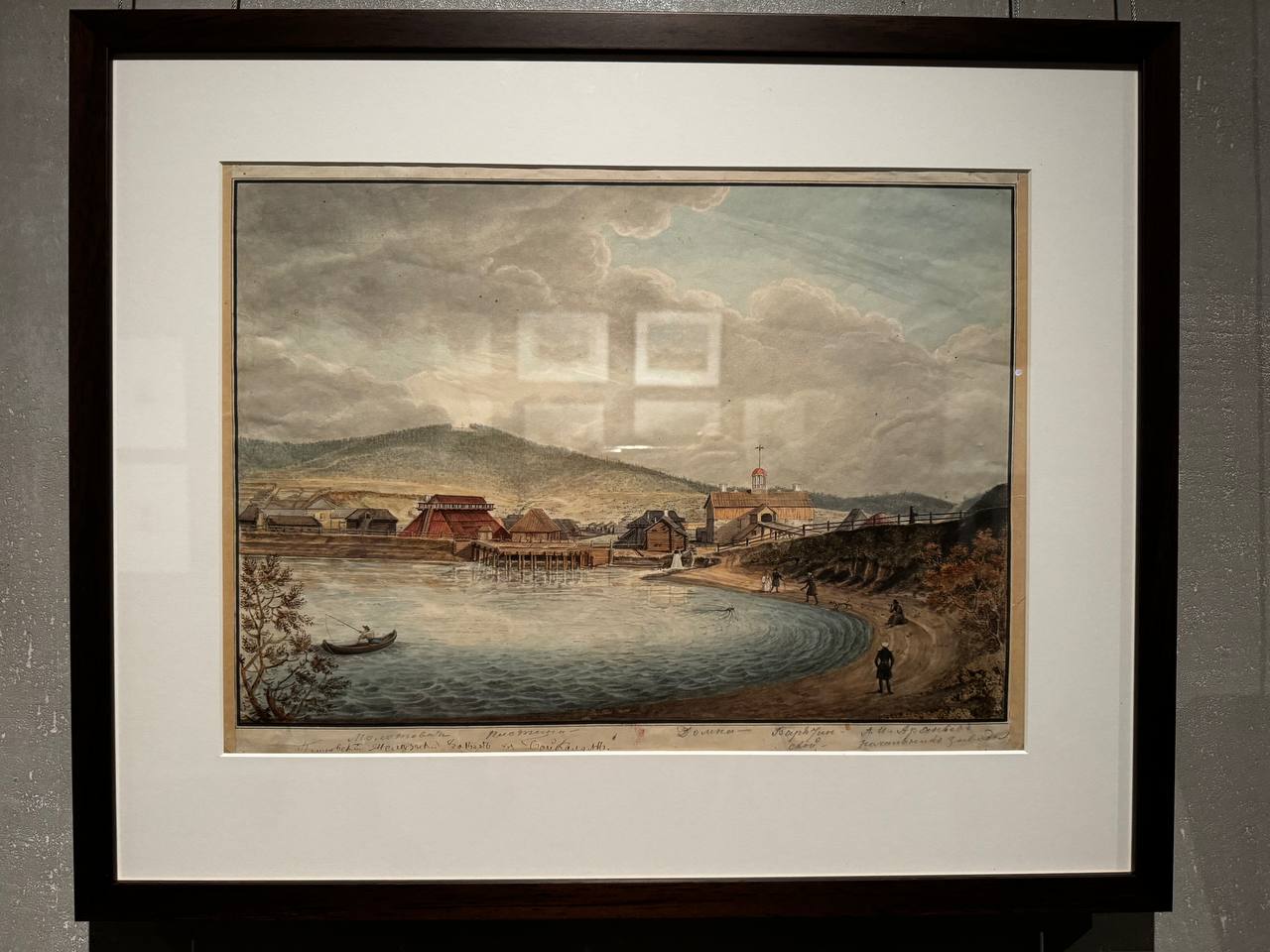
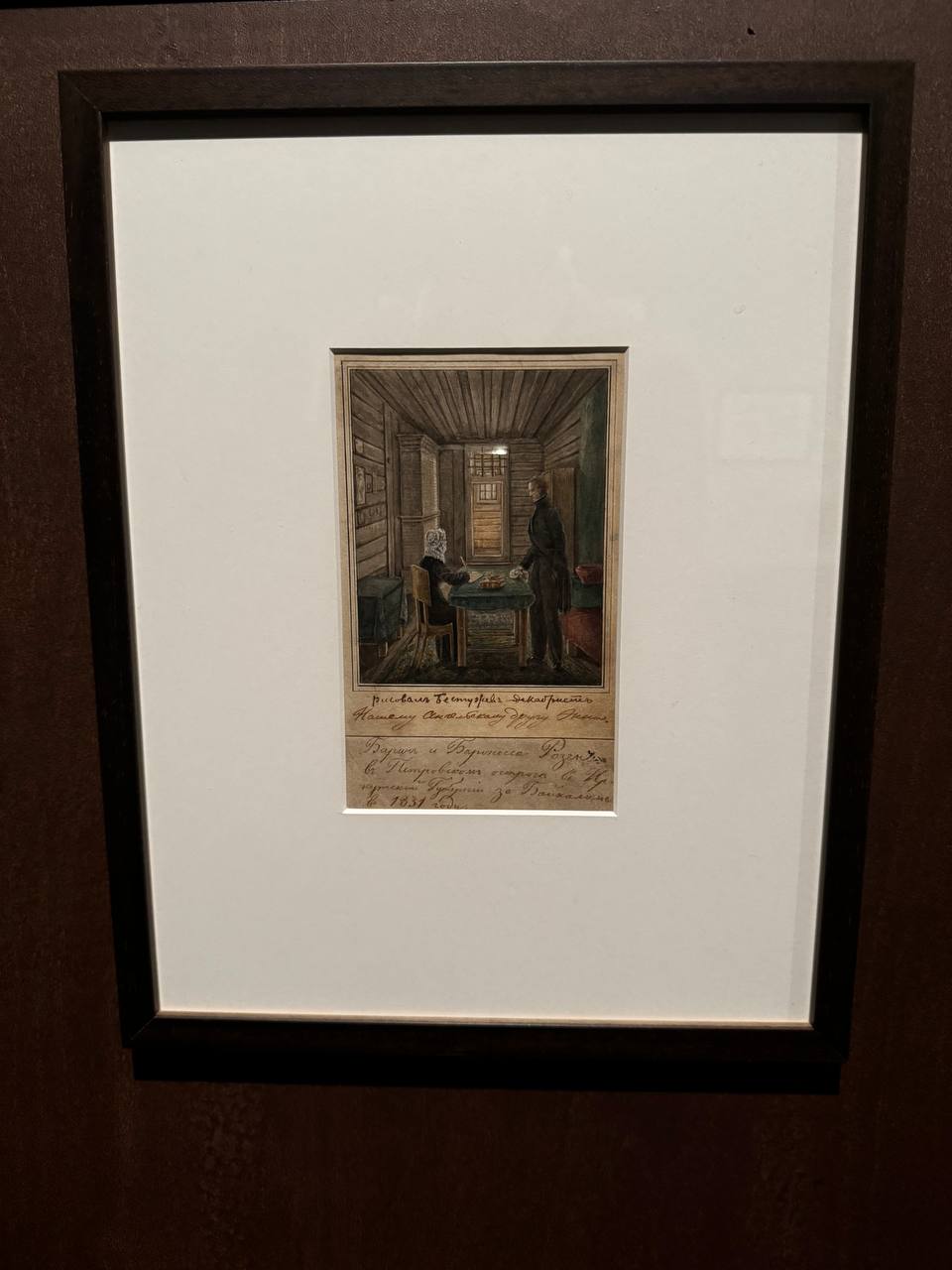
The display rests on three collections: a gallery of portraits by Nikolai Bestuzhev, the naturalistic drawings of the Decembrist Pyotr Borisov, and graphic work by various artists on the life, daily routine and layout of Chita, Petrovsky Zavod and other settlements, supplemented by thematic works on Siberia by professional artists.
The Decembrist narrative usually centres on the best-known, emblematic figures, turning the remaining hundred-odd active participants in the movement into secondary characters who are little discussed. This time the curators invite us to make the acquaintance of more than seventy Decembrists and their families, lifting the veil on the particulars of their life in penal servitude and exile.
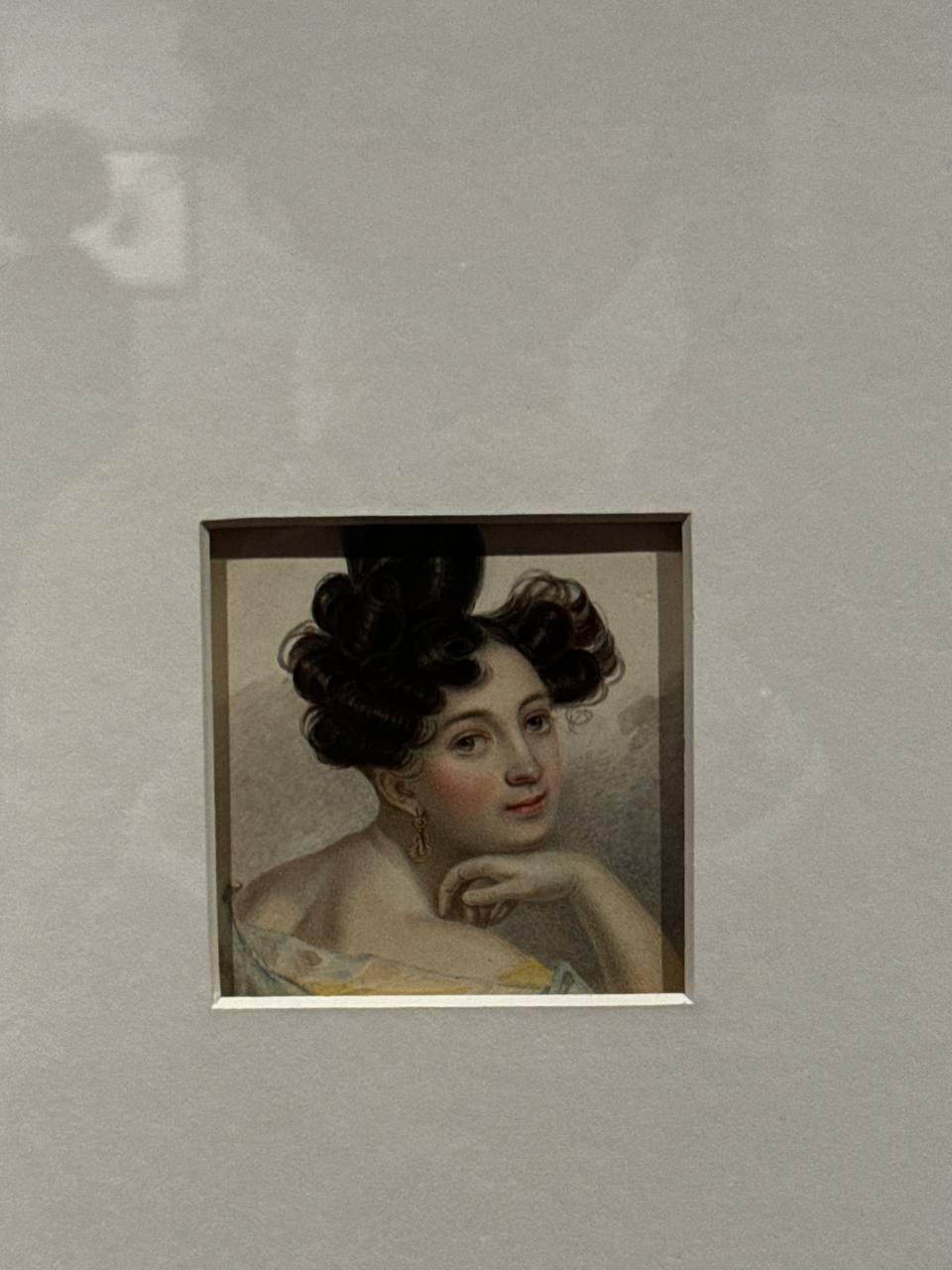
The exhibition opens with the celebrated Zilbershtein collection, the set of watercolours by Nikolai Alexandrovich Bestuzhev, lost for almost a hundred years, whose industry and talent we sometimes have to thank for the only surviving likenesses of his comrades in the Uprising and in penal servitude: for he drew everyone he met in the years of exile. Many of Bestuzhev's portraits exist in several copies; they were sent to relatives and copied by artists who remain unknown. It was Bestuzhev who created the series of portraits of the Decembrists' wives, who in their turn helped him to obtain paints and paper. Zilbershtein discovered this body of drawings in 1944, making them a historical sensation.
A room, not the largest, is given over to the drawings of the Decembrist naturalist and student of nature Pyotr Ivanovich Borisov, who, as a keen ornithologist and entomologist, produced numerous descriptions of the wildlife and biological species of Siberia, drawing birds, plants and insects at a high professional level, which formed the basis of a fundamental work: a complete atlas of the nature of Transbaikalia and a classification of insects.
To see the faces of the Decembrists, their wives and children makes a great impression, as does learning of the scientific achievements possible in the conditions of penal servitude, and it is hard even to value the chance to see for oneself how their prison and settled life actually went. The third section of the exhibition is about precisely this. What houses the Decembrists built, how they dealt with the local population, how they improved their dwellings and farms, what their cells looked like. Not merely in words but in authentic drawings: the picture, as they say, through the eyes of eyewitnesses.