Walking mechanical monk of the 16th century in the Smithsonian collection

The Getty research and education project tells the story of this unique artefact, created at the meeting point of science, art and religion.
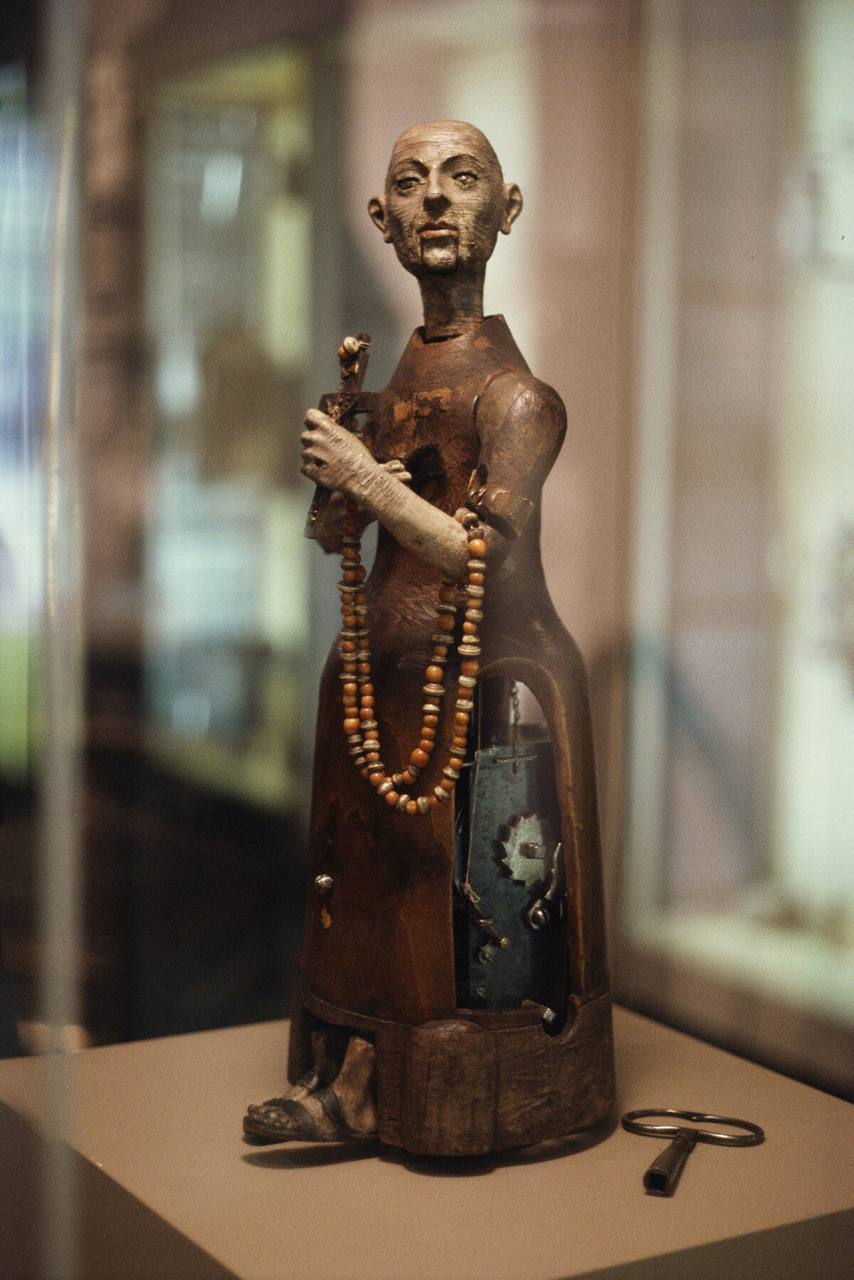
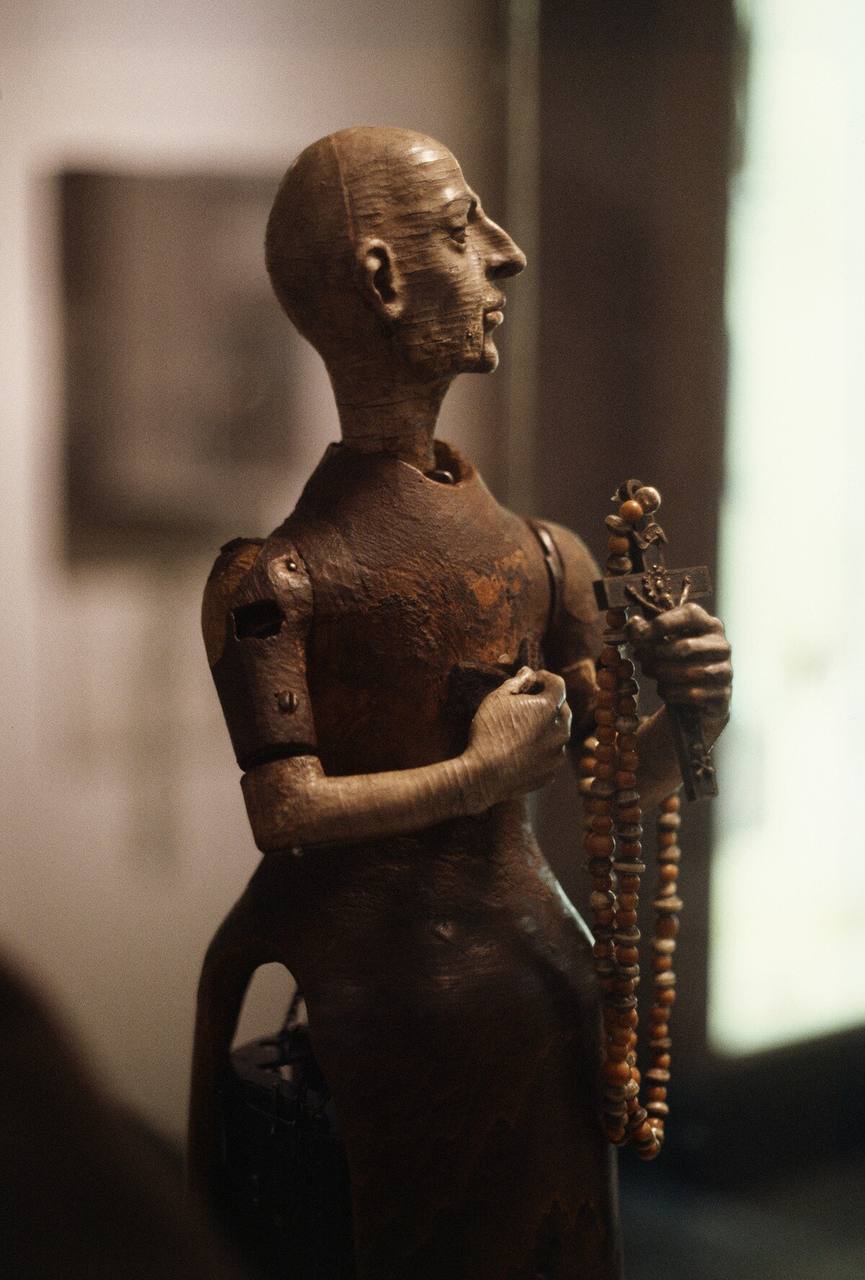
An almost supernatural automaton, 40 centimetres tall and 450 years old, in the form of a monk. The walking, gesticulating wooden figure belongs to the collection of the Smithsonian Institution's National Museum of American History. In essence, it is one of the oldest robots capable of walking on its own, created in the same era as the first mechanical spring-driven clocks.
Legend links the origin of the automatic monk to the life of the court of Philip II of Spain. The monk himself is usually associated with the person of Diego de Alcalá, a humble Franciscan, whose relics, prayed before, miraculously cured the heir to the Spanish throne when he was on the brink of death in 1562. It was then, in the middle of the sixteenth century, that this monastic android was made in Spain or southern Germany, of wood, metal, cloth and clockwork.
This early mechanical sculpture of the late Renaissance clearly had a spiritual purpose; in all likelihood, the monk was meant for prayers, performed as it were on behalf of his saintly image.
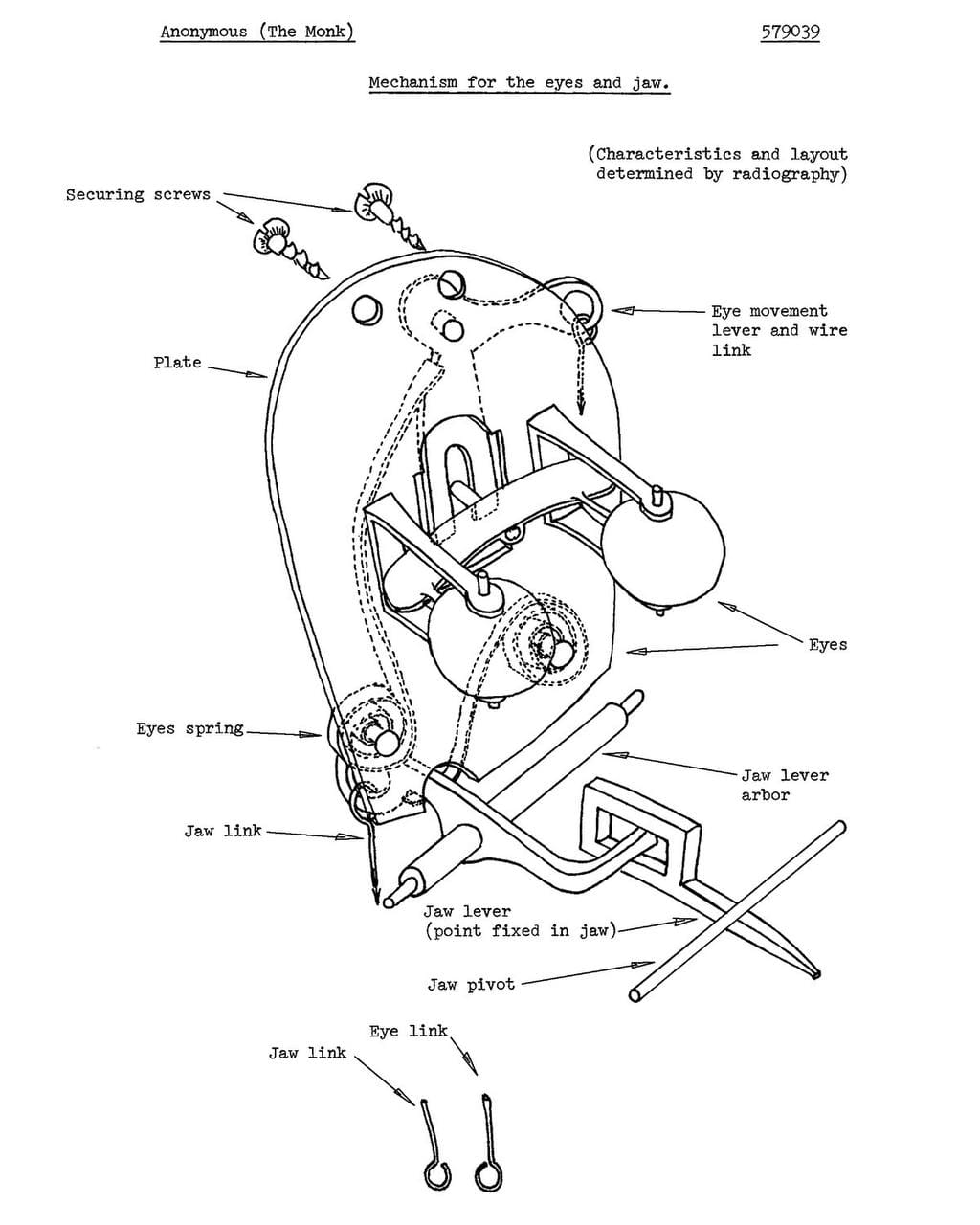
All in all, it is an unprecedented idea, not only for those times but for our own: a mechanical doll in monastic guise that moves and carries out a certain sacred ritual. A particular effect is produced by the realism of this little figure's repertoire: it can walk and make prayerful gestures with crucifix and rosary, beat its breast, mutter and suddenly turn its head, all the while looking thoroughly convincing, as though it were truly a small wooden monk in a tiny habit, wishing your soul salvation.
Such is the decorous and, above all, devout ancestor of all the robots of Earth, driven less by the laws of robotics than by the Word of God.