Arnold Toynbee spent more than 25 years writing "A Study of History"
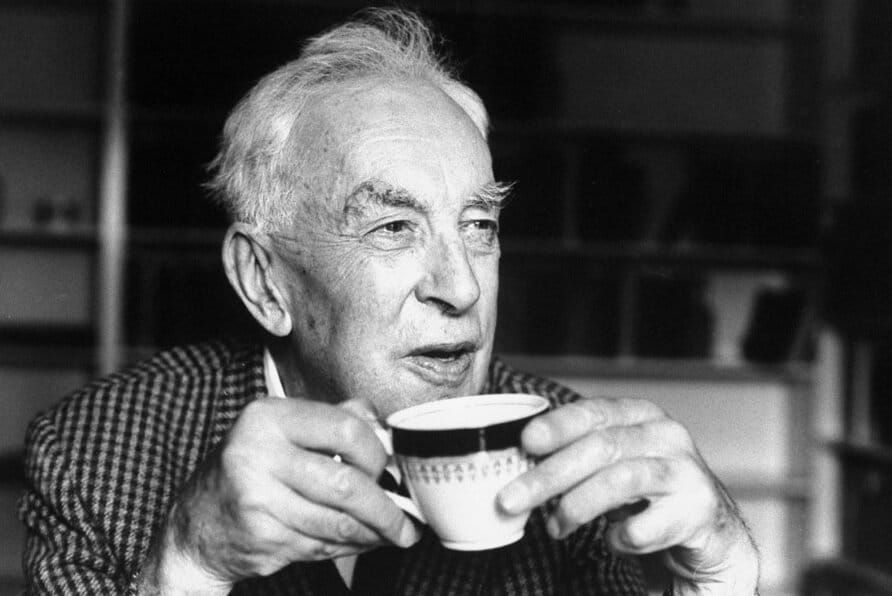
Arnold Toynbee spent more than 25 years writing "A Study of History". The work, which describes the rise and fall of civilisations, gave us the remark that civilisations die from suicide, not murder.
Toynbee maintains that the fate of civilisations is determined by their response to the challenges that confront them. They begin to disintegrate at the moment when they lose their moral foundation, and their elites become wholly parasitic, exploiting the masses. And although Toynbee was criticised for exaggerating the role of systems of religious and cultural values at the expense of economic factors, over the years he became ever more convinced precisely of the significance of the spiritual dimension.
According to Toynbee, civilisations develop in response to difficulties, which must be neither so severe as to halt progress nor so favourable as to halt development. A creative minority responds to these difficulties and secures the prosperity of the inert majority.
The disintegration of civilisations is the consequence of the inevitable sin of arrogance, pride and self-assurance, manifested in such things as militarism and the tyranny of the dominant minority. This moral ruin brings retributive justice in its train. Creative people who have turned reactionary are no longer an "elite creative minority" but merely an "elite dominant minority". The final decline comes if, in the wake of the blows, no new spiritually motivated minority emerges to offer creative leadership and lead society to a new level of consciousness and development.
He understands civilisations not as intangible or immutable machines but as a network of social relations within their borders and, consequently, one open to wise and foolish decisions alike.
"We are not doomed to repeat history; we can, by our own efforts, give history some new and unprecedented turn. As human beings, we are endowed with this freedom of choice and cannot shift our responsibility onto the shoulders of God or nature," he writes.