How silver became the basis of the Ming tax system and why its shortage destroyed the dynasty
The emperors of the Ming dynasty, which ruled China from 1368 to 1644, were in dire need of silver in the sixteenth century. It went chiefly on prestige projects such as the Forbidden City in Beijing and the repair of the Great Wall. The historian Mark Cartwright writes in the World History Encyclopedia of how silver became the foundation of the Ming tax system and why its shortage contributed to the fall of the dynasty.
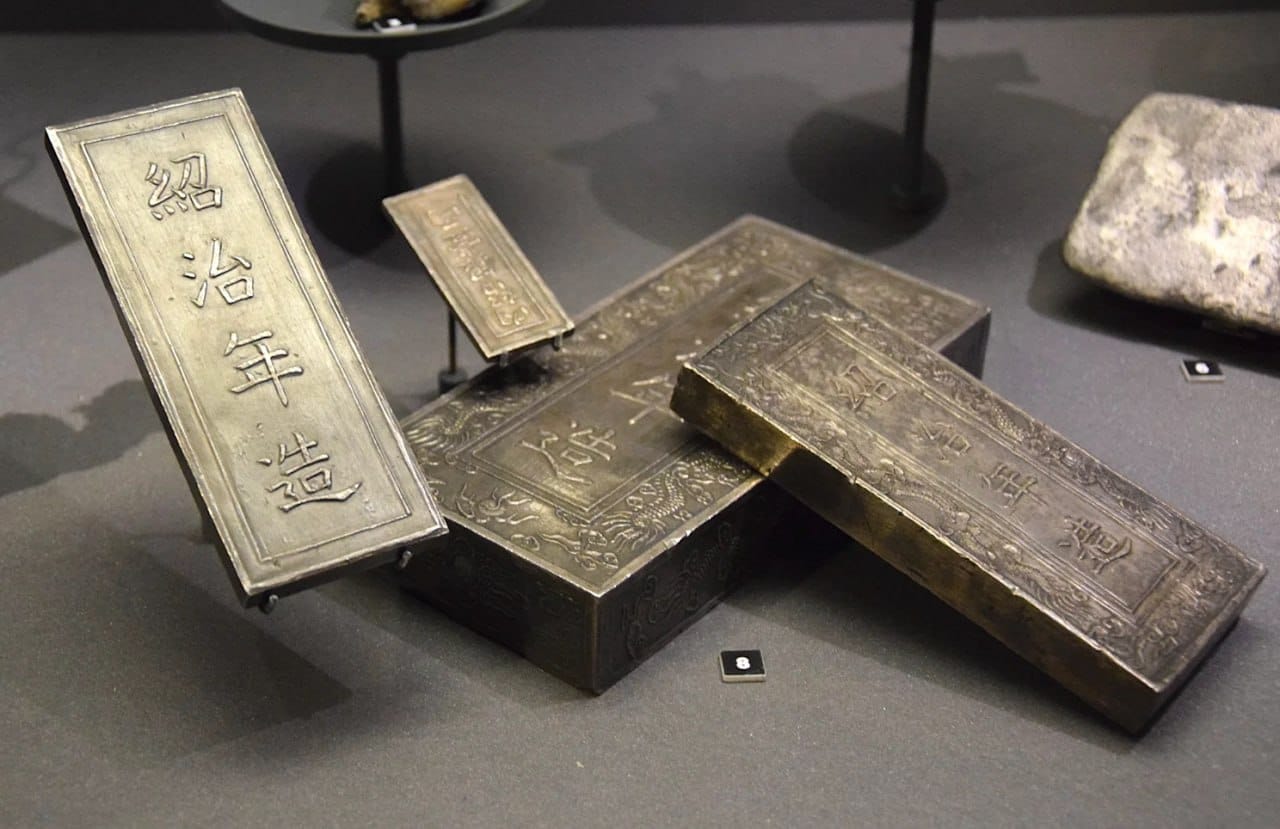
The Song and Yuan dynasties promoted paper money, but under the Yuan the authorities printed it without restraint to pay for dykes and irrigation works on the Yellow River, and the banknotes all but lost their value. Merchants lost faith in them and turned to silver ingots. The Ming attempt to bring back paper money also failed, and silver remained the most reliable store of wealth.
Under the Ming the population of China grew from roughly 60 or 80 million to 150 or 200 million people. In the second half of the sixteenth century the authorities combined several taxes into a single payment, which they called the "single whip tax" (yi tiao bian fa). It was the first tax that had to be paid in silver, whereas previously taxes had been paid in grain, cloth or copper coin. Historians link the reform with the statesman Zhang Juzheng, who lived from 1525 to 1582, and its introduction began in 1581. The new tax merged land levies and labour obligations and was assessed by the area of land. The eunuchs at court and some of the officials resisted the reform, because it deprived them of power and privileges, but the "single whip tax" survived into the Qing dynasty.
Silver was prized so highly in China that in the sixteenth century an ounce of gold cost 11 ounces of silver in Amsterdam, while in China the same 11 ounces of silver could be exchanged for 2 ounces of gold. China's own mines had been exhausted as early as 1430, so silver came from abroad. From Japan, Portuguese merchants carried to China, by way of Macao and Nagasaki, about 20 tonnes of silver a year in exchange for silk. From the Americas silver came by the Manila galleons, ships that sailed between Manila and Acapulco from 1565 to 1815: in the best years each of them carried on average 3 million silver pesos. According to the historian Patricia Ebrey, half of the silver mined in Mexico and Bolivia went to China. The greatest mine, Potosí in Bolivia, yielded around 9 million pesos a year about 1600, and it was worked by forced Indian labour and African slaves.
From 1639 the import of silver fell: Japan closed Nagasaki to merchants from Macao, and trade with the Spanish Philippines ceased after the massacre of the Chinese residents. The shortage of silver brought deflation, a rise in real rents and the hoarding of silver and grain. Struggles between court factions, corruption, the cost of defending Korea against two Japanese invasions, peasant uprisings, crop failures and a smallpox epidemic made matters worse. The enfeebled Ming dynasty could not withstand the Manchus, who in 1644 founded the Qing dynasty.