I did not know that Moscow had a little neighbourhood where, from the 1930s onwards, outstanding Soviet artists lived and worked side by side
I did not know that Moscow had a little neighbourhood where, from the 1930s onwards, outstanding Soviet artists lived and worked side by side. Igor Grabar, Boris Ioganson, Geliy Korzhev, Vladimir Tatlin, Alexander Tyshler, Semyon Chuikov: the names of these luminaries are familiar to everyone, but one need only imagine that all these people literally lived and worked in neighbouring entrances, were friends, drank tea together and raised children (many of whom also became artists), and the dull pages of art history come to life in amusing little scenes and sketches of everyday existence.
What is more, the little "artists" went to kindergarten right there, inside their own small town, on the top floor of what we would now call a residential complex. Five-year-old Kolya Tereshchenko climbed on tiny childish legs to the lofty third floor, the Stalinist one, to the kindergarten, together with Lyova Tabenkin; both would become fairly well-known artists, following in their fathers' footsteps. And some sixty years later Tereshchenko would recall his ascents of that endless staircase when he came to inspect the very same kindergarten as the future museum of the Maslovka artists, together with the initiator of the museum, the collector Vasily Demin.
Demin has lived on Maslovka for more than 15 years. In that time he has gathered archives and a large collection of works by Maslovka artists, and has published a rather interesting album about the district. The concept of the museum is that local residents, the heirs of the artists, should open the treasure chests of their flats and lend to exhibitions what is rarely shown in public and remains hidden in the depths of family studios.
The Artists' Town on Verkhnyaya Maslovka is an architectural complex of several buildings, erected to a special design between 1929 and 1957 as a kind of commune for Soviet painters and sculptors. The initiators were Pavel Radimov, Fyodor Antonov, Boris Ioganson, Yevgeny Katsman and Viktor Perelman. The complex was built on the site of the burnt-out pavilions of the film company Mezhrabpomfilm. The artists' houses, soon dubbed the Moscow Montmartre, were provided with both spacious studios with natural light and comfortable flats. Because of the war the whole project was never realised, but even what was built became a veritable island of artistic life in the north of Moscow.
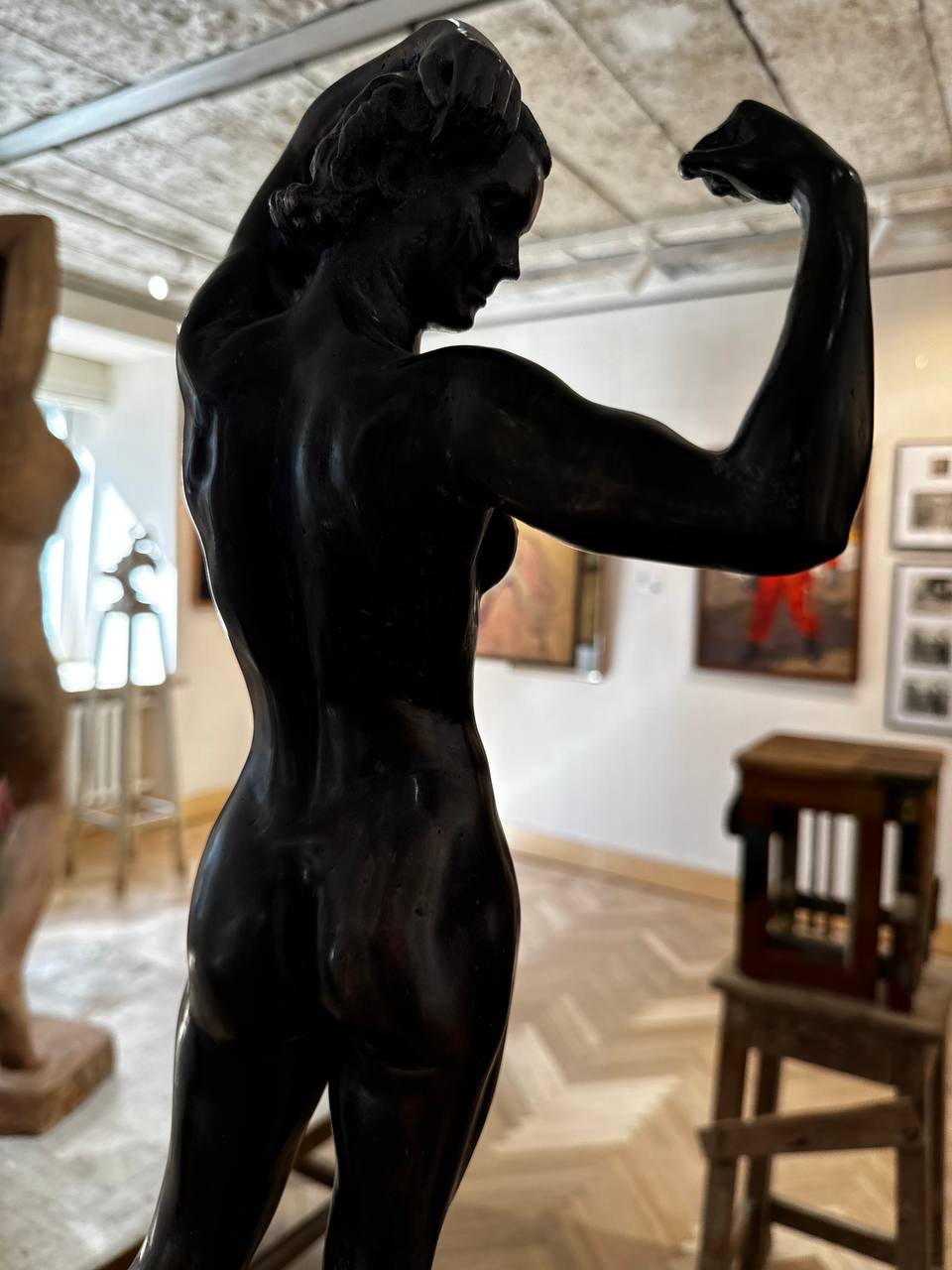
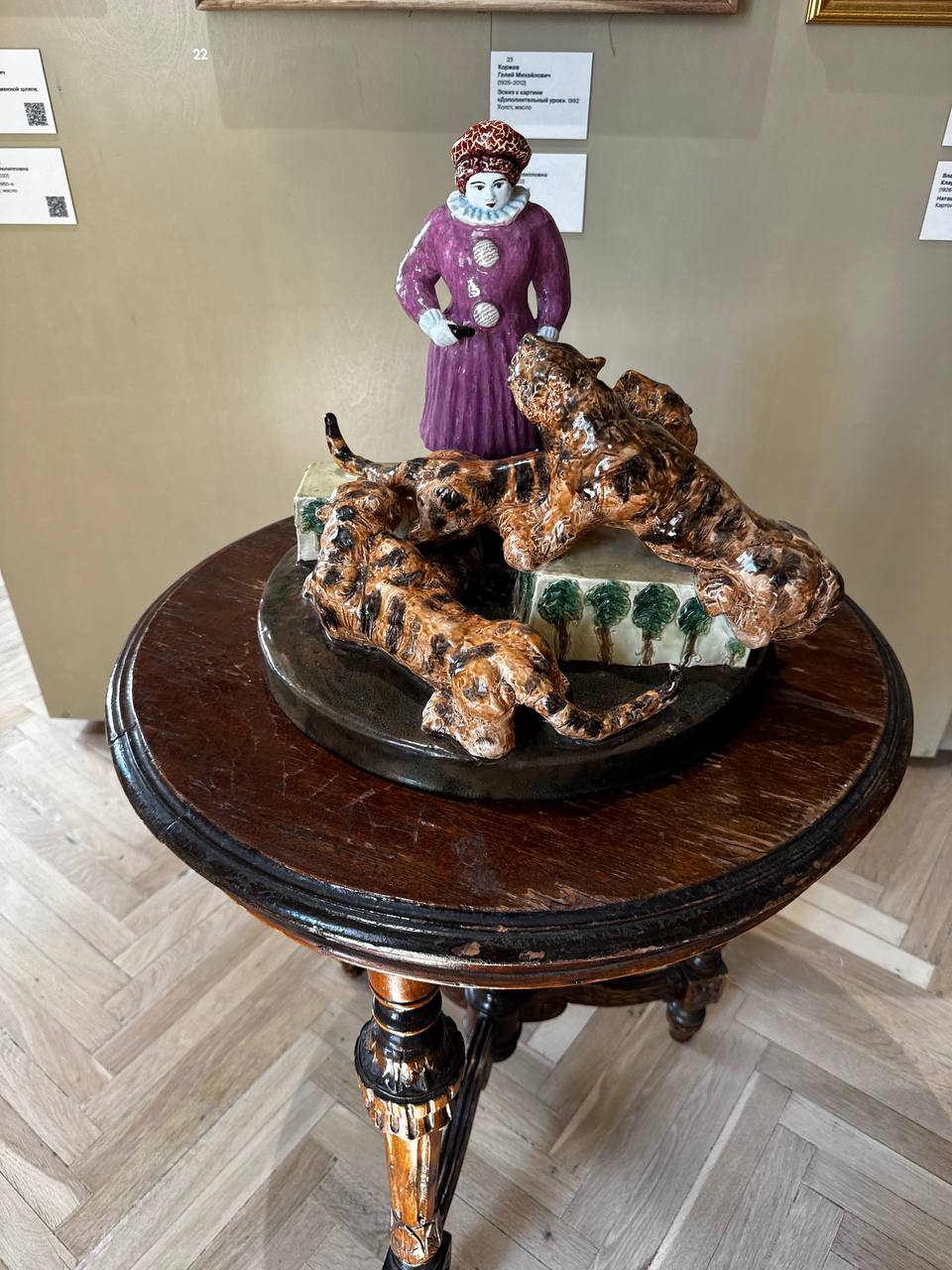
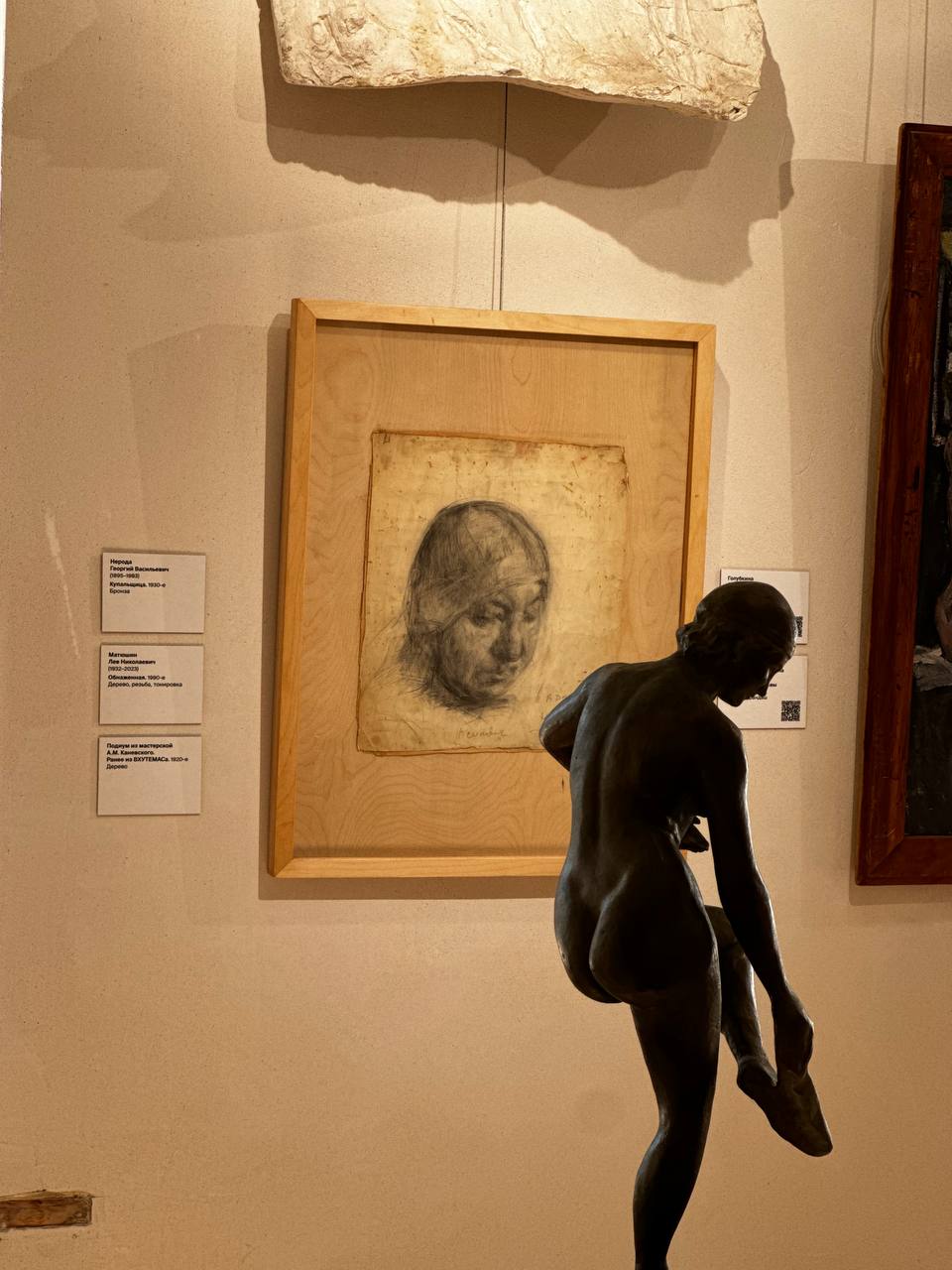
Now this place will be commemorated not only in memoirs, letters, articles and paintings, but also in a museum. The Scientific and Museum Centre "Maslovka. The Artists' Town" officially opened today. I visited it in advance and am greatly impressed by the collection, shown, albeit fragmentarily, at the first exhibition, "The (In)visible City of M.", assembled by the curator Kirill Svetlyakov, who holds the post of the museum's scientific director. Some of the exhibits inspired me so much that the very next day I acquired a work by Frikh-Khar, so beautifully presented in several halls of the museum on Maslovka.
A very pleasant, heartfelt museum with a wonderful selection of quiet masterpieces and little-known works by Soviet classics. I mark this spot as a must-visit for everyone interested in new art, the life of artists in the USSR and the fates of the red masters of twentieth-century painting and sculpture.