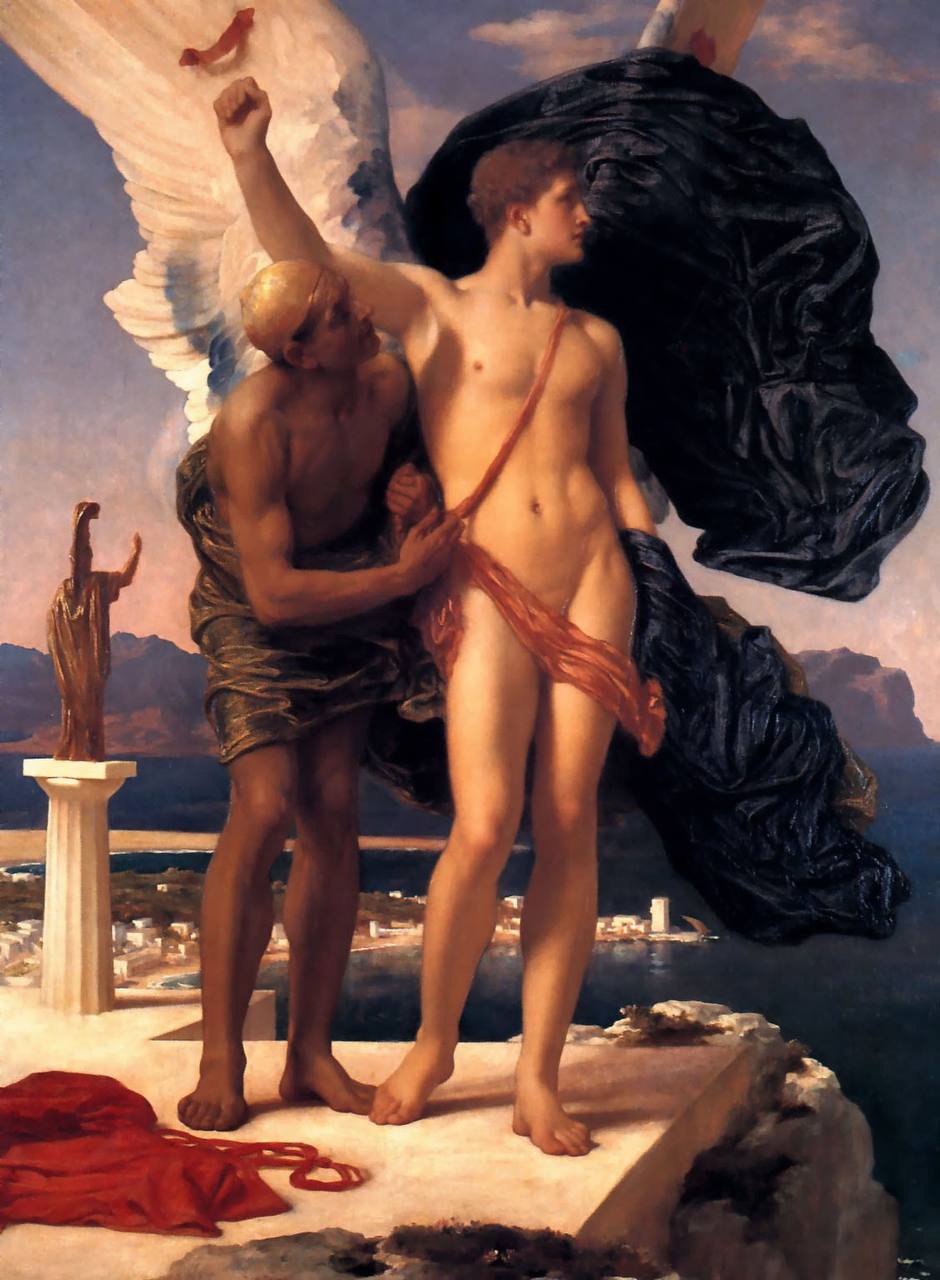
The mountain of hands in the Archaeological Museum of Cagliari, the capital of Sardinia, recalled the touching scene in «Call Me by Your Name» in which the heroes attend the raising of a statue from the bed of the Aegean Sea, and Oliver hands Elio a bronz
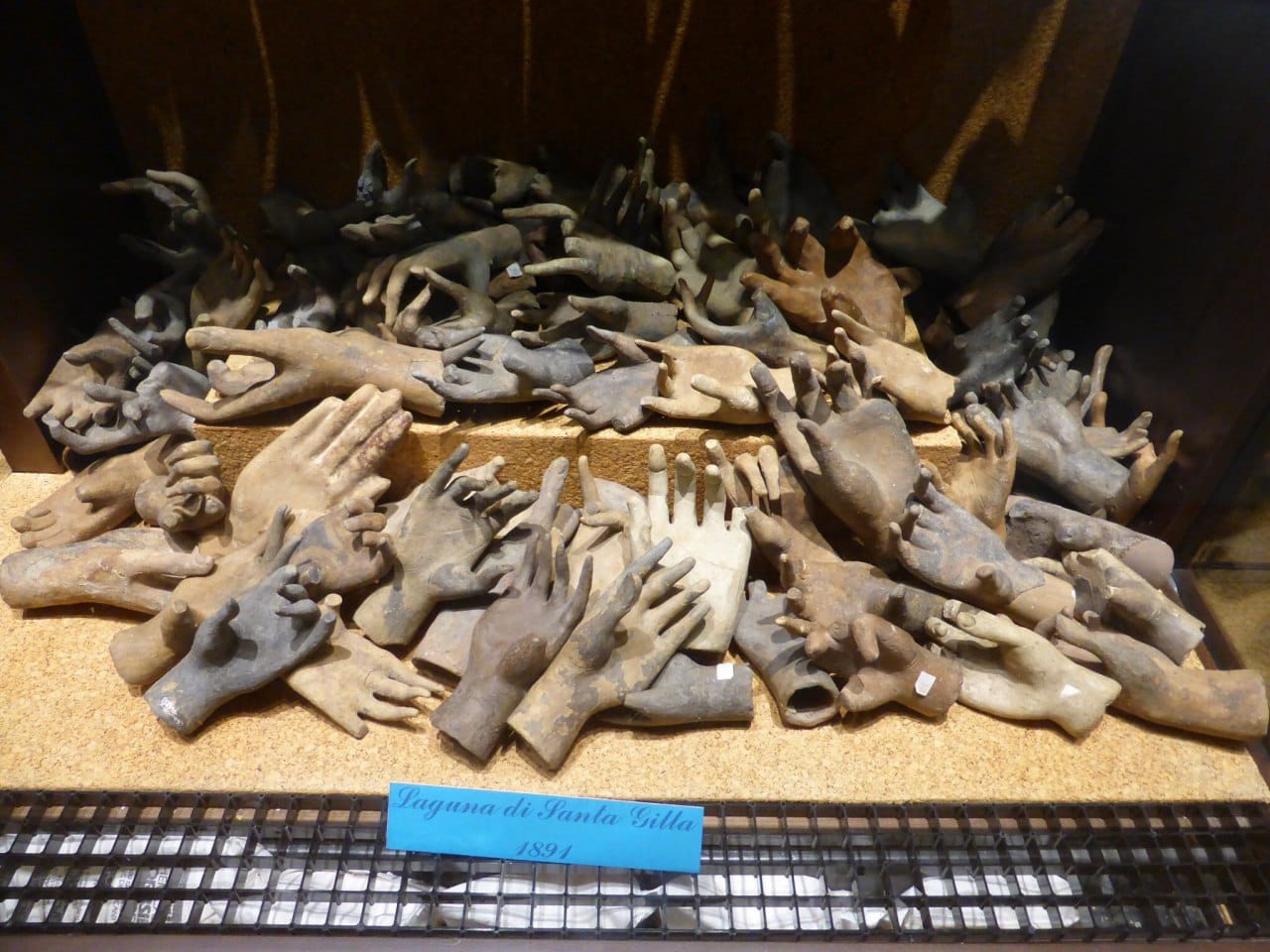
These hands, too, have been raised from the depths, though not of the sea but of a marsh. The pottery found in 1891 in the marsh of Santa Gilla dates from the 4th-3rd centuries BC. These are votive hands, that is, offered as gifts in fulfilment of a vow, modelled in the Hellenistic style. The Phoenicians, who had lived here since the 8th century BC, presented their gods with clay figures in the shape of hands, eyes, faces and ships, as thanks for a granted prayer.
The tradition of votive objects is characteristic of many ancient cultures and was borrowed by the Christian Church: tablets, gift statues, flowers or jewels placed before icons are all ex-voto offerings. So, too, is the garnet bracelet in Kuprin, which at the end of the story turns out to have been given to the icon of the Mother of God.