Dostoevsky preferred intuitive punctuation and did not resort to the rules of orthography when placing punctuation marks
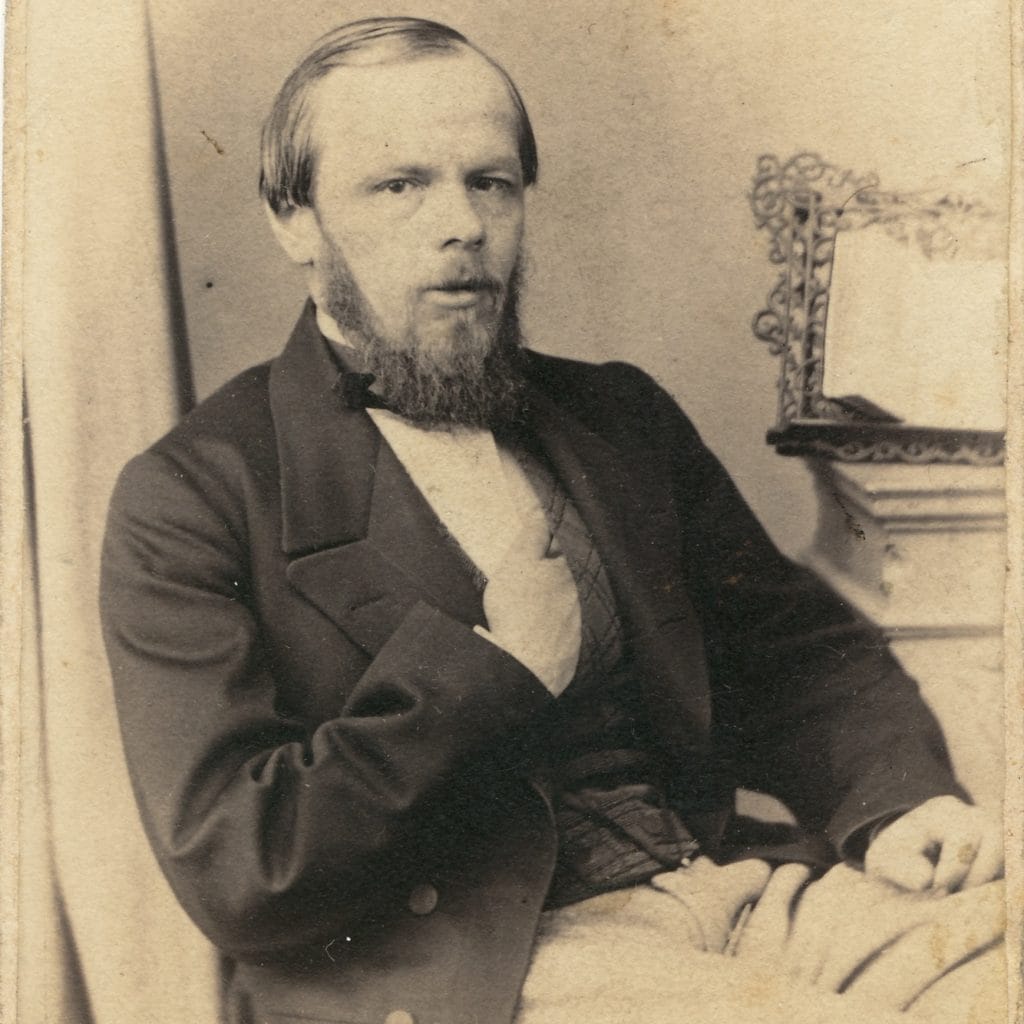
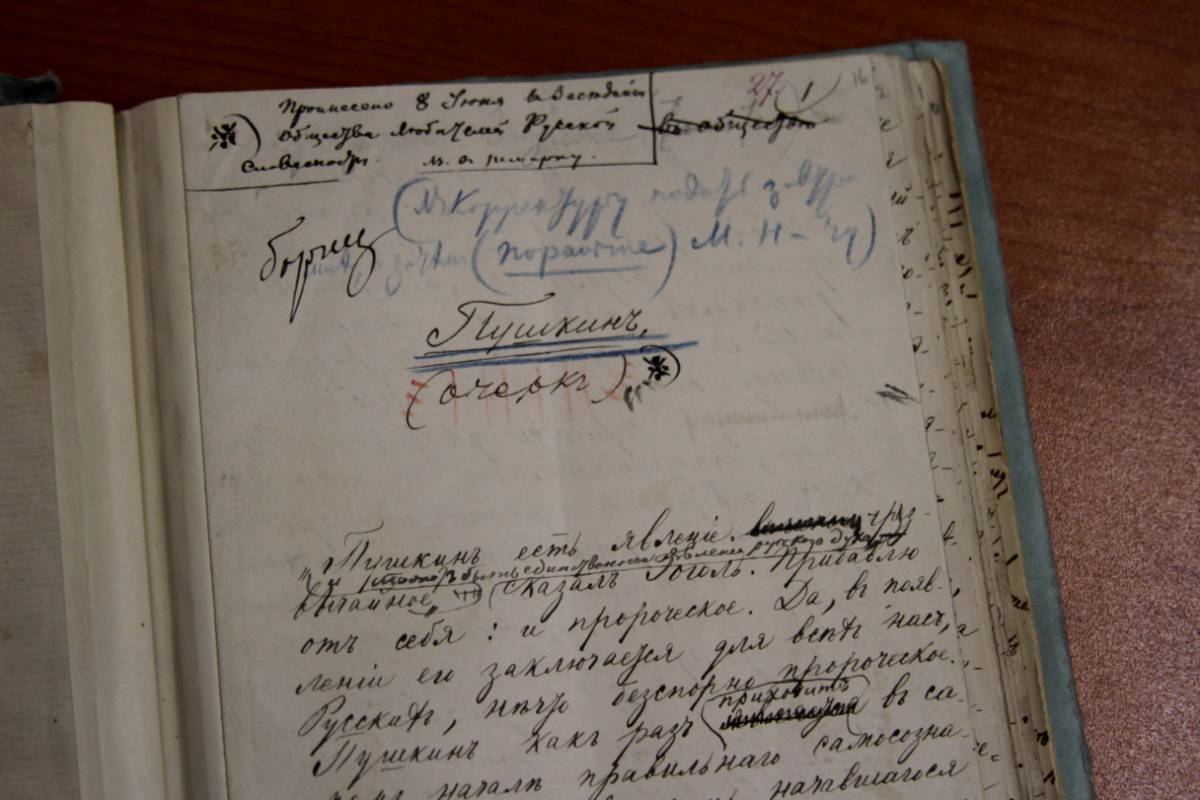
Dostoevsky preferred intuitive punctuation and did not resort to the rules of orthography when placing punctuation marks. He read his manuscripts aloud and put commas wherever the intonation called for a pause. There is a curious recollection of Dostoevsky on this score by the writer and translator Varvara Timofeyeva, who worked as a proofreader at Transhel's printing house, where Prince Meshchersky's weekly Grazhdanin [The Citizen] was printed; in 1873 and the first months of 1874 it appeared under Dostoevsky's editorship.
"I appealed then to grammar, and he exclaimed irritably:
- Every author has his own style, and therefore his own grammar... I have no concern whatever with other people's rules! I put a comma before 'that' where I need one; and where I feel that no comma should go before 'that', there I do not want one put in for me!
- So your orthography can only be guessed at, it cannot be known, - I objected, trying to understand better what was required of me.
- Yes! Guessed at. Without fail. A proofreader must know how to guess! - he pronounced, in a tone that admitted of no objection, knitting his brows angrily.
I fell silent and tried, as best I could, to guess, but inwardly I felt something like disappointment. Neither the peremptory tone, to which I was then entirely unaccustomed, nor the peevish, discontented remarks and irritable alarms over some wrongly placed comma could be reconciled in any way with my idea of this writer-man, this writer-sufferer, this writer-seer of hearts.
At the outset, indeed, almost everything irritated him. Now it was: why had they put a hard sign at the end of the word odnakozh in his article, when he had written it with a soft one. Now it was: why might a parenthetical clause be set off in commas, instead of being set off with a dash in the middle, as the French do and as the Russky Vestnik [Russian Herald] does. Now, finally, it was: why had they sent him at Grazhdanin an article on the introduction of the phonic method into rural village schools, when he could not hear of that method with equanimity.."