The Dovecote Dacha, or Simply the Dacha Behind the Donskoy Monastery: One of Old Moscow's Unusual and Enigmatic Buildings
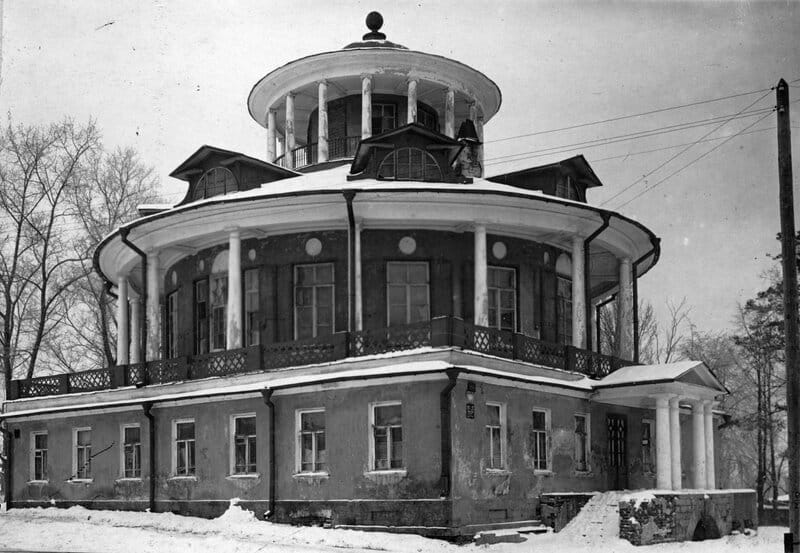
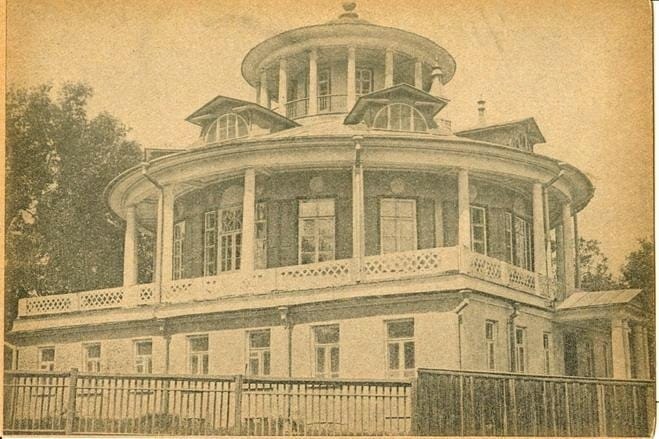
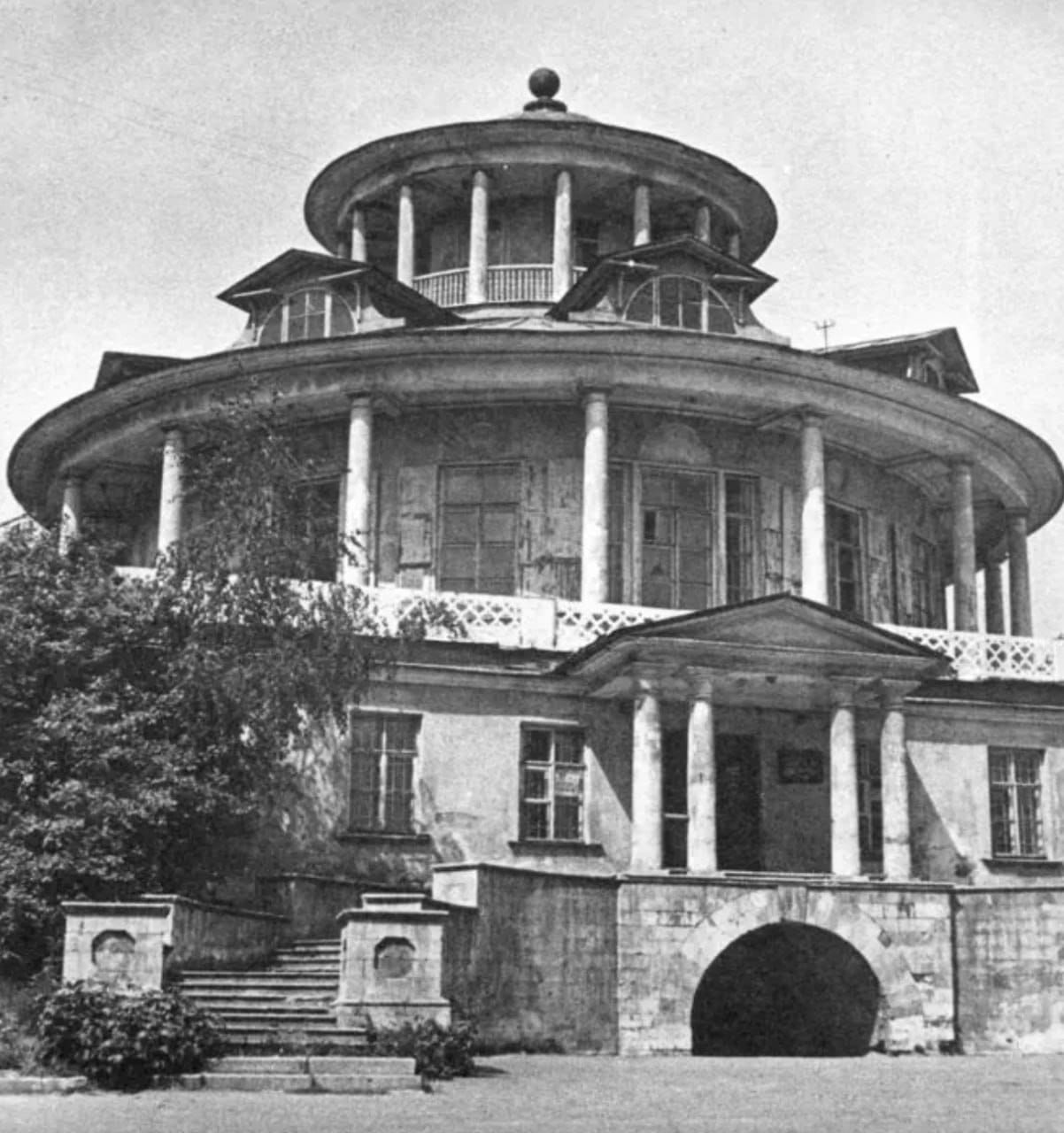
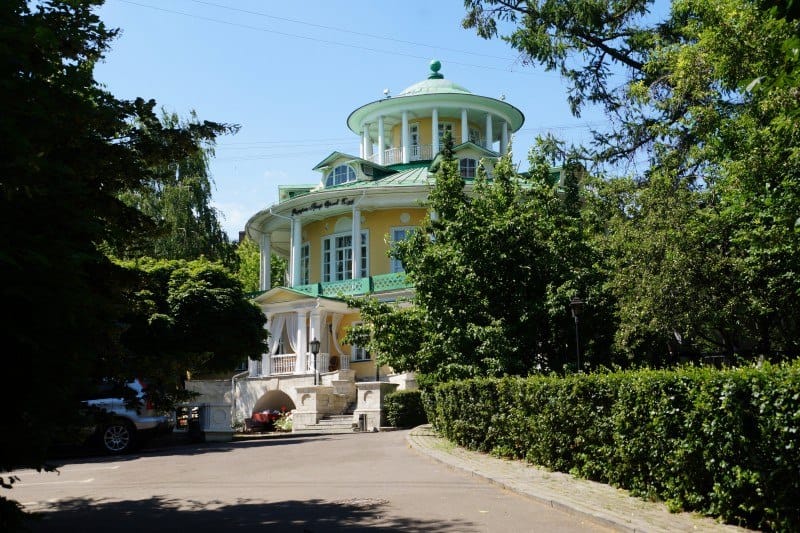
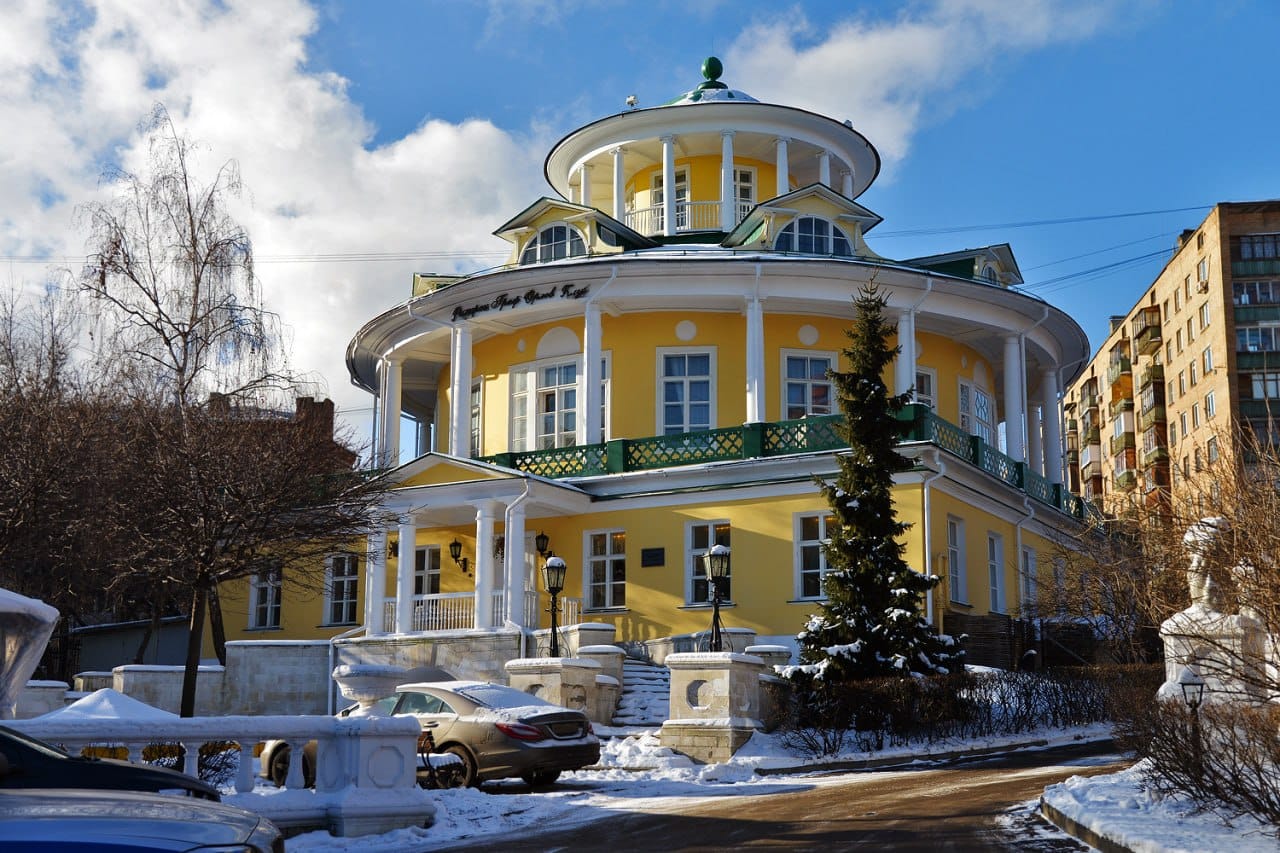
The Dovecote Dacha, or simply the dacha behind the Donskoy Monastery, is one of the unusual and enigmatic buildings of old Moscow. A great deal is known about it, but just as much has been invented, as so often happens, by city tour guides and mere lovers of historical sensations. Thanks to such erroneous legend-making, for instance, the dacha is ascribed to Count Orlov, and we are told that the building was constructed to a design by Kazakov in 1780. But I beg you to remember: we have not a single ground for calling the dovecote dacha in the Donskoy district the Orlov Dacha, as is so often done for the sake of agitation.
The building now houses a restaurant, which directly introduces false information into the history of the place, printing the name of Count Orlov and the year 1780 on its materials. It is curious that the historical forgery is echoed by Wikipedia, which also gives the construction date of 1780 and the name of Matvey Kazakov.
Even the register of Moskomnasledie (the Moscow heritage committee) lists the dacha under an erroneous, far-fetched name.
There is not one truthful piece of evidence that would connect this dacha with the name of Orlov. But people love fairy tales, you know, like those stories about entire districts supposedly built by German prisoners of war.
Legends are woven around the building about Freemasons nesting here and about underground passages by which they arrived at their secret gatherings. There is no official information at all about Masonic organisations in this part of Moscow. As for the underground passages, two of them really were found during restoration work in the 1990s, but their purpose is not entirely clear. They could have been technical structures of one of the factories that stood here, or tunnels of a hydraulic character connected with an unrealised project for a canal to the Moskva River, or a water supply and drainage installation, or, in equal measure, some secret passage. But one thing can be said with confidence: if anything secret went on here, it was Old Believer gatherings and an Old Believer prayer house, which is documented and confirmed by two Old Believer families who owned the estate at the end of the 19th century.
What else is known about the building not far from the Donskoy Monastery and Neskuchny Garden? The earliest depiction dates from 1832: a drawing of the plan and façade, titled precisely «The Dacha behind the Donskoy Monastery». With no mention of any Orlovs whatever. The plot of land on which this original house stands was owned from the end of the 18th century by the merchant family of the Milyutins, then by the Strekalovs, Prince Aladin, the Sokolovs, the Medyntsevs, Simonov, the merchant Melnikovs and the merchant Mikhailovs. The surname Orlov arises here from a neighbouring property, the Orlov Grove by the Kaluga Road, which grew up on an abandoned plot owned by Staff Captain Konstantin Orlov, no relation to the counts of the same name. Count Orlov, for his part, owned the Neskuchnoye estate, to whose territory the dacha does not belong, being merely situated nearby.
The locality itself, where the Gagarinsky shopping centre now stands, through which Leninsky Prospekt and the Third Ring Road pass, lay at the junction of several dachas: the dacha of Ivan Beketov, the dacha of the merchant Pyotr Beketov, the dacha of Solovov and the dacha of Simonov, which is precisely the subject of the present note.
If one wishes to attach someone's name to this handsome, extraordinary building, it might be the name of Milyutin, in whose time there was a brickworks on the dacha land until about 1805, or, for example, the Strekalovs or the Aladin-Cherkassky family, in the time of one of whom the pavilion with its "dovecote" that interests us was in all likelihood built.