Reading Professor Ivan Ivanovich Zarubin's diary of his journey to the Pamirs in the summer of 1914
I am reading the diary of Professor Ivan Ivanovich Zarubin about his journey to the Pamirs in the summer of 1914. He describes sailing down a mountain river on a raft made of inflated goatskins.
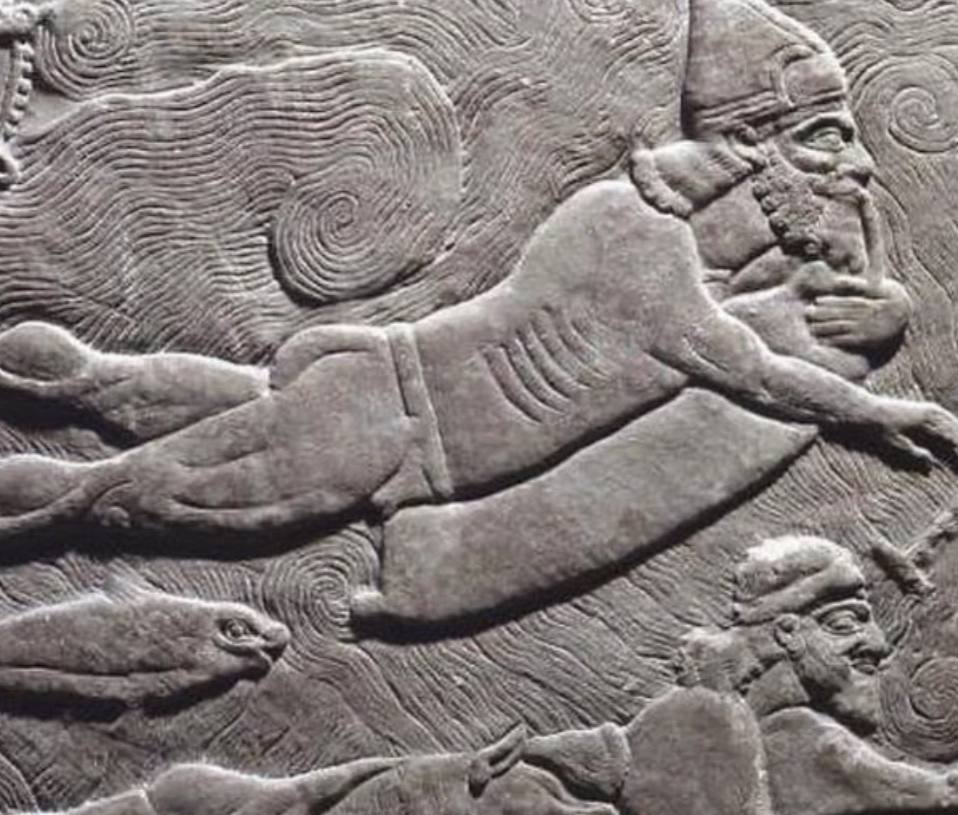
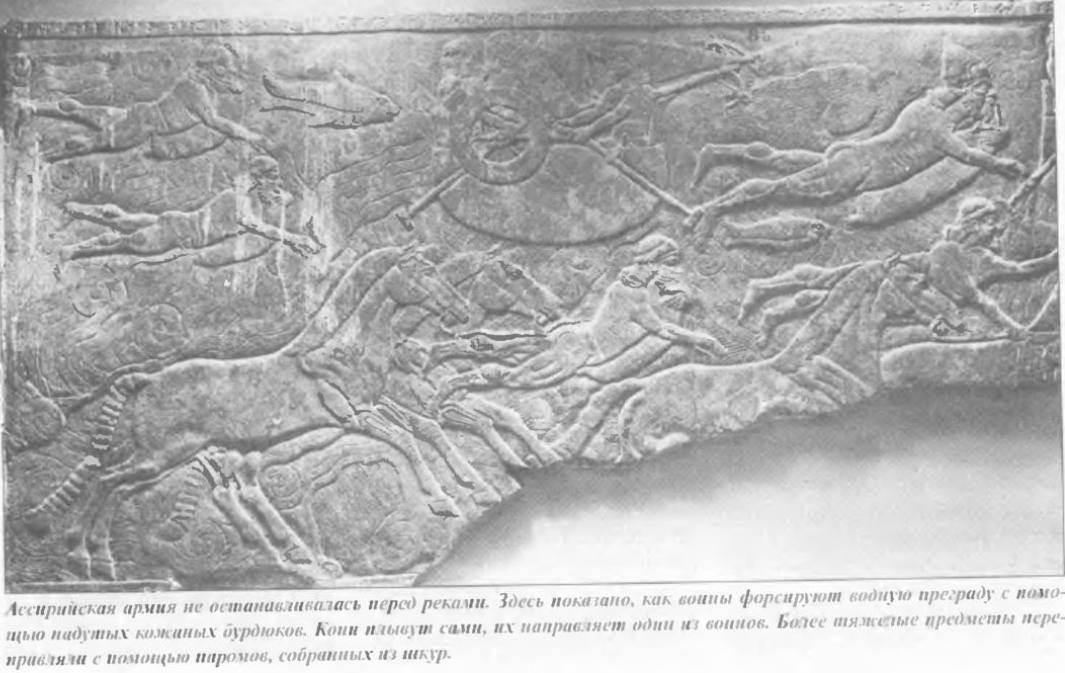
It brought to mind the Neo-Assyrian relief of the 8th century BC from the collection of the British Museum, which shows Assyrian warriors swimming on inflated skins. This relief is sometimes described as the first depiction of an aqualung, a special device that allows one to breathe underwater: indeed, if one imagines that the warriors on the relief are swimming not on the water but under it, one can picture how they breathe air through a tube attached to an inflated wineskin.
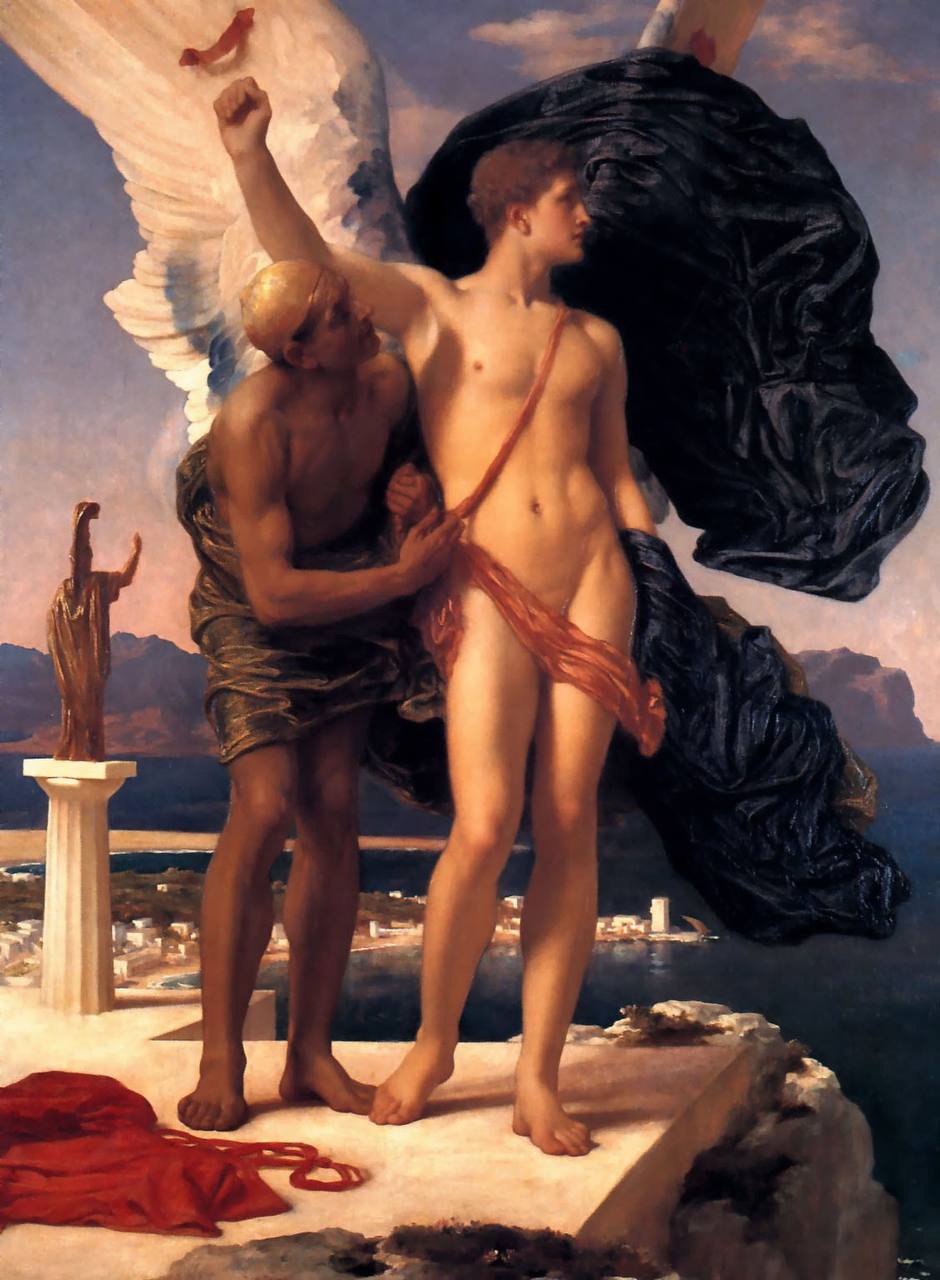
One might, of course, also mention the bag of winds that Aeolus hands to Odysseus so that they should not hinder his arrival at Ithaca. Be that as it may, this rather ancient discovery of the uses of airtight skin bags turns out to have been in active service right up to the 20th century, and I should not be surprised if it is still so today, for we are speaking of the most remote mountain districts of Tajikistan.
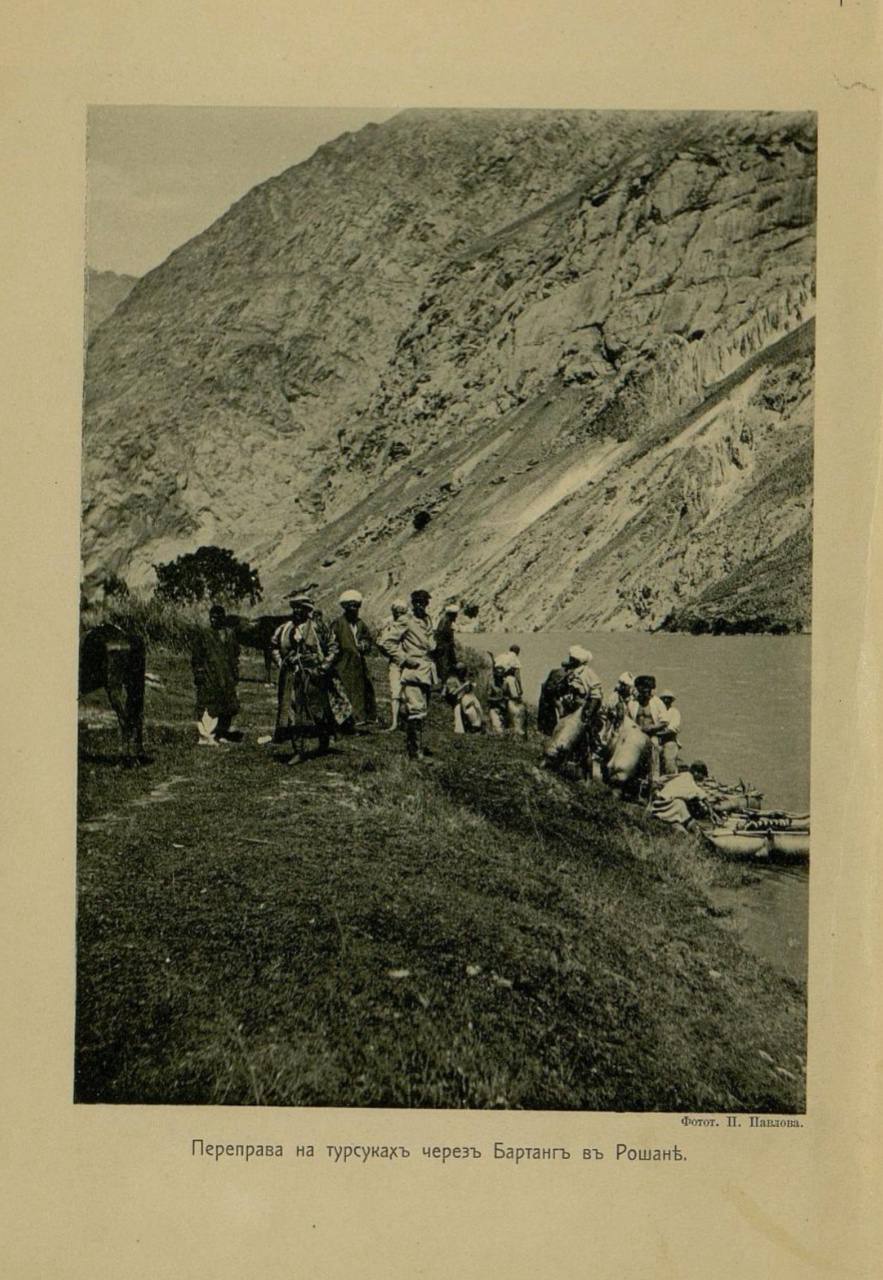
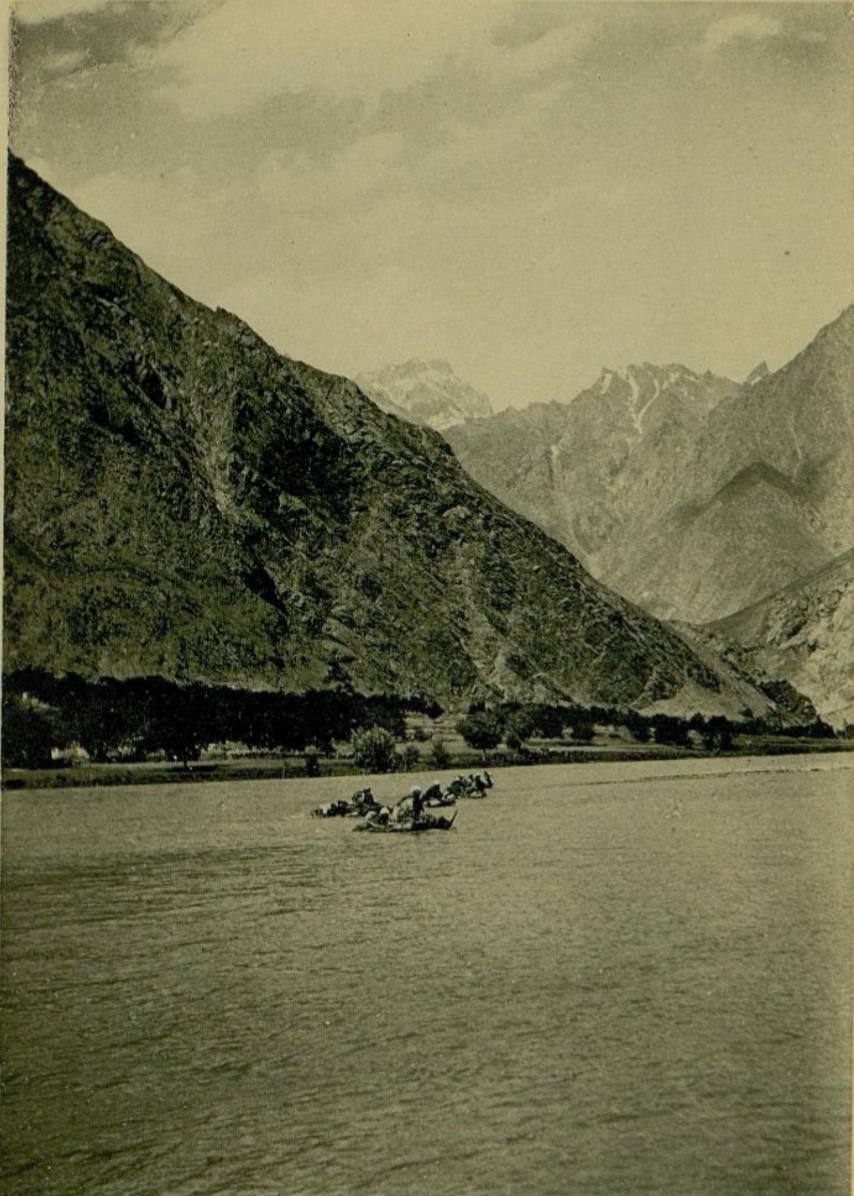
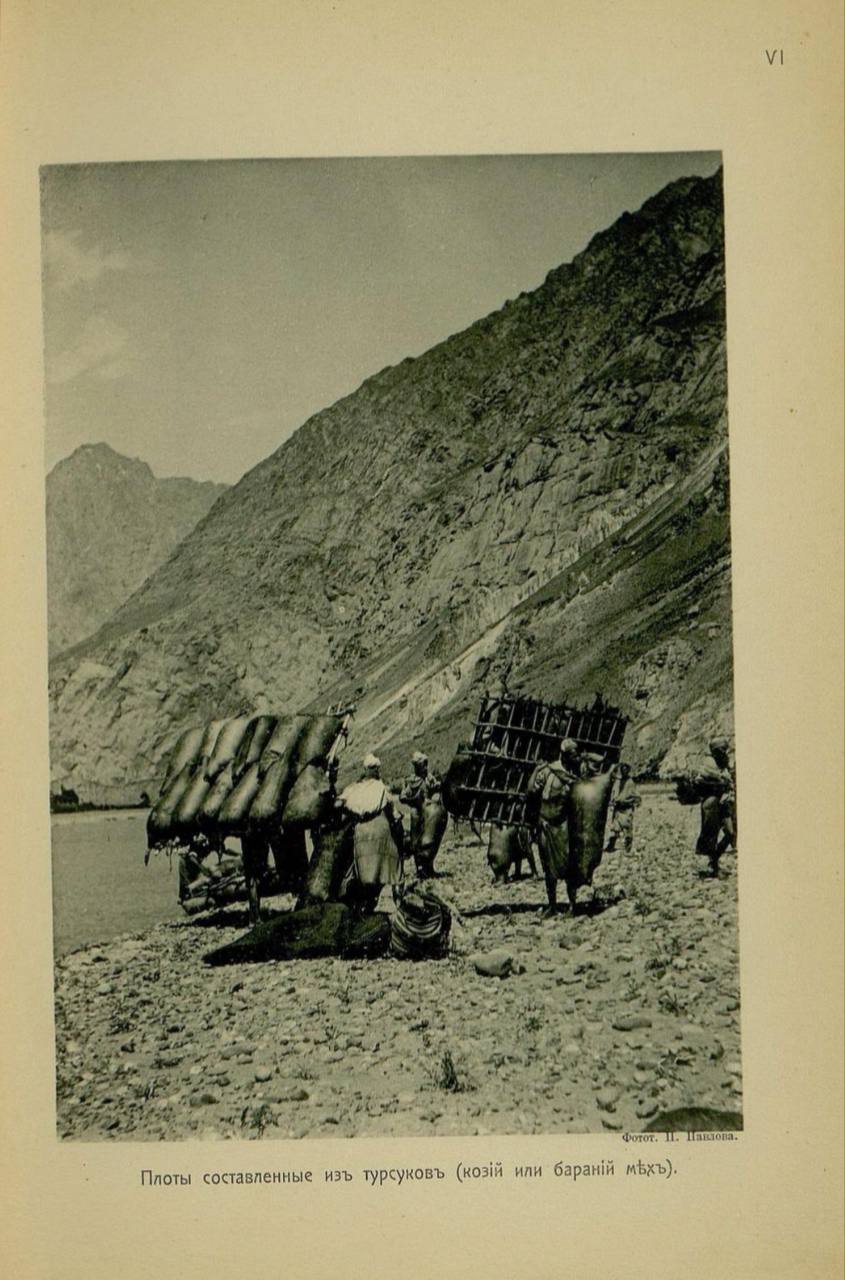
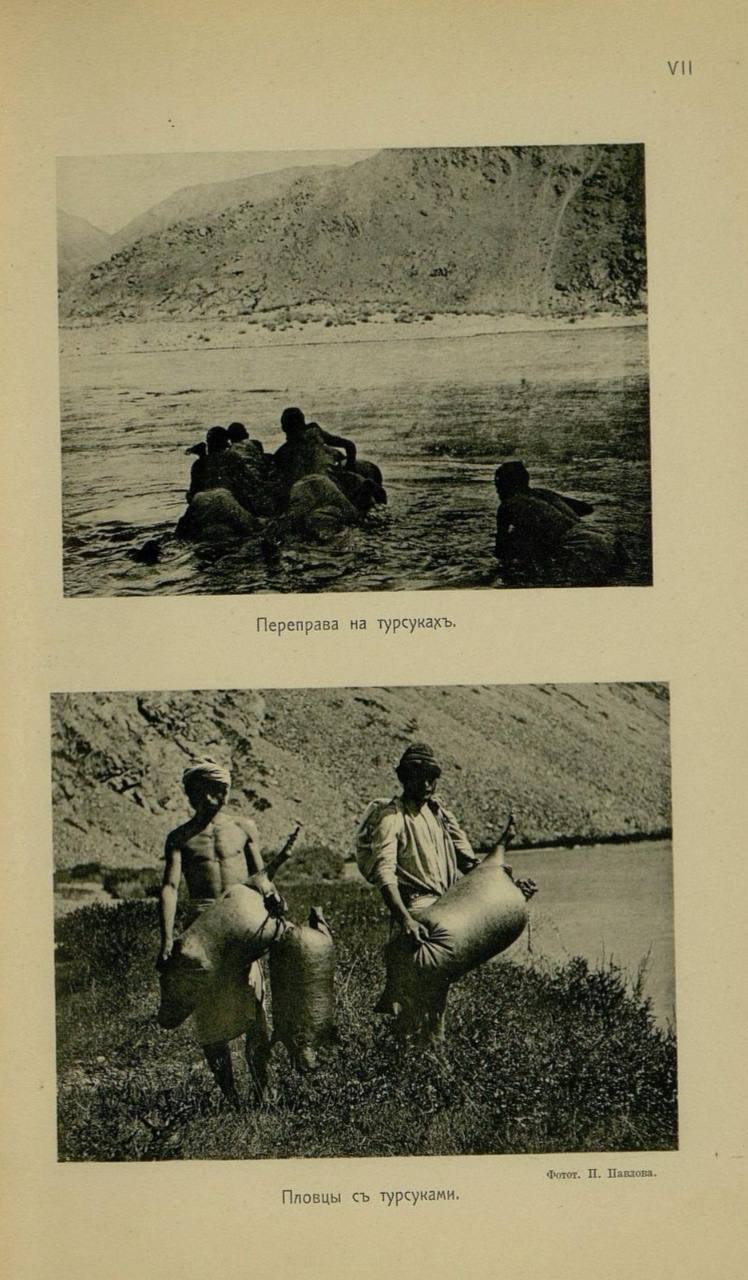
Another Russian explorer, Alexey Alexeyevich Bobrinsky, wrote about this in 1908, in his sketches of everyday life drawn from travel notes, The Highlanders of the Upper Panj; the photographs are taken precisely from his book.
The highlanders, who no doubt trace their descent to the ancient Assyrians, call this means of swimming a tursuk, gupsar or sanoch. A whole goat or sheep skin is inflated through a hind leg. In the water it is held with one hand, the swimmer lying on it with his whole body and paddling with his legs and his other hand. Rafts are made from tursuks by lashing them together and fastening them to a wooden frame. A raft of 12 tursuks bears up to 4 people, or one person with cargo. The raft is steered by two men at the rear, who swim on their own tursuks and paddle with their legs. In this way livestock and heavy baggage are carried across.