
NB! · Humour

NB! · Humour
NB! · Observations
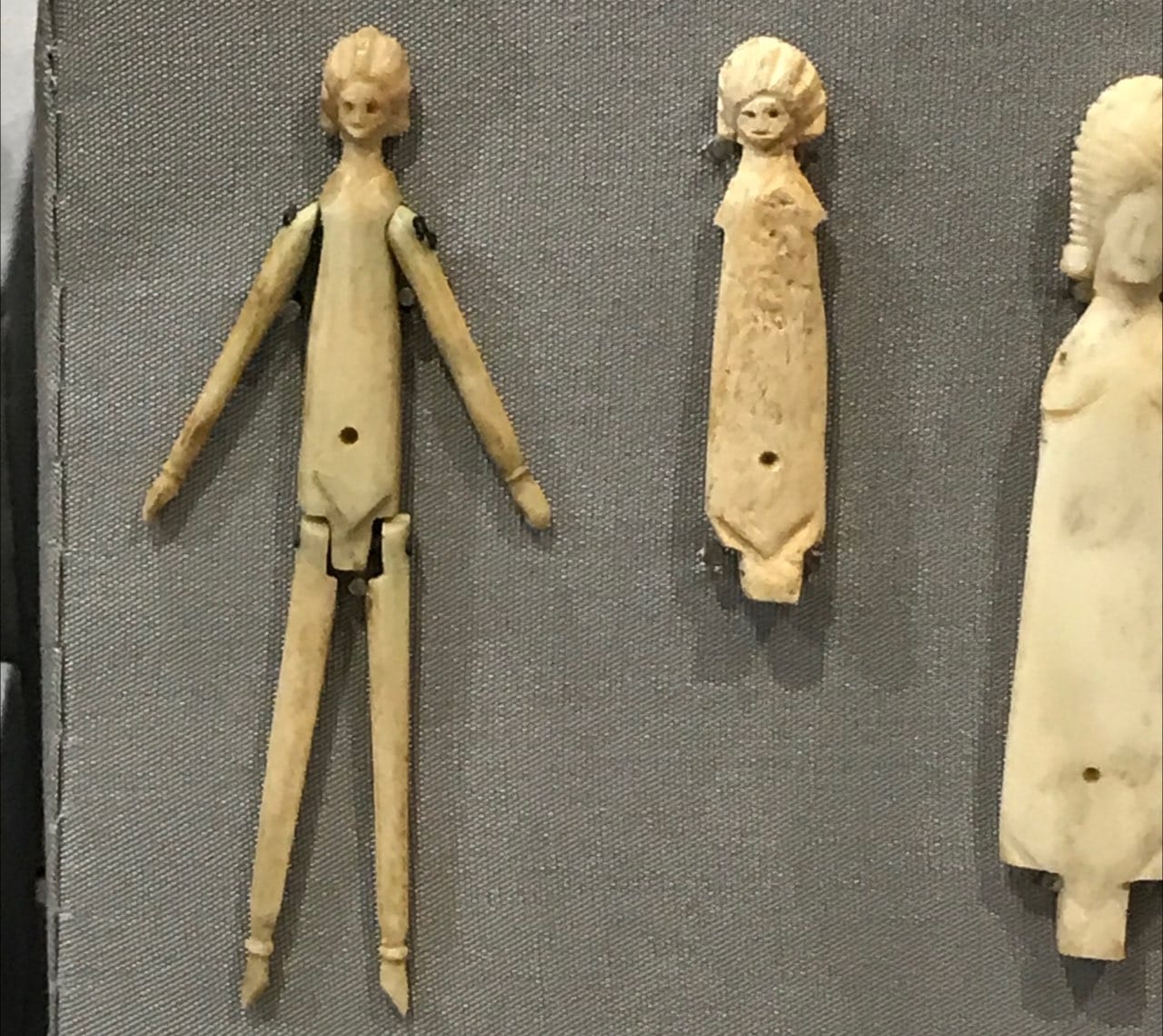
NB! · Archaeology · Museums · Observations · Mores · Humour
I thought Soviet baby dolls were creepy, and then I saw these Roman bone dolls with movable limbs, 3rd to 4th centuries AD. Shall we talk about the psyche of the children of Ancient Rome?
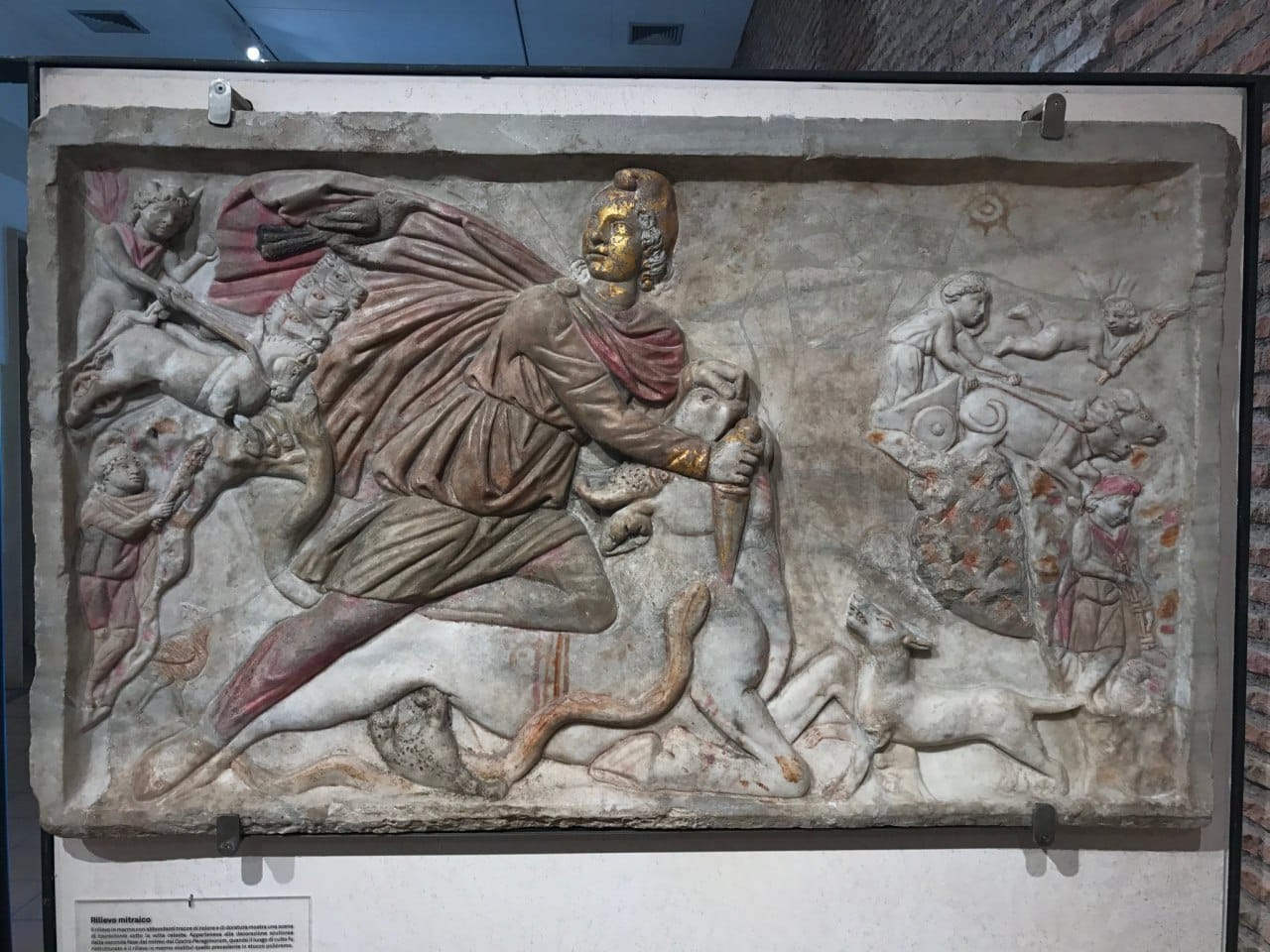
NB! · Faith · Observations · Humour
In the Christmas bustle I always find myself, for some reason, remembering the undeservedly forgotten little Mithras. Though the bull really need not have been killed
Archive · Faith · Books · Observations
On St Nicholas's Day, a detail comes to mind. In the 1642 book "The Service and Life of Nicholas the Wonderworker" there is, in the margin of one page, a curious note dating from the eighteenth century: "If things go quite badly for you, pray
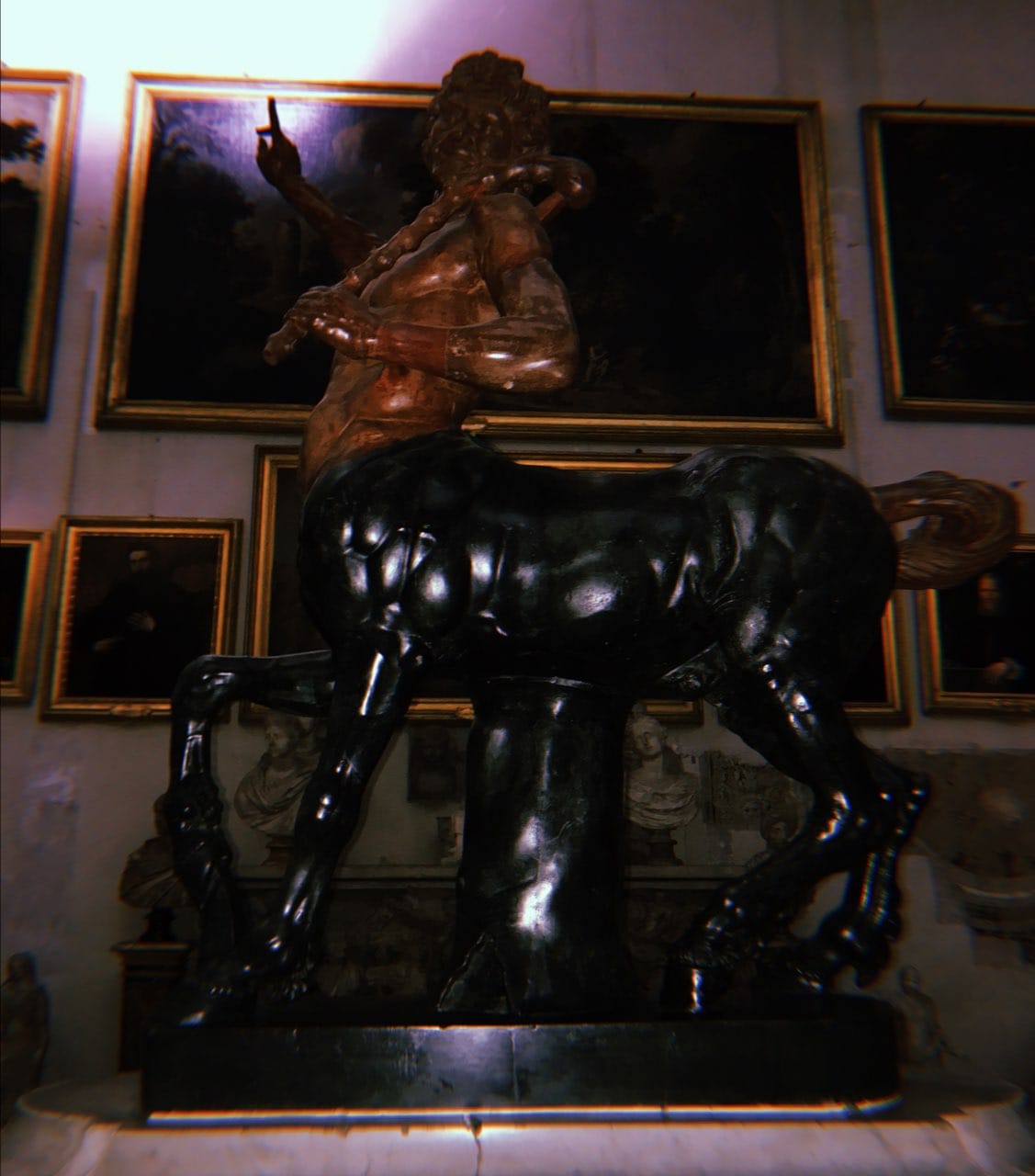
Archaeology · Art · Museums · Rome
The young centaur from the celebrated pair of Furietti Centaurs of the 2nd century, found in the 18th century at Hadrian's Villa and kept in the Capitoline Museums. Copies of these sculptures are displayed all over the world; this two-coloured replica, for instance, dates from the Hadrianic
NB! · Architecture · Faith · Observations · Heritage · Rome
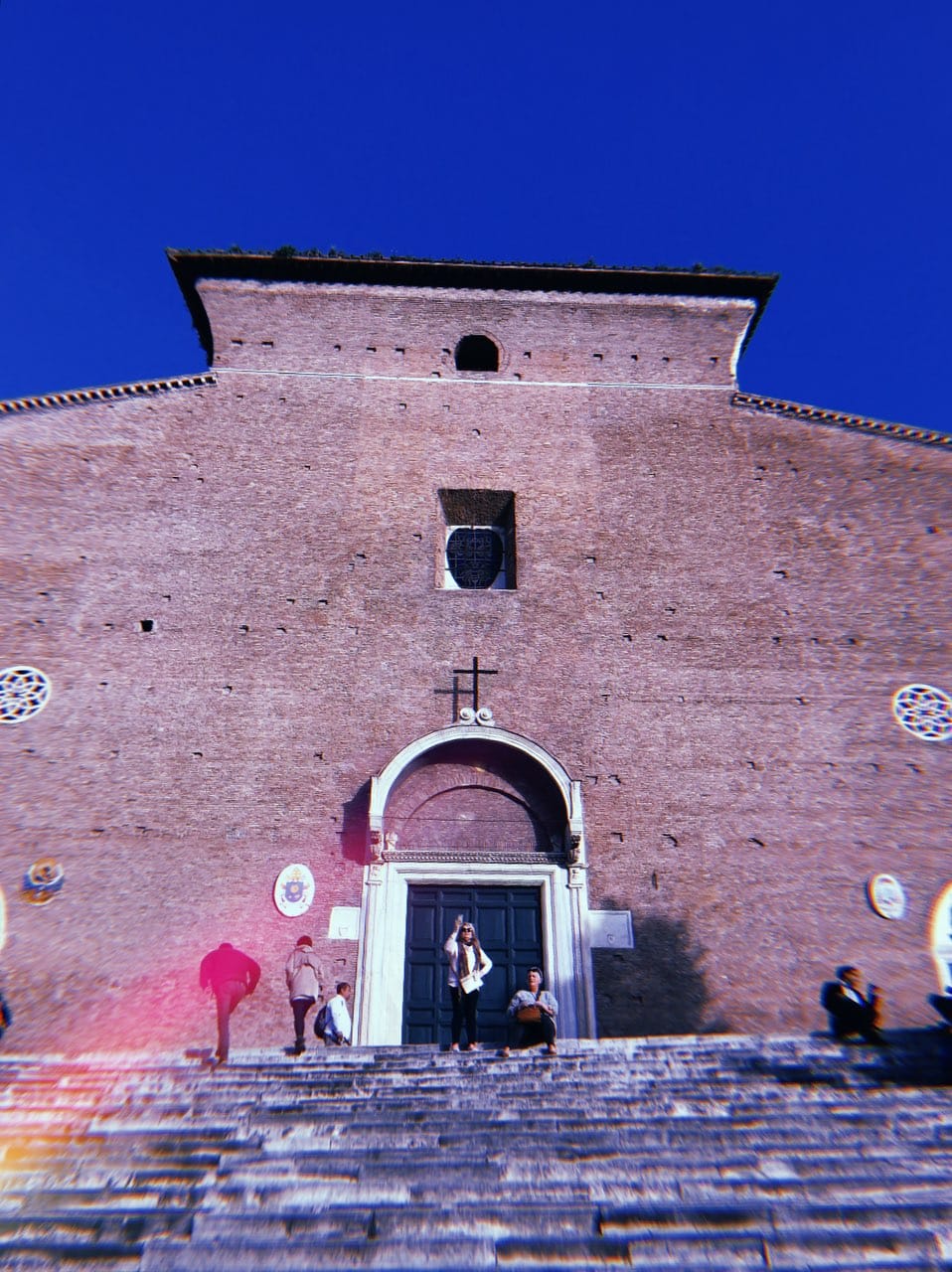
Do you see the empty niche in the upper part of the façade of Santa Maria in Aracoeli? It was here that the first public clock of Rome was installed, in 1412, 42 years after Paris. But in 1806 it was decided to move the clock to the tower of
Architecture · Faith · Observations · Rome
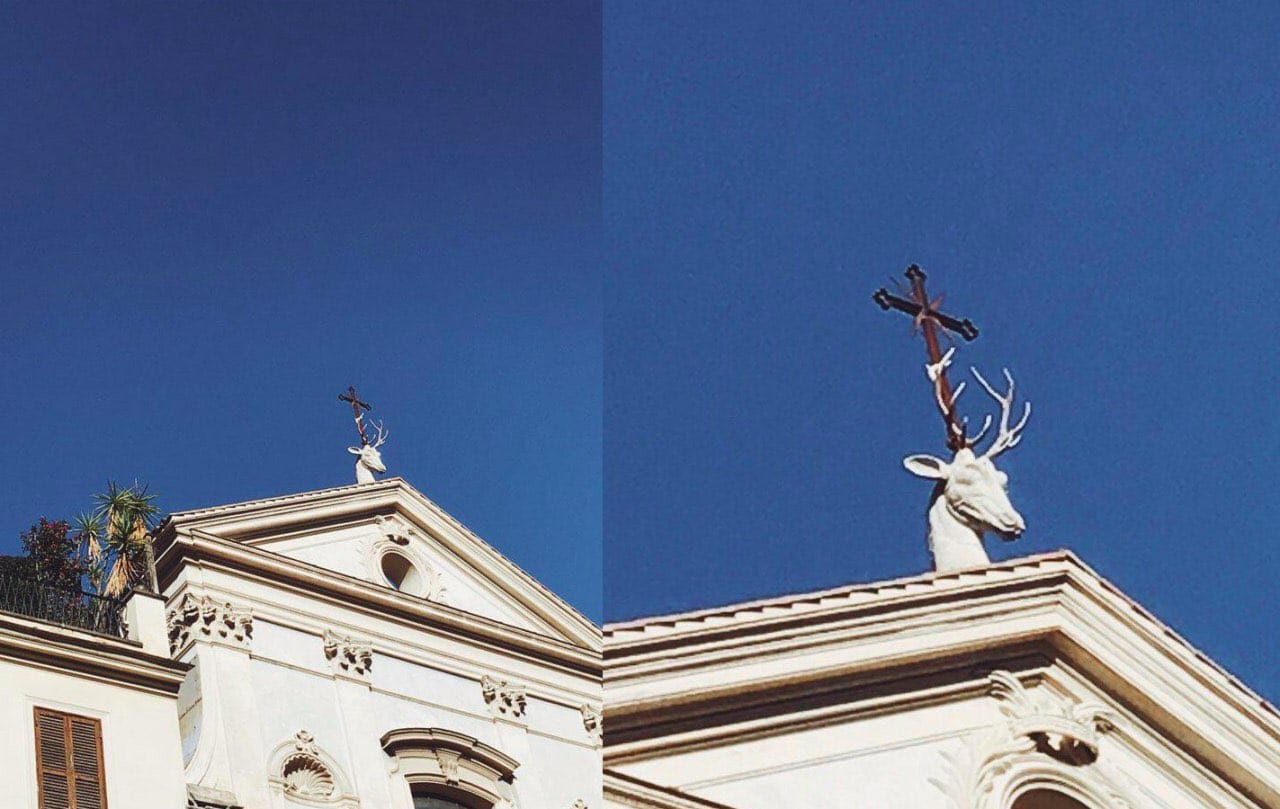
In the very heart of Rome stands a small church with a most unusual crucifix: from its roof a stag gazes down upon the city, a cross between its antlers. This is the heraldic emblem of Saint Eustace, a Roman general who converted to Christianity after meeting, while out hunting,
Faith · Art · Rome
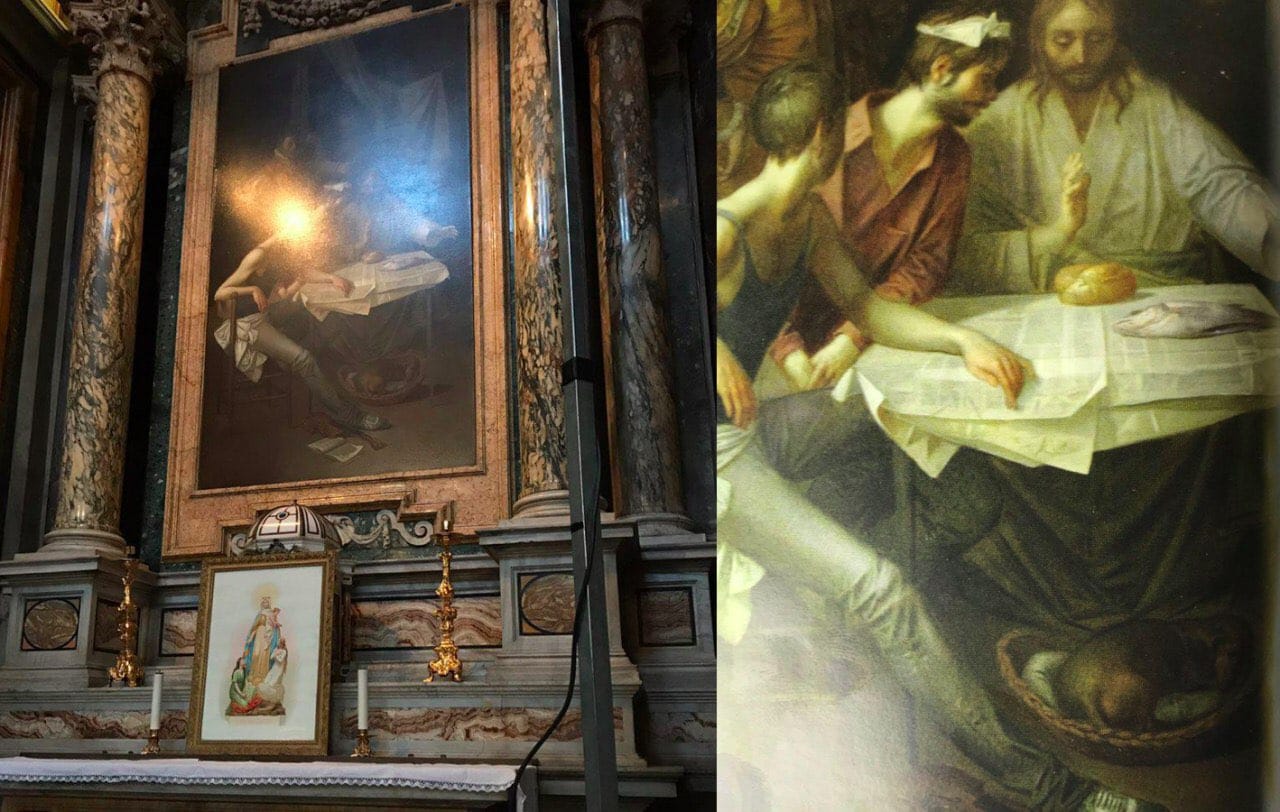
Remember the Biblical story of the supper at Emmaus? On the third day after the Crucifixion, Christ appeared, unrecognised, to two grieving disciples, who invited him to share a meal. At supper the sacrament of the Eucharist took place, and the disciples knew Jesus. Caravaggio painted the scene several times.
NB! · Architecture · Observations · Rome
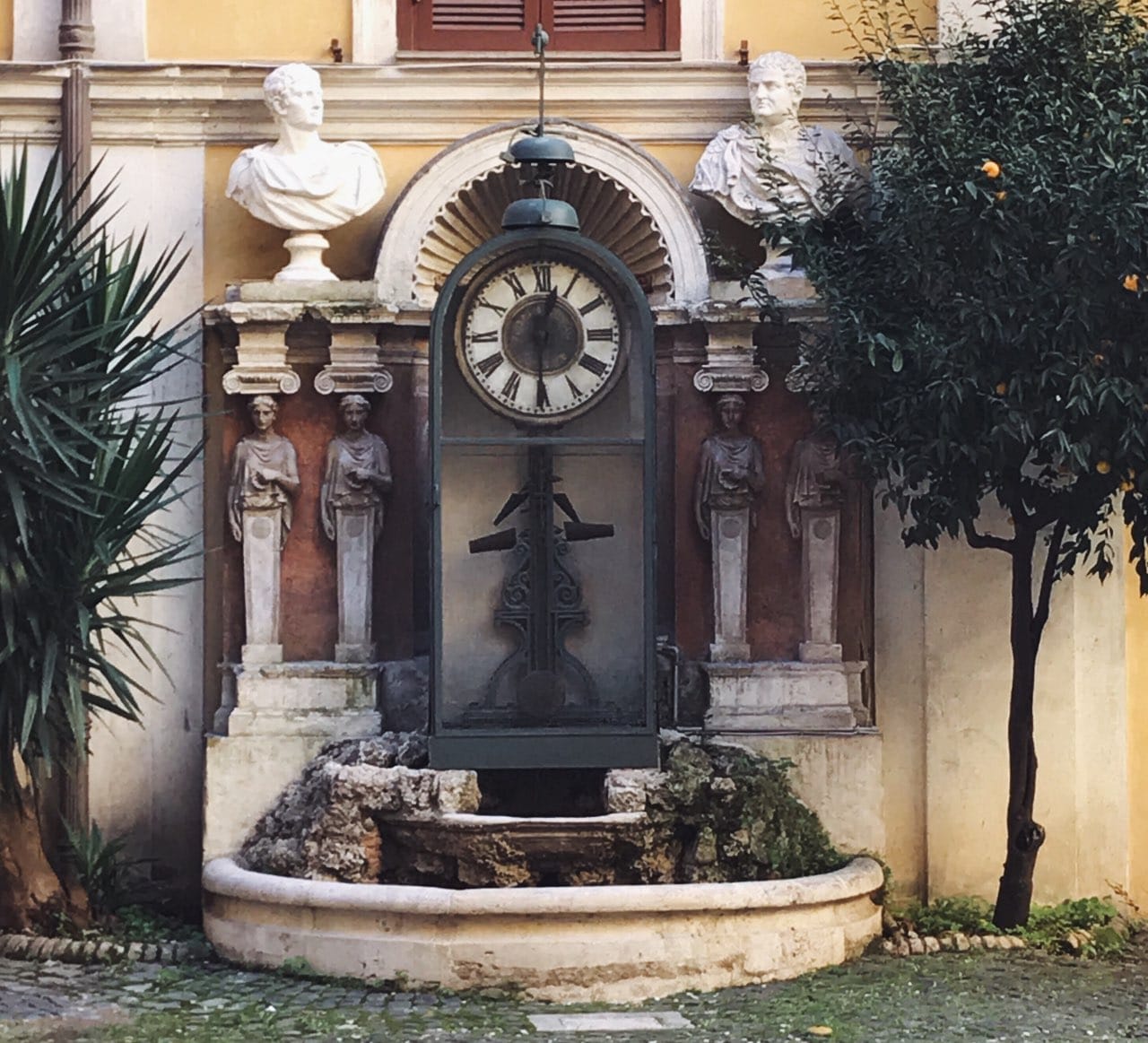
The second Roman clepsydra is hidden in the courtyard of the private Palazzo Berardi, out of sight of passers-by, and is built as a frontal fountain with caryatids and a shell-shaped basin in which an otter sits. The clock works faithfully and chimes
Architecture · The East · Science · Rome
Time's up! The expression comes from the water clocks so popular in antiquity. Devices for measuring time, based on the properties of water and vessels, were much in vogue both in Ancient Rome and in the East. But in the Dark Ages the European art of building clepsydras
Faith · Art · Ethnography
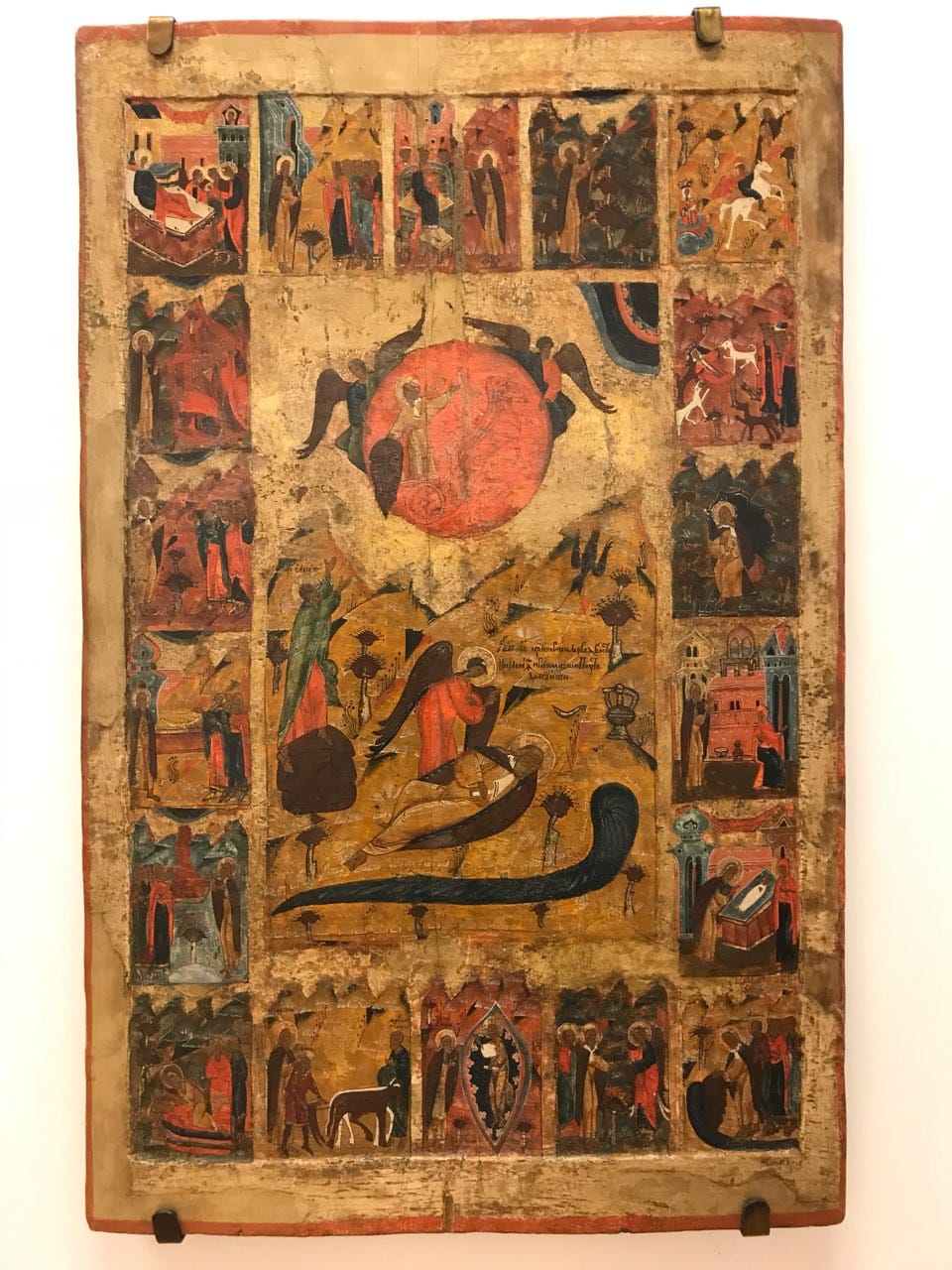
The Fiery Ascent of the Prophet Elijah, the very man who slew the priests of the god Baal and prophesied before King Ahab, a hagiographic icon of the late sixteenth century. Saint Elijah was taken into the kingdom of heaven alive, ascending on a fiery chariot drawn by blazing horses