NB! · Humour
NB! · Humour
NB!
Observations · Mores · Humour
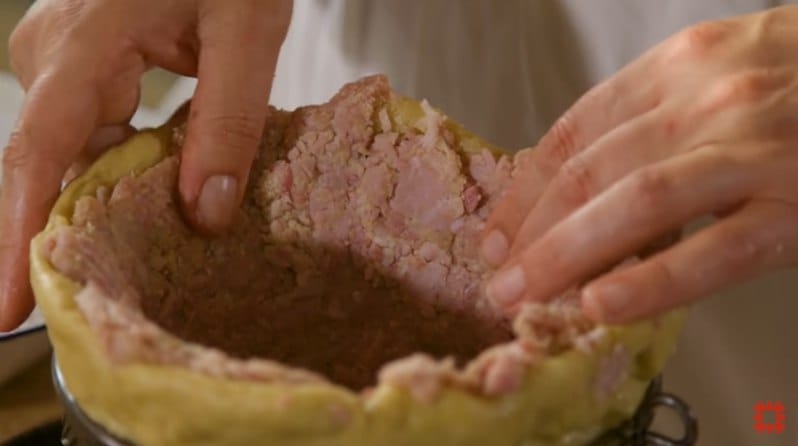
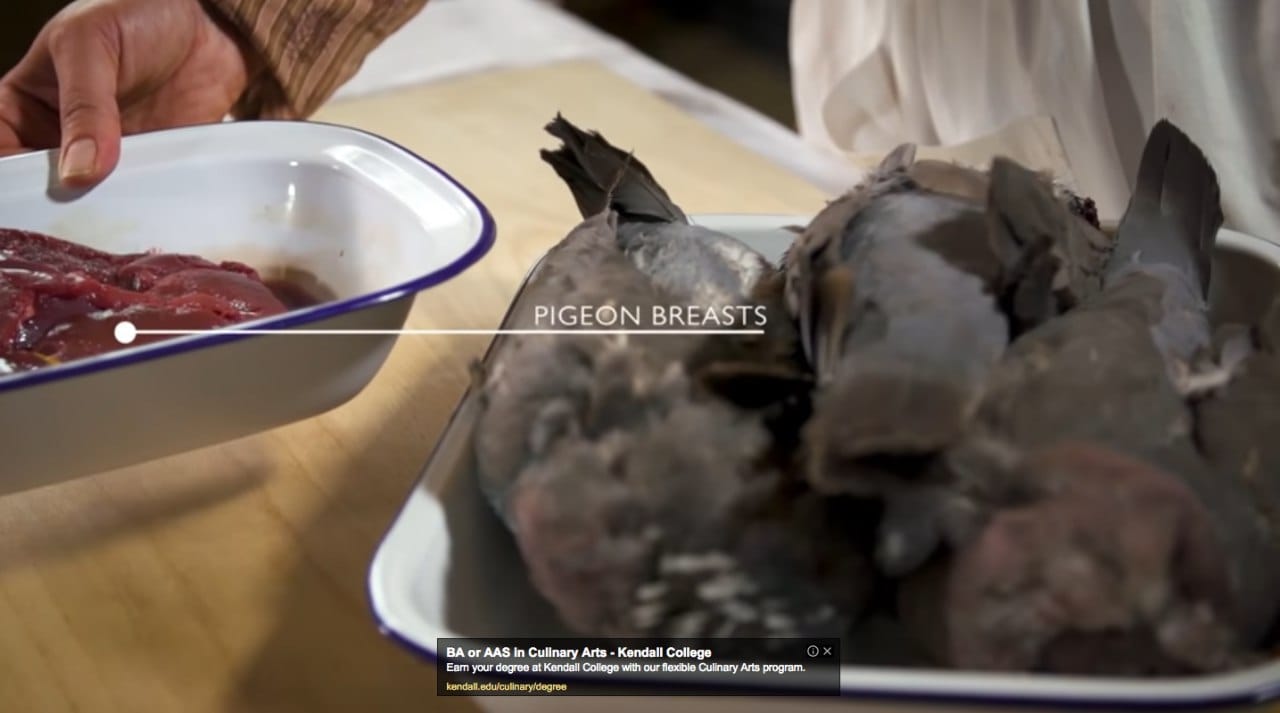
I have two questions: when did you last go hunting, and do you know how to make a pigeon pie? It is no simple matter. Ingredients: 12 pigeon breasts, 450 g mushrooms, a few truffles, 12 quail eggs, salt, pepper, cloves and nutmeg, herbs, 1 glass of port, 1 glass
Museums · Pop Culture · Humour
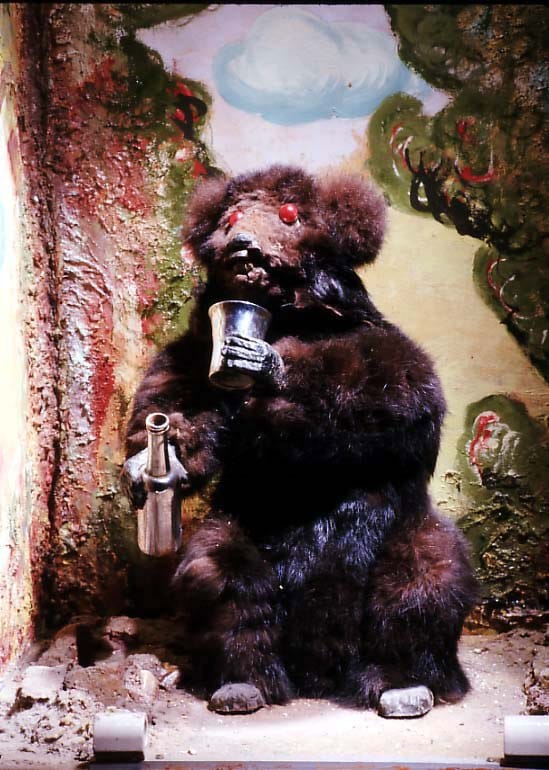
Just don't tell me this is not the most splendid bear you have ever seen. Paddington is not fit to hold a candle to him. This hard-drinking teddy lives in a toy museum in the English historic village of Penshurst, in the county of Kent, once owned
Books · Mores · People
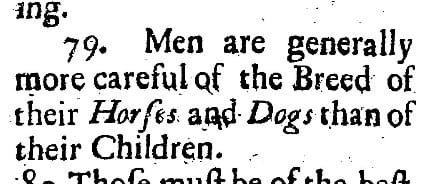
Some Fruits of Solitude in Reflections and Maxims / Fruits of Solitude. William Penn, 1693
NB!
Interviews · Observations · Society · People
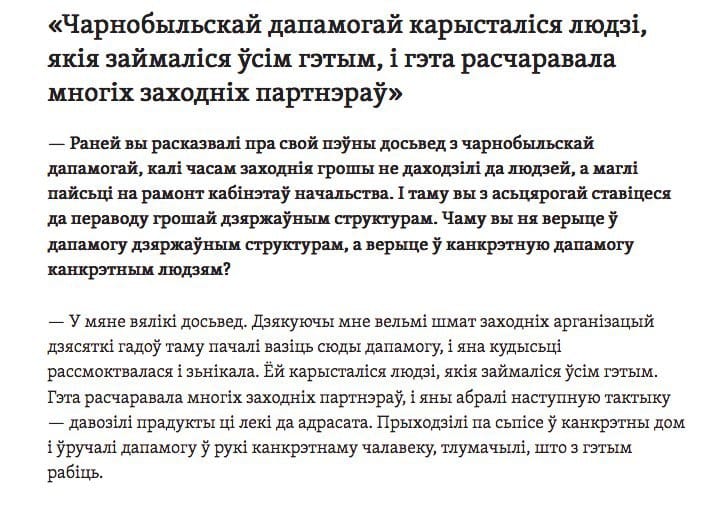
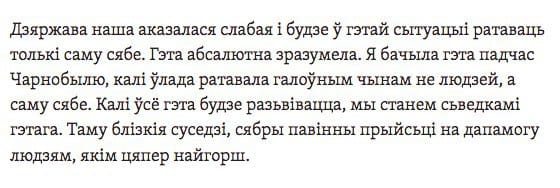
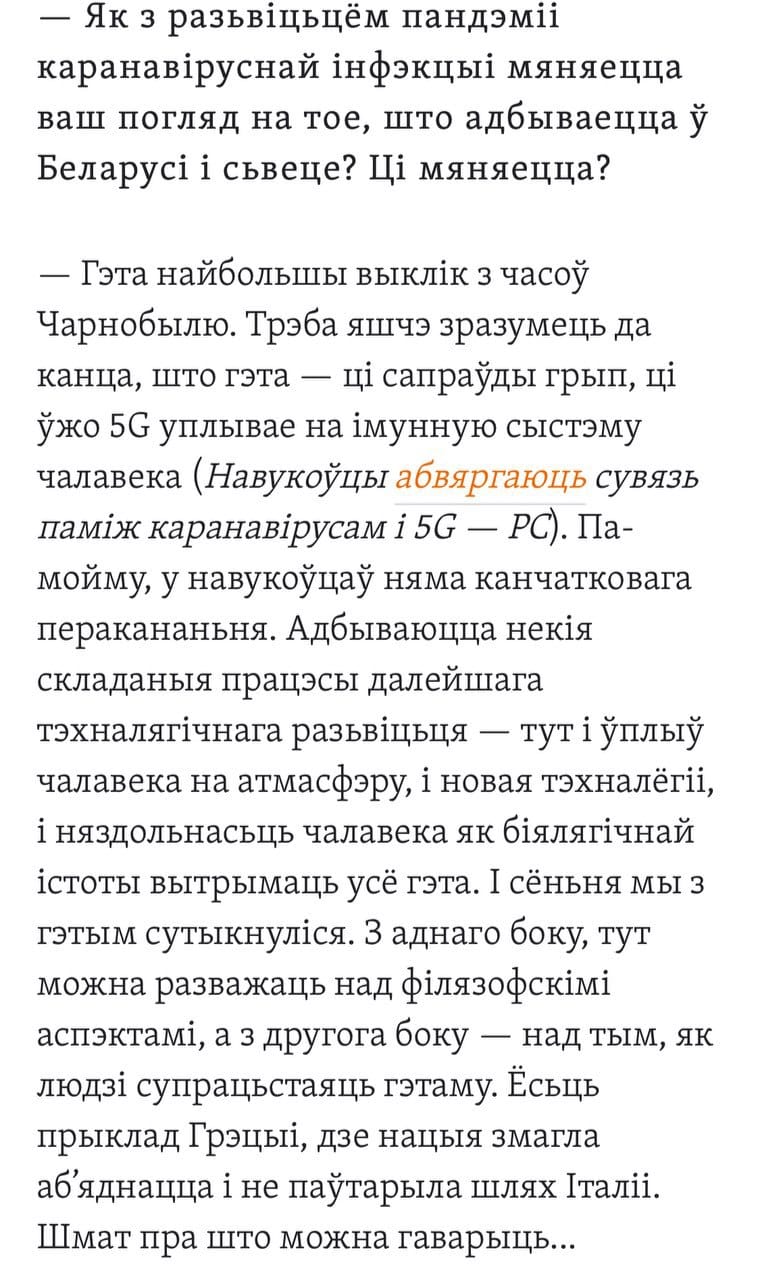
But all the same, it is an interesting interview, do read it. Alexievich makes some quite reasonable points: a weak state intends to save only itself, and she draws parallels with the Chernobyl catastrophe. She recalls, for example, how Western aid then settled with the officials and, instead of real
NB! · Books · Observations · Society · Humour
Svetlana Alexievich to the studio. The Nobel laureate doubts the nature of the coronavirus; might the epidemic, after all, have been caused by immunity weakened by 5G?
Faith · Art · People · Humour
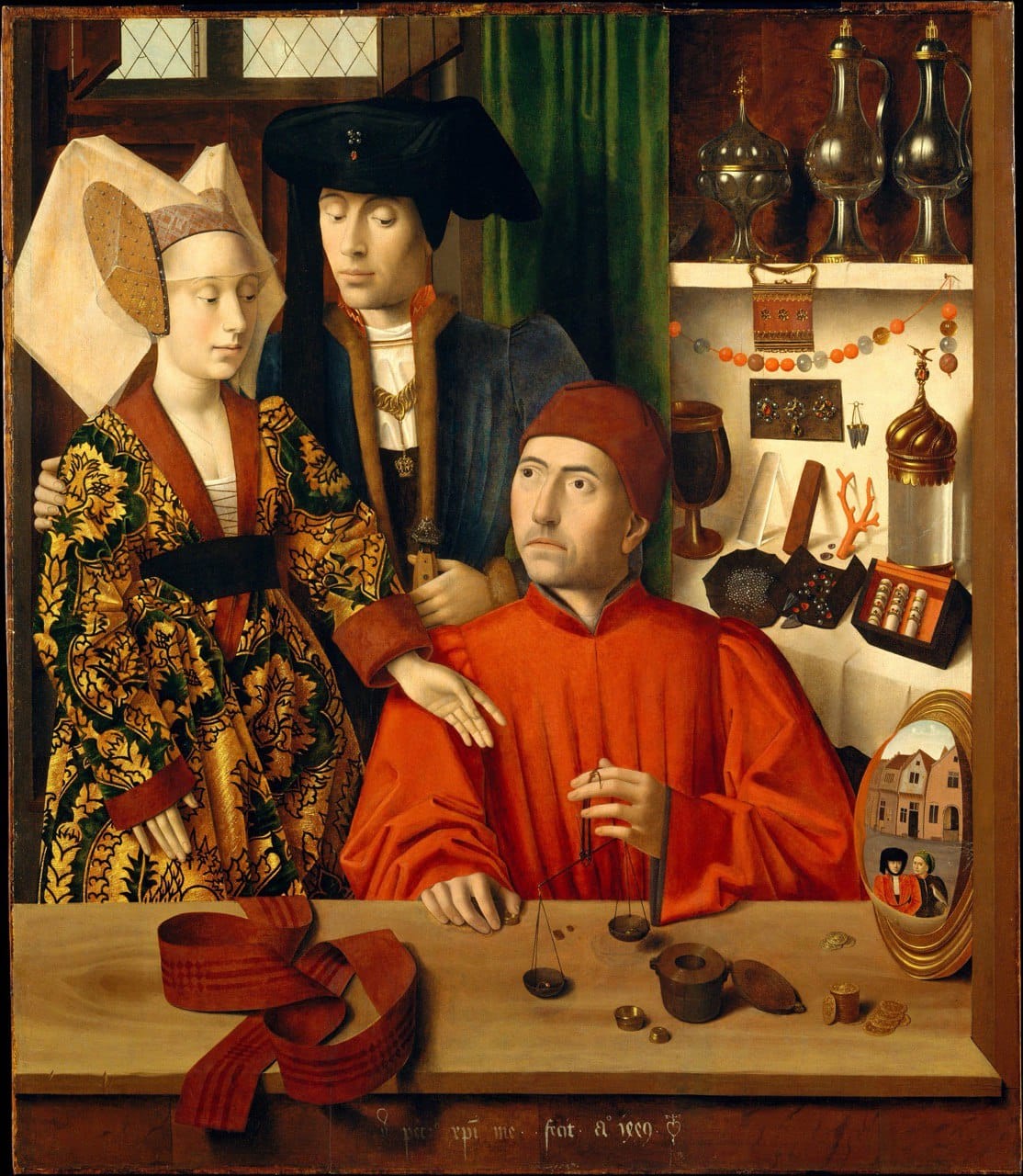
When you accidentally get caught in the reflection of someone else's selfie. It is commonly held that the celebrated painting of 1449 by the Netherlandish artist Petrus Christus depicts Saint Eligius, patron saint of goldsmiths, who served as goldsmith to the Frankish king Chlothar II and became Bishop
Books · Monarchies · Observations · Paris · Nature
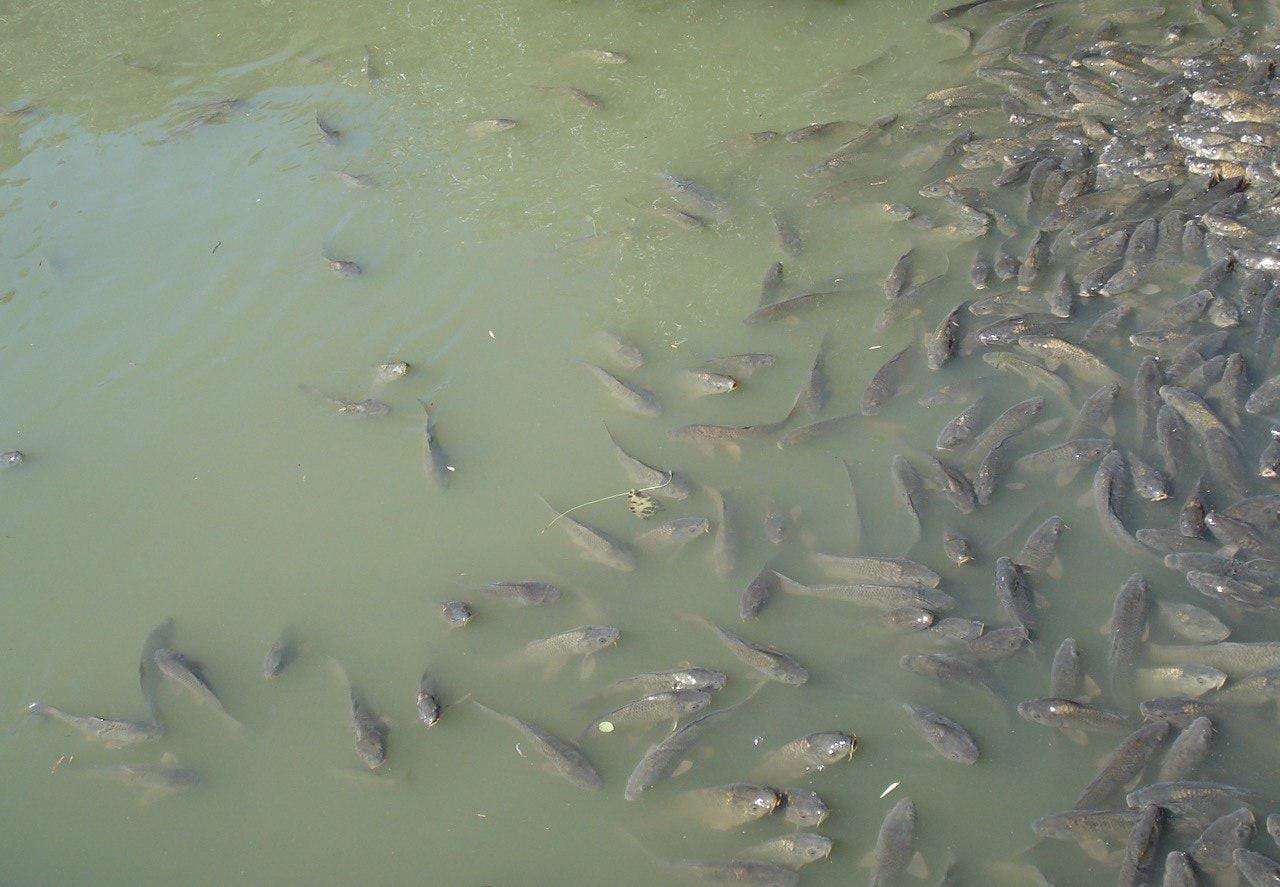
The British writer Barbara Pym, in her ironic novel Crampton Hodnet, written in the 1930s and 1940s, observes that the fish in the ponds of the Petit Trianon are so old that they must have seen Marie Antoinette. In principle, some freshwater fish really do live for more than a
NB!
Architecture · Monarchies · Museums · Heritage · Paris
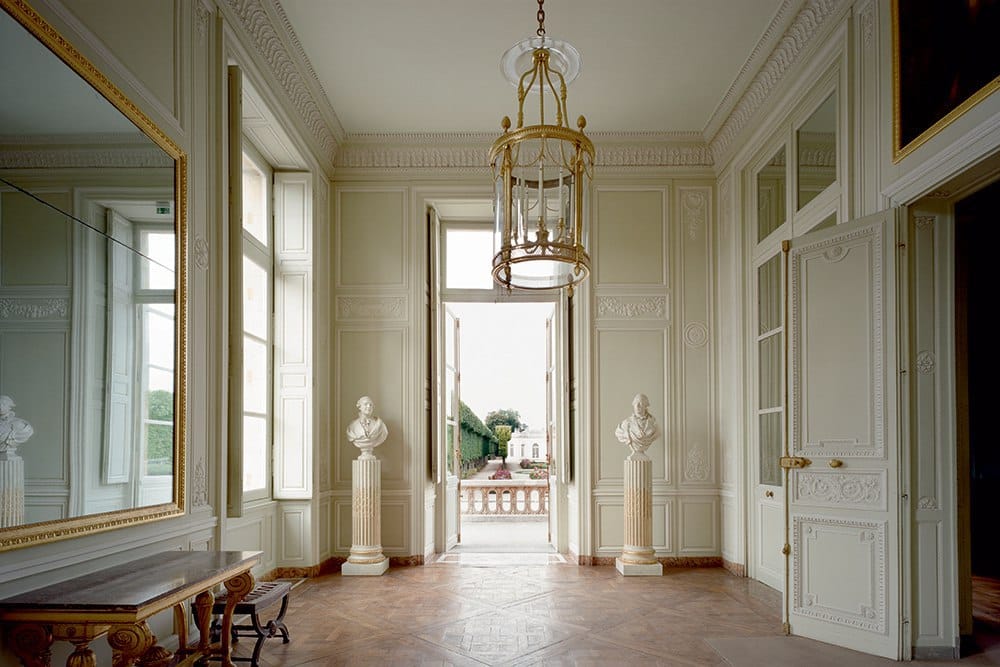
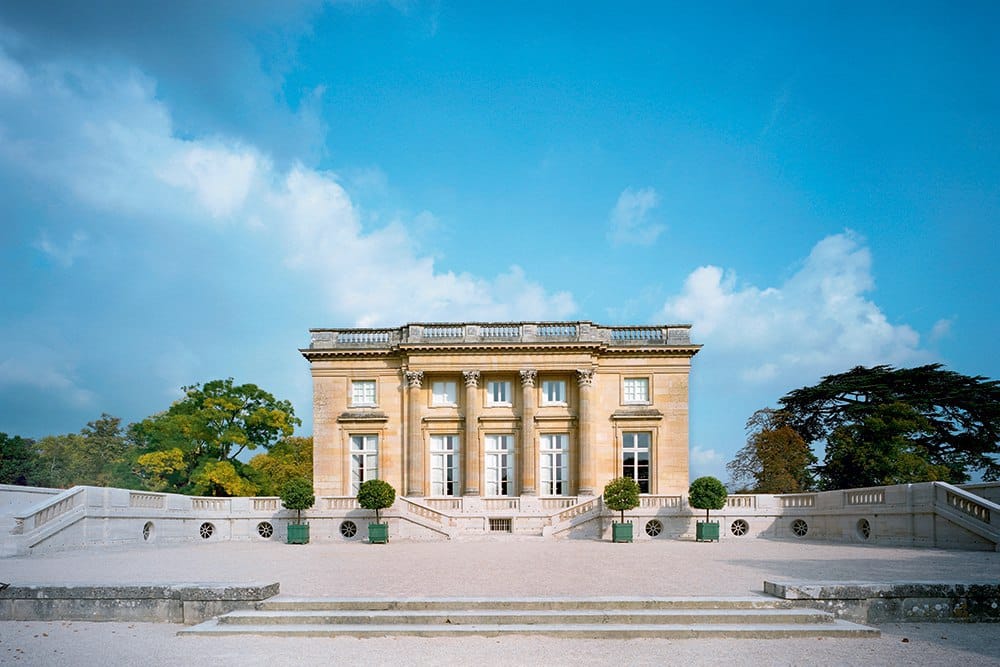
The Petit Trianon, built by Louis XV, blossomed under Louis XVI, when the palace passed into the ownership of Marie Antoinette, who made its interiors, poised in style between rococo and neoclassicism, her private retreat, where one could come only by her invitation. After the Revolution the palace was abandoned