NB! · The East · Art
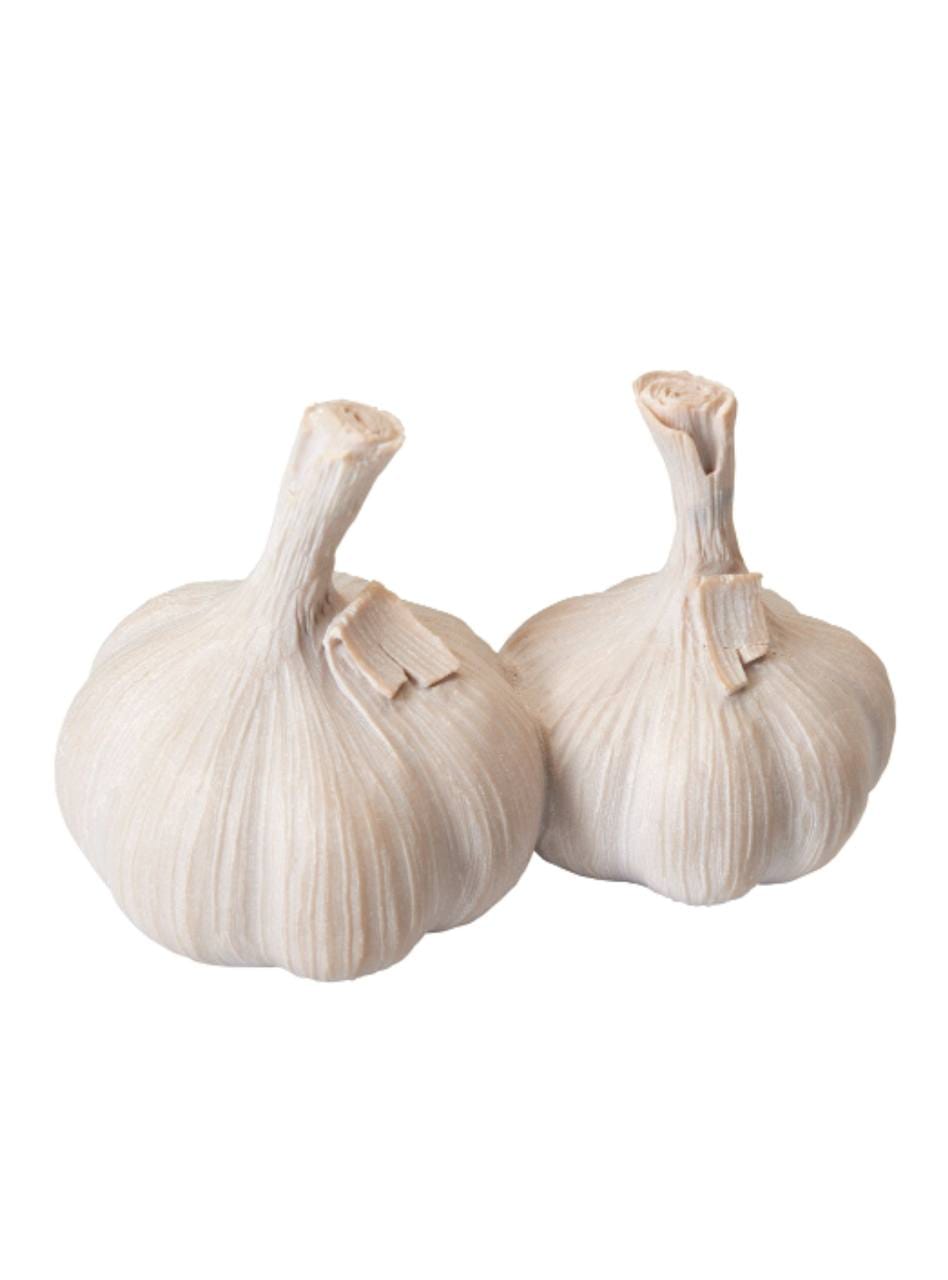
Garlic made of stone, a work of the Chinese school of the 20th century
Garlic, stone. Chinese school. 20th century

NB! · The East · Art
Garlic, stone. Chinese school. 20th century
Archive · Art · Paris
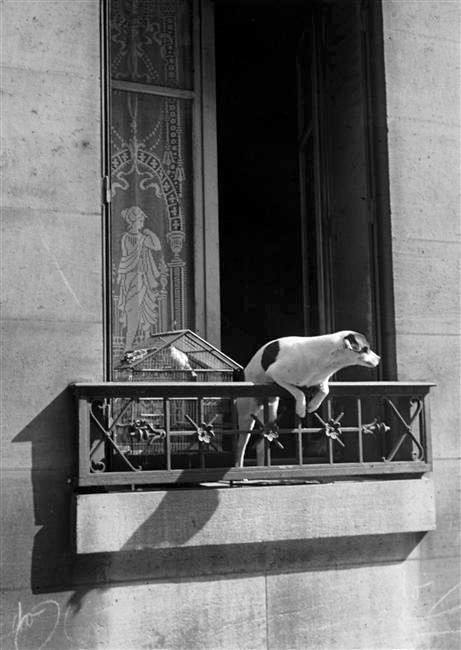
Good Morning! Photograph by André Kertész, The Concierge's Dog, 1926, Paris
NB! · Art · Moscow · Reportage
NB! · Coming Up · Art
NB! · Art · Moscow · Society Pages · Humour
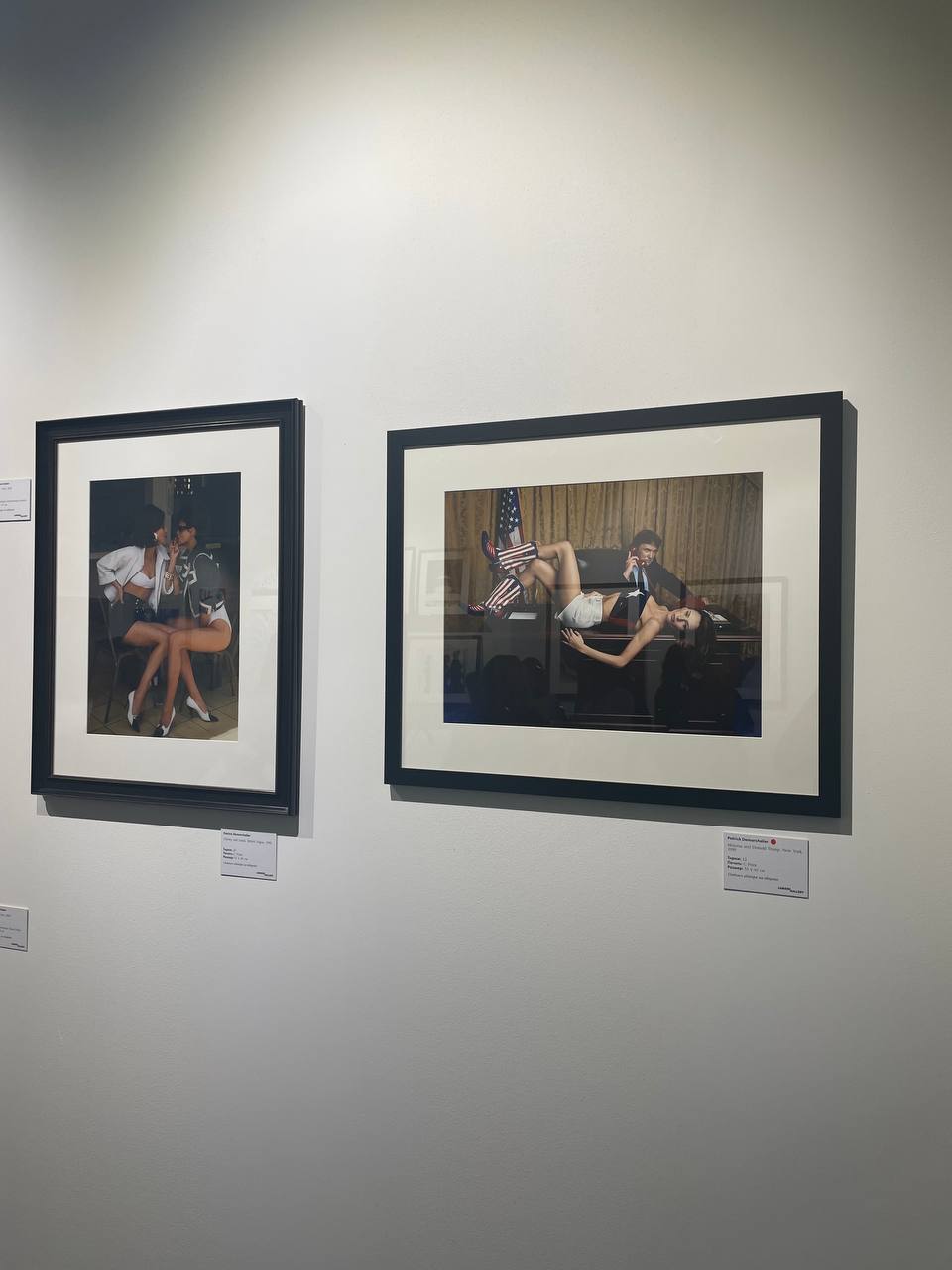
The Trump idea was a good one, well done! Stand of the Lumière Gallery, Cosmoscow
NB! · Art · Observations · Society Pages
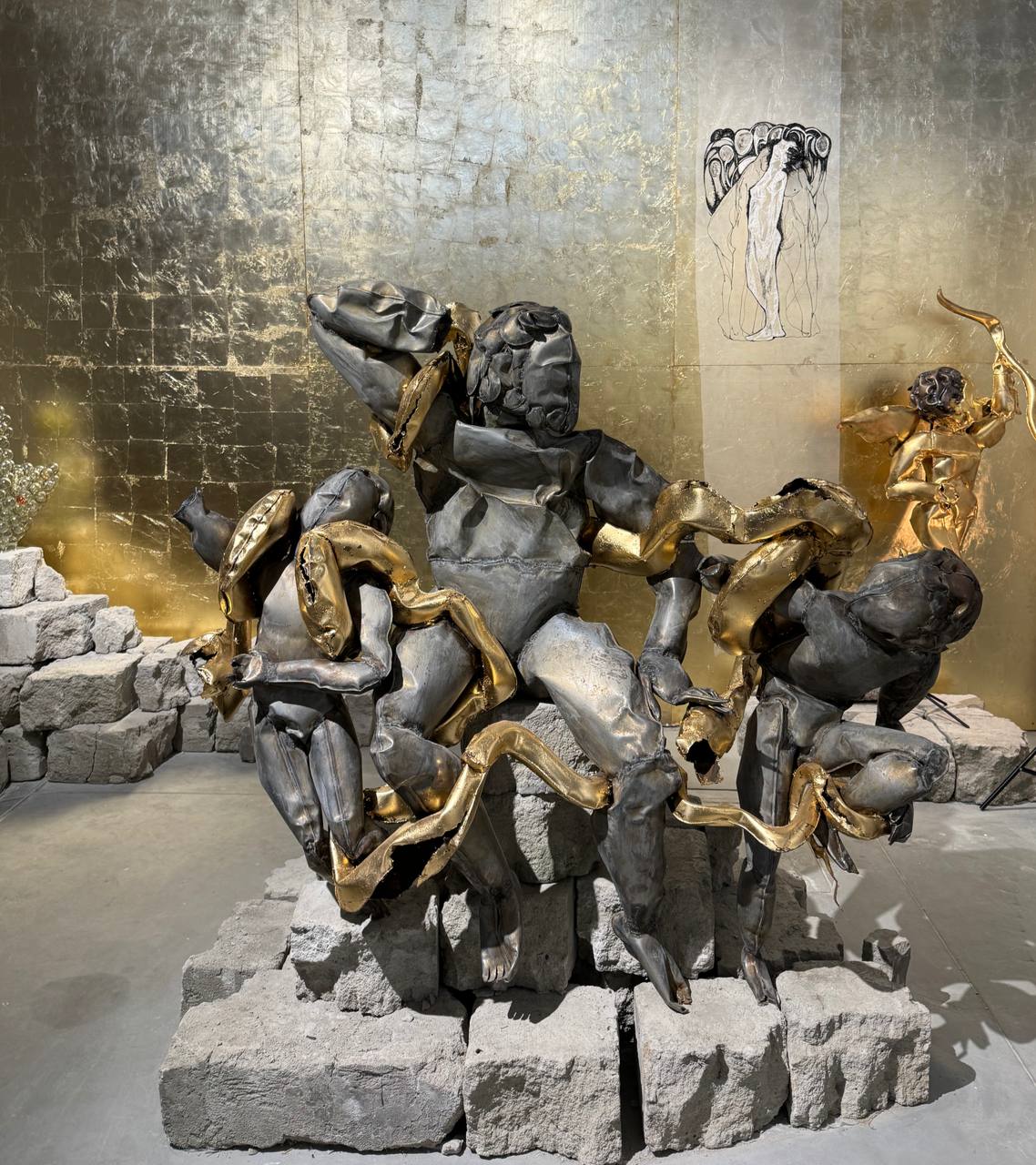
Today's favourite work from Cosmoscow: an iron Laocoön by Vilgeny Melnikov at the Pop-Up Gallery stand. Melnikov works somewhere near Petersburg on experimental sculpture and is developing his own technique of hydroforming, the inflating of metal objects
NB!
Art · Monarchies · Observations
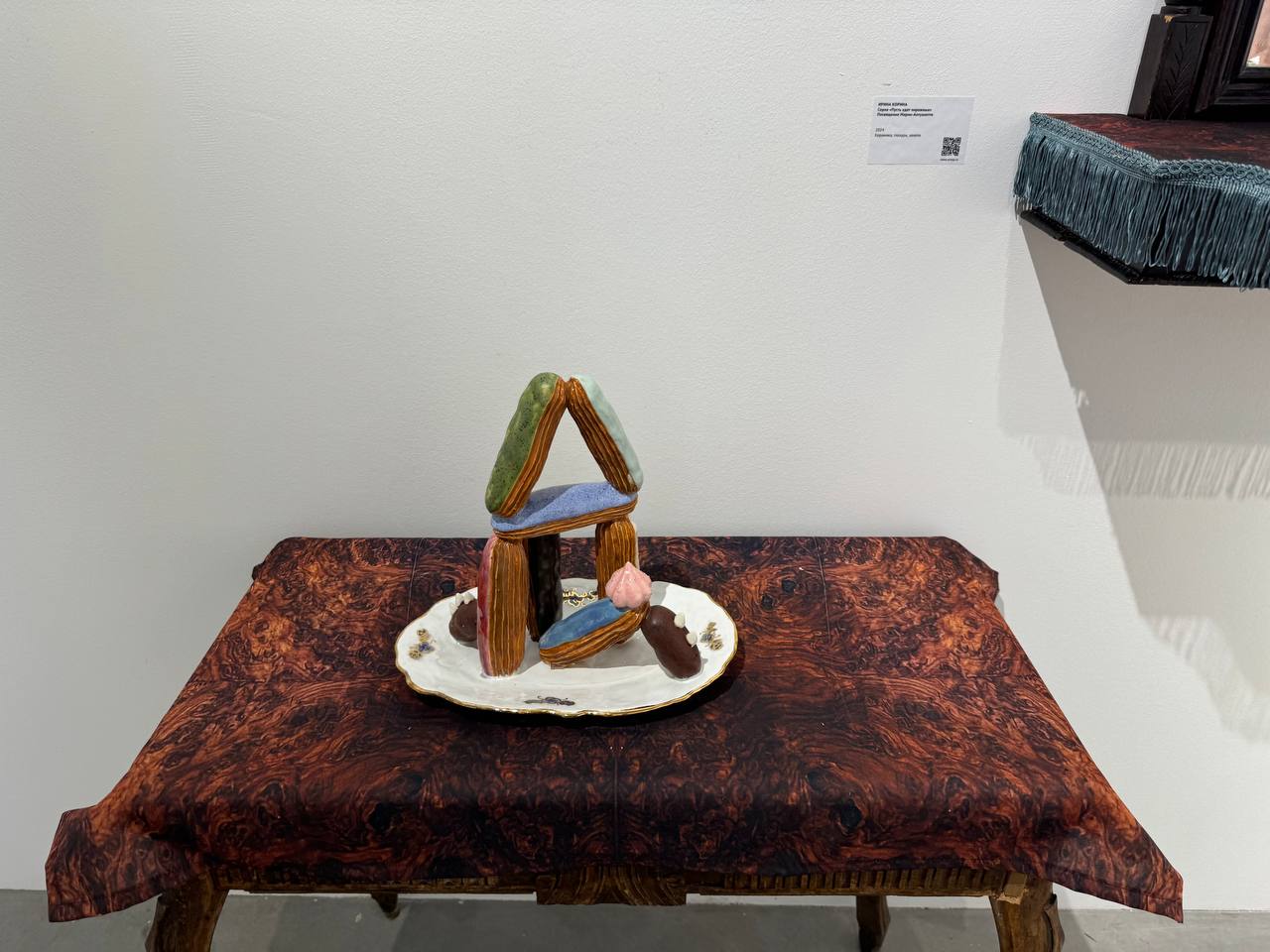
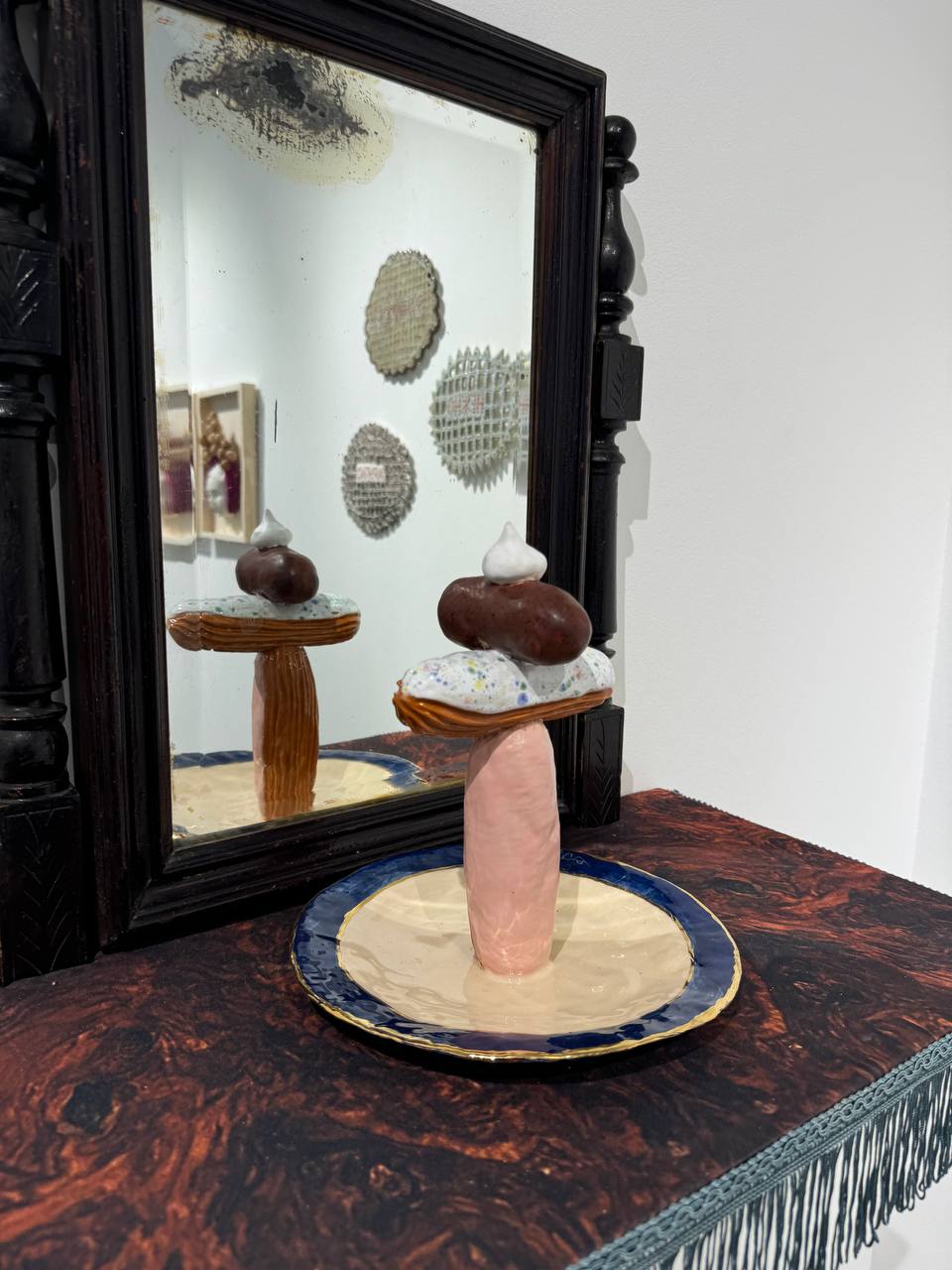
Irina Korina's charming works with éclairs on the Sistema gallery stand, devoted to Marie Antoinette's phrase "let them eat cake" But just in case, let me remind you that "If they have no bread, let them eat cake!" was attributed to the
Archaeology · Architecture · The East · Heritage
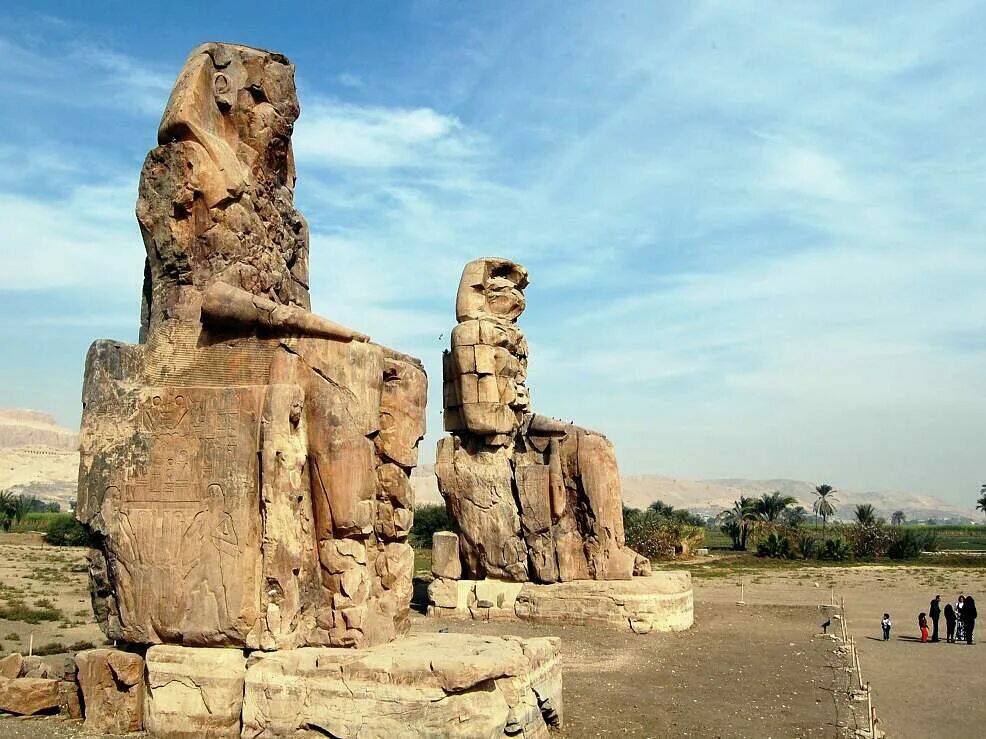
The 18-metre Colossi of Memnon, guarding the entrance to the Mortuary Temple of Amenhotep and depicting the pharaoh Amenhotep III, face east. Built of sandstone in 1350 BC in the necropolis of the city of Thebes. During an earthquake in the year 19 the northern colossus cracked, and from
Books · Observations · Humour
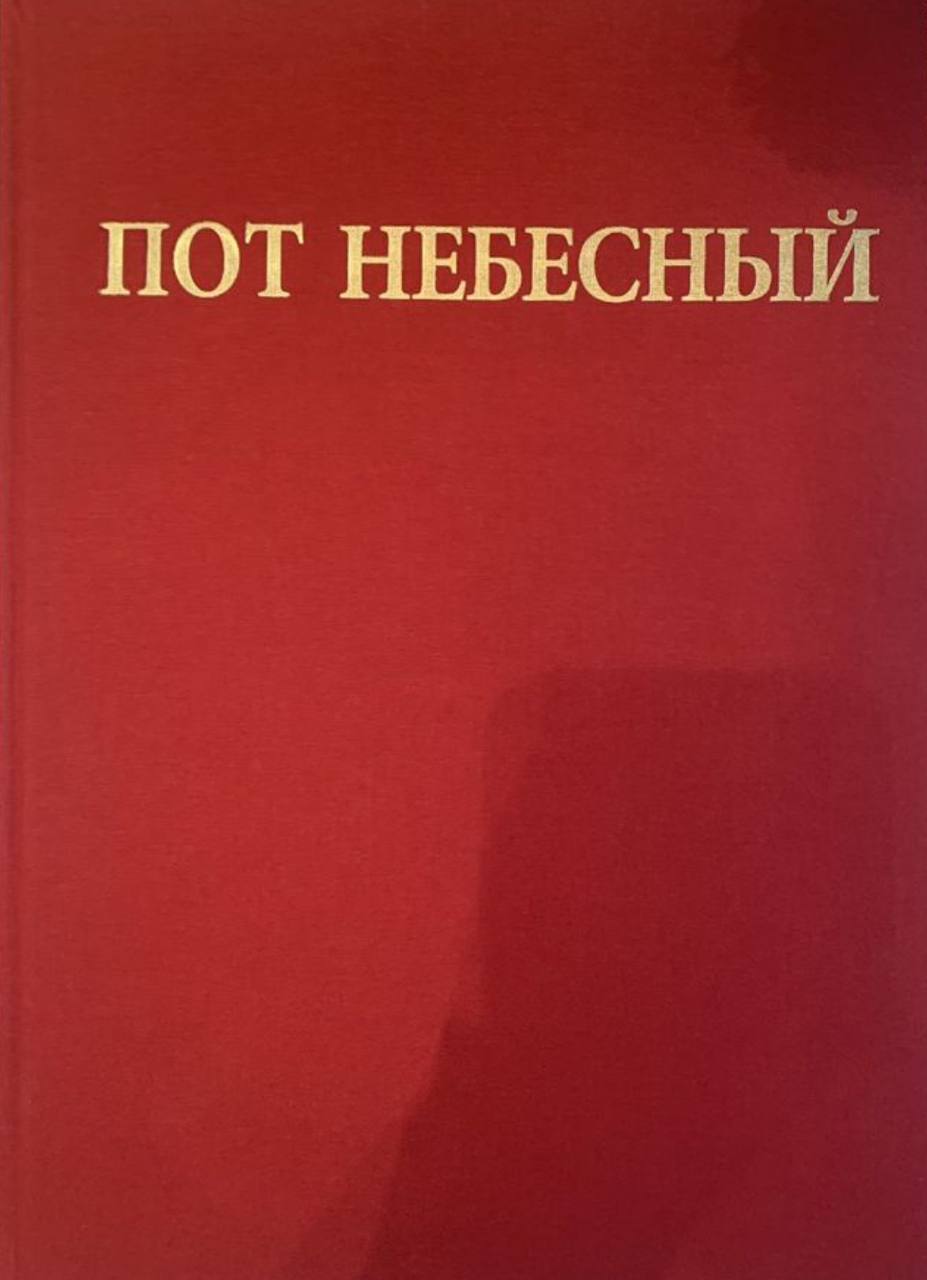
They helped us not to lose. They played, but did not win. They prevented us from winning. They did not prevent us. They were unwell. Quite possibly the wittiest table of contents in history. Though the title, "Heavenly Sweat", is not without merit either. A book about the
Architecture · Heritage · Humour
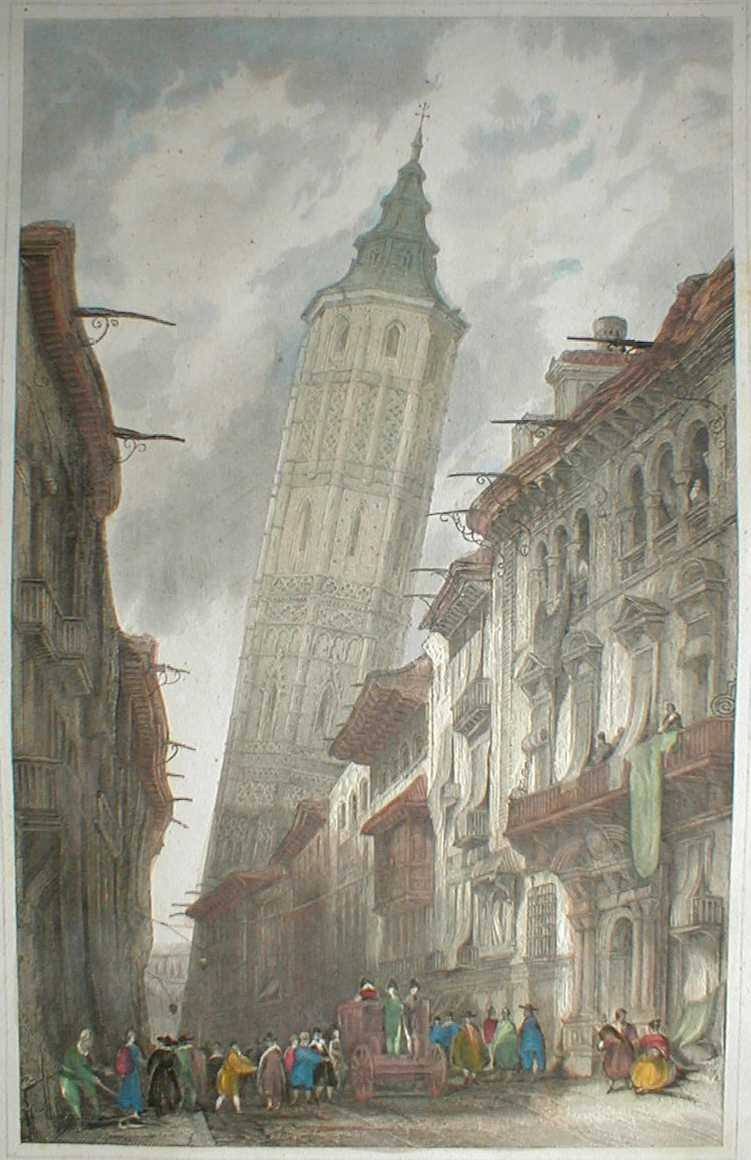
The Leaning Tower of Zaragoza was almost 30 metres taller than Pisa's. Its height was 80 metres. True, it was built 330 years after the Pisan one, in 1504, and almost at once it began to lean. For hundreds of years, however, there was no threat of collapse.
Archaeology · Archive · The East · London · Museums · Heritage
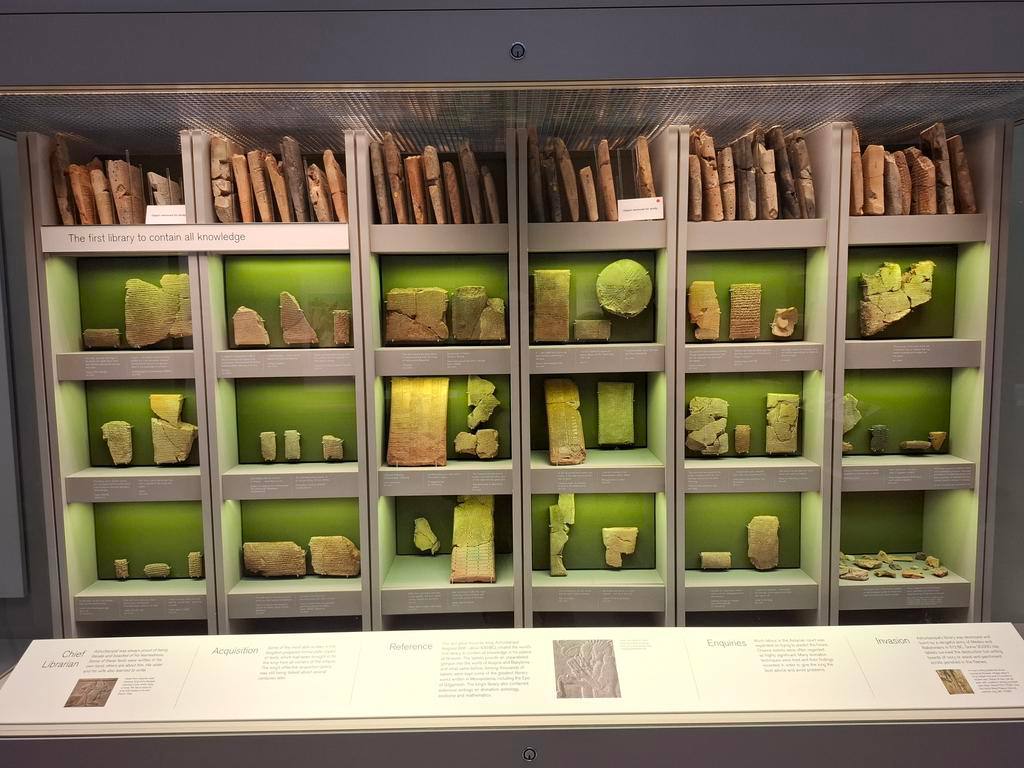
This Is How the British Museum Displays the Library of Nineveh. The legendary Library of King Ashurbanipal was discovered by the Englishman Austen Henry Layard in 1849. He managed to unearth one part of the vast library, which had been kept in the north-west palace on the banks of