8 March is not a day of flowers, spring and tenderness, nor a holiday born of a cloud of face powder and marketing ploys
8 March is not a day of flowers, spring and tenderness, nor a holiday born of a cloud of face powder and marketing ploys. Behind it stand decades of struggle for what today seems self-evident: the right of women to study, to work, to vote, to dispose of themselves.
To rise to a more pompous level, the question at stake is a fundamental one: who is counted as a full subject of history? For long centuries woman existed as an object: an article of exchange, an ornament, a function. And emancipation gave women not merely a set of legal rights but the recognition of their subjecthood.
The rights to vote, to study and to own property are in reality one and the same right: the right to exist as a human being rather than as a role.
The franchise: to vote and to be elected. The right to education on a par with men. The right to paid work and equal pay. The right to own property. The right to open a bank account without the husband's permission. The right to seek a divorce on one's own initiative. The right to credit without the signature of a husband or father. The right to wear trousers. The right to work without the husband's permission. If you have all of these rights, congratulations!
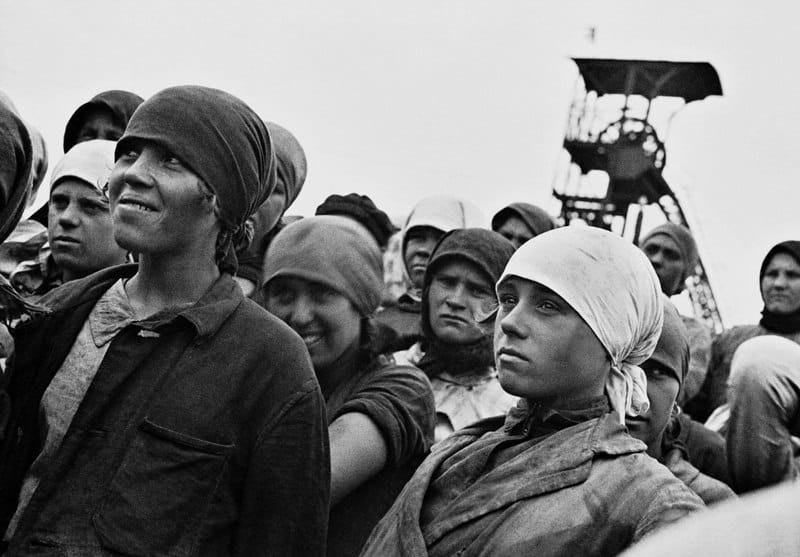
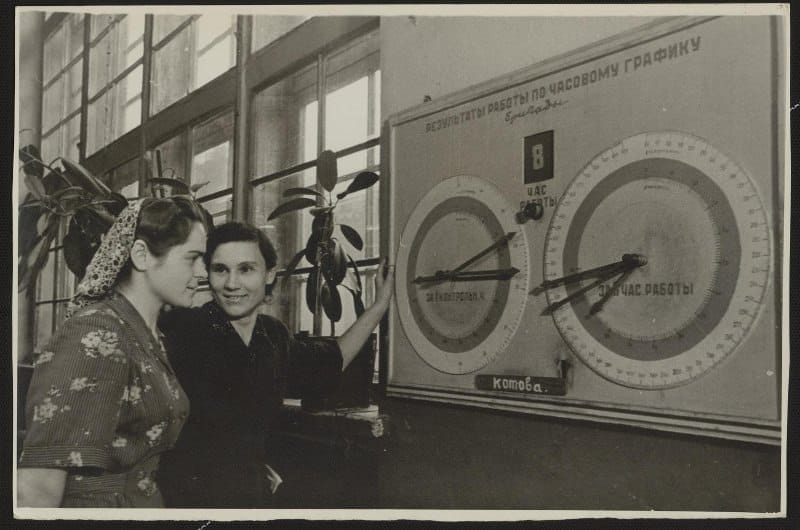
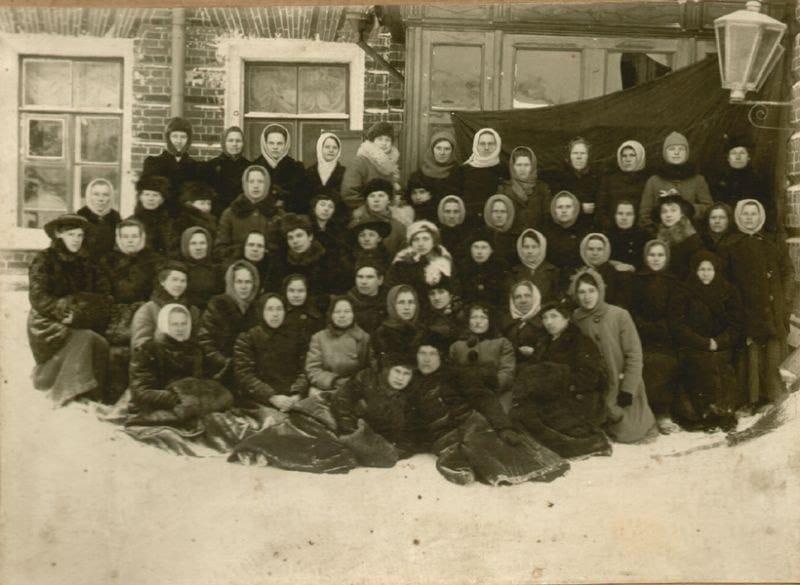
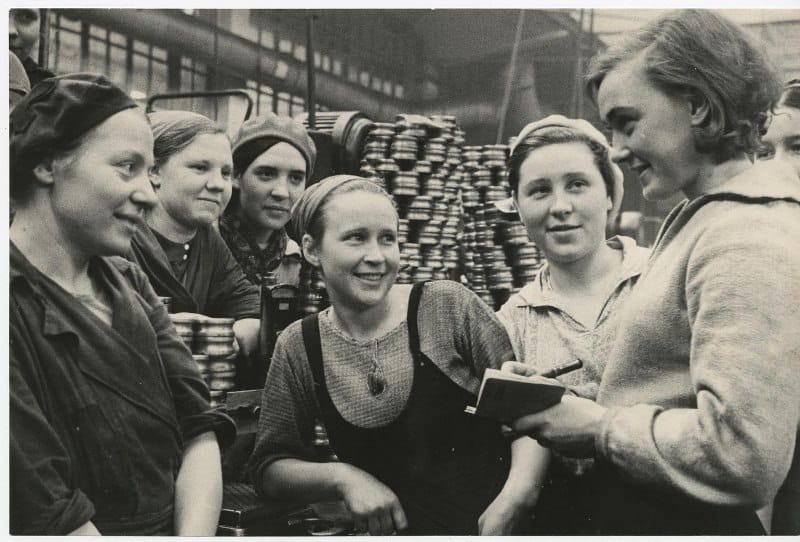
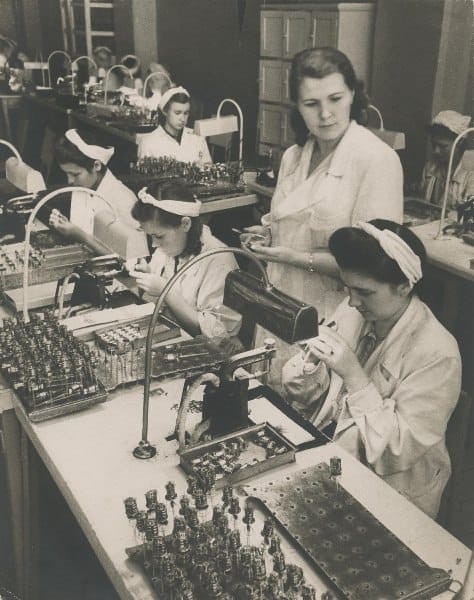
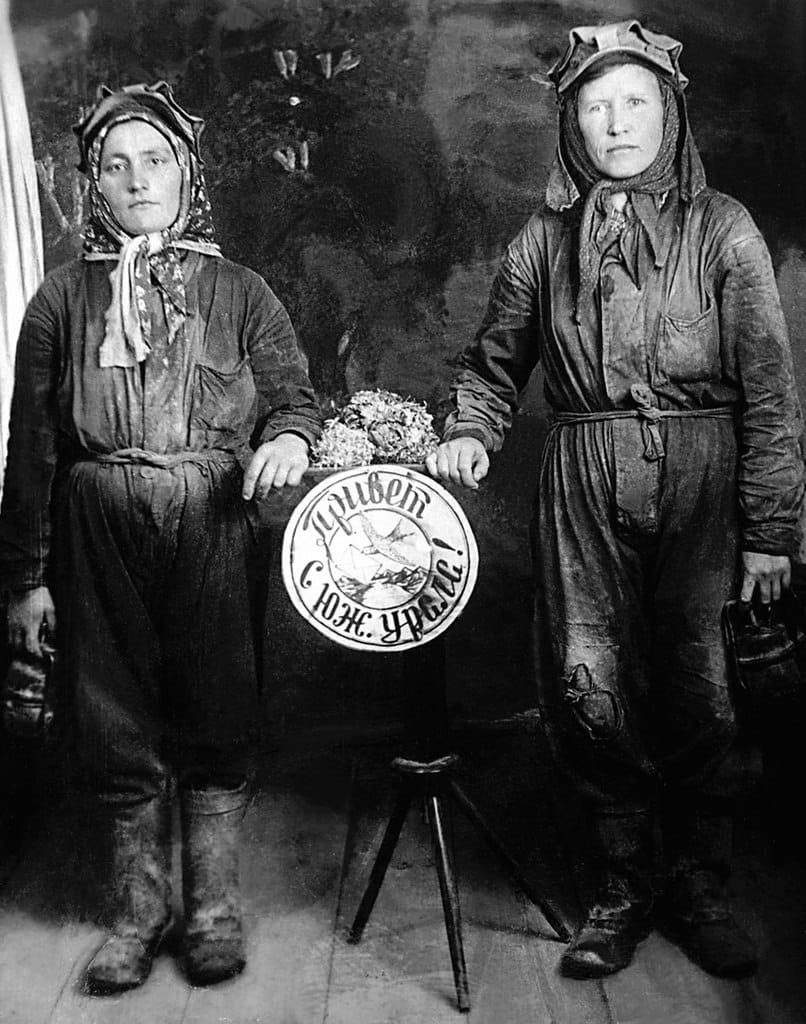
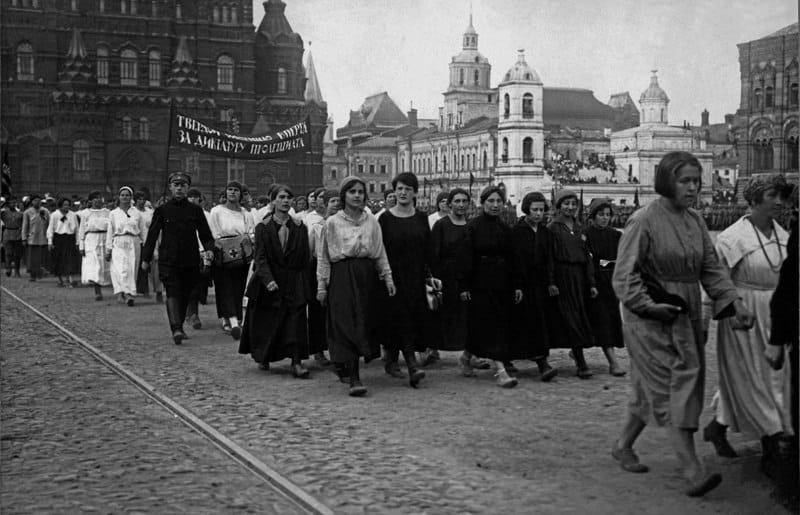
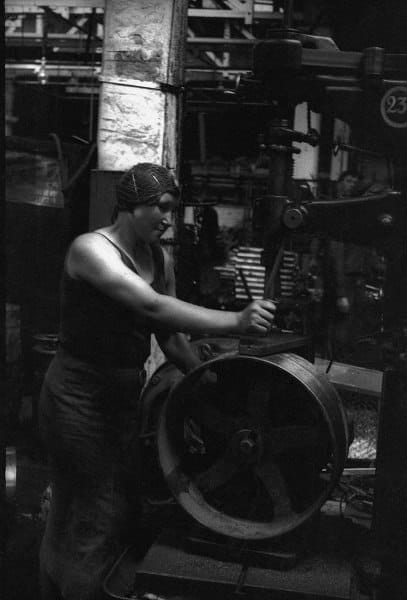
Russia, incidentally, played in this process a part of which little is said today. In 1917 Russian women received the vote earlier than Frenchwomen, Italian women and Belgian women. The Soviet state, for all its vices, was the first in the world to open to women on a mass scale access to higher education and to technical professions.
But the paradox is that the more successful emancipation is, the less it is remembered. Rights won with difficulty are taken by the next generation as something commonplace. So perhaps at least one day a year deserves to be devoted to understanding that this given was once won.
Happy holiday, dear women!